
 By Iffa Jayyana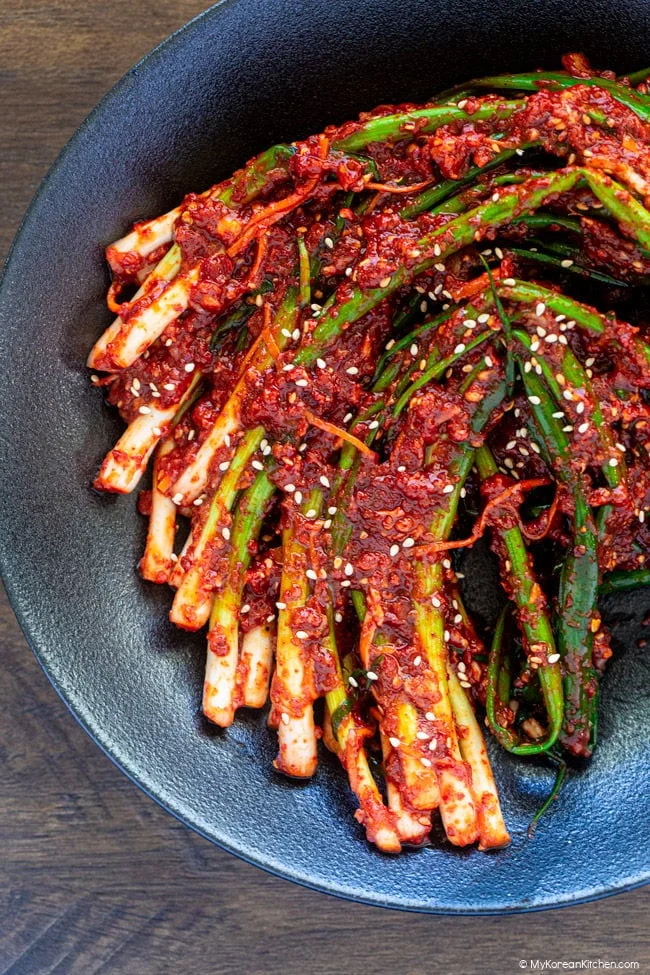
In the vast and vibrant landscape of Korean cuisine, kimchi acts as the fundamental heartbeat. While the ubiquitous napa cabbage variety—baechu kimchi—often takes center stage in the global culinary imagination, there exists a more aggressive, aromatic, and deeply flavorful contender: Pa Kimchi. This green onion-based dish is currently experiencing a culinary renaissance, moving from a niche regional specialty to a coveted side dish in modern Korean dining. With its complex profile of spicy, sweet, and umami-rich notes, Pa Kimchi is redefining how home cooks and professional chefs approach the art of fermentation.
Main Facts: What Defines Pa Kimchi?
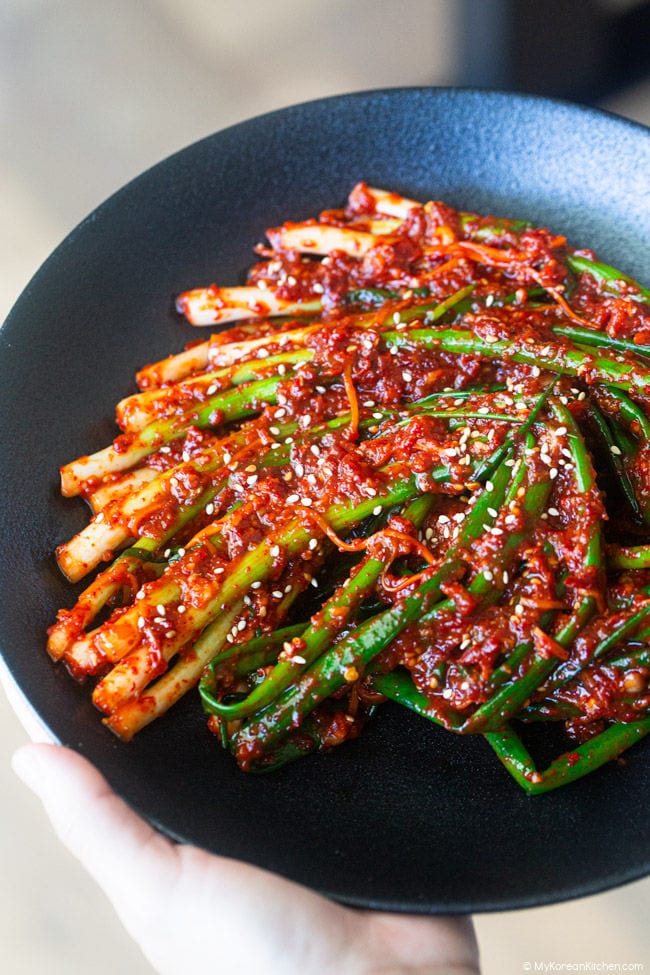
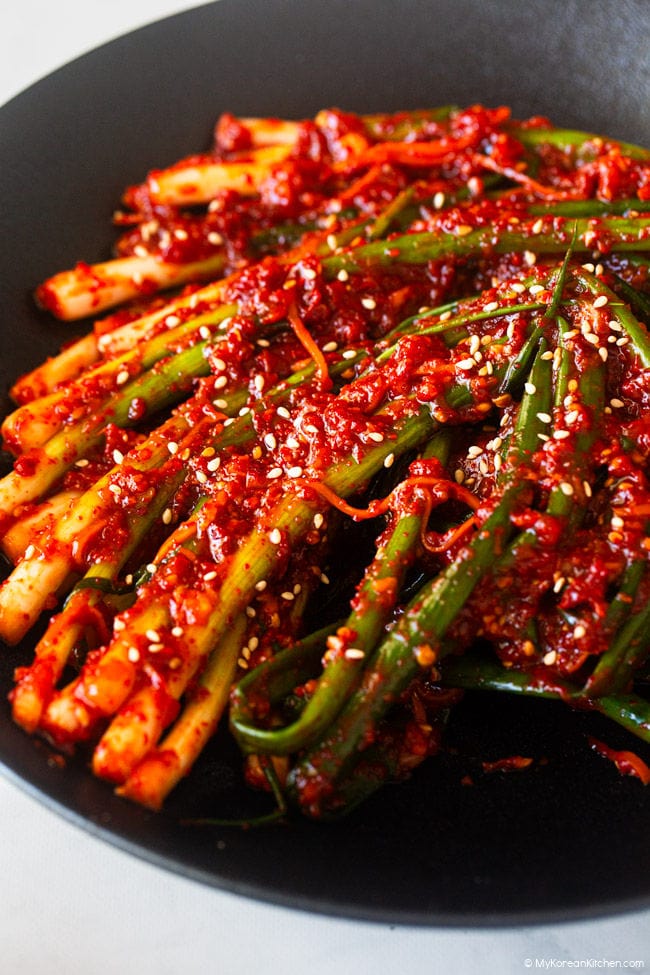
At its core, Pa Kimchi is a fermented vegetable dish crafted primarily from young green onions (scallions). Unlike the standard cabbage kimchi, which relies on the structural integrity and high water content of napa cabbage to provide a crunchy vessel for seasoning, Pa Kimchi focuses on the inherent sharpness of the scallion.
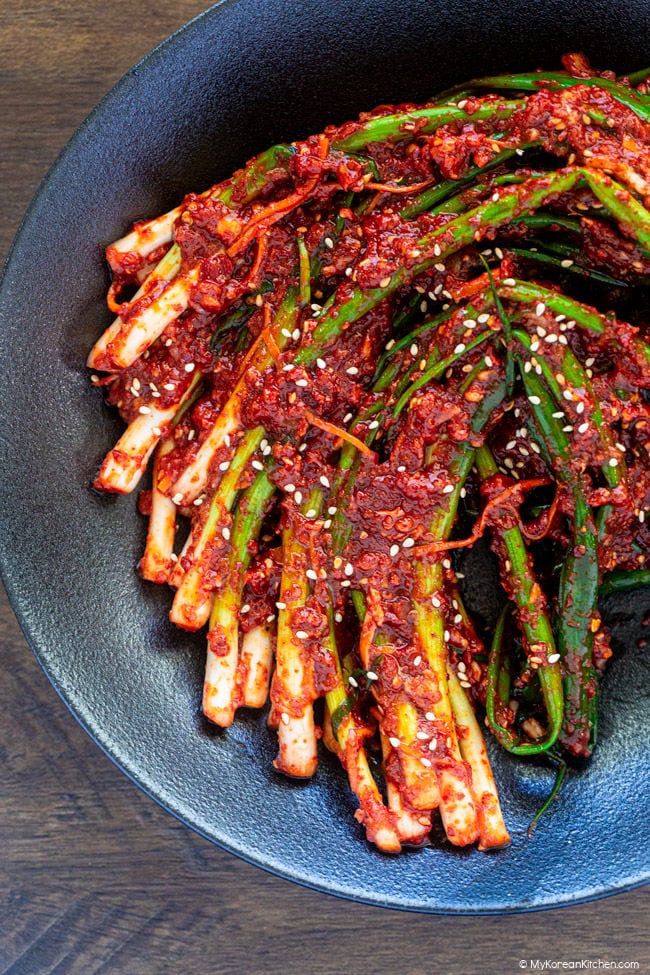
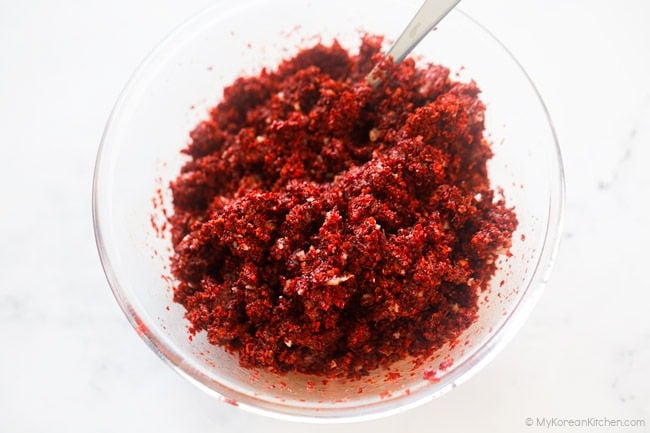
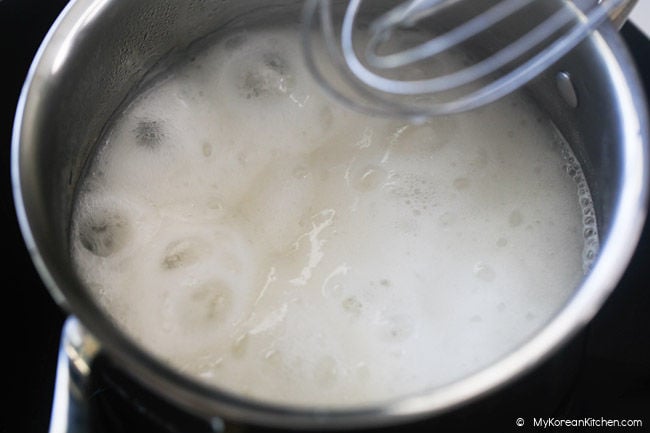
The dish is categorized by its bold, pungent aroma and its intense flavor profile. It is traditionally seasoned with a paste comprising gochugaru (coarse Korean chili flakes), high-quality anchovy fish sauce, saeujeot (salted fermented shrimp), and a thickening agent like a flour-based porridge. This combination, often augmented with fresh aromatics like garlic, ginger, and fruit, creates a seasoning that penetrates the tender stems of the onions. The result is a condiment that transforms from a crisp, fresh vegetable dish into a deeply tangy, fermented delicacy as it ages.
A Chronological Evolution of the Recipe
The history of Pa Kimchi is deeply rooted in the Jeolla province of South Korea, a region globally recognized for its gastronomic heritage and liberal use of flavorful, bold spices. Traditionally, the fermentation process was a matter of necessity—a way to preserve seasonal harvests—but over the decades, the preparation of this dish has undergone a technical evolution.
The Early Days: Regional Simplicity
Historically, Pa Kimchi was a rustic, straightforward dish. Families would coat fresh, locally sourced green onions in a paste of chili powder and basic brine. It was a seasonal delight, meant to be consumed quickly while the onions retained their snap.
The Modern Refinement
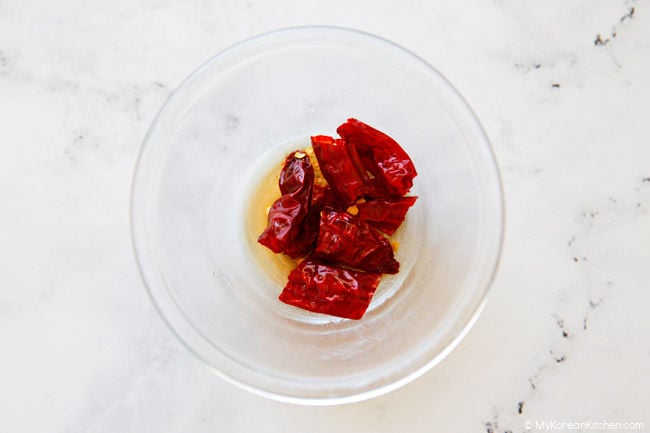
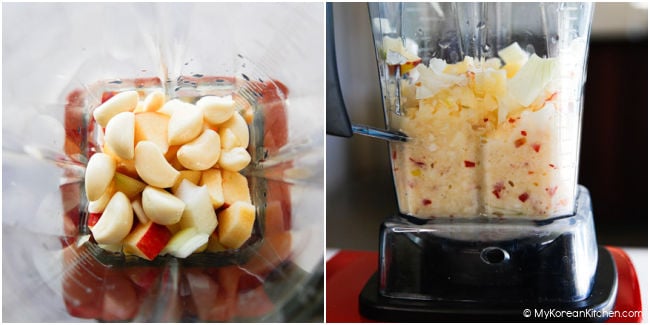
In recent years, the preparation has become more calculated. Modern practitioners of the craft emphasize "blooming" the spices. By briefly soaking the gochugaru in liquid, the seasoning becomes smoother and deeper in color. Furthermore, the introduction of fruit—specifically apple or pear—into the blender base has become standard practice. This addition provides a natural, subtle sweetness that tempers the raw heat of the chilies and the salinity of the fish sauce, creating a balanced flavor profile that appeals to a broader, more contemporary palate.
Supporting Data and Technical Nuance
To understand why Pa Kimchi is gaining such traction, one must look at the specific techniques that differentiate a mediocre batch from a masterclass in fermentation.
The Role of Ingredient Selection
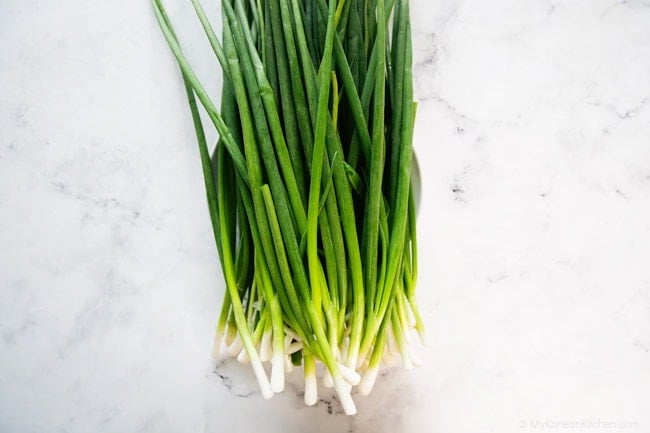
The success of the dish begins with the "jjokpa" or "silpa"—young green onions characterized by their slender white stems and delicate green tops. Data from regional markets indicates that the younger the onion, the more effectively it absorbs the seasoning paste. Larger, more mature onions, while edible, often result in a tougher texture that can overpower the delicate balance of the gochugaru.
The Pre-Seasoning Technique
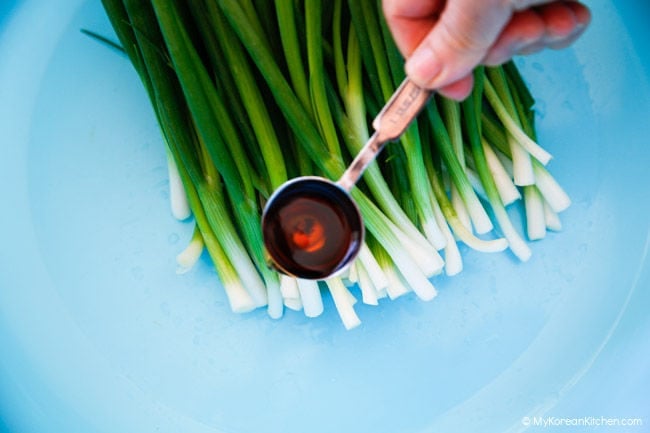
One of the most significant technical advancements in modern Pa Kimchi preparation is the abandonment of the "salt-first" method used for cabbage. Instead, the white stems are pre-seasoned with a splash of anchovy fish sauce. This technique serves two purposes:
- Flavor Penetration: It ensures that the most fibrous part of the onion is seasoned from the inside out.
- Texture Preservation: By avoiding the heavy-handed application of salt, the onions retain their crispness rather than becoming limp and watery.
Nutritional Profile
From a nutritional standpoint, Pa Kimchi is a powerhouse. A typical serving (approx. 58 kcal) provides a robust dose of Vitamin A and C, along with beneficial probiotics developed during the fermentation process. While the sodium content is high (approx. 809mg), it is balanced by the inclusion of fiber and the metabolic benefits associated with fermented foods, making it a functional component of the Korean diet.
Perspectives from the Kitchen: Personal and Professional Responses
The shift toward embracing Pa Kimchi has not been universal. Many who grew up in the Korean diaspora admit to a long-held resistance to the dish.
The "Overwhelming" Stigma
For many years, younger generations found the combination of pungent green onions and the intense smell of fermented fish sauce to be overwhelming. Compared to the mild, refreshing nature of white kimchi or the familiar crunch of radish kimchi, Pa Kimchi felt like an "acquired taste."
The Turning Point
Culinary experts note that the recent popularity of Pa Kimchi is largely tied to its pairing with Samgyeopsal (Korean pork belly). The high fat content of the pork requires an acidic, spicy, and sharp palate cleanser. Pa Kimchi serves this function better than almost any other side dish. When the pungent, spicy onion hits the richness of the charred pork, it creates a culinary synergy that has converted thousands of skeptics.
As one home cook noted, "I refused to eat it as a child. But once I tried it alongside jajangmyeon (black bean noodles), I realized it was the missing link. The sharpness of the onion cuts through the heavy bean sauce perfectly."
Implications for Future Culinary Trends
The rise of Pa Kimchi signals a larger shift in global food culture: a movement away from "safe" flavors and toward complex, high-impact profiles. As home cooks become more comfortable with the nuances of fermentation, the demand for "bold" kimchi varieties is rising.
Global Accessibility
With the increasing availability of Korean ingredients in mainstream grocery stores, the barriers to entry for making authentic Pa Kimchi at home have significantly lowered. Ingredients like gochugaru and saeujeot are no longer restricted to specialized Asian markets, allowing for a broader demographic to engage with the craft.
The Fermentation Movement
The implications for the wider fermentation community are also significant. Pa Kimchi represents a "fast-fermenting" style compared to traditional cabbage kimchi. It is ready for consumption within 48 hours, making it an ideal entry point for those interested in starting their own fermentation journeys. The ability to see immediate results—moving from a raw, crisp state to a soft, tangy, umami-bomb—is immensely satisfying for the modern, time-conscious cook.
Cultural Preservation
Finally, the resurgence of this recipe serves as a vital tool for cultural preservation. By teaching the specific, gentle folding techniques required to coat the green onions without bruising them, families are passing down not just a recipe, but a philosophy of care and respect for ingredients.
In conclusion, Pa Kimchi is far more than a simple condiment. It is a reflection of the evolving Korean palate—a dish that balances the sharp, the sweet, and the savory with technical precision. Whether served as a crisp accompaniment to a weekend BBQ or aged to a deep, tangy intensity for a weeknight noodle dish, Pa Kimchi stands as a testament to the enduring power and complexity of Korean fermentation. For those who have yet to cross the threshold into the world of scallion-based kimchi, the experience is not merely recommended—it is a mandatory step in understanding the true depth of one of the world’s most sophisticated culinary traditions.
 Raul Delapena Setiawan
  Asep Darmawan
  Nana Wu
