 By Reynand Wu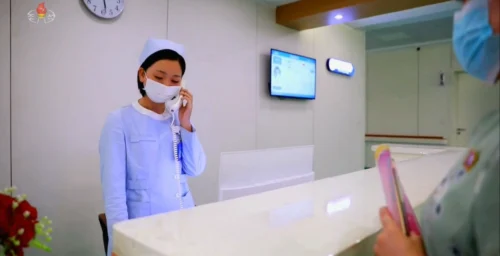
By Staff Reporter | August 27, 2026
For decades, the Democratic People’s Republic of Korea (DPRK) has projected an image of a robust, state-sponsored healthcare system. In carefully curated state media broadcasts, such as those from July 2026 showing the pristine interiors of the Pyongyang General Hospital, viewers are presented with gleaming equipment and well-rested, professional staff. However, the lived reality of those on the front lines of North Korean medicine is a starkly different narrative—one defined by chronic scarcity, moral exhaustion, and the devastating weight of preventable loss.
In this installment of NK News’ "Ask a North Korean" series, we feature the testimony of Lena, a former nurse who served within the North Korean medical system before her defection in 2019. Her account offers a rare, ground-level perspective on the crumbling infrastructure of the DPRK’s public health sector and the harrowing choices medical professionals must make when the state provides nothing but a title.
The Illusion of Universal Care: A Chronology of Decline
To understand the current state of North Korean nursing, one must look at the evolution of the system over the last thirty years.
The Era of "Free" Medicine
During the mid-20th century, the DPRK boasted a healthcare system that was, at least on paper, the envy of the developing world. Following the Korean War, the state invested heavily in regional clinics and the "Section Doctor" system, which aimed to provide localized, preventative care. For a time, nurses were respected figures in their communities, tasked with everything from basic vaccinations to public hygiene monitoring.
The Great Famine and the "Arduous March"
The collapse of the Soviet Union and the subsequent economic crisis in the 1990s—known in North Korea as the "Arduous March"—served as the death knell for the state-funded model. As supply chains withered, hospitals were left without electricity, heating, or basic medications.
The Modern Decay
In the years leading up to 2019, when Lena served as a nurse, the system had transitioned into an informal, pay-to-play model. While the government officially maintained that healthcare was free, the reality was that patients were expected to provide their own bandages, medicine, and sometimes even the fuel required to run the hospital’s generators.
The Frontline Experience: A Nurse’s Burden
Lena’s journey into the medical profession began with a sense of duty, a common trait among those who viewed nursing as a noble way to serve the state and their fellow citizens. However, her training was quickly overshadowed by the operational realities of the hospital environment.
The Scarcity of Essentials
"The most difficult part of the day was not the workload, but the lack of tools," Lena recalls. A nurse in a typical provincial North Korean hospital is often tasked with administering intravenous fluids without sterile gloves, or, in extreme cases, reusing syringes that have been "sterilized" in nothing more than boiling water.
The lack of reliable electricity meant that cold-chain storage for vaccines and insulin was often nonexistent. Nurses were forced to prioritize which patients received treatment, not based on medical urgency, but on who had the financial means—or the personal connections—to procure the necessary medicine from the jangmadang (black markets).
The Moral Weight of Inaction
The most haunting aspect of Lena’s testimony is the memory of the patients she could not save. "I recall a child brought in with a treatable infection," she says. "Because we had no antibiotics and the parents couldn’t afford to buy them on the black market, I had to watch the infection progress until it was too late. You feel like a failure, not because you lack skill, but because you are trapped in a system that has abandoned the very people it claims to protect."

This dissonance—the discrepancy between the "socialist paradise" touted in state propaganda and the reality of watching patients die from manageable ailments—eventually became the primary catalyst for her decision to defect.
Supporting Data: The Systemic Gap
Independent health analysts and researchers focusing on the DPRK have long noted the discrepancy between state claims and actual health outcomes.
- Public Expenditure: North Korea is estimated to spend less than 1% of its GDP on public health, one of the lowest rates in the world.
- Infrastructure: While "General Hospitals" in Pyongyang are well-equipped to serve the elite, regional hospitals often operate at 20-30% of their intended capacity due to lack of maintenance and power.
- The Black Market Dependency: A 2024 report by the Korea Risk Group highlighted that over 80% of North Korean households bypass the state system entirely when they are seriously ill, preferring to purchase unregulated pharmaceuticals from private sellers.
Official Responses and State Narrative
The North Korean government maintains a strict narrative regarding its healthcare achievements. The Ministry of Public Health frequently issues reports claiming a 100% vaccination rate and touting the success of their "advanced" surgical procedures.
When international organizations like the World Health Organization (WHO) have attempted to engage with the DPRK, the state has often restricted access to specific, "showcase" facilities. During the recent inauguration of facilities like the Pyongyang General Hospital, state media (KCTV) underscored that the facility was a "gift from the Supreme Leader," framing medical care not as a human right, but as an act of political benevolence. This framing creates a dangerous environment for medical staff, who are expected to maintain the appearance of perfection regardless of the actual logistical constraints.
Implications: The Human Cost of Isolation
The experience of defectors like Lena provides a sobering look at the long-term implications of a healthcare system used as a tool of political control.
The Erosion of Trust
When a population realizes that their hospitals are no longer places of healing, the social contract is fractured. The reliance on the black market for medical supplies has inadvertently created a class-based system of care, where only the donju (new moneyed class) can ensure their survival.
The "Brain Drain" of Medical Talent
The frustration expressed by professionals like Lena is not unique. Many medical practitioners in the North, feeling disillusioned by their inability to perform their duties ethically, seek avenues to leave the country. This creates a "brain drain" that further degrades the quality of care for those left behind.
A Call for Global Recognition
For the international community, the testimony of nurses like Lena is a call to look beyond the carefully crafted imagery of North Korean state media. The medical crisis in the DPRK is not merely a matter of supply chain issues; it is a fundamental failure of governance that prioritizes military and prestige projects over the basic biological survival of its citizens.
As the international community debates future engagement strategies with Pyongyang, the voices of those who have worked within the system must be prioritized. True reform in the DPRK will require more than just new equipment; it will require a complete overhaul of the transparency and ethical standards of the medical profession, currently stifled by the authoritarian grip of the state.
Lena’s story ends not with a solution, but with a warning: until the reality of the hospital ward is acknowledged over the rhetoric of the state, the cycle of preventable tragedy will continue to claim the lives of the most vulnerable North Koreans.
If you are a North Korean defector with a story to share, or if you have questions about life in the DPRK, please contact our editorial team at the email provided on our website. Your anonymity is protected, and your voice matters in the pursuit of historical truth.

 Lina Irawan
  Laily UPN
