
 By Nana Wu
A prominent South Korean celebrity and entrepreneurial figure, Hong Young Ki, recently unveiled a deeply personal struggle concerning her fashion choices, disclosing a history of conflict with her husband, Lee Se Yong, which escalated to an incident where he reportedly tore her clothing. This candid revelation, made during an interview on Kang Ye Won’s YouTube channel, "Kkang Ye Won," has ignited a broader discussion on personal autonomy, marital dynamics, and the evolving perceptions of female self-expression in South Korea.
The disclosure occurred on August 27th, during a segment titled "How Influencer Hong Young Ki Became CEO of Kisyning | Kang Ye Won’s Viewroom." The host, Kang Ye Won, initiated the conversation by commending Hong Young Ki’s bold and confident style, particularly as a mother, noting, "You are a mother, but you confidently show your true self, and your fashion is very beautiful." Kang Ye Won then directly addressed the potential for spousal jealousy and societal scrutiny, asking, "But I guess your husband gets jealous and annoyed when other men look at you. How do your family members react?"

The Genesis of Conflict: A Clash Over Personal Style
Hong Young Ki did not shy away from the sensitive topic, confirming that her fashion choices had been a significant point of contention in her marriage. "At first, he really disliked it. Until about 4 or 5 years ago, he would complain about my clothes," she recounted. The severity of the discord was underscored by her subsequent admission: "He hated that other men were looking at me, and we even fought over it once to the point he tore up my clothes." This particular detail sent a ripple of shock through viewers and has since become a focal point of public discourse. The incident, dating back approximately four to five years, highlights a period of intense disagreement regarding Hong Young Ki’s public image and personal expression.
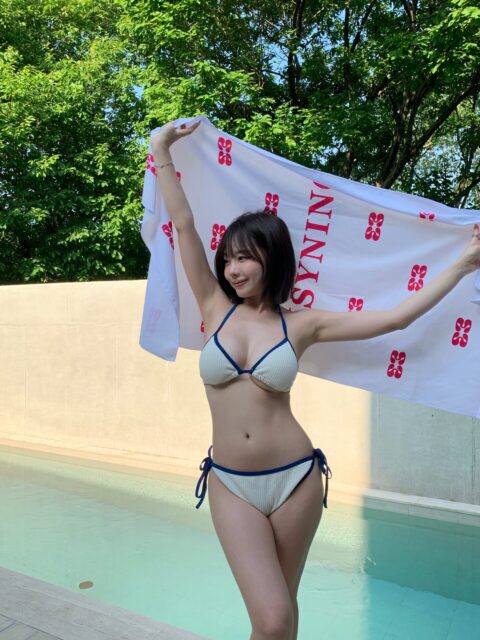
Responding to the perceived suppression, Hong Young Ki articulated a strong stance on personal freedom. "I got so angry that I wanted to dress even more provocatively. When freedom is suppressed, I just want to break free even more," she stated passionately. She recounted an attempt to turn the tables on her husband, telling him, "You also only wear the clothes I tell you to wear." However, Lee Se Yong reportedly refused, asserting his own sartorial independence. Hong Young Ki used this anecdote to emphasize the double standard, stating, "He has his own style, but so do I. My husband thought it was unfair since I didn’t do what he told me to." She further clarified her motivations, asserting, "I’m not dressing like this to attract men’s attention. These clothes just represent my style." This declaration firmly positions her fashion choices as an act of self-definition rather than a bid for external validation.

Hong Young Ki: A Profile in Influence and Entrepreneurship
To fully appreciate the context of Hong Young Ki’s revelations, it is essential to understand her prominent position within the South Korean media and business landscape. Born in 1992, Hong Young Ki rose to fame as an early pioneer of the "ulzzang" (best face) phenomenon, a trend that saw aesthetically pleasing individuals gain celebrity through online platforms, often before the advent of mainstream social media influencers. Her youthful charm and approachable persona quickly garnered a massive following, transitioning her from an internet personality to a recognized television star, appearing on various entertainment programs.
Beyond her initial foray into entertainment, Hong Young Ki demonstrated significant entrepreneurial acumen. She leveraged her public profile and understanding of youth culture to establish a successful fashion and beauty brand, Kisyning, where she serves as CEO. Kisyning is known for catering to contemporary trends and has thrived in the competitive South Korean e-commerce market. This career trajectory positions her not just as a celebrity, but as a savvy businesswoman who has meticulously cultivated her brand and image over many years. Her success as a "momfluencer" – a mother who influences through social media – is particularly noteworthy in a society that often places specific expectations on married women and mothers. She has consistently challenged traditional norms by maintaining a vibrant public presence and a distinctive personal style, all while navigating the responsibilities of motherhood to her two sons, Jae Won and Jae Min. Her journey from an online sensation to a CEO and public figure with a family underscores her multifaceted identity and the evolving roles of women in modern South Korea.
Societal Context: Fashion, Modesty, and Autonomy in South Korea
Hong Young Ki’s narrative resonates deeply within the broader societal context of South Korea, where discussions around women’s fashion, modesty, and personal autonomy are ongoing and often complex. Historically, conservative values have influenced perceptions of appropriate dress, particularly for married women and mothers, who were traditionally expected to embody a certain demureness. However, South Korea has also witnessed a rapid modernization and a growing global influence, leading to a dynamic fashion industry and an increasingly vocal younger generation advocating for individual expression.
The rise of the influencer economy, of which Hong Young Ki is a prime example, has further pushed these boundaries. Influencers often thrive on showcasing unique personal styles, and their livelihoods can be intrinsically linked to their public image. This creates a tension between traditional expectations and the demands of a modern, image-driven career. For "momfluencers" like Hong Young Ki, this tension is often magnified, as they balance their roles as mothers and wives with their public persona, which might challenge conventional notions of maternal presentation. The incident of her husband tearing her clothes, while an extreme example, symbolizes the internal and external pressures many women face when their personal expression clashes with the expectations of their partners or society at large. It brings to the forefront questions about control within relationships and the right of an individual, particularly a woman, to define her own image.

The Nuance of Family Dynamics: Husband vs. Sons
The differing reactions within Hong Young Ki’s own family offer a microcosm of these broader societal shifts. Her husband, Lee Se Yong, representing an earlier perspective, initially reacted with possessiveness and an attempt to control her appearance, driven by discomfort with external male attention. While the act of tearing clothing is an alarming manifestation of this control, it stems from a jealousy that, in some traditional interpretations, might be seen as a misguided expression of protection or ownership. His refusal to accept similar control over his own clothing further highlights a gendered double standard that Hong Young Ki explicitly called out.
In stark contrast, her two sons, Jae Won and Jae Min, exhibit remarkably different, and arguably more contemporary, perspectives. Hong Young Ki shared their reactions, stating, "My youngest son acts like a boyfriend, pulling up my clothes if they show a little cleavage." This seemingly protective gesture from her youngest son, while still a form of intervention, is framed with a youthful innocence and perhaps a nascent understanding of societal norms regarding modesty. More significantly, her eldest son’s response brought laughter and a poignant commentary on evolving values: "My eldest son says, ‘You should respect mom’s freedom rights.’" This statement is particularly powerful, demonstrating a grasp of individual rights and personal autonomy that transcends traditional expectations. It reflects a generational shift where concepts of freedom, respect, and self-expression are increasingly internalized from a young age, suggesting a future where such conflicts might become less prevalent. The sons’ reactions underscore the dynamic nature of family values and the ongoing dialogue within households about personal boundaries and mutual respect.
Public Discourse and Broader Implications
Hong Young Ki’s candid sharing of her experiences has predictably sparked considerable discussion across South Korean online communities and media outlets. The revelation of the "torn clothes" incident, in particular, has drawn both sympathy for Hong Young Ki and criticism for her husband’s actions, with many viewing it as an infringement on her personal autonomy and an unacceptable display of controlling behavior.
The incident serves as a stark reminder of the challenges women, especially those in the public eye, face in navigating personal expression within traditional relationship frameworks. It has fueled conversations about:

- Marital Respect and Boundaries: The importance of mutual respect and establishing clear boundaries within a marriage, particularly concerning individual choices and personal freedom.
- Gendered Expectations: The persistent double standards regarding personal appearance and autonomy, where women often face greater scrutiny and pressure to conform.
- The Role of Public Figures: How celebrities and influencers can use their platforms to initiate important societal dialogues and challenge prevailing norms. Hong Young Ki’s willingness to share such a private and potentially embarrassing detail highlights her commitment to authenticity and her role as an advocate for self-expression.
- Evolving Masculinity: The differing reactions of her husband and sons also open a window into evolving notions of masculinity and partnership in South Korea. The older generation’s protective, sometimes controlling, tendencies are contrasted with a younger generation’s embrace of individual rights and respect for personal choices.
- The Power of Narrative: Hong Young Ki’s story reinforces the power of personal narratives in shaping public opinion and fostering empathy, allowing individuals to connect with the complexities of real-life experiences beyond curated online personas.
This incident, while deeply personal, has broader implications for the ongoing cultural shift in South Korea, highlighting the tension between traditional values and modern individualism. As the country continues its rapid social evolution, the voices of figures like Hong Young Ki contribute significantly to the dialogue surrounding women’s rights, personal freedom, and the definition of a respectful partnership in the 21st century. Her journey, marked by both professional success and personal struggles, offers a compelling case study of navigating identity in an increasingly scrutinized public sphere. The conversation she has bravely initiated is likely to continue, prompting further reflection on how society supports or constrains individual expression, particularly for women who dare to define their own style.

