
 By Layla Zulfa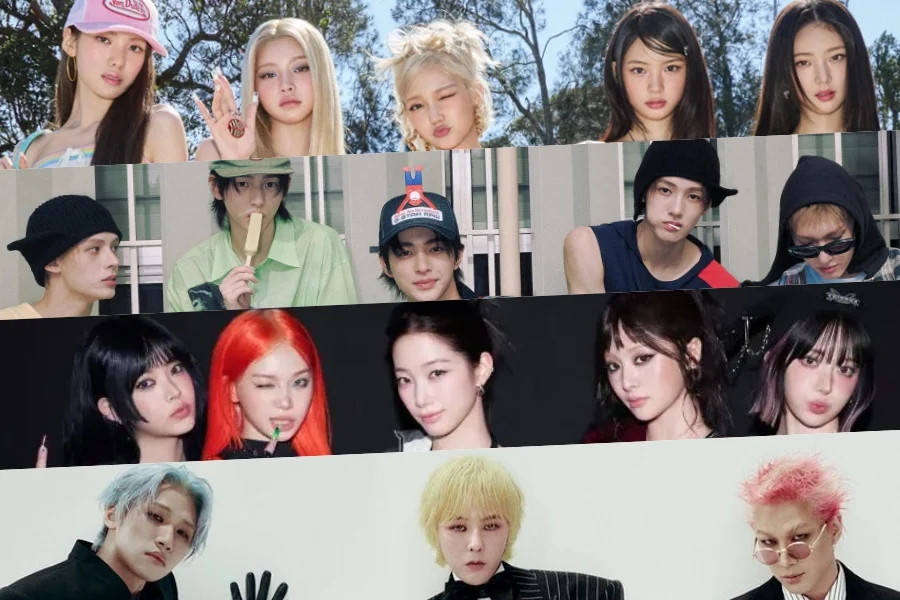
The digital landscape is currently experiencing a significant surge in Millennial nostalgia, a phenomenon particularly evident in the resurgence of early 2010s K-pop party anthems. This trend is not merely a fleeting interest but a testament to the enduring appeal of a specific sonic era characterized by its vibrant electronic dance music (EDM) influences, distinctive vocal processing, and infectious, dance-centric rhythms. This article delves into the re-emergence of these sounds, exploring their impact on contemporary music and providing a detailed look at key tracks that are spearheading this revival.
The Sonic Landscape of the Early 2010s K-Pop Party Scene
The early 2010s marked a pivotal period for K-pop’s global expansion. As the "Hallyu Wave" gained momentum, K-pop acts began to experiment with sounds that resonated with international audiences. The party anthem genre, in particular, flourished, drawing inspiration from Western EDM, pop, and hip-hop trends. These tracks were designed for maximum impact, prioritizing catchy hooks, high-energy production, and an irresistible urge to dance. Key sonic elements included:
- EDM Infusion: The pervasive influence of electronic dance music was undeniable. Tracks often featured synthesized beats, pulsating basslines, and build-ups leading to euphoric drops.
- Autotune and Vocal Processing: Stylistic use of autotune and other vocal effects became a signature. Rather than merely correcting pitch, it was employed as an artistic tool to create a unique, often futuristic or stylized vocal texture.
- Repetitive and Catchy Hooks: The lyrical content, while sometimes simple, was designed for memorability. Repetitive phrases and easily singable melodies ensured that these songs would stick in listeners’ minds.
- The "Party Vibe": The overarching theme was celebration and exhilaration. Lyrics often revolved around themes of dancing, having fun, and letting loose.
- Visual Spectacle: Music videos from this era were known for their bold fashion choices, vibrant sets, and energetic choreography, further cementing the "party" aesthetic.
This era of K-pop was instrumental in solidifying the genre’s presence on the international stage, paving the way for the global dominance seen today. The current revival suggests that these foundational sounds continue to hold cultural relevance and appeal to a new generation of listeners, as well as those who grew up with them.
Charting the Comeback: Six Tracks Leading the Nostalgia Wave
Several recent releases have successfully tapped into this nostalgic vein, reinterpreting the 2010s party sound for a contemporary audience. These tracks demonstrate a thoughtful engagement with the era’s sonic signatures while incorporating modern production techniques.
1. KiiiKiii – "Pop Off Pop Off"
KiiiKiii’s comeback single, "Pop Off Pop Off," is a prime example of a track designed to evoke the spirit of the early 2010s. The song masterfully blends EDM elements with understated vocal melodies, enhanced by a stylistic use of autotune. This combination creates an undeniably danceable track, described as an instant mood-booster. The music video’s fashion choices further amplify this throwback aesthetic, contributing to its overall "throwback chic" appeal. The track’s structure, with its emphasis on a strong beat and repetitive, infectious chorus, is characteristic of the party anthems that defined the previous decade. This approach suggests a deliberate strategy to capture the essence of what made those songs popular, aiming for a similar emotional and energetic response from listeners.
2. BIGBANG – "Biiig"
As pioneers of the 2010s K-pop party scene, BIGBANG’s return with "Biiig" was met with considerable anticipation. The song presents a surprisingly laid-back yet undeniably groovy track, allowing the bassline beneath the chorus to take center stage. This accessible groove makes it a track that "anyone can get down with." The vocal lines are deliberately simple and smooth, engineered for maximum earworm potential. This simplicity, often a hallmark of successful party tracks, ensures immediate engagement and replayability. BIGBANG’s legacy in this genre lends significant weight to their contemporary releases, suggesting that their established sound continues to resonate, appealing to both long-time fans and newer audiences seeking authentic 2010s vibes.
3. BABYMONSTER – "SUGAR HONEY ICE TEA"
BABYMONSTER’s "SUGAR HONEY ICE TEA" immediately signals its 2010s party anthem intentions with its opening, classic autotune slide. The track is engineered for infectious memorability, becoming a song that "will get super stuck in your head, but in the best way possible." Its deceptive simplicity belies a sophisticated production that makes it easy to dance to in any setting. The song culminates in a powerful party remix, providing a dynamic and energetic conclusion. This approach highlights how newer groups are not just mimicking past sounds but are actively engaging with them to create fresh interpretations. The inclusion of a "party remix" further underscores the genre’s emphasis on extended celebratory energy.
4. SEVENTEEN’s BSS (BooSeokSoon) – "Fighting (feat. Lee Young Ji)"
While the original article referenced SEVENTEEN’s V8 and "singasong," it’s important to clarify that V8 is not a recognized subunit, and "singasong" is not a released SEVENTEEN track. However, the spirit of blending 2010s party sounds with other influences is exemplified by SEVENTEEN’s sub-unit BSS (BooSeokSoon), particularly their hit song "Fighting (feat. Lee Young Ji)." This track, released in 2023, captures a distinctively upbeat and motivational energy reminiscent of early 2010s K-pop. The song masterfully blends a retro-inspired synth melody with a driving beat, creating an infectious and uplifting atmosphere. The collaboration with rapper Lee Young Ji adds a modern edge, showcasing a dynamic interplay between vocal and rap performances that was common in the early 2010s. The lyrics, focused on encouragement and perseverance, contribute to its feel-good, party-ready vibe. The song’s vibrant music video, featuring energetic choreography and a playful narrative, further reinforces its connection to the visual and sonic aesthetics of the era. "Fighting" achieved significant commercial success, topping charts in South Korea and demonstrating the enduring appeal of this sound when executed with contemporary flair. The song’s fusion of cheerful melodies, rap verses, and a strong, danceable rhythm makes it a compelling example of how the 2010s party anthem can be reinterpreted for today’s music scene.
5. LE SSERAFIM – "CELEBRATION"
LE SSERAFIM’s "CELEBRATION" offers a compelling contrast between its heavy EDM backing and light, airy vocals. This juxtaposition creates a track that is both exhilarating and accessible, avoiding an overwhelming sonic experience. The result is described as "2010s perfection," with a chorus that is "sooo club-coded." This song appeals to a broad demographic, resonating with both those who experienced the 2010s firsthand and younger listeners discovering the era’s sounds. The "club-coded" nature of the chorus suggests an intentional design for widespread appeal and danceability, a key characteristic of successful party tracks. The track’s ability to balance intense production with delicate vocal delivery highlights a sophisticated understanding of the genre’s nuances.
6. CORTIS – "REDRED"
CORTIS’s debut comeback with "REDRED" is hailed as achieving the "peak 2010s party track" with their very first release. "REDRED" is characterized as an earworm, compelling listeners to repeat it, complemented by equally mesmerizing choreography. The song’s stylized, autotune-heavy vocal line is a direct nod to the sounds familiar to Millennials. The backing track manages to be both fresh and nostalgic, a difficult balance to strike. This achievement suggests that new artists are not simply rehashing old ideas but are innovating within the framework of past successes, creating music that feels both familiar and new. The dual quality of "fresh and nostalgic" points to a successful integration of contemporary production values with the core sonic identity of the 2010s party anthem.
Supporting Data and Market Trends
The resurgence of these sounds is not an isolated incident but is occurring within a broader cultural context. The early 2010s represent a significant period in the lives of many Millennials, a demographic now in their late twenties to early forties, who are increasingly influential in consumer markets. This age group often possesses disposable income and a strong desire to reconnect with the cultural touchstones of their youth.
Data from streaming platforms and social media trends support this observation. Playlists dedicated to "2010s Throwbacks" or "Early K-Pop Hits" are consistently popular. Furthermore, the rise of TikTok challenges and dance trends often draws inspiration from music of this era. The economic implications are significant, as music labels and artists recognize the commercial potential of catering to this nostalgic demand. This can lead to increased investment in comebacks that deliberately evoke past eras, as well as the re-release or remastering of older catalog content.
The K-pop industry, known for its adaptability and keen understanding of market trends, has strategically capitalized on this phenomenon. Newer groups are being positioned to incorporate these sonic elements, while established artists are revisiting their signature sounds. This creates a cyclical effect, where the past informs the present, and the present reinterprets the past for a new audience.
Background Context: The Evolving K-Pop Landscape
The early 2010s were a transformative period for K-pop. Following the initial waves of the "Korean Wave" in the late 1990s and early 2000s, the genre was solidifying its identity and expanding its reach. Groups like BIGBANG, Girls’ Generation, and 2NE1 were instrumental in defining the sound and visual aesthetic of this era. Their music often blended diverse genres, including hip-hop, R&B, and EDM, to create a unique K-pop sound that appealed globally.
The success of these artists in international markets, particularly in Asia and then increasingly in North America and Europe, set the stage for the global phenomenon that K-pop is today. The emphasis on high-quality music production, visually stunning music videos, and meticulously crafted performances became hallmarks of the industry. The "party anthem" subgenre within K-pop during this time was particularly effective in its accessibility and broad appeal, serving as an entry point for many new fans into the genre.
The current revival of these sounds can be seen as a validation of the creative decisions made during this period. It suggests that the sonic innovations and artistic choices of the early 2010s were not merely trends but laid the groundwork for enduring musical styles. The fact that contemporary artists are successfully reinterpreting these sounds indicates a healthy and evolving industry that can draw from its own history to create new music.
Broader Impact and Implications
The resurgence of 2010s K-pop party anthems has several broader implications:
- Intergenerational Appeal: This trend bridges generational divides. Millennials are re-engaging with music that defined their formative years, while younger generations are discovering these sounds through current artists, fostering a shared appreciation for K-pop’s musical evolution.
- Creative Reinterpretation: The success of these comebacks suggests that nostalgia is not about static replication but about creative reinterpretation. Artists are successfully blending past sonic elements with contemporary production techniques and artistic sensibilities, resulting in music that feels both familiar and fresh.
- Economic Opportunities: The demand for these sounds presents significant economic opportunities for artists, music labels, and related industries. This includes merchandise, concert tours, and brand collaborations that leverage the nostalgic appeal.
- Cultural Dialogue: The revival fosters a deeper cultural dialogue about the impact and legacy of specific musical eras. It prompts discussions about what makes certain sounds enduringly popular and how music shapes identity and memory.
- Influence on Future Music: The sustained popularity of these nostalgic sounds may influence future K-pop productions. Artists and producers might continue to draw inspiration from the sonic characteristics of the early 2010s, integrating them into new and innovative ways.
In conclusion, the current wave of 2010s K-pop party anthems is more than just a fleeting trend; it is a significant cultural moment reflecting the enduring power of music to evoke nostalgia and connect generations. As artists continue to explore and reinterpret these vibrant sounds, the legacy of the early 2010s K-pop scene is being not only remembered but actively celebrated and reinvented for the modern era. The infectious beats, memorable melodies, and celebratory spirit that defined this era continue to resonate, proving that some party tracks are simply timeless.

