
 By Asep Darmawan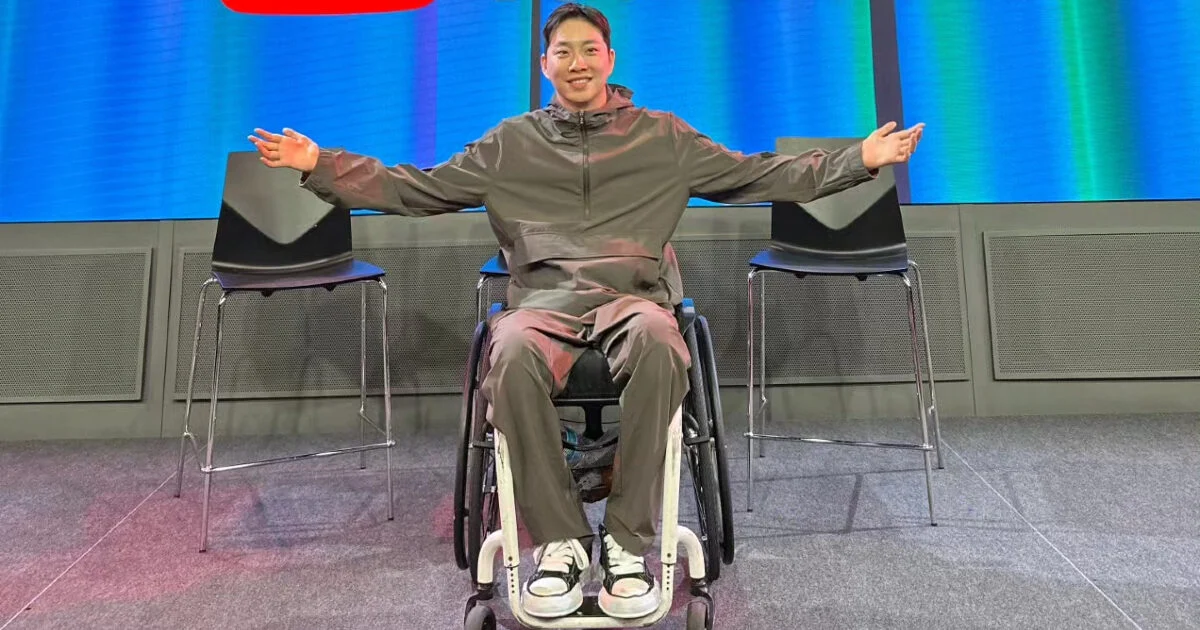
The digital landscape has once again become a crucible for public scrutiny, with prominent YouTuber Park We at the epicenter of a rapidly escalating controversy that has seen him lose significant subscriber numbers, face unverified allegations of past misconduct, and experience a visible decline in public standing. The initial catalyst for the widespread backlash was a now-deleted CCTV video posted by Park We, involving a KTX social service agent, which ignited a fierce debate over privacy, public shaming, and influencer ethics. This incident, occurring recently, quickly spiraled, drawing intense criticism to his YouTube channel, "Wearcle," and subsequently unearthing claims regarding his high school past, allegations that have been both vehemently asserted and robustly refuted by individuals identifying as his former classmates. The ripple effects of this controversy have extended beyond Park We himself, significantly impacting his wife, K-Pop idol Song Jieun, and leading to the couple’s voluntary resignation from their roles as Seoul city promotional ambassadors, underscoring the severe implications public figures face in the unforgiving realm of online discourse.
The KTX CCTV Incident: A Catalyst for Controversy
The genesis of the current maelstrom traces back to a video Park We uploaded to his popular YouTube channel, "Wearcle." While the precise details of the video’s content remain somewhat opaque following its swift deletion, reports indicate it featured CCTV footage involving a KTX (Korea Train eXpress) social service agent. The act of posting such footage, particularly without explicit consent from the individual depicted, immediately triggered a torrent of criticism from netizens and media outlets alike. Public outcry centered on fundamental questions of privacy invasion, the potential for misrepresentation of public service personnel, and the ethical responsibilities of content creators who wield substantial influence.
In an era where digital content creation often blurs the lines between private and public spheres, the decision by a YouTuber with a massive following to share unconsented CCTV footage was widely perceived as a severe lapse in judgment. Critics argued that such actions could be construed as a form of public shaming or an attempt to manipulate public perception against an individual who, by the nature of their work, is subject to public scrutiny but not necessarily public vilification via social media. The incident quickly became a textbook example of the ethical dilemmas facing influencers: the power to disseminate information to millions comes with a commensurate duty to ensure that content is not only engaging but also respectful of individual rights and societal norms. The rapid deletion of the video by Park We himself, while perhaps an attempt to mitigate the damage, was interpreted by many as an acknowledgment of the content’s problematic nature, further fueling the public’s negative reaction. The immediate aftermath saw a notable decline in his subscriber count, a stark indicator of the audience’s disapproval and a tangible consequence of the controversy.
Emergence of School Violence Allegations and the "Wearcle" Channel Under Siege
As the initial criticism over the KTX video continued to mount, the scrutiny of Park We intensified, leading to a deep dive into his past online activities and public remarks. This investigative fervor, often characteristic of online "cancel culture," swiftly resurfaced old videos, social media posts, and comments, subjecting them to renewed examination. It was within this environment that more serious allegations began to surface on his YouTube channel, "Wearcle," and subsequently proliferated across various online communities.
Individuals claiming to be former classmates of Park We from Yongsan High School began to post comments detailing alleged incidents from his youth. One particularly striking claim stated, "We are classmates from Yongsan High School. There were rumors that he returned to school after being released from a juvenile detention center." This assertion, while lacking immediate corroborating evidence, immediately captured public attention due to its grave implications regarding past legal troubles and potential behavioral issues. The sensitivity surrounding juvenile detention and its societal stigma in South Korea ensured these claims gained rapid traction.
Adding to the gravity of the situation, another anonymous commenter accused Park We of inflicting injuries that necessitated four weeks of medical treatment during his second year of high school, a statement widely interpreted as an allegation of school bullying. School violence, or "hakgyo pokryeok" (학폭), is an intensely sensitive and frequently discussed issue in South Korean society, especially concerning public figures. Revelations of past bullying can lead to severe public condemnation, career damage, and social ostracism. The allegations against Park We, therefore, tapped into a deeply rooted societal concern, amplifying the existing backlash and transforming it into a multi-faceted crisis of character and public trust. While the credibility of these anonymous online claims remained unverified and therefore doubtful at the time of their emergence, their rapid dissemination across online communities ensured that they became a significant part of the ongoing narrative, further tarnishing Park We’s public image. The speed at which such unconfirmed allegations can spread and impact public perception in the digital age highlights both the power and the peril of online platforms.
The Counter-Narrative: A Defense of Character
Amidst the swirling allegations of past misconduct and the widespread public condemnation, a contrasting narrative emerged, offering a staunch defense of Park We’s character and directly refuting the claims of school violence. This counter-perspective also originated from individuals identifying themselves as former classmates from Yongsan High School, creating a perplexing dichotomy of testimonials that further complicated the public’s understanding of the situation.
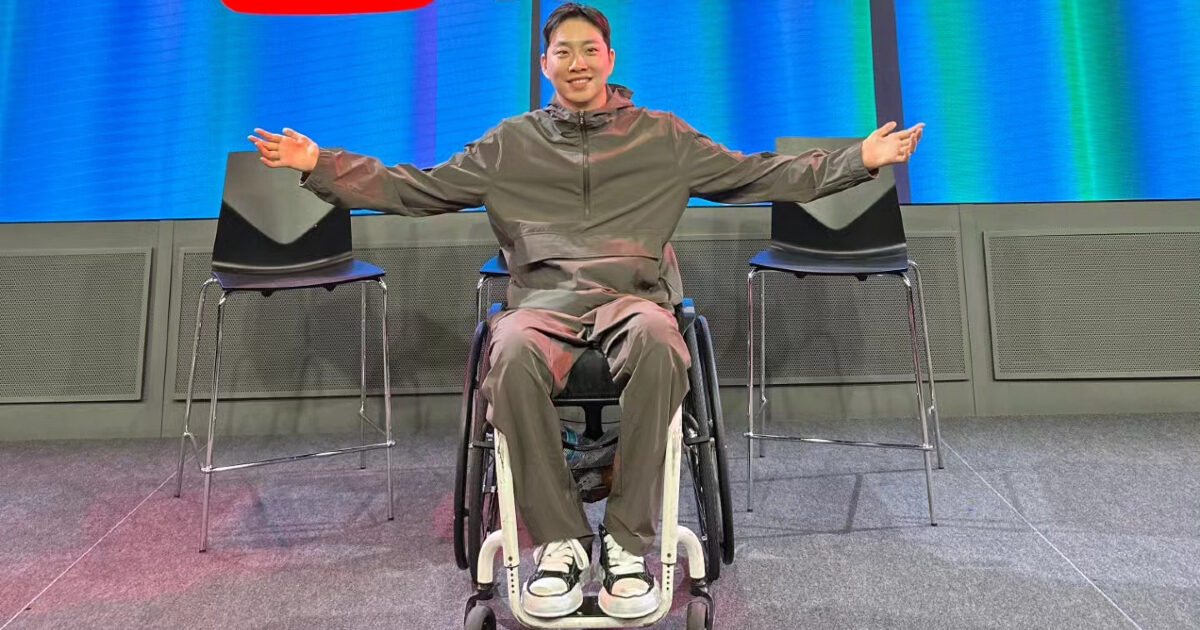
These defenders presented a starkly different image of Park We, one that portrayed him as a victim of a tragic accident rather than a perpetrator of violence. They asserted, "Park We is a classmate who was paralyzed from the neck down, and we even visited him in the hospital at the time of the accident. He is a person completely unrelated to school violence or bullying." This statement introduces a crucial piece of biographical information – a severe physical disability – which, if accurate, would profoundly reframe any understanding of his past. The implication is that the alleged "juvenile detention" or "bullying incident" might be misconstrued or entirely fabricated, given the significant life-altering event that seemingly defined a period of his youth.
To bolster their claims, these classmates provided further details, stating, "About 40 Yongsan High classmates visited the hospital then. He is truly a positive and kind-hearted friend." The mention of a large group of classmates visiting him in the hospital serves as a form of collective witness, suggesting widespread support and camaraderie, which would be unlikely for someone known for bullying or violent behavior. This collective testimony aims to paint a picture of a compassionate and well-liked individual, directly contradicting the accusations of a troubled past.
The emergence of these two diametrically opposed narratives underscores the challenges of verifying information in the digital age, particularly when anonymous sources are involved. While the initial allegations presented a damaging portrayal, the defense offers a compelling counter-argument, rooted in a significant personal tragedy that would logically preclude involvement in the alleged violent incidents. The veracity of both sets of claims remains a central point of contention, leaving the public to grapple with conflicting accounts and raising questions about the motivations behind both the accusations and the defenses. This situation exemplifies the complex nature of online controversies, where truth can be elusive amidst a cacophony of voices and unverified claims.
Timeline of Key Events and Escalation
The controversy surrounding Park We unfolded rapidly, demonstrating the accelerated pace of information dissemination and public reaction in the digital era.
- Recent Past: Park We uploads a CCTV video involving a KTX social service agent to his YouTube channel, "Wearcle."
- Immediately After Upload: The video sparks immediate backlash from viewers and online communities, raising ethical concerns about privacy and influencer conduct.
- Shortly After: Park We deletes the controversial KTX video, though the act of deletion does little to quell the mounting criticism.
- Ongoing Backlash (Days Following): Criticism intensifies, leading to a noticeable decline in Park We’s subscriber count and extensive negative commentary on his channel.
- Emergence of Allegations: Anonymous individuals, claiming to be former Yongsan High School classmates, begin posting comments on "Wearcle" and various online communities, alleging past school violence, including rumors of juvenile detention and physical injury to another student.
- Rapid Dissemination: Posts capturing these unverified allegations quickly spread across a multitude of online communities, becoming a central focus of the controversy.
- Counter-Allegations: Simultaneously, other individuals, also claiming to be Yongsan High School classmates, emerge to defend Park We, refuting the school violence claims and detailing his past paralysis accident, asserting his kind character.
- Collateral Impact on Family: The backlash extends to Park We’s wife, K-Pop idol Song Jieun, who begins receiving malicious comments related to her husband’s actions and the controversy.
- Official Resignation: The couple, Park We and Song Jieun, voluntarily resign from their honorary roles as Seoul city promotional ambassadors, signaling the severe real-world consequences of the digital uproar.
- Present (Nearly Ten Days On): The intense backlash and scrutiny continue, with public debate ongoing regarding the veracity of the claims and the broader implications for public figures.
This chronological progression highlights how a single controversial act by an influencer can quickly trigger a cascading series of events, drawing in past allegations, impacting family members, and leading to the relinquishment of public roles, all within a compressed timeframe.
Broader Impact and Collateral Damage: Song Jieun and Public Roles
The fallout from Park We’s controversy has not been confined to the YouTuber himself but has regrettably extended to his wife, Song Jieun, a respected K-Pop idol. This phenomenon of "collateral damage," where the actions of one public figure adversely affect their partners or family members, is a recurring theme in the digital age. Song Jieun, known for her career in music, found herself targeted by malicious comments, with netizens admonishing her to "keep your husband in check." This directed criticism, based solely on her marital connection to Park We, highlights the often-unjust nature of online scrutiny, where individuals are held accountable for the perceived transgressions of others. The volume and severity of such comments can have a significant psychological toll, underscoring the darker side of public discourse.
Furthermore, the controversy directly led to the couple’s joint decision to voluntarily resign as Seoul city promotional ambassadors. This role, typically bestowed upon public figures to leverage their influence for positive civic engagement and city promotion, demands an unblemished public image. When that image is tarnished by scandal, even unverified allegations, the effectiveness and integrity of their ambassadorial duties become compromised. The voluntary resignation, therefore, can be interpreted as an acknowledgment of the severity of the situation and an attempt to prevent further reputational harm to the Seoul metropolitan government, which relies on its ambassadors to project a positive image. This incident serves as a poignant reminder of the high standards of conduct expected from public figures, especially those holding honorary civic titles, and the swift repercussions that can follow when those standards are perceived to be breached. The loss of such a prestigious public role not only represents a professional setback but also a symbolic withdrawal from a position of trust and responsibility within the community.
Legal and Ethical Dimensions in the Digital Sphere
The Park We controversy illuminates several critical legal and ethical considerations pertinent to the digital age. At its core, the initial KTX CCTV video incident raises profound questions about privacy rights. The act of recording and publicly disseminating footage of an identifiable individual without their explicit consent, particularly in a professional setting, often verges on or crosses legal boundaries related to privacy infringement and defamation. While public figures are subject to higher scrutiny, this does not grant unfettered permission for their unconsented capture and broadcast, especially for individuals not seeking the limelight. Platforms like YouTube have policies against harassment and privacy violations, and the rapid deletion of the video suggests an awareness of its problematic nature.
The subsequent school violence allegations introduce another layer of legal complexity, particularly concerning defamation. Anonymous online accusations, while quickly spread, carry significant legal risks for the accusers if they are found to be false and damaging to the subject’s reputation. South Korean law, like many others, provides recourse for individuals whose reputation has been harmed by false statements, even those made anonymously. The challenge lies in identifying anonymous accusers and proving the falsity of their claims, a process often fraught with difficulty. Conversely, if the allegations were to be substantiated, they would carry their own set of legal consequences for the accused. The conflicting testimonies from alleged classmates further complicate any potential legal pursuit, highlighting the evidentiary hurdles inherent in online disputes.
From an influencer accountability standpoint, the incident underscores the growing demand for ethical content creation. As digital creators amass millions of followers, their impact on public discourse and individual lives intensifies. This power comes with a responsibility to uphold ethical standards, respect privacy, and ensure factual accuracy, especially when interacting with or portraying members of the public. The backlash against Park We signals a public increasingly intolerant of perceived ethical breaches by those who profit from public attention. The rapid loss of subscribers and public roles serves as a powerful deterrent and a call for greater self-regulation within the influencer community.
Finally, the targeting of Song Jieun with malicious comments highlights the ongoing battle against cyberbullying and online harassment. While freedom of speech is a fundamental right, it does not extend to hate speech, personal attacks, or threats. Malicious comments, especially those that cross the line into harassment, are often illegal and can have severe psychological impacts on victims. This aspect of the controversy reiterates the need for stronger platform moderation and greater legal enforcement against those who misuse online spaces to inflict harm. The entire saga reflects the evolving legal and ethical landscape of the digital world, where personal conduct, public perception, and online responsibility are increasingly intertwined.
The Digital Age and the Scrutiny of Public Figures
The Park We controversy serves as a stark illustration of the intense and often unforgiving scrutiny faced by public figures in the digital age, a phenomenon frequently termed "cancel culture." In contemporary society, a single misstep, a controversial statement, or even unverified allegations from the past can trigger a rapid and widespread public backlash that can severely damage reputations and careers.
"Cancel Culture" and its Mechanisms: The incident exemplifies how online communities can swiftly mobilize to collectively condemn and effectively "cancel" individuals perceived to have transgressed social or ethical norms. The speed at which the KTX video’s criticism escalated, followed by the deep dive into Park We’s past, demonstrates the power of collective online action. Platforms like YouTube and various online forums act as accelerators for this process, allowing for instantaneous sharing of information, opinions, and calls for accountability. This collective action, while sometimes serving as a mechanism for justice or demanding greater accountability from public figures, can also devolve into mob mentality, where unverified claims gain undue prominence and individuals face disproportionate consequences.
The Challenge of Verification: A significant aspect of this controversy is the inherent difficulty in verifying anonymous online claims. The allegations of school violence, while serious, were made by unidentified individuals. In the absence of official investigations or concrete evidence, the public is left to weigh conflicting narratives. This creates a precarious situation where reputation can be irrevocably damaged by mere accusation, regardless of its veracity. The digital age, while democratizing information dissemination, has also made it challenging to discern truth from rumor, especially when emotional appeals and strong opinions dominate discourse.
The Longevity of Digital Footprints: The resurfacing of Park We’s past videos and social media posts highlights another critical aspect of the digital age: the permanence of online data. What was once posted or said, even years ago, can be "resurfaced" and recontextualized in the present, often without the original context or nuance. For public figures, this means that their entire digital history is subject to perpetual scrutiny, leaving little room for past mistakes or youthful indiscretions to remain private. This phenomenon places immense pressure on individuals, particularly those who grew up online, to maintain an impeccable digital record.
The multifaceted nature of the Park We saga—from an initial privacy breach to school violence allegations and the impact on family and public roles—encapsulates the complex and often brutal realities of navigating public life in the hyper-connected digital era. It underscores the urgent need for critical media literacy among consumers of online content and calls for greater responsibility from both content creators and the platforms that host them.
Conclusion: An Ongoing Battle for Public Trust
The controversy surrounding YouTuber Park We represents a multi-layered crisis, touching upon critical issues of influencer ethics, personal privacy, the enduring impact of past actions, and the volatile nature of public opinion in the digital age. What began as a contentious video involving a KTX social service agent rapidly expanded into a broader examination of Park We’s character, fueled by unverified yet widely circulated allegations of school violence and punctuated by a counter-narrative from other former classmates defending his integrity.
The repercussions have been immediate and far-reaching: a significant decline in his YouTube subscriber base, the targeting of his wife, Song Jieun, with malicious comments, and the couple’s resignation from their prestigious roles as Seoul city promotional ambassadors. These outcomes underscore the severe real-world consequences that can emanate from online controversies for public figures and their families.
As the backlash approaches its second week, the veracity of the school violence claims remains unconfirmed, leaving the public to navigate a complex landscape of conflicting accounts. This situation not only challenges the public to exercise discernment in the face of unverified information but also compels content creators to critically evaluate their ethical responsibilities and the profound impact their actions can have. The Park We saga stands as a potent reminder of the fragility of public trust, the enduring power of online scrutiny, and the ever-present demand for accountability from those who occupy the public spotlight in the unforgiving realm of digital media. The resolution of this complex narrative, whether through official statements, legal action, or a shift in public perception, remains to be seen, but its lessons resonate broadly across the landscape of modern celebrity and digital influence.

