
 By Raul Delapena Setiawan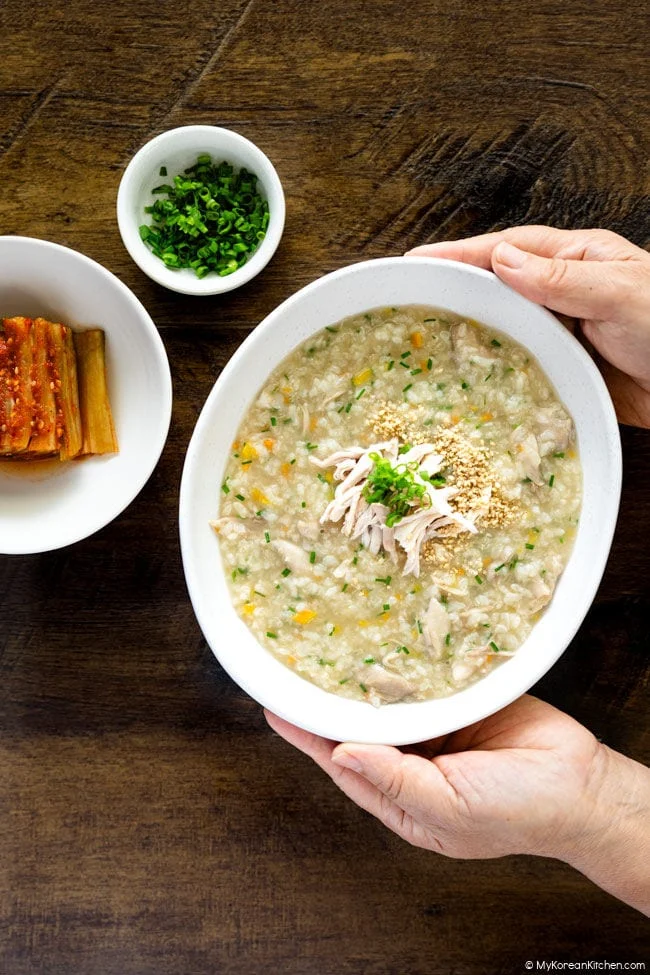
In the expansive landscape of Korean cuisine, few dishes command as much reverence for their restorative properties as dakjuk. A staple of the Korean kitchen, this savory chicken and rice porridge—literally translated from "dak" (chicken) and "juk" (porridge)—serves as far more than a simple meal. It is a culinary embrace, a therapeutic elixir often prepared for those recovering from illness, those seeking solace on a frigid winter day, or families looking for a gentle, nourishing start to a morning.
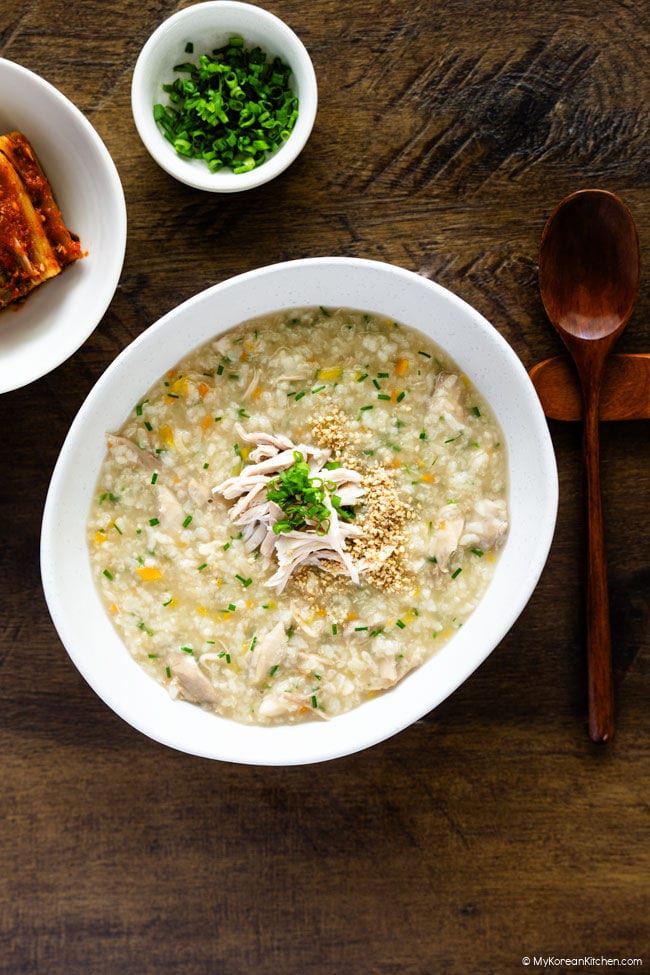
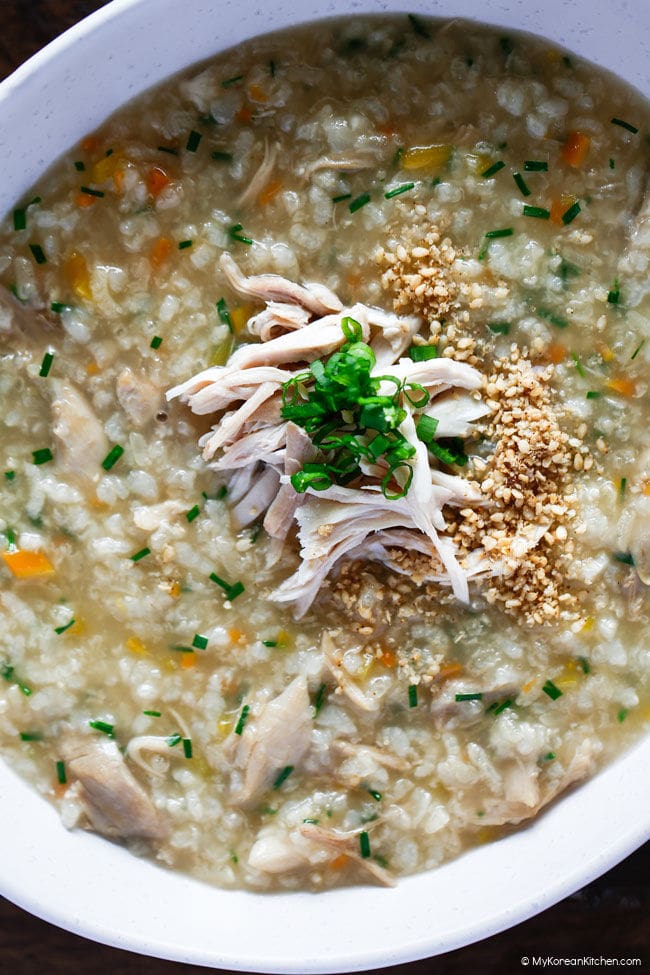
While its ingredients are humble, the methodology behind a truly exceptional bowl of dakjuk is rooted in meticulous technique. Achieving the perfect balance of tender, shredded chicken, a deeply savory broth, and rice grains that have surrendered their structure into a thick, velvety consistency requires patience and a practiced hand.
The Cultural Anatomy of Dakjuk: A Chronology of Comfort
The tradition of juk in Korea dates back centuries, evolving from a survival food during times of grain scarcity to a sophisticated culinary genre. In the royal courts of the Joseon Dynasty, various forms of juk were served to the monarch to maintain health and vitality.
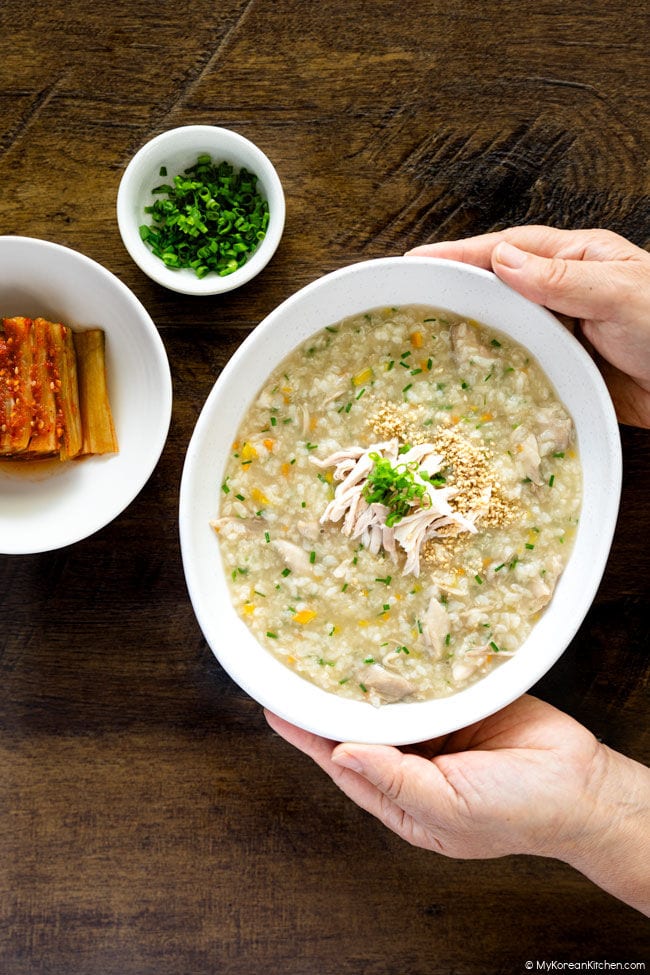
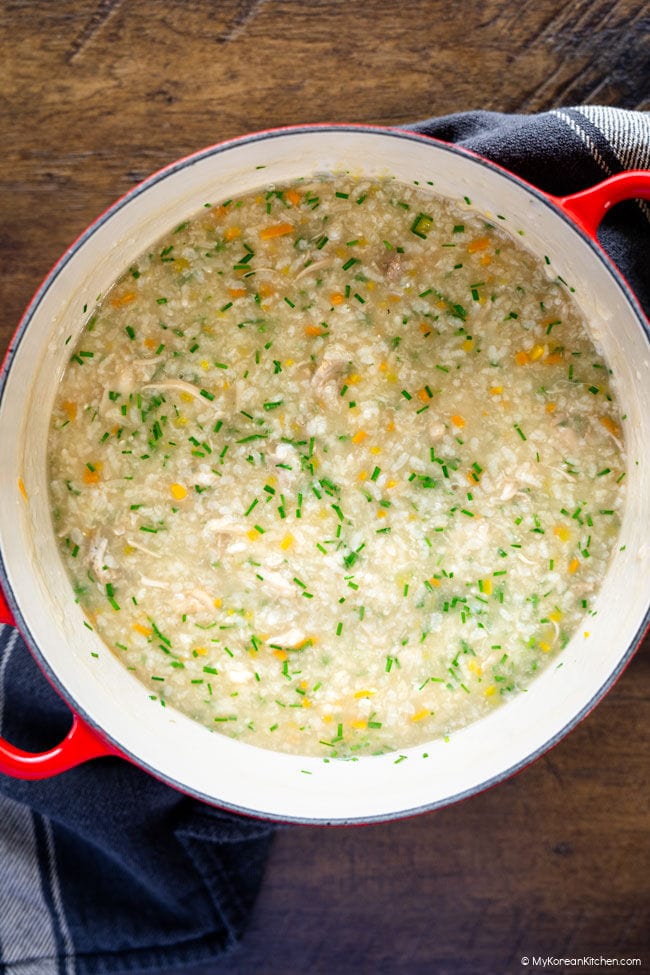
Dakjuk, specifically, has evolved into a domestic cornerstone. Its preparation follows a distinct, time-honored chronology that prioritizes the extraction of flavor from every component:
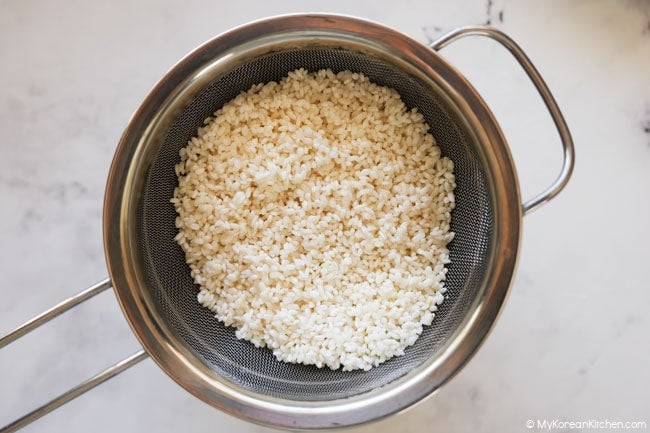
- Preparation and Soaking (The Foundation): The process begins with the careful selection of rice—a blend of glutinous and regular grains. Soaking for approximately one hour is non-negotiable; it ensures that the rice will break down uniformly, creating the signature creamy texture that distinguishes a well-made porridge from a simple soup.
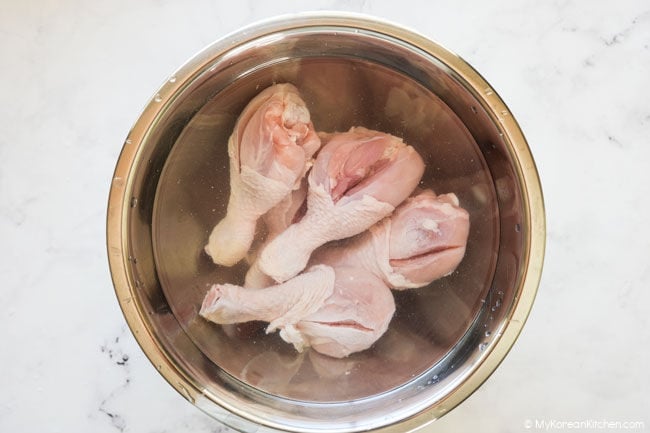
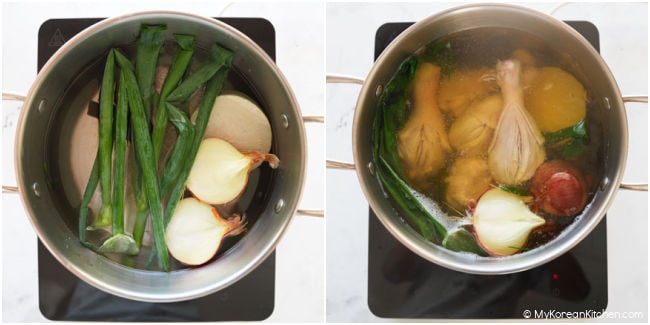
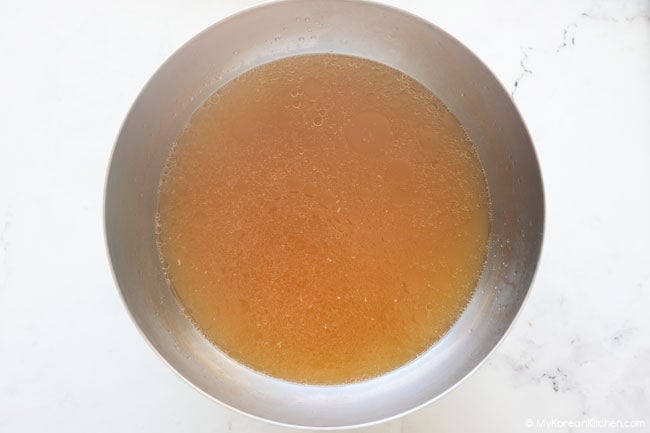
- The Extraction Phase: Chicken drumsticks are prepared with shallow incisions, often soaked in an acidic medium like vinegar and water to sanitize and tenderize the meat. The primary broth is built using a mirepoix of green onions, yellow onions, and Korean radish, providing a clean, aromatic base.
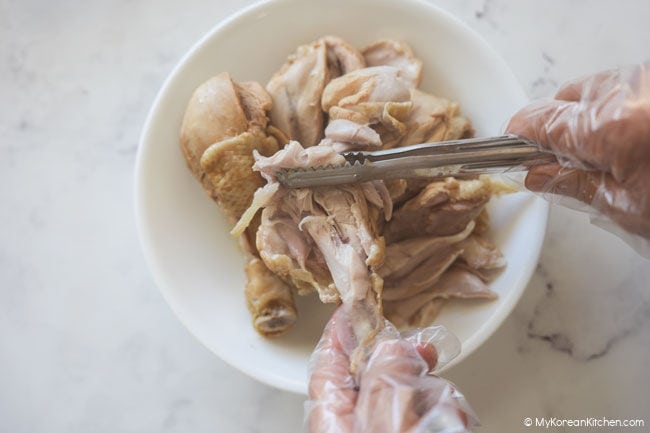
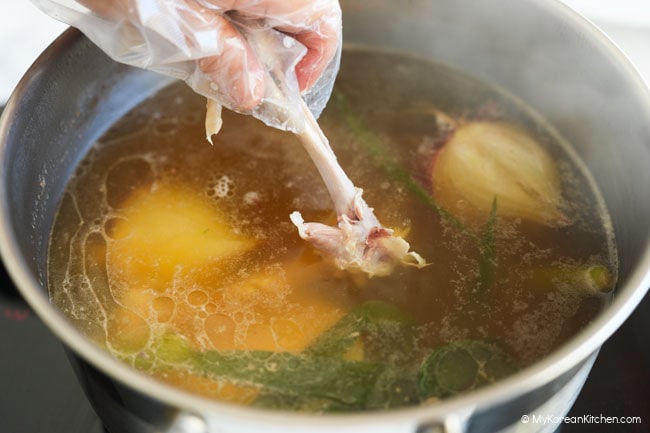
- The Interrupted Simmer: A critical juncture in the cooking process occurs at the 20-minute mark. To prevent the chicken from becoming stringy or dry, the meat is removed while the bones remain in the pot. This allows the collagen and marrow to continue leaching into the broth, resulting in a liquid that is both nutrient-dense and deeply flavorful.
- The Maillard Transformation: Before the liquid is introduced, the soaked rice is sautéed in toasted sesame oil. This step is a testament to the sophistication of Korean cooking; it adds a nutty, toasted dimension to the grains that would be impossible to achieve through boiling alone.
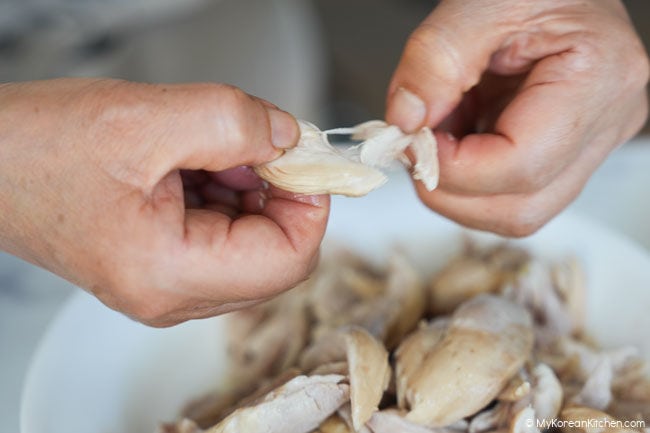
- The Final Emulsion: The porridge is finished by slowly reintroducing the shredded chicken and seasonal aromatics like garlic chives, creating a harmonious blend of textures and temperatures.
Supporting Data: The Nutritional Profile of a Bowl
Beyond its sensory appeal, dakjuk is a powerhouse of accessible nutrition. A single serving of approximately 499 calories offers a balanced macronutrient profile, making it an ideal recovery food.
- Protein Efficiency: With 29 grams of protein per serving, dakjuk provides the necessary amino acids for muscle repair, all while being presented in a format that is incredibly easy for the body to digest.
- Complex Carbohydrates: The combination of glutinous and regular rice provides sustained energy. The glutinous rice, in particular, contributes a viscous mouthfeel that coats the stomach, contributing to the "comforting" sensation associated with the dish.
- Micronutrient Density: The inclusion of radish, onions, and garlic chives introduces Vitamin A, Vitamin C, and essential minerals like iron and calcium. The use of sesame oil adds healthy monounsaturated fats, which are essential for nutrient absorption.
- Sodium and Electrolytes: The seasoning—typically a combination of soup soy sauce, salt, and sometimes anchovy fish sauce—replenishes electrolytes, which is why the dish is frequently recommended for those experiencing fatigue or minor illness.
Expert Perspectives: The Nuance of the Craft
Culinary experts emphasize that the success of dakjuk lies in the "looseness" of the final product. Unlike Western-style risottos or thick oatmeal, a professional-grade dakjuk should retain a fluid, pourable quality.
"The biggest mistake novices make is over-thickening," notes one culinary consultant. "Dakjuk is a living dish. It continues to hydrate and thicken even after it has been removed from the heat. If you finish it to the thickness you want in the pot, it will be a paste by the time you reach the table. It must be slightly loose, flowing slowly from the spoon."
The recommendation to reserve extra stock for reheating is a professional secret that maintains the integrity of the dish. By whisking in the reserved liquid, the cook can restore the original, silky consistency, ensuring that leftovers remain as vibrant as the initial serving.
Implications for the Modern Home Cook
The resurgence of interest in traditional Korean porridge reflects a broader global shift toward "slow food" and ancestral cooking methods. In an era of instant gratification, the two-hour commitment required to produce a proper dakjuk serves as a meditative practice.
The Role of Accompaniments
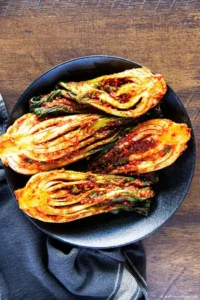
No assessment of dakjuk is complete without discussing the role of banchan (side dishes). The porridge is intentionally seasoned to be subtle, acting as a canvas for the bold, fermented flavors of kimchi. Whether paired with baechu-geotjeori (fresh cabbage kimchi salad) or the refreshing, sharp tang of dongchimi (radish water kimchi), the contrast between the warm, soft porridge and the cold, spicy, and acidic side dishes is a cornerstone of Korean gastronomic balance.
A Gateway to Korean Soups
Dakjuk serves as an accessible entry point for those interested in the broader world of Korean soups. Its methodology shares DNA with more complex dishes like Samgyetang (ginseng chicken soup), which is considered a medicinal "stamina food" in Korea. Once a cook masters the extraction of chicken essence and the texture of the rice, the transition to other traditional soups becomes significantly more intuitive.
Conclusion: More Than a Meal
Dakjuk is a testament to the Korean philosophy of yaksikdongwon—the belief that food and medicine share the same origin. It does not demand exotic ingredients or expensive cuts of meat; rather, it demands respect for the process.
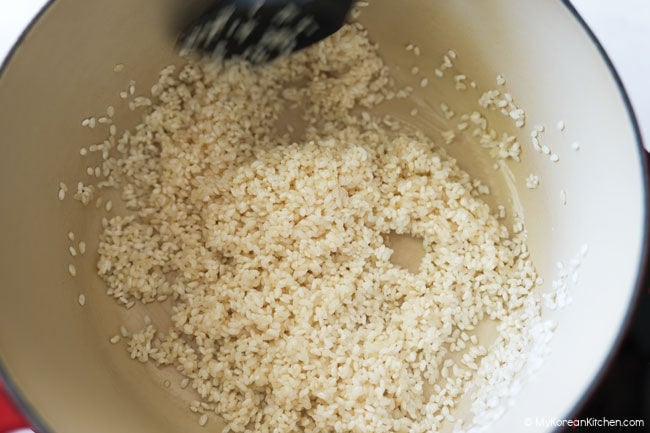
By carefully managing the simmer, sautéing the rice for depth of flavor, and balancing the final salinity with precision, the home cook can transform a few chicken legs and a cup of rice into something profound. It is a dish that lingers in the memory, providing a sense of warmth that transcends the physical, serving as a reminder that the most sophisticated flavors are often found in the simplest, most intentional preparations.
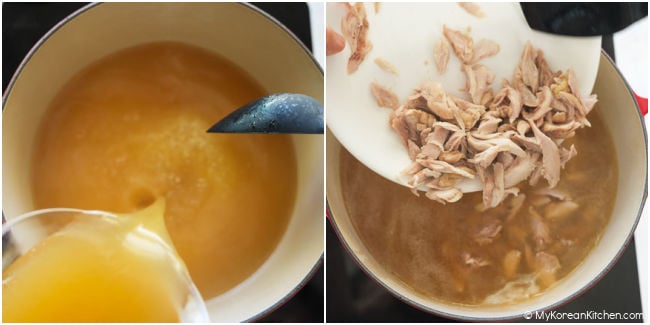
Whether you are seeking a culinary challenge or simply a bowl of warmth on a difficult day, the practice of making dakjuk offers a bridge to a culture that views every meal as an opportunity for restoration.

 Ammar Sabilarrohman
  Neng Nana
  Ali Ikhwan
