
 By Nana Wu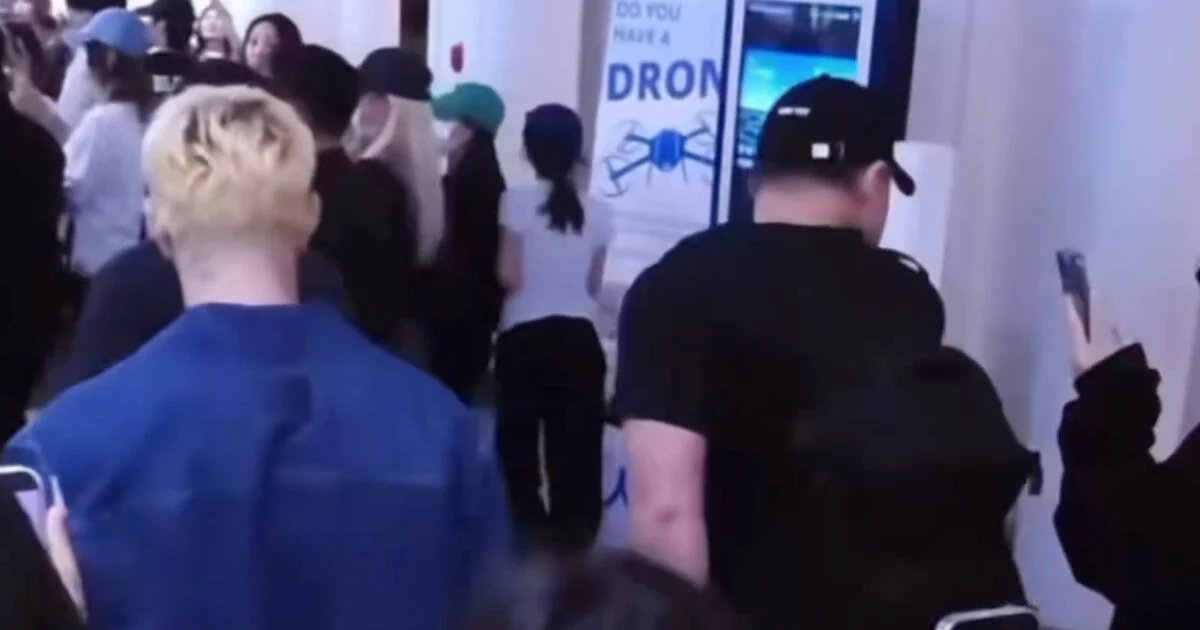
The Core Incident: Physical Aggression and Safety Violations
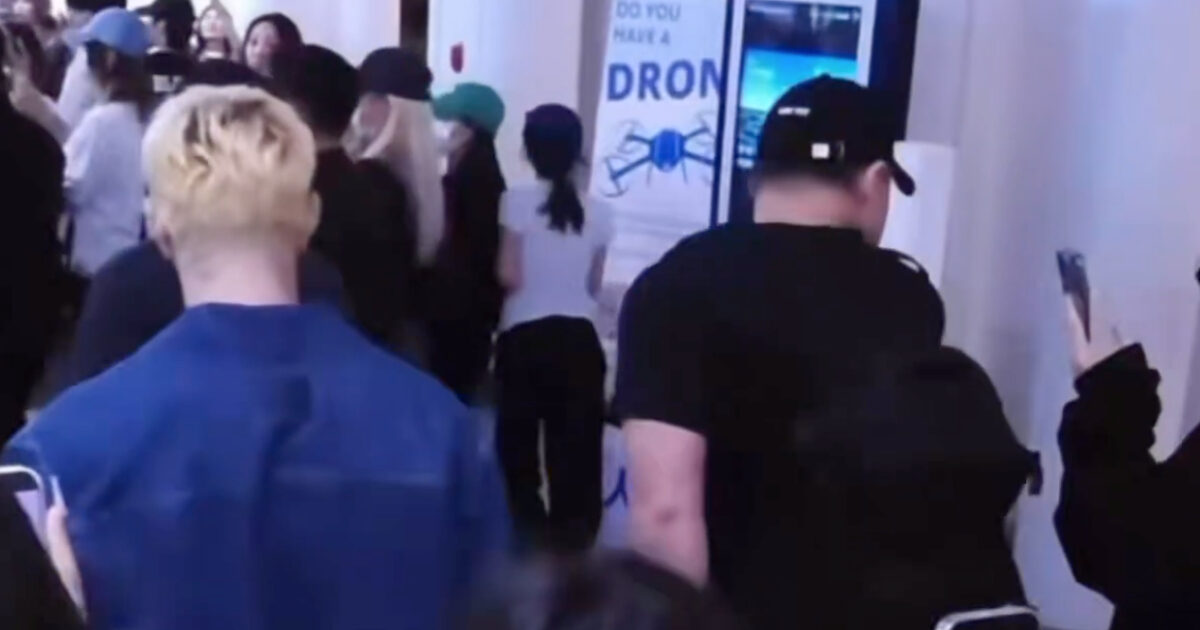
The controversy began to unfold on August 31, 2026, when Stray Kids returned to South Korea following their international schedules. As the group navigated through a dense crowd of onlookers, photographers, and fans, the atmosphere reportedly turned volatile. Video footage captured by bystanders and subsequently circulated on platforms such as X (formerly Twitter) and TikTok revealed a particularly disturbing moment: an unidentified individual was seen intentionally kicking the luggage being pulled by member Felix.
The physical act of kicking the luggage, while not a direct strike to the artist’s body, is being viewed by security experts and fans alike as a significant escalation of hostility. In the chaotic environment of an airport terminal, such actions can cause a chain reaction, leading to trips, falls, and potential injuries for both the artists and the surrounding public. Beyond the physical act, Bangchan noted that several individuals were aggressively shoving mobile phones into the members’ faces to capture close-up footage, disregarding personal space and basic safety guidelines.
Bangchan’s Direct Address to the Fandom
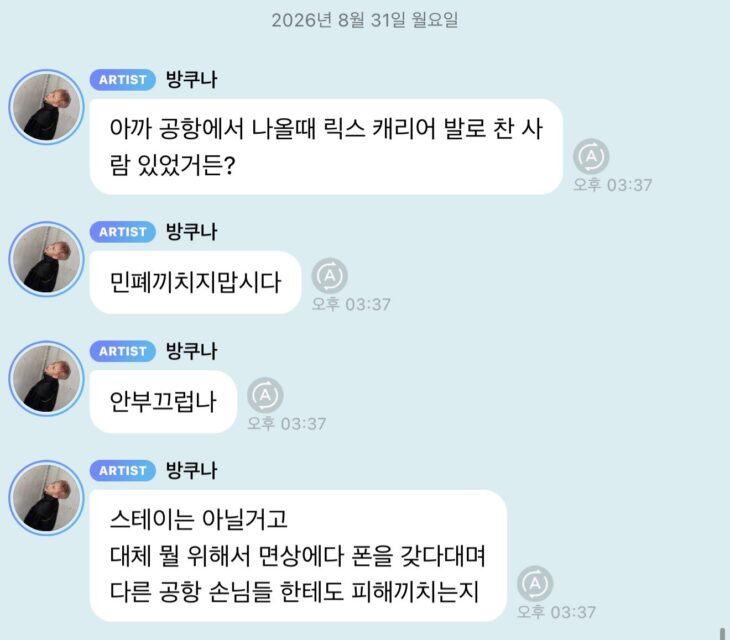
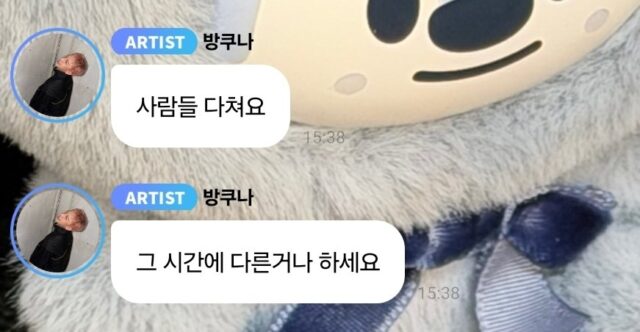
Known for his transparent and protective nature as a leader, Bangchan utilized the private fan communication platform, Bubble, to express his disappointment. His messages were uncharacteristically blunt, reflecting the severity of the situation. He questioned the motives of those involved, explicitly stating that such behavior is not indicative of a true "STAY"—the official name of the group’s fandom.
"There was someone at the airport who kicked Felix’s luggage," Bangchan communicated. "Let’s not be a nuisance. Are you not ashamed? I don’t think they are a STAY. What is the reason for putting phones up to our faces and being a nuisance to others at the airport? People can get hurt. Do something else with your time."
His remarks were not merely a plea for personal space but a stern warning about the broader implications of such "nuisance" behavior. By questioning the "shame" of the perpetrators, Bangchan challenged the culture of entitlement that often permeates certain segments of celebrity-obsessed culture. His assertion that the individuals involved were likely not fans serves to protect the reputation of the STAY community while isolating the bad actors.
A Concerning Timeline of Hostility Toward Felix
The airport incident does not exist in a vacuum. For several months, fans have documented an uptick in targeted harassment toward Felix, a member known for his distinctive deep voice and philanthropic efforts. Earlier in the year, reports surfaced of individuals using fansign events—traditionally a space for positive interaction—to express disrespect or post-filtered hate toward him.
The progression from online vitriol and verbal disrespect to physical interference with personal property marks a dangerous shift. K-pop analysts suggest that as groups like Stray Kids reach unprecedented levels of global fame, they become targets for "anti-fans" or individuals seeking viral content through provocative actions. The "physicality" of this recent hate has caused deep concern among the group’s global supporters, who are now calling for more stringent protective measures from the group’s management agency, JYP Entertainment.
The Broader Context of Airport Mobbing in K-Pop
Airport "mobbing" has remained a systemic issue within the South Korean entertainment industry for decades. Despite numerous attempts by agencies to implement "private" arrival and departure routes, the public nature of major transportation hubs like Incheon International Airport (ICN) makes it difficult to fully isolate high-profile groups.
Historically, groups such as BTS, TWICE, and ENHYPEN have faced similar struggles. In some instances, glass partitions have been broken, and artists have been physically pushed to the ground. Data from aviation security experts suggests that the presence of hundreds of uncoordinated fans in a confined terminal space creates a "stampede risk" that threatens the safety of regular travelers and airport staff.

In response to these recurring issues, the South Korean government and airport authorities have occasionally discussed the implementation of dedicated celebrity gates. However, these proposals often face public backlash over perceived "special treatment" for entertainers. Consequently, the burden of safety falls primarily on the agencies’ private security details, which are often outnumbered by the sheer volume of the crowd.
Security Protocols and Agency Responsibility
Following Bangchan’s statement, the spotlight has turned toward JYP Entertainment’s security protocols. While the agency has a "Blacklist" policy—whereby fans who violate privacy rules are banned from attending future events—enforcing these rules in a public airport setting remains a logistical challenge.
Supporting data indicates that the "Blacklist" is effective for controlled environments like music show recordings or concerts, but it offers little protection against "sasaengs" (obsessive stalkers) or malicious actors who do not intend to follow official schedules. Security analysts argue that for a group of Stray Kids’ stature, the standard four-to-six-man security detail may no longer be sufficient for public transits. There is a growing demand for "no-fly" lists for known harassers and for agencies to pursue legal action under South Korea’s anti-stalking laws, which were strengthened in 2021.
Impact on Artist Mental Health and Group Dynamics
The psychological toll of these incidents is a major point of concern for Bangchan and the rest of Stray Kids. Constant exposure to physical threats and the invasion of personal space can lead to heightened anxiety and a sense of hyper-vigilance. Bangchan’s public statement is seen as an attempt to set a boundary and reclaim a sense of agency for the group.
In the K-pop industry, where the "parasocial relationship" between artist and fan is a key driver of commercial success, setting such boundaries is a delicate balancing act. However, Bangchan’s message suggests that the safety of the members takes precedence over maintaining a "polite" public image. This shift toward "tough love" from group leaders is becoming more common as the industry grapples with the downsides of extreme fame.
Fan Reaction and Global Solidarity
The global STAY fandom has responded to Bangchan’s messages with a massive show of support. Within hours of the incident, hashtags such as #ProtectStrayKids and #RespectFelix began trending worldwide. Many fans are using these platforms to organize "etiquette campaigns," educating younger or newer fans on how to behave at airports.
A common sentiment among the international community is that those who participate in mobbing or physical harassment should not be recognized as fans. "Kicking luggage to hurt them, shoving phones in their faces and crossing boundaries really doesn’t make you weirdos fans," wrote one prominent fan account on X. This internal policing within the fandom is a crucial component in curbing bad behavior, though it cannot replace the necessity for professional security.
Implications for the Future of Public Appearances
The fallout from this incident may lead to a more secluded lifestyle for Stray Kids and other top-tier K-pop groups. If public spaces like airports continue to be sites of physical aggression, agencies may opt for more expensive private charters or utilize "VIP" services that bypass public terminals entirely. While this would ensure safety, it would also signify the end of an era where fans could catch a glimpse of their idols in transit—a tradition that has been a staple of K-pop culture for years.
Furthermore, the incident serves as a case study for the "normalization of hostility." When physical aggression like kicking luggage goes unpunished, it sets a precedent that such behavior is an acceptable way to get a reaction from a celebrity. Bangchan’s decision to speak out is a direct counter-narrative to this normalization, asserting that artists are human beings who deserve basic decency and safety.
Conclusion: A Call for Systematic Change
Stray Kids’ Bangchan’s vocal stance on the dangerous airport incident serves as a stark reminder of the risks associated with global superstardom. While the physical act of kicking a suitcase may seem minor to some, it represents a breach of safety and a lack of respect that cannot be ignored. The incident has highlighted the need for a multi-faceted approach to artist protection: stricter agency security, more robust airport infrastructure, and a collective commitment from the fandom to uphold ethical standards.
As Stray Kids continues their trajectory as leaders of the fourth generation of K-pop, the management of their public safety will remain a high-priority issue. Bangchan’s leadership in this moment has not only protected his members but has also challenged the industry to do better. The hope remains that such "dangerous incidents" will lead to concrete changes, ensuring that the only thing idols have to worry about at an airport is their next flight, rather than their physical safety.

