
 By Siti Muinah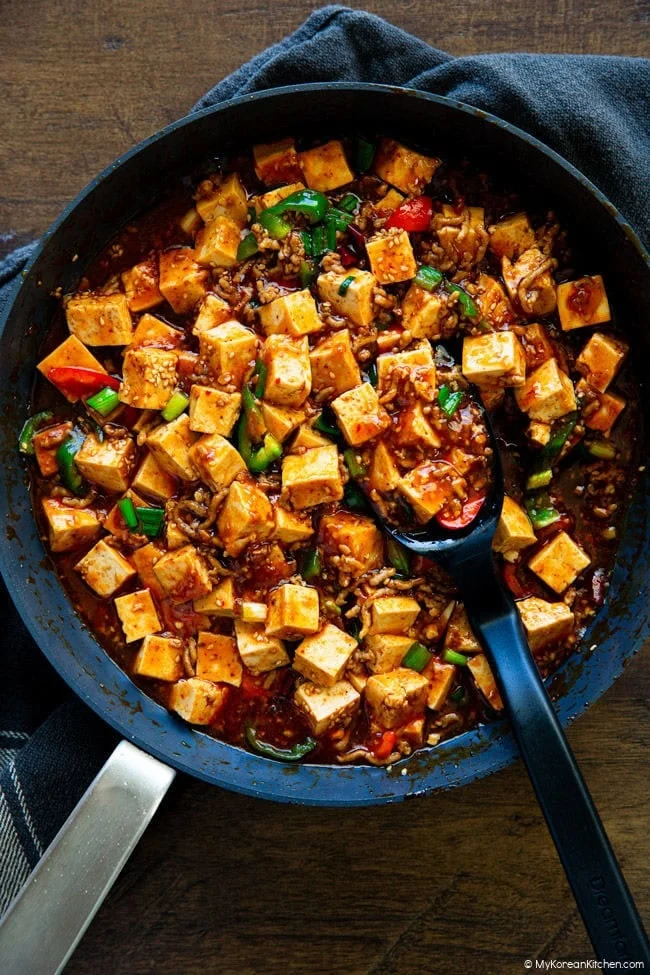
In the vast landscape of East Asian comfort food, few dishes command as much respect as the legendary Mapo Tofu. Originating from the Sichuan province of China, the traditional preparation is a masterclass in balance—celebrated for its signature tongue-tingling heat, silky tofu, and robust, meaty sauce. However, culinary traditions are fluid, and a new, distinctively Korean-style interpretation is currently capturing the attention of home cooks globally. This version, which pivots away from the heavy reliance on Sichuan peppercorns in favor of deep, fermented Korean staples, offers a savory, umami-forward experience that feels both innovative and deeply nostalgic.
Main Facts: The Anatomy of a Fusion Masterpiece
At its core, this Korean-style Mapo Tofu is a bridge between two of the world’s most flavorful culinary cultures. While the dish pays homage to its Chinese roots through the use of soft, tender tofu cubes and a meat-based sauce, it replaces traditional doubanjiang (fermented bean paste) with Korean ingredients that shift the flavor profile toward a more "home-style" familiarity.
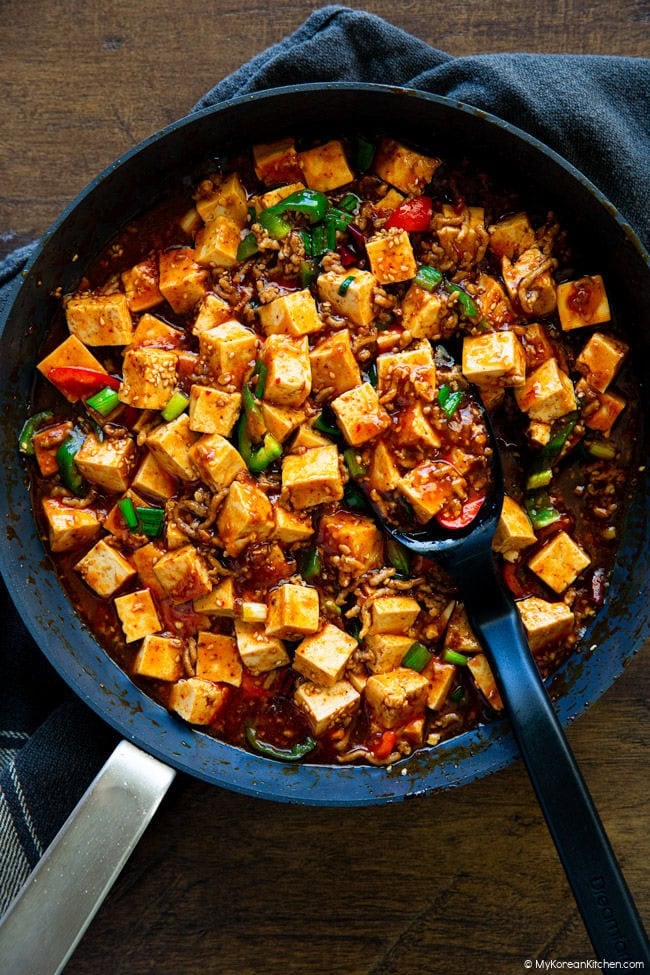
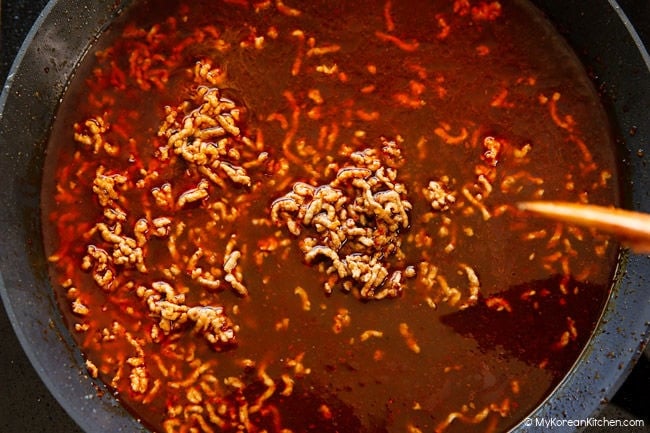
The secret to this recipe lies in its sophisticated layering of savory components. By incorporating anchovy stock, high-quality anchovy fish sauce, and ssamjang—a thick, spicy, and nutty Korean soybean paste—the sauce achieves an depth of umami that is both complex and approachable. Unlike the original Sichuan version, which focuses on the numbing sensation of mala spices, this Korean iteration prioritizes a harmonious balance of sweet, savory, and spicy, making it an ideal candidate for a weeknight staple.
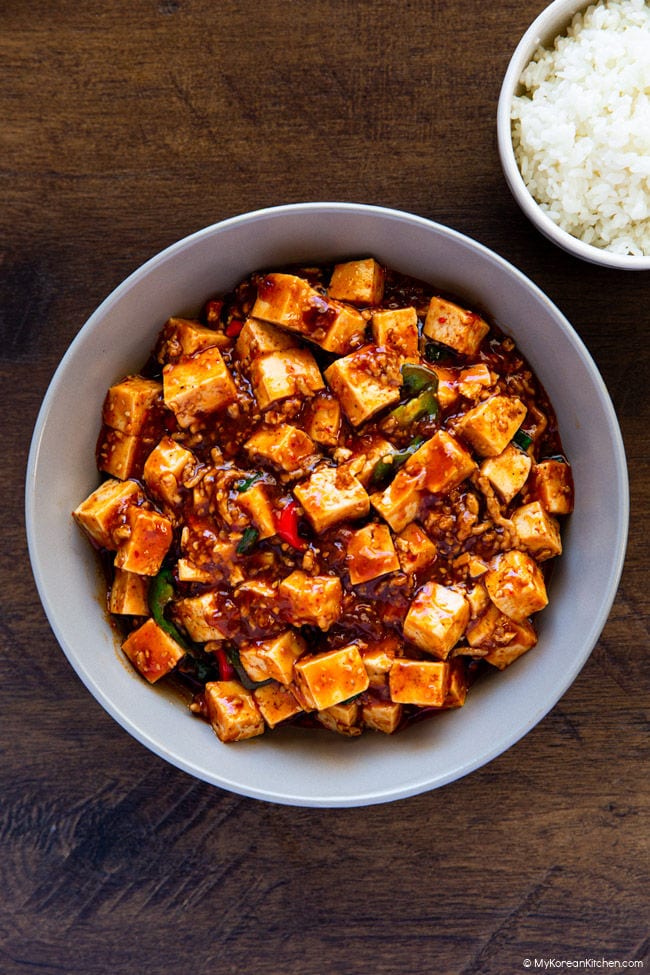
The dish is designed to be served over a steaming bowl of short-grain white rice, which acts as the perfect canvas for the thick, glossy, and flavor-saturated sauce. It is not merely a recipe; it is a testament to how regional ingredients can transform a classic into something entirely unique.
Chronology: The Evolution of the Dish
The origins of Mapo Tofu date back to the late 19th century in Chengdu, China. Legend tells of an elderly woman—the "Mapo"—who operated a small restaurant and served the dish to laborers. Its popularity grew rapidly, eventually becoming a staple of global Chinese cuisine.
In recent years, the dish has undergone a "Koreanization" as home cooks in South Korea and across the diaspora sought to replicate the dish using the ingredients readily available in their own pantries. The transition happened in distinct phases:
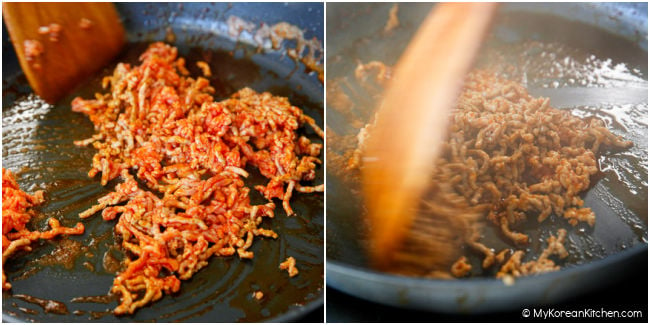
- The Adaptation Phase: Cooks began substituting Sichuan-specific ingredients with locally sourced Korean condiments. Gochugaru (Korean red chili flakes) replaced generic chili oil, providing a cleaner, more vibrant heat.
- The Umami Reinforcement: Recognizing that Korean cuisine relies heavily on the "base" of soups and stews, chefs began utilizing dried anchovy and kelp stocks as the poaching liquid for the tofu, rather than plain water or chicken broth.
- The Ssamjang Integration: The most significant shift occurred with the introduction of ssamjang. Originally intended as a dipping sauce for lettuce wraps and grilled meats, its integration into the braising liquid provided the necessary fermented body that traditional Chinese recipes derive from fermented black beans.
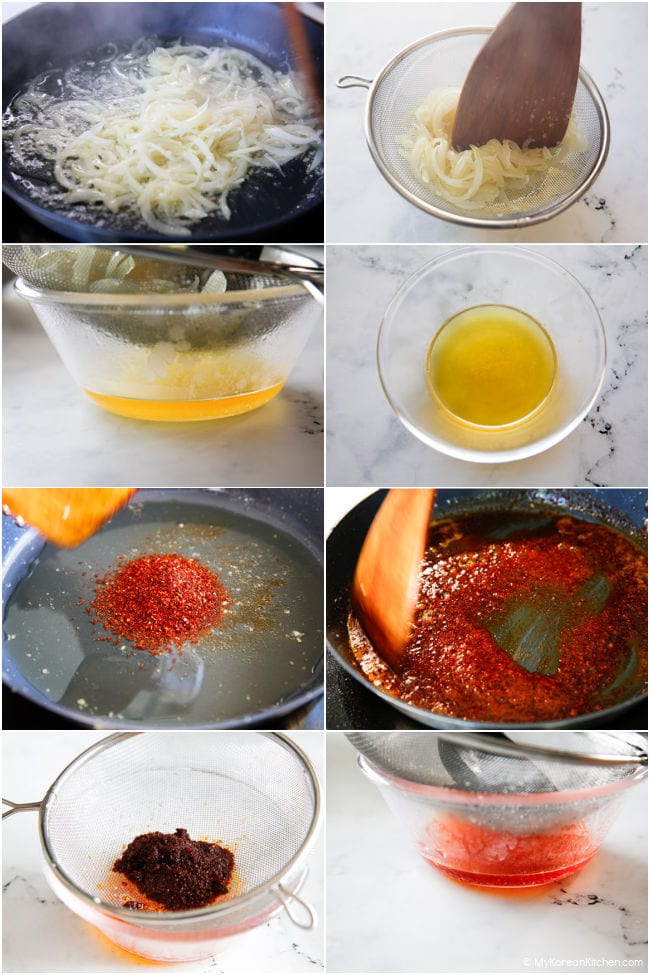
- The Refinement: Modern techniques, such as blanching the tofu in salted water to ensure structural integrity and the creation of a bespoke, onion-garlic-infused chili oil, have elevated the dish from a simple "home meal" to a refined, restaurant-quality experience.
Supporting Data: Why the Flavor Profile Works
The success of this recipe can be quantified by its reliance on the "Umami Trifecta": glutamates from the soy-based ssamjang, inosinate from the anchovy stock, and guanylate from the aromatic onion and garlic.
- Anchovy Stock: Unlike water, which dilutes flavor, the anchovy stock serves as a liquid flavor-enhancer. The base minerals and proteins in the stock provide a structural depth that prevents the sauce from feeling "thin."
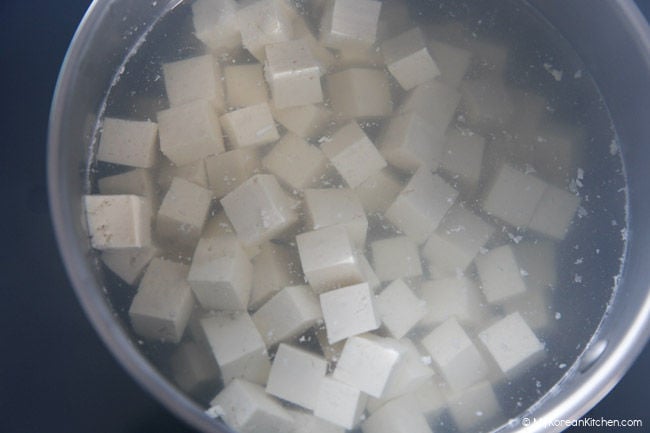
- The Tofu Blanching Process: By simmering the tofu in salted water for one minute before adding it to the sauce, the cook achieves two things: the tofu is pre-warmed, preventing it from cooling down the sauce, and the salt draws out excess moisture, helping the tofu retain its shape rather than turning into mush during the final simmer.
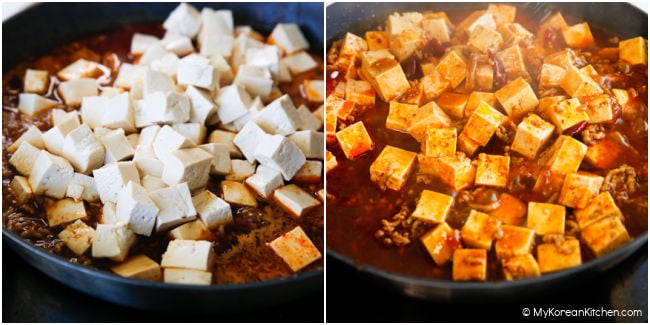
- The Starch Slurry: The final step involves a carefully calibrated starch slurry. When added to the simmering liquid, the starch molecules hydrate and swell, creating a viscous, glossy finish that ensures the sauce clings to every surface of the tofu and pork.
Official Perspectives and Expert Culinary Commentary
Culinary experts often note that the "authenticity" of a dish is frequently secondary to its ability to provide nourishment and comfort. According to leading food writers who have reviewed this specific Korean-style approach, the shift toward ssamjang is a masterstroke.
"The brilliance of this dish," notes one culinary analyst, "is that it respects the original intention of the dish—to provide a high-protein, satisfying meal for the working class—while utilizing the flavor vocabulary of Korea. It is not trying to be a Sichuanese dish; it is trying to be the best version of itself."
Furthermore, the choice of ingredients like sesame oil and toasted sesame seeds as a finishing garnish adds a nutty, aromatic finish that cuts through the heat of the gochugaru, providing a rounded sensory experience that is often lacking in more one-dimensional spicy dishes.
Implications: The Future of Fusion Comfort Food
The rise of this Korean-style Mapo Tofu signals a broader trend in home cooking: the "democratization of fusion." As access to global ingredients increases through online retailers and international grocery stores, the barriers to experimenting with regional variations of classic dishes are falling.
For the modern home cook, this recipe has several implications:
- Customization: The recipe is highly modular. If one prefers a vegetarian version, the pork can be replaced with finely chopped shiitake mushrooms, which offer a similar textural chew and deep, earthy flavor.
- Storage and Development: The dish is a prime example of "second-day food." Because the sauce is a slow-developed emulsion, the flavors actually improve after sitting in the refrigerator, allowing the proteins in the tofu and pork to fully absorb the savory notes of the anchovy and fermented soybean paste.
- Accessibility: By moving away from highly specific, sometimes difficult-to-source ingredients like Sichuan peppercorns (which can be hard to find in rural areas), this recipe makes a gourmet-tasting experience accessible to anyone with a local Asian grocer or a well-stocked pantry.
A Practical Guide to Excellence
To achieve the best results, consistency in the preparation of the chili oil is paramount. The instructions to strain the oil after sautéing the onion and garlic are not merely suggestions; they are vital for achieving a smooth, professional-grade sauce. By removing the solids, the chef ensures that the final dish is not "chunky" with burnt aromatics but is instead infused with a clean, potent, and aromatic spice.
The use of firm tofu is highly recommended for those new to the dish. While silken tofu is traditional, it requires a level of culinary finesse to prevent it from disintegrating. Firm tofu provides a satisfying bite and allows the cook to stir the mixture with confidence.
Ultimately, this Korean-style Mapo Tofu is more than just a recipe—it is an invitation to explore the intersections of culinary history. It encourages the cook to move past the rigid boundaries of "traditional" labels and embrace a style of cooking that is guided by the palate rather than a rulebook. Whether enjoyed on a rainy evening as a solitary meal or served as the centerpiece of a family dinner, it remains a triumph of home cooking: warm, complex, and deeply, undeniably satisfying.
In conclusion, as we continue to see the globalization of regional cuisines, recipes like this serve as a reminder that the best food is often the result of cross-cultural conversation. By taking the foundation of a Chinese classic and building upon it with the bold, fermented intensity of Korean pantry staples, we are left with a dish that honors its past while firmly defining its own place in the modern kitchen.
 Raul Delapena Setiawan
  Asep Darmawan
  Nana Wu
