
 By Iffa Jayyana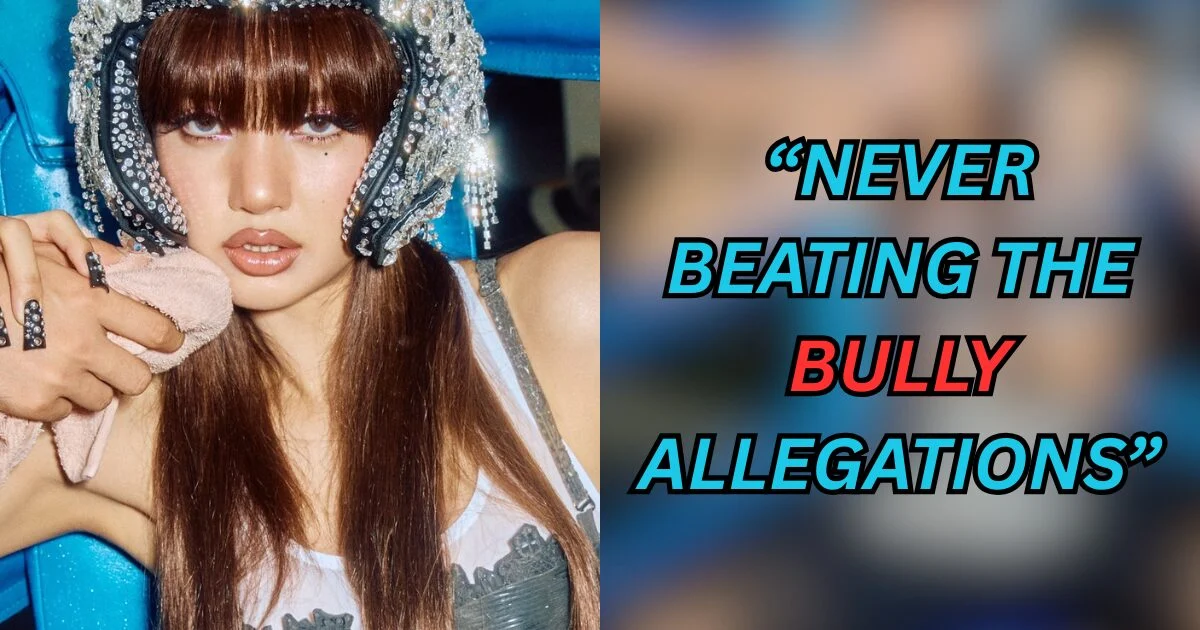
Lalisa Manobal, the globally renowned rapper and member of the South Korean girl group BLACKPINK, has found herself at the center of a social media firestorm following the resurgence of a video clip from her tenure as a dance mentor on the Chinese reality survival program Youth With You. The footage, which dates back to the third season of the iQIYI-produced show, has sparked a heated debate regarding the treatment of trainees in the idol industry and the sensitivity of established stars toward mental health issues, specifically anxiety.
The controversy gained significant traction on September 10, 2026, when a user on X (formerly Twitter) shared a short segment of an episode featuring a trainee known as Rimiko. In the video, Rimiko is seen participating in an on-stage interview following a performance. The camera focuses intensely on his visible physical distress, capturing his legs and hands shaking uncontrollably. As the camera cuts to the panel of mentors, Lisa is seen laughing alongside other judges and crew members. The post, which was captioned with a satirical remark about Lisa’s reaction, quickly bypassed three million views, triggering a wave of condemnation from various corners of the internet.
Chronology of the Viral Incident
The original footage stems from Youth With You Season 3, which aired in early 2021. During this season, Lisa served as the dance mentor, a role she reprised after a successful stint in the show’s second season. The program followed 119 trainees competing for a spot in a new nine-member boy group. Rimiko, a trainee who gained attention for his unique aesthetic and personality, was often portrayed as a sensitive and occasionally nervous performer.
In the specific episode now under scrutiny, the production team utilized close-up shots and sound effects to highlight Rimiko’s trembling during his evaluation. At the time of the original broadcast, the segment was presented by the editors as a "lighthearted" or "relatable" moment of stage fright. However, in the contemporary social media landscape of 2026, the optics of the situation have shifted. Modern audiences, increasingly attuned to the nuances of clinical anxiety and the psychological pressures of the entertainment industry, have viewed the reaction of the mentors through a much more critical lens.
Critics argue that the laughter directed at a trainee in a state of visible distress is symptomatic of a broader culture of insensitivity within the idol trainee system. Comments on the viral post characterized Lisa’s reaction as "rude" and "ignorant," with some users suggesting that the behavior bordered on bullying. The hashtag associated with the incident trended briefly in several regions, reflecting a divide between those who view the moment as a harmless interaction and those who see it as a failure of empathy.

Supporting Data and Production Context
To understand the context of the controversy, it is essential to examine the production style of Asian survival reality shows. Programs like Youth With You and the Produce 101 series are known for "evil editing"—a term used by fans to describe the practice of manipulating footage to create drama or exaggerated character archetypes.
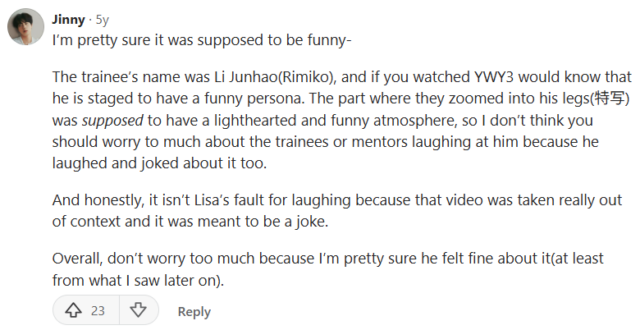
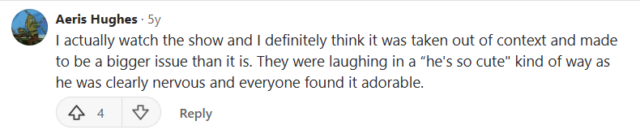
In the case of Youth With You Season 3, Lisa’s role was often edited to show two extremes: the "Strict Mentor" who demanded perfection in choreography, and the "Warm Mentor" who cheered for the trainees. During the evaluative segments, the production often encouraged mentors to react vividly to the trainees’ personalities to boost viewership. Fans of the singer have pointed out that the laughter was likely a reaction to the absurdity of the situation as framed by the show’s host and the editors, rather than a direct mockery of a mental health condition.
Furthermore, supporters have surfaced longer versions of the episode which show Lisa providing constructive feedback and encouragement to the same trainees. They argue that cherry-picking a few seconds of a multi-hour broadcast creates a distorted narrative. In 2021, when the episode first aired, the consensus among the show’s dedicated viewership was that the mentors were reacting to Rimiko’s "charming nervousness," which was a recurring theme in his storyline on the show.

Official Responses and Public Sentiment
As of mid-September 2026, neither Lisa nor her management agency, LLOUD, has issued a formal statement regarding the resurfaced clip. This is consistent with the standard industry practice of ignoring localized social media "flare-ups" unless they pose a significant threat to commercial partnerships or legal standings.
However, the backlash comes at a delicate time for the artist. Lisa recently premiered her solo documentary, Always Lalisa, at the Toronto International Film Festival (TIFF). The documentary aims to provide an intimate look at her journey as a solo artist and her transition into a global fashion and music icon. The timing of the Youth With You controversy has led some industry analysts to speculate that the resurfacing of the clip may be a coordinated effort by anti-fans to overshadow her recent professional achievements.
The reaction from the mental health advocacy community has been more measured. While not naming Lisa specifically, several online mental health forums have used the viral clip as a teaching moment to discuss how "visible anxiety" is often dismissed as "cuteness" or "humor" in professional settings. They emphasize that for individuals suffering from social anxiety disorder, having their physical symptoms laughed at—regardless of intent—can be deeply stigmatizing.
Broader Impact and Industry Implications
The "Lisa Anxiety Controversy" highlights a growing tension between the traditional "tough love" mentorship style of the K-pop and C-pop industries and the modern global demand for mental health awareness. As K-pop stars like BLACKPINK expand their influence into Western markets, their past actions are increasingly scrutinized through the lens of Western social values.
- The Persistence of Digital Footprints: This incident serves as a reminder that for global celebrities, past content is never truly "old." High-definition footage from years prior can be re-contextualized instantly, reaching a new audience that lacks the original cultural or situational context.
- The Evolution of the "Mentor" Persona: There is a shifting expectation for celebrities in mentor roles. While previous generations of viewers appreciated the "blunt and demanding" mentor, current audiences favor figures who demonstrate high emotional intelligence and provide a safe environment for subordinates.
- The Power of Short-Form Content: The fact that a 15-second clip can generate three million views and a global debate underscores the power of platforms like X and TikTok in shaping public perception. These platforms often prioritize engagement over nuance, leading to rapid-fire "cancellation" attempts based on incomplete information.
Fact-Based Analysis of the Situation
When analyzing the situation objectively, it is clear that the controversy is a clash of two different eras of media consumption. In 2021, the "trembling trainee" trope was a staple of reality television, used to create a narrative arc of growth and overcoming obstacles. In 2026, the same trope is viewed as an exploitative practice that ignores the well-being of the participant.
Lisa’s career has historically been resilient against such controversies. Since establishing her own label, LLOUD, she has taken greater control over her public image, moving away from the highly curated and sometimes restrictive personas associated with large idol factories. However, the intensity of the current backlash suggests that even the most successful artists are not immune to the changing tides of social accountability.
The trainee at the center of the clip, Rimiko, has not commented on the recent viral post. Following his time on Youth With You, he has continued to pursue a career in the Chinese entertainment industry, and there is no public record of him expressing grievances against Lisa or the other mentors regarding that specific evaluation.
As the entertainment industry moves forward, this incident will likely be cited as a case study in the importance of sensitivity training for on-screen talent and the need for production houses to reconsider how they edit and package the vulnerabilities of their contestants. For Lisa, the focus remains on her upcoming projects and the global rollout of Always Lalisa, though the shadows of her past "Strict Mentor" persona continue to follow her in the digital age.

