
 By Nana Wu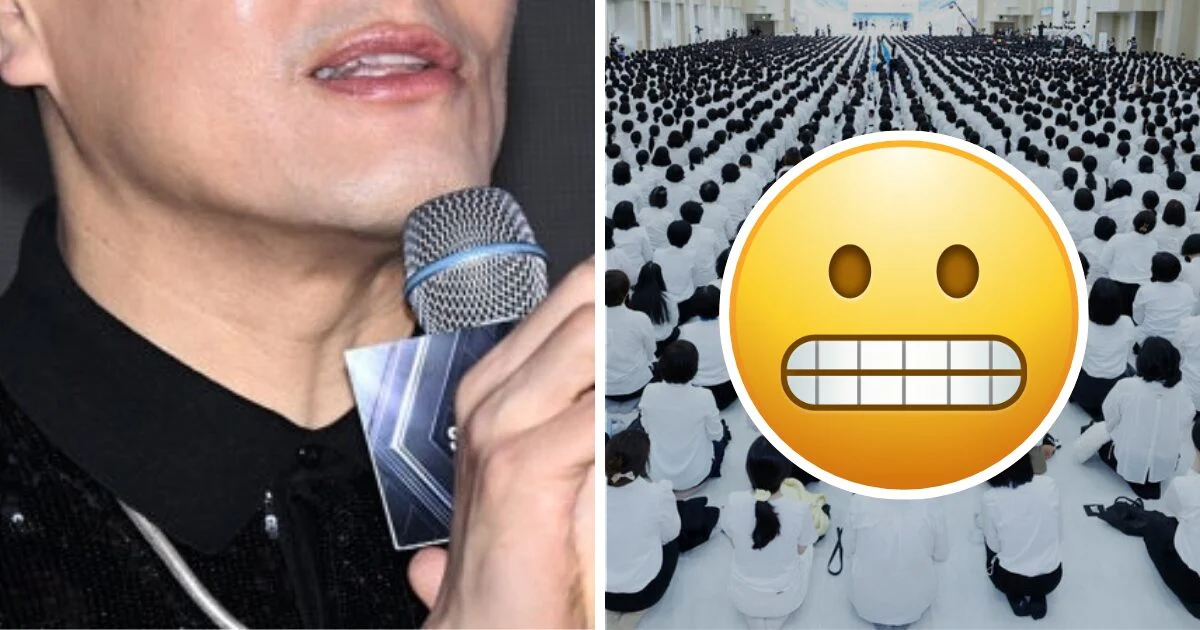
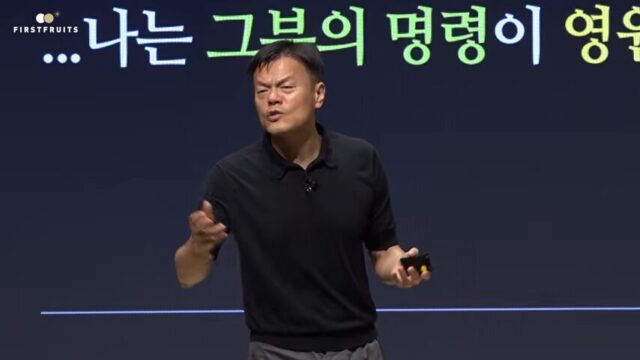
J.Y. Park, the influential founder and Chief Creative Officer of JYP Entertainment, has publicly addressed and confirmed the presence of individuals with past affiliations to Shincheonji, a highly controversial new religious movement widely labeled as a cult, within his personal religious community, Firstfruits. This revelation comes after years of persistent speculation and allegations regarding Park’s religious involvements and their potential links to contentious groups. The admission was made in a newly uploaded video on the Korean channel of Firstfruits, where Park directly discussed the origins and composition of his church from the pulpit.
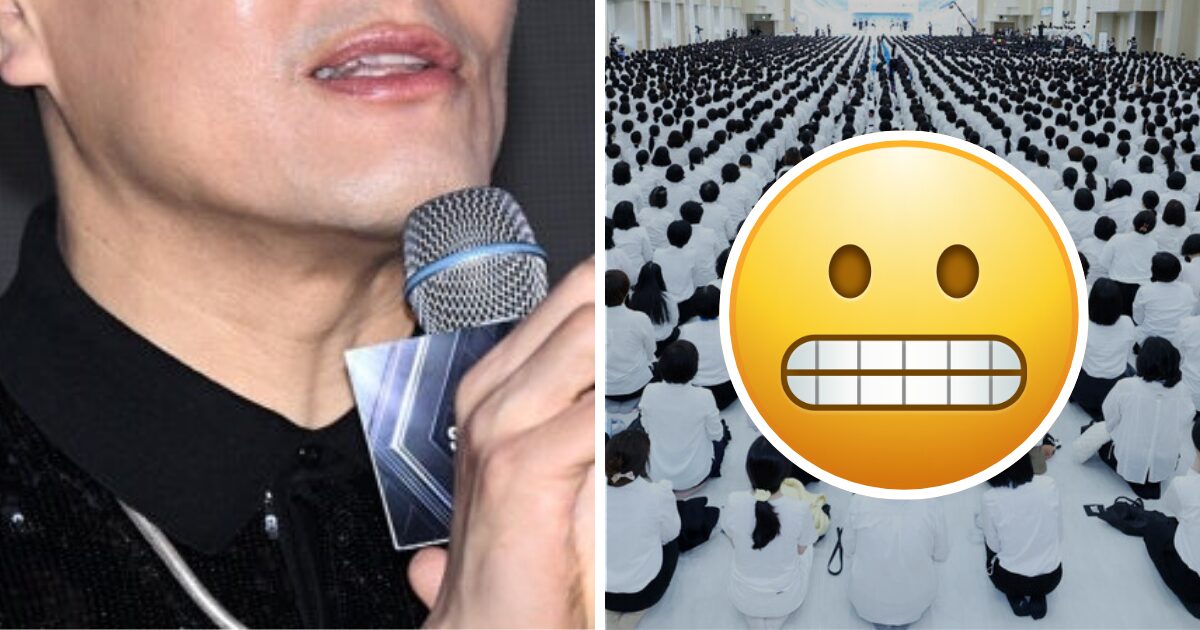
The K-Pop mogul, a self-identified born-again Christian, established Firstfruits several years ago, gaining public attention for uploading extensive Bible lectures to YouTube. These lectures, delivered by Park himself, formed the initial public face of his religious teachings and quickly became a subject of discussion among fans and religious scholars alike. In the recent video, Park acknowledged that Firstfruits is frequently questioned about its potential secret connections to other religious groups. While he adamantly asserted that Firstfruits possesses its own "lineage and spiritual genealogy," distinct from other organizations, he proceeded to enumerate the diverse denominational backgrounds of its members. Among the groups he listed were individuals from Catholic, Presbyterian, Baptist, and notably, Shincheonji backgrounds.
Shincheonji Church of Jesus, the Temple of the Tabernacle of the Testimony, commonly referred to as Shincheonji, stands as one of South Korea’s most contentious new religious movements. Founded by Lee Man-hee in 1984, the group is widely criticized by mainstream Christian denominations and numerous anti-cult organizations, which routinely label it as a cult. Its theological framework is centered around Lee Man-hee, whom followers believe to be the "promised pastor" or "new Jesus," a figure prophesied in the Bible who alone can interpret its true meaning. Shincheonji teaches that salvation and immortality are achievable for 144,000 chosen individuals who pledge allegiance to Lee. This doctrine, combined with allegations of deceptive recruitment practices and the encouragement of followers to distance themselves from their families, has fueled widespread public concern and condemnation.

The controversy surrounding Shincheonji reached a global peak in early 2020 when the group became infamously linked to a major cluster of COVID-19 infections in South Korea. A significant outbreak, particularly in the city of Daegu, was traced back to a Shincheonji congregation, where a "Patient 31" was identified as a super-spreader. The group faced severe public backlash and legal scrutiny for allegedly obstructing government efforts to trace contacts and contain the virus’s spread by providing incomplete or falsified membership lists. This incident not only highlighted the group’s insular nature but also underscored the potential public health risks associated with its secretive practices. Lee Man-hee himself was subsequently arrested and charged with obstructing disease control efforts, though he was later acquitted of the most serious charges, with some lesser convictions upheld. The event profoundly shaped public perception of Shincheonji, solidifying its controversial status within Korean society and beyond.
J.Y. Park’s journey into public religious leadership began subtly, evolving from occasional spiritual references in his public life to the full-fledged establishment of Firstfruits. Before the advent of Firstfruits and his YouTube lectures, Park’s faith was already a subject of discussion. He often spoke about his personal spiritual awakening and his dedication to studying the Bible. The launch of Firstfruits and its online presence marked a significant shift, transforming his private faith into a public ministry. However, this increased visibility also brought heightened scrutiny, drawing parallels between his teachings and those of other controversial religious groups.
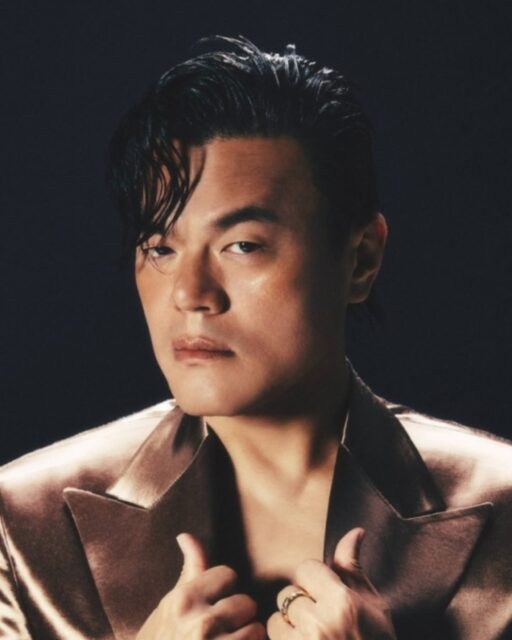
This is not the first instance where J.Y. Park has been compelled to address allegations concerning his ties to a contentious religious organization. In 2018, a South Korean media outlet reported that Park was involved with the "Salvation Sect," known in Korean as Goo Won Pa (구원파). The Salvation Sect is another new-age religious movement that has faced intense criticism and has been widely labeled as a cult by mainstream churches. The group, which gained notoriety due to its association with the family that owned the Sewol ferry, a vessel that tragically sank in 2014, leading to over 300 deaths, was accused of various illicit activities and maintaining a highly insular community. At the time, Park vehemently denied any connection to the Salvation Sect, issuing a strong statement refuting the claims and asserting his faith was purely based on the Bible and unrelated to any cultic groups. He emphasized that his religious meetings were private Bible studies and that he had no involvement with the controversial sect. His denial in 2018 was unequivocal, aiming to distance himself and JYP Entertainment from the negative connotations associated with such groups.
The current admission regarding Shincheonji members in Firstfruits, while framed by Park as a testament to his church’s inclusive nature, has been met with significant attention from Korean media outlets, which have "lasered in on his words about Shincheonji." This focus is largely due to the long-standing history of speculation among netizens and the public that Park might have underlying connections to Shincheonji. These suspicions were often fueled by observations regarding the structure and content of his early sermons, which some critics argued bore stylistic and thematic resemblances to Shincheonji’s interpretative methods of biblical texts. The overlap in certain evangelical approaches and the emphasis on specific biblical prophecies often found in new religious movements contributed to these ongoing conjectures.
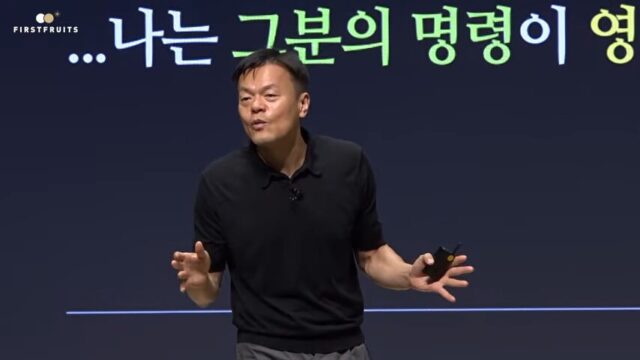
Park’s defense, emphasizing that Firstfruits should not be defined by its members’ past affiliations but by its current "lineage and spiritual genealogy," attempts to reframe the narrative. He posits that individuals from various religious backgrounds, including Shincheonji, have found a new spiritual home within Firstfruits, presumably after leaving their previous denominations. This argument positions Firstfruits as a haven for those seeking a different interpretation of Christianity, rather than an extension or offshoot of controversial groups. However, for many observers and critics, the mere presence of former Shincheonji members, especially given the group’s highly publicized controversies, raises questions about the thoroughness of spiritual discernment and the potential for residual influence or shared theological underpinnings.
The implications of J.Y. Park’s admission are multifaceted, particularly for his public image, JYP Entertainment, and the broader K-Pop industry. As one of the "Big 4" entertainment agencies in South Korea, JYP Entertainment holds significant cultural and economic sway. The founder’s personal religious affiliations, especially when linked to groups perceived as cults, can cast a shadow over the company. Investors, brand partners, and the global fanbase of JYP artists like TWICE, Stray Kids, and ITZY might react with concern. While the company operates independently of Park’s personal religious activities, the founder’s public statements inevitably reflect on the brand he created and continues to lead as CCO.
The K-Pop industry has historically been sensitive to scandals, and controversies surrounding religious affiliations, particularly those labeled as cults, are often met with strong disapproval from the Korean public. This sentiment is partly rooted in the historical impact of various cultic groups on Korean society, some of which have been associated with social disruption, financial exploitation, and even violence. Therefore, any perceived link to such groups can trigger widespread alarm and potentially impact public trust and artist reputations.
For J.Y. Park, this admission represents a delicate balancing act. On one hand, he is asserting his religious freedom and the inclusive nature of his church. On the other, he is confronting a deep-seated public aversion to groups like Shincheonji. His challenge lies in convincing a skeptical public and media that Firstfruits is genuinely distinct and benign, despite its diverse membership, and that his personal faith does not compromise his professional ethics or the integrity of JYP Entertainment. The coming weeks and months will likely see continued scrutiny and debate, as both fans and critics weigh the significance of this revelation against Park’s public persona and the reputation of one of K-Pop’s most prominent figures. The incident underscores the complex interplay between personal beliefs, public figures, and societal perceptions in a nation grappling with its own history of religious movements and their profound impact.

