
 By Asep Darmawan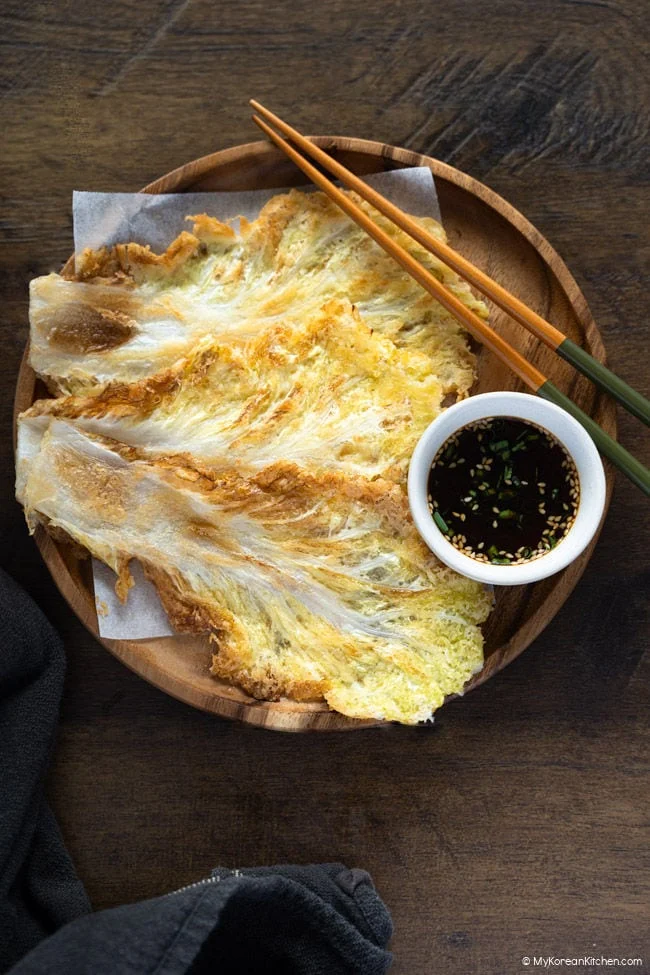
In the vast, vibrant landscape of Korean cuisine—a world often defined by the fiery intensity of gochujang or the complex, long-term fermentation of kimchi—there exists a quiet, understated masterpiece known as Baechujeon. This traditional Korean pancake, crafted from simple napa cabbage, stands as a testament to the philosophy that high-quality ingredients require little embellishment to shine. As contemporary food culture trends toward farm-to-table simplicity, this dish has seen a resurgence in popularity, celebrated for its elegant balance of texture, subtle sweetness, and historical significance.
Main Facts: The Essence of Baechujeon
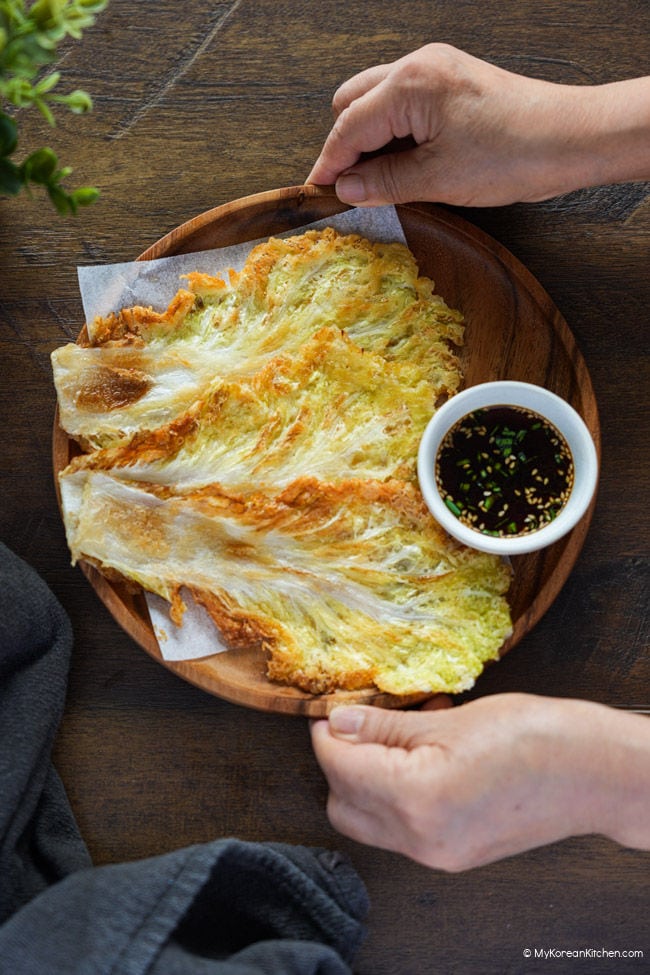
At its core, Baechujeon is a study in minimalism. Unlike the more elaborate pajeon (scallion pancake) or haemul-jeon (seafood pancake), which often feature a dense medley of ingredients, Baechujeon is composed almost entirely of napa cabbage, a light flour-based batter, and oil. The dish is essentially a whole leaf of cabbage—lightly coated and pan-fried—retaining the structural integrity of the vegetable while transforming its raw, crunchy state into a tender, savory delicacy.
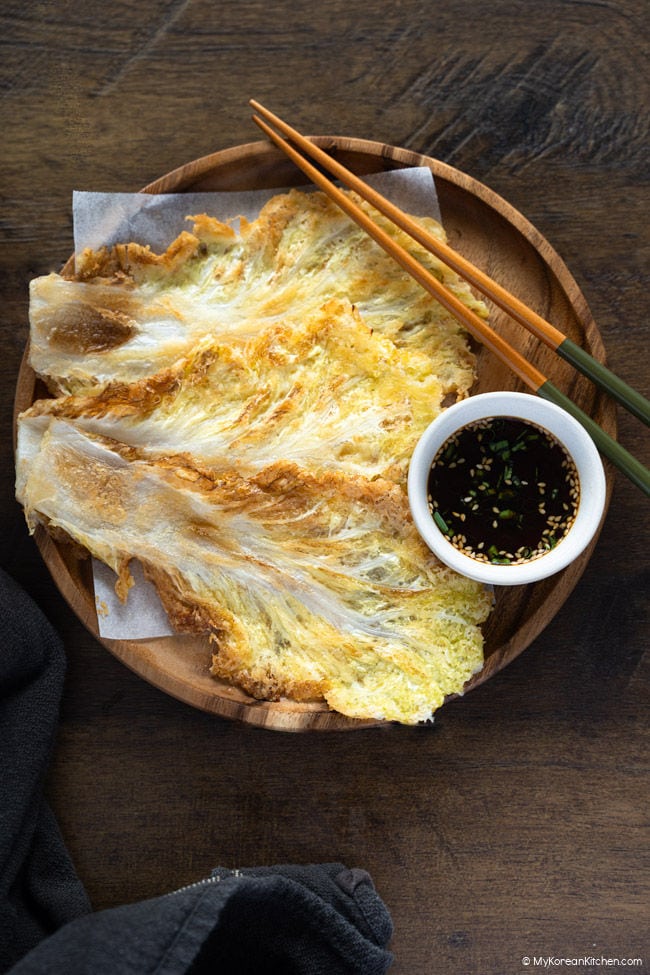
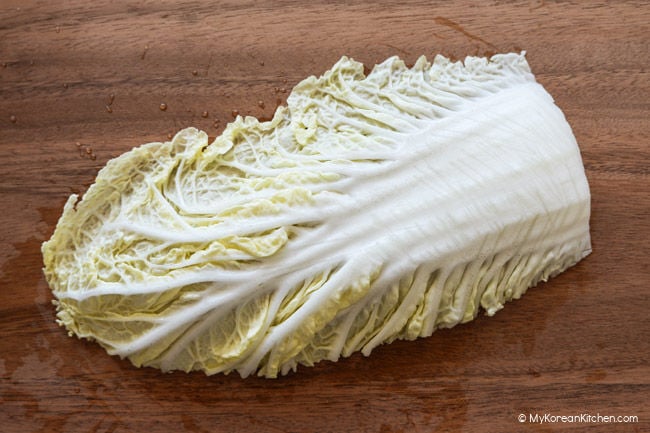
The brilliance of the dish lies in its preparation. The napa cabbage, prized for its natural sweetness, is not chopped or shredded but kept in large, whole leaves. When these leaves are scored and lightly salted, they become pliable, allowing them to drape across the frying pan. The result is a pancake that is crisp and golden at the edges, where the thin batter meets the heat of the oil, while the center remains succulent and tender.
A Chronological Guide to Preparation
Creating the perfect Baechujeon is a process that demands patience and attention to detail. While the ingredient list is short, the technique is where the mastery resides.
1. Preparation of the Cabbage
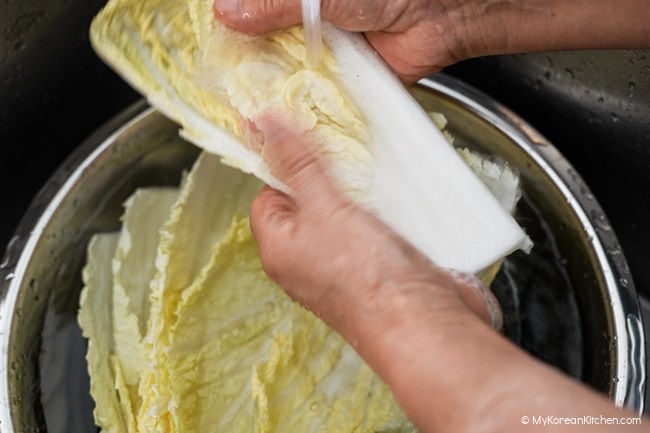
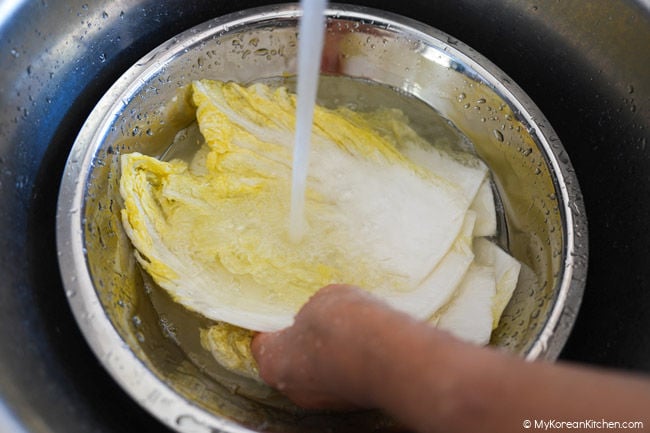
The process begins with the careful selection of fresh, firm napa cabbage. The leaves are separated and washed thoroughly under cold running water. A critical step often overlooked by beginners is the scoring of the thick, fibrous white stems. By making shallow, cross-wise cuts along these stems, the chef ensures that the cabbage cooks evenly. This technique mimics the way one might tenderize proteins, allowing the heat to penetrate the dense stalk, which would otherwise remain tough while the delicate leafy parts burn.
2. The Salting Process
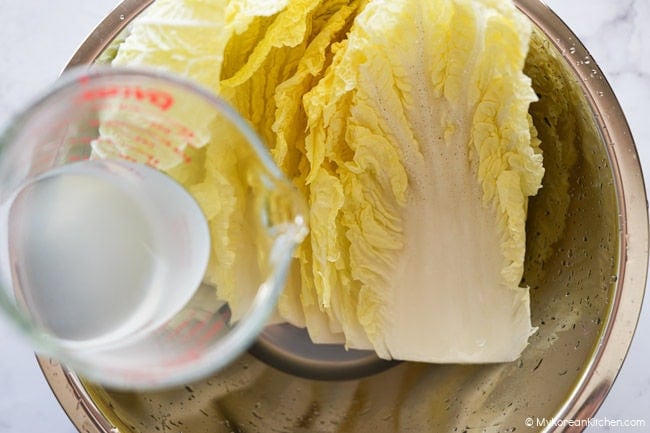
Once prepared, the cabbage undergoes a brief brining. By submerging the leaves in a light salt-water solution for approximately five minutes, the cellular structure of the vegetable begins to soften, drawing out excess moisture and concentrating the cabbage’s natural sugars. This step is vital for ensuring the texture is consistently tender throughout.
3. Batter Consistency
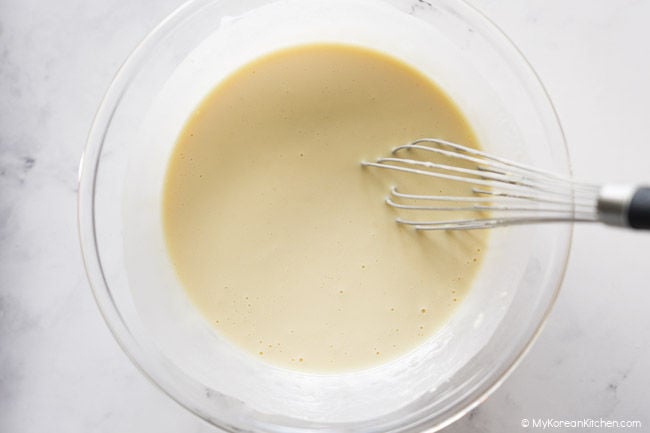
The batter is a light emulsion of flour and water. The goal is a thin, almost translucent coating. A heavy, thick batter would overwhelm the delicate cabbage; a light coating, however, provides just enough structure to facilitate the Maillard reaction, turning the leaf a beautiful golden brown without masking its flavor profile.
4. Pan-Frying and Timing
The choice of fat is where Baechujeon reaches its peak. While neutral oils are standard, traditionalists often incorporate perilla oil. Perilla oil, derived from the seeds of the perilla plant, offers a deep, nutty, and slightly earthy aroma that complements the sweetness of the cabbage. The cabbage is dipped into the batter, drained of excess, and placed into a preheated pan with a thin layer of oil. Frying over medium heat for one to two minutes per side ensures the edges become delicate and crispy while the interior remains soft.
Supporting Data: Nutrition and Culinary Value
Despite its humble nature, Baechujeon is surprisingly light compared to its more robust counterparts. A standard serving contains approximately 54 kcal, making it an excellent appetizer or side dish. The nutritional profile is modest:
- Calories: 54 kcal
- Carbohydrates: 9g
- Protein: 1g
- Fat: 1g (primarily unsaturated)
- Fiber: 0.5g
The low caloric density, combined with the presence of essential vitamins (notably Vitamin C and A), positions Baechujeon as a healthier alternative to deep-fried snacks. Furthermore, the inclusion of saeujeot (salted shrimp) in some variations provides a burst of umami and depth that elevates the dish without significantly increasing the fat or calorie count.
Official Perspectives: The Chef’s Philosophy
Culinary experts and traditional Korean chefs emphasize that Baechujeon is a "season-agnostic" dish. While it is often associated with the winter harvest of napa cabbage, its simplicity makes it a year-round staple. Many chefs argue that the success of the dish depends on the "breath" of the ingredients.
"The pancake should feel light, not oily," says one instructor from a Seoul-based culinary institute. "When you bite into it, you should taste the cabbage first, then the nutty hint of the perilla, and finally the clean, salty finish of the dipping sauce. If you taste the batter more than the cabbage, you have lost the essence of the dish."
This perspective highlights why Baechujeon remains a benchmark for home cooks: it is unforgiving in its simplicity. Because there are no strong spices or heavy sauces to hide behind, the quality of the cabbage and the precision of the heat control are immediately apparent to the diner.
Implications for Modern Home Cooking
The rise of Baechujeon in international home cooking reflects a broader shift toward mindful consumption. As consumers move away from processed convenience foods, dishes that rely on single, high-quality vegetables are gaining favor.
Why It Fits the Modern Kitchen:
- Minimalist Logistics: The dish requires minimal grocery shopping. With only cabbage, flour, and oil as the primary components, it is an accessible, budget-friendly, and sustainable meal.
- Versatility: While traditionally served as an appetizer, its nutritional profile allows it to be served as part of a larger, balanced meal, perhaps alongside steamed rice and a light protein.
- Cultural Connection: As Korean media and culture continue to permeate global consciousness, the demand for authentic, traditional recipes that are manageable for the home cook is at an all-time high. Baechujeon serves as a perfect entry point for those intimidated by the complexity of traditional kimchi making.
Mastering the Experience
To elevate the Baechujeon experience, the choice of dipping sauce is paramount. A classic soy-based sauce—infused with a touch of vinegar, a hint of sugar, and perhaps some toasted sesame seeds—provides the necessary acidity to cut through the richness of the oil. Serving it warm, ideally straight from the pan, is non-negotiable. The contrast between the hot, crispy edge and the cool, sweet leaf is the defining sensory experience of the dish.
Conclusion
Baechujeon is more than just a pancake; it is a culinary exercise in restraint. By stripping away the noise of excessive ingredients, it allows the inherent, subtle beauty of the napa cabbage to take center stage. Whether you are a seasoned chef or a novice in the kitchen, the process of scoring, salting, and frying these delicate leaves offers a meditative, rewarding experience. In an era of complexity, there is a profound, lasting comfort in the simplicity of a perfectly golden, crispy cabbage pancake. As you master the techniques—the light batter, the careful heat management, and the aromatic touch of perilla oil—you will find that this traditional dish is not just a recipe, but a timeless lesson in the power of less.

 Nana Wu
  Pevita Pearce
