 By Asro
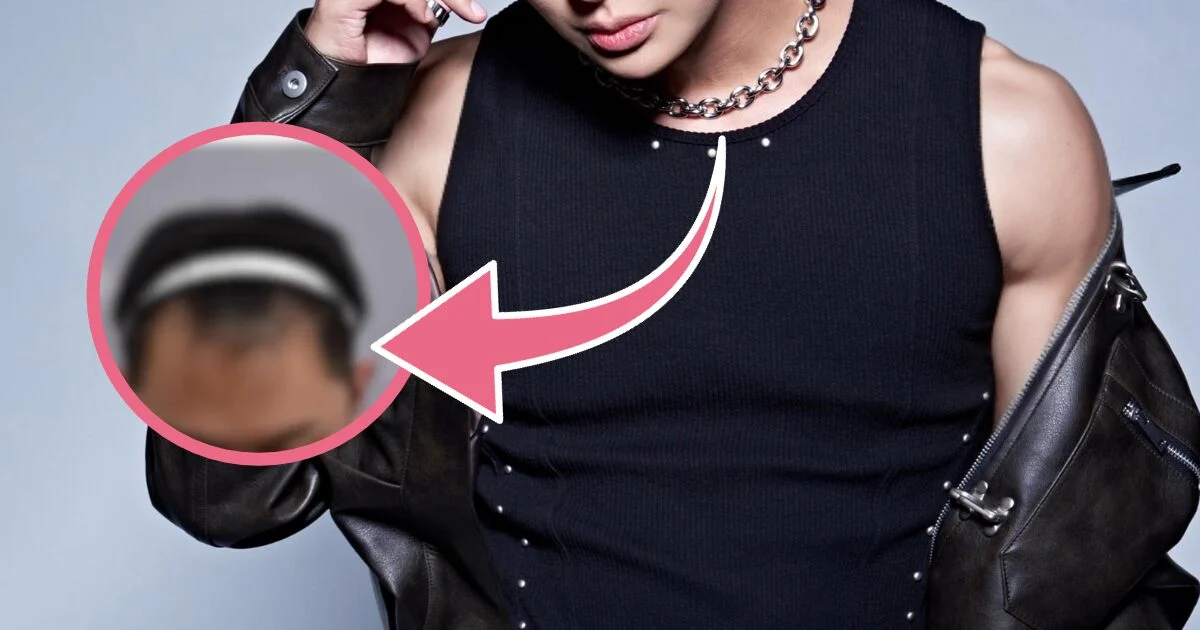
Taiwanese entertainer Brent Hsu, a well-known figure from the boy group SpeXial and popular drama series KO One, has made a public admission regarding his experience with male pattern baldness and subsequent hair transplant procedure. This candid revelation, shared on November 24, marks a significant moment of transparency within the often image-conscious East Asian entertainment industry, as Hsu openly presented before-and-after photographs illustrating the success of his treatment. His stated intention behind this disclosure is to offer support and guidance to others grappling with similar insecurities, fostering a dialogue around a common yet frequently stigmatized issue.
The Genesis of Insecurity: An Idol’s Silent Struggle with Hair Loss
Brent Hsu, who first rose to prominence in 2012 as a member of the highly popular Taiwanese boy group SpeXial, later solidified his celebrity status through his portrayal of Hua Linglong in the successful KO One drama series and its various sequels. Throughout his career, which demands a high level of visual perfection and youthful aesthetics, Hsu privately confronted a challenge that many men face: hair thinning. He first observed signs of balding in his late 20s, a period when many male idols are at the peak of their visual appeal and marketability.
The entertainment industry, particularly in East Asia, places immense emphasis on physical appearance. Idols and actors are frequently scrutinized for every aspect of their visuals, from flawless skin to voluminous hair. For a public figure like Hsu, the onset of hair loss could understandably generate considerable insecurity and pressure. Male pattern baldness, medically known as androgenetic alopecia, is a hereditary condition that affects millions worldwide. While often associated with middle age, it can commence as early as adolescence, with noticeable thinning becoming common in men by their late twenties and early thirties. Studies indicate that approximately 25% of men with hereditary hair loss begin to lose hair before the age of 21, and by age 35, roughly 40% of men experience some degree of hair loss. The psychological impact of this condition can be profound, leading to decreased self-esteem, anxiety, and even depression, sentiments amplified when one’s livelihood is inextricably linked to maintaining a specific public image. Hsu’s personal account echoes these broader challenges, highlighting the emotional toll that hair loss can exert, even on successful and admired celebrities.
The Path to Restoration: Undergoing a Hair Transplant
Faced with his escalating concerns, Brent Hsu made the proactive decision to seek a permanent solution. Approximately three years ago, he underwent a hair transplant procedure. This medical intervention is a sophisticated surgical technique designed to restore hair by transplanting individual hair follicles from one part of the body, known as the "donor site," to a bald or balding part of the body known as the "recipient site." In Hsu’s case, hair was strategically extracted from the back and sides of his head – areas typically resistant to balding – and meticulously transplanted to his receding hairline.
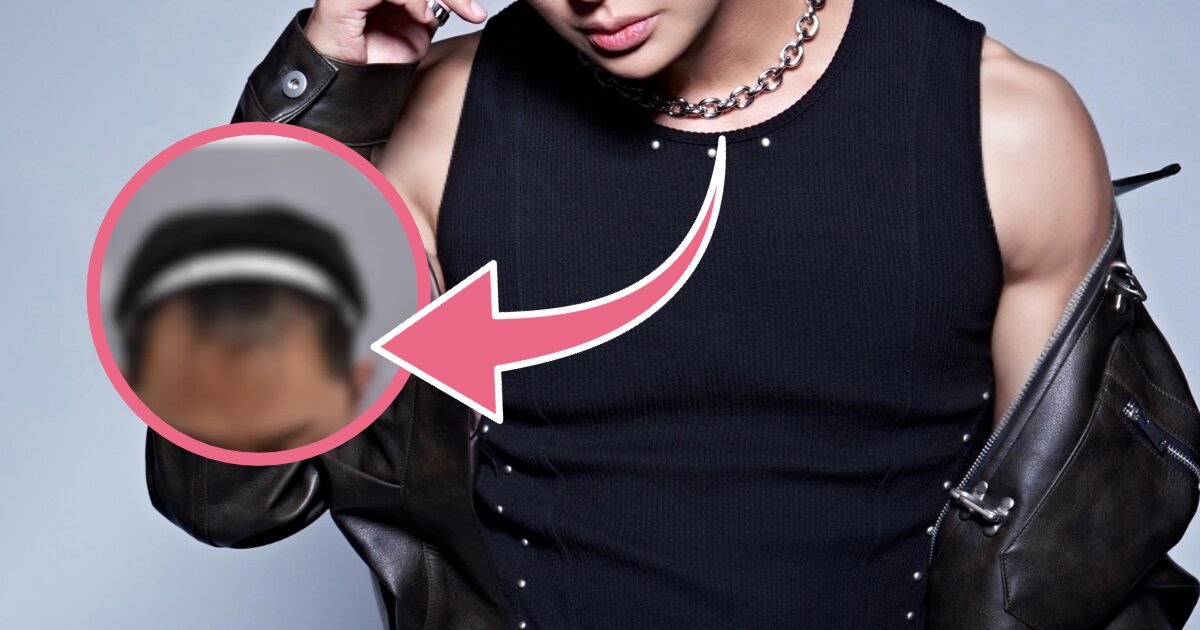
The procedure he likely underwent was either Follicular Unit Extraction (FUE) or Follicular Unit Transplantation (FUT). Given the description, FUE is a common choice for celebrities due to its minimally invasive nature and the absence of a linear scar, though FUT can also yield excellent results. In an FUE procedure, individual follicular units (groups of 1-4 hairs) are extracted directly from the scalp using a micro-punch tool. These units are then carefully prepared and implanted into tiny incisions made in the balding areas. Hsu reported that his procedure involved approximately 2,500 hair grafts. This number of grafts is significant and typically addresses moderate to substantial hair loss in the frontal hairline and potentially the mid-scalp area. The cost associated with his procedure was NT$200,000, which translates to approximately $6,300 USD. This figure is generally consistent with the market rates for such extensive procedures in Taiwan and other parts of Asia, which can vary widely based on the number of grafts, the clinic’s reputation, and the surgeon’s expertise. The recovery period for hair transplants typically involves a few days of minor swelling and redness, with the transplanted hairs shedding within a few weeks before new, permanent hair growth begins several months later.
Successful Outcomes and Renewed Confidence
Hsu’s openness extends to his satisfaction with the results of his hair transplant. He confidently stated that the success and survival rate of the transplanted hair exceeded 95%. This high success rate is well within the expected range for modern hair transplant techniques like FUE and FUT, which boast average graft survival rates of 85-95% when performed by experienced surgeons. The visual evidence shared by Hsu, showcasing clear before-and-after transformations, corroborates his positive experience.
His comfort in discussing the procedure now, after what was likely a period of private struggle and initial hesitancy, underscores a personal journey towards self-acceptance and a desire to dismantle societal taboos. By sharing his story and encouraging those with similar concerns and financial capacity to "consider consulting a specialist," Hsu is actively promoting awareness and destigmatization. His message implicitly validates the decision to seek cosmetic enhancements for personal well-being, framing it not as a superficial indulgence but as a legitimate solution to a source of significant distress.
The Broader Landscape: Cosmetic Procedures in East Asian Entertainment
Brent Hsu’s revelation is particularly impactful within the context of the East Asian entertainment industry, where the pursuit of an idealized aesthetic is intense and widespread. While cosmetic procedures are commonplace among celebrities globally, there has traditionally been a culture of discretion, with many stars opting to keep such interventions private. However, a gradual shift towards greater transparency is emerging, driven by a combination of factors including increased public awareness, advanced medical technologies, and a growing emphasis on authenticity.
In South Korea, for instance, a major hub for plastic surgery and cosmetic treatments, the industry has long upheld stringent beauty standards. Similarly, in Taiwan, mainland China, and Japan, idols and actors face immense pressure to maintain youthful appearances. This pressure often begins early in their careers and extends throughout their professional lives. Hair loss, while a natural part of aging for many, can be particularly detrimental to a celebrity’s career trajectory, potentially impacting casting opportunities and public image. Therefore, hair restoration treatments have become increasingly popular, not just among the general public but also within celebrity circles. Hsu’s open admission contributes to a growing trend of public figures, from K-Pop idols to Hollywood actors, acknowledging their cosmetic journeys, thereby normalizing these procedures for their vast fan bases.

Beyond Aesthetics: Psychological Impact and Mental Wellness
The decision to undergo a cosmetic procedure like a hair transplant extends far beyond mere aesthetics; it often profoundly impacts an individual’s psychological well-being. For someone in the public eye, where every angle is captured and shared, the feeling of losing control over one’s appearance can be particularly distressing. Hair is often linked to identity, youth, and vitality, and its loss can erode confidence and self-esteem.
Hsu’s journey highlights how addressing such a visible insecurity can lead to significant improvements in mental health. The confidence he now exudes, reflected in his willingness to share his story and results, is a testament to the positive psychological outcomes of successful hair restoration. By openly discussing his balding and the solution he pursued, Hsu helps to destigmatize not only hair loss itself but also the act of seeking medical help for aesthetic concerns. This transparency can serve as a powerful message to fans and the wider public that it is acceptable, and even beneficial, to take steps to address aspects of one’s appearance that cause distress, fostering a more compassionate and understanding dialogue around body image and self-care.
Financial Considerations and Global Accessibility of Hair Transplants
The NT$200,000 (approximately $6,300 USD) spent by Brent Hsu on his hair transplant offers a glimpse into the financial investment required for such procedures. While a significant sum, it positions hair transplants as an accessible option for those with the financial means, as Hsu himself noted. The cost of hair transplants varies globally, with countries like Turkey and India often offering more competitive prices, making them popular destinations for medical tourism. However, clinics in Taiwan, South Korea, and Japan, while potentially pricier, are renowned for their high standards of care, advanced techniques, and experienced specialists.
The growing market for hair restoration treatments underscores a global demand driven by increasing awareness of available solutions and changing societal attitudes. While the procedure remains an investment, the long-term psychological and aesthetic benefits often justify the cost for individuals experiencing significant distress from hair loss. Hsu’s candid discussion around the financial aspect adds a practical dimension to his advice, ensuring that his message is grounded in reality for those considering similar paths.
Shifting Narratives: Celebrity Transparency and Societal Norms
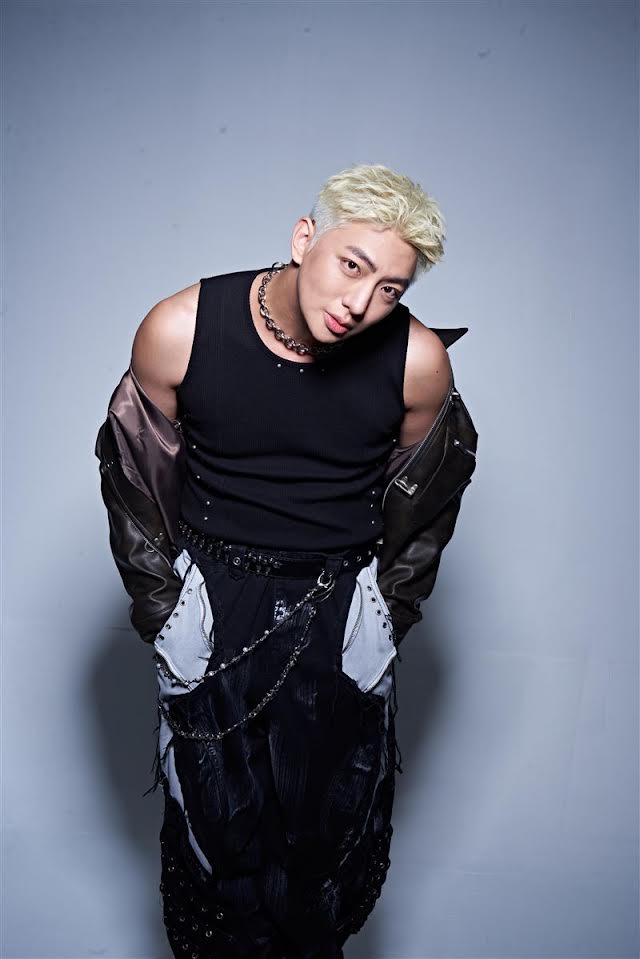
Brent Hsu’s decision to reveal his hair transplant is part of a broader, evolving narrative regarding celebrity authenticity and societal beauty standards. In an era dominated by social media, where curated images often present an unrealistic ideal, the transparency of public figures like Hsu can be profoundly impactful. By showing his before-and-after journey, he challenges the notion that celebrities are effortlessly flawless. Instead, he humanizes the experience of dealing with aesthetic imperfections and the proactive steps taken to address them.
This move contributes to the normalization of cosmetic procedures, slowly dismantling the stigma that has long surrounded them. When a popular idol openly discusses his experience, it can empower others, particularly men, who might feel shame or embarrassment about their own hair loss. It encourages a shift from silent suffering to openly seeking solutions and discussing personal vulnerabilities. This transparency can foster a more realistic understanding of beauty in the public eye, promoting self-acceptance and encouraging individuals to prioritize their own well-being over conforming to impossible, often unachievable, ideals. It also subtly influences the entertainment industry to potentially become more accepting of diverse appearances and the realities of human physiology.
Anticipated Public Reception and Implications
While specific fan reactions to Brent Hsu’s revelation are yet to be fully documented, the general trend for such candid celebrity admissions is overwhelmingly positive. Fans often appreciate honesty and vulnerability from their idols, viewing it as a sign of authenticity and relatability. Such disclosures can foster a stronger connection between celebrities and their audiences, as it highlights shared human experiences and struggles.
It is likely that Hsu’s statement will be met with widespread support, commendation for his bravery, and possibly an outpouring of shared stories from individuals who have faced similar challenges. His willingness to speak out could spark broader conversations about male body image, the pressures of celebrity, and the growing acceptance of cosmetic solutions for personal confidence. In the long term, this type of transparency by influential figures like Brent Hsu helps pave the way for a more open, empathetic, and less judgmental society, where individuals feel empowered to make personal choices about their appearance without fear of stigma or ridicule. His actions serve as a testament to the power of celebrity influence in shaping societal perceptions and promoting self-acceptance.
Conclusion: A Step Towards Greater Authenticity
Brent Hsu’s open admission of his balding and subsequent hair transplant procedure is more than just a personal anecdote; it is a significant cultural statement. By bravely sharing his journey, he not only addresses a common male insecurity but also contributes to a growing movement of transparency within the entertainment industry. His motivation to help others in similar positions transforms his personal experience into a public service, encouraging dialogue, offering practical advice, and normalizing cosmetic solutions. In an age where authenticity is increasingly valued, Hsu’s candidness marks a commendable step towards demystifying celebrity life and fostering a more empathetic and understanding public discourse around beauty, self-image, and mental well-being.

