
 By Asro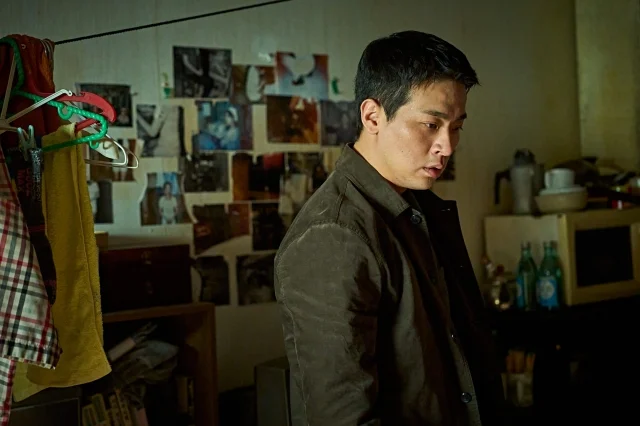
In a significant development for Japanese cinema, the highly anticipated feature film The Face (known in Japanese as Kao) is set to make its grand debut on August 28, 2025. This project represents more than just a standard release; it is a profound exploration of identity, memory, and the enduring power of the human spirit. Directed by the visionary Junji Sakamoto, the film serves as a poignant revival of a story that has captivated audiences for decades, bringing together a stellar cast and a narrative depth that promises to resonate with both long-time fans and a new generation of film enthusiasts.
Main Facts: A New Chapter in Japanese Drama
The Face is a masterpiece of contemporary storytelling, centered on the complex psychological journey of its protagonist, Masako. The film follows Masako, a woman who has spent four decades living in the shadows, burdened by the weight of a past she could never fully reconcile. Her life takes a dramatic turn when she is forced to emerge from her isolation and face the world she once abandoned.

The film is produced by WOWPOINT and features a screenplay that weaves together themes of familial duty, social alienation, and the eventual reclamation of self-worth. With a runtime of 103 minutes and a sophisticated 5.1 channel surround sound mix, the production quality is designed to immerse the viewer in the atmospheric tension of Masako’s evolving reality. The film will be distributed across various platforms, including major streaming services like Netflix, ensuring that its powerful message reaches a global audience.
The Chronology of a Masterpiece
The history of The Face is one of evolution and artistic persistence. While the 2025 version stands as a distinct cinematic achievement, it draws its roots from a rich tradition of Japanese drama.

- 1970s Origins: The foundational narrative elements were first explored in the early 1970s, establishing the archetype of the "hidden woman"—a character defined by her desire for anonymity in an increasingly connected world.
- 2018 Conceptualization: Director Junji Sakamoto began the formal process of re-imagining this narrative in 2018. His goal was to modernize the setting while maintaining the emotional core of the original story.
- 2025 Production: The production phase culminated in early 2025, involving a meticulous selection of locations that mirror the internal decay and subsequent rebirth of the protagonist.
- August 28, 2025: The official theatrical release date, marking the culmination of years of collaborative effort between the production team and the stellar cast.
Supporting Data: Production and Artistic Vision
The film’s production is a testament to the high standards of modern Japanese cinema. Under the guidance of director Junji Sakamoto—a filmmaker renowned for his ability to capture the nuance of the human condition—the team spent months scouting locations that could serve as the backdrop for Masako’s internal struggles.
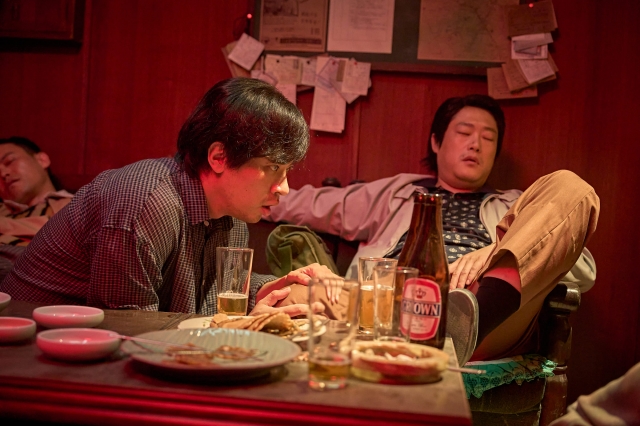
The cinematography utilizes a color palette that transitions from muted, monochromatic tones representing Masako’s period of hiding, to vibrant, textured visuals as she begins to re-integrate into society. This visual storytelling technique is supported by a minimalist yet evocative score, which heightens the emotional stakes of the film’s climactic scenes.
Cast and Crew Highlights
- Director: Junji Sakamoto
- Production Company: WOWPOINT
- Distribution: Domestic theaters and international streaming via Netflix
- Technical Specs: 103 minutes, 5.1 Surround Sound
The choice of casting was pivotal. By selecting actors who could convey profound emotion through silence and micro-expressions, Sakamoto has ensured that The Face remains a character-driven experience rather than one reliant on spectacle. The film also features a deliberate pace, allowing the audience to sit with the discomfort and eventual peace that the protagonist experiences.
Official Responses and Creative Intent
In a recent press conference, the production team at WOWPOINT emphasized that the primary motivation behind the film was to spark a dialogue about "the faces we wear." In an era where digital presence often dictates our social identity, The Face poses a challenging question: Who are we when no one is watching?
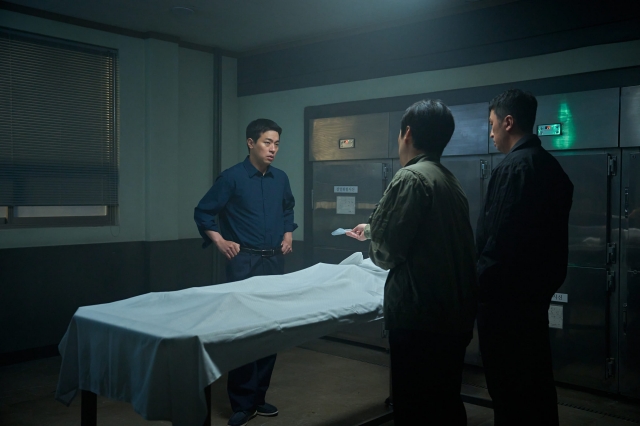
Director Sakamoto noted, "Masako is a mirror for all of us. She represents the parts of our past that we are afraid to confront. Through this film, we wanted to capture the difficulty—and the necessity—of claiming one’s own narrative."
The film has already garnered attention for its uncompromising look at the Japanese social landscape. By highlighting the contrast between the rigid expectations of family and the individual’s desire for freedom, the filmmakers have crafted a story that feels both timeless and urgently relevant. The decision to partner with platforms like Netflix reflects a desire to bridge the gap between traditional cinema and modern consumption habits, making the story accessible to younger viewers who may not have been exposed to the earlier iterations of this narrative.

Implications: A Mirror to Society
The release of The Face arrives at a pivotal time in Japanese culture, where discussions regarding mental health, social isolation (hikikomori), and the restructuring of family units are becoming increasingly prominent.
Impact on Modern Cinema
- Redefining Drama: The Face challenges the trend of fast-paced, plot-heavy storytelling, opting instead for a slow-burn character study that trusts the audience’s intelligence.
- Global Reach: By leveraging international distribution, the film serves as a cultural ambassador, offering global viewers a window into the nuanced realities of life in Japan.
- The Power of Memory: The film’s success will likely trigger a resurgence of interest in 1970s and 80s Japanese drama, as audiences look to revisit the source material that inspired such a poignant adaptation.
Social Significance
The story of Masako is not merely a tragedy or a triumph; it is an examination of what it means to be human in a society that often demands conformity. The film suggests that the "face" we present to the world is often a mask, and that true identity is found only when we are brave enough to let that mask fall.
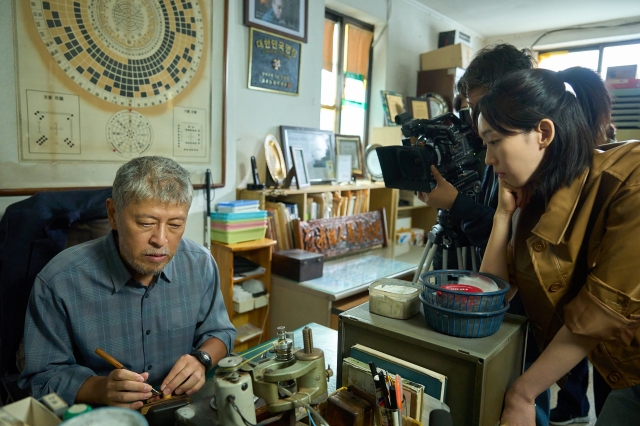
As the industry looks toward the late 2025 awards season, The Face is already being touted as a frontrunner for its screenplay and lead performance. Its influence will likely be felt in the coming years, encouraging other directors to take risks on stories that favor human complexity over commercial tropes.
Final Reflections
As we approach the August 28 premiere, the buzz surrounding The Face continues to grow. It is rare for a film to balance the weight of historical legacy with the freshness of modern perspective so effectively. Whether it is through the haunting cinematography, the powerhouse performances, or the deeply philosophical screenplay, the film is poised to leave an indelible mark on the landscape of global cinema.

For those waiting to see it, the film serves as an invitation—an invitation to sit in the dark, watch the screen, and perhaps recognize a piece of themselves in the face of Masako. It is a reminder that no matter how long one stays in the shadows, there is always a path back to the light, provided one is willing to face the truth of their own history.
In a world filled with noise, The Face offers a quiet, powerful resonance that is bound to stay with the viewer long after the credits roll. As the production team prepares for the final countdown to the release, one thing is certain: Japanese cinema has found a new, powerful voice in this timeless, re-imagined story.



 Basiran
  Siti Muinah
  Neng Nana
