
 By Laily UPN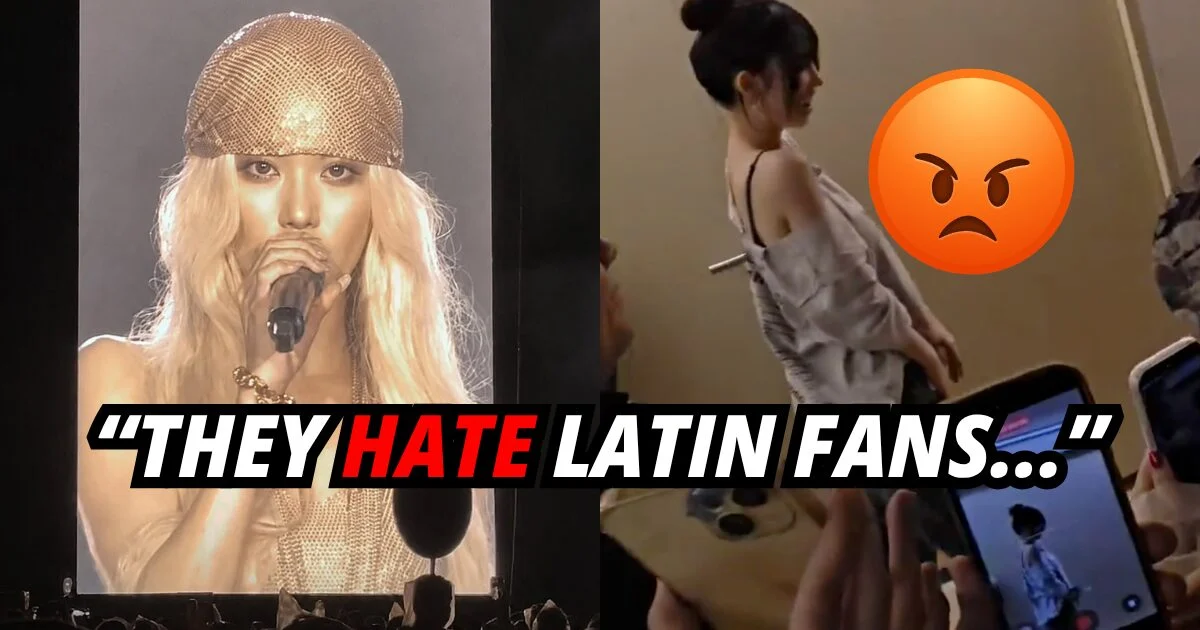
The Latin American leg of aespa’s highly anticipated SYNK : COMPLÆXITY world tour began on September 4 at the Mercado Livre Arena Pacaembu in São Paulo, Brazil, but the event has quickly become a flashpoint for international controversy. While the South Korean quartet—comprising Karina, Giselle, Winter, and Ningning—delivered their trademark high-energy performances, the concert was marred by significant logistical failures, allegations of misleading advertising regarding VIP perks, and a perceived disparity in the quality of the production compared to previous tour stops in Asia. In the wake of the show, a growing collective of fans has begun consulting legal counsel to explore a class-action lawsuit against the tour organizers and SM Entertainment, citing a breach of consumer rights and "xenophobic" treatment of the Latin American audience.
The VIP Send-Off Controversy and Financial Disparity
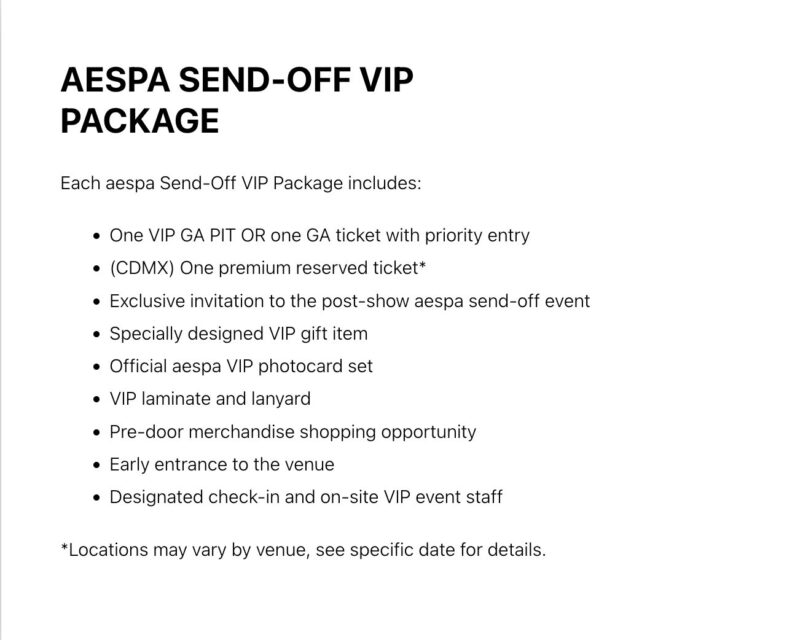
The primary catalyst for the current outrage centers on the "VIP Send-off" event, which was marketed as the premier tier of the concert experience. According to the official ticketing information provided by Live Nation and local promoters, the highest-tier tickets included exclusive merchandise, early entry to the venue, and an "exclusive invitation to the post-show aespa send-off event." In the context of K-pop touring standards, a "send-off" typically involves a controlled environment where artists walk slowly past a small group of fans, often stopping to sign albums, answer brief questions, or engage in several minutes of direct interaction.
However, attendees in São Paulo reported a vastly different reality. Fans who paid approximately 2,689 Brazilian Real (roughly $524 USD) for the VIP package claimed the interaction lasted less than a minute. Video evidence circulating on social media platforms such as X (formerly Twitter) and TikTok shows the members of aespa walking briskly past the barricades, waving for approximately 10 to 55 seconds before exiting the area.
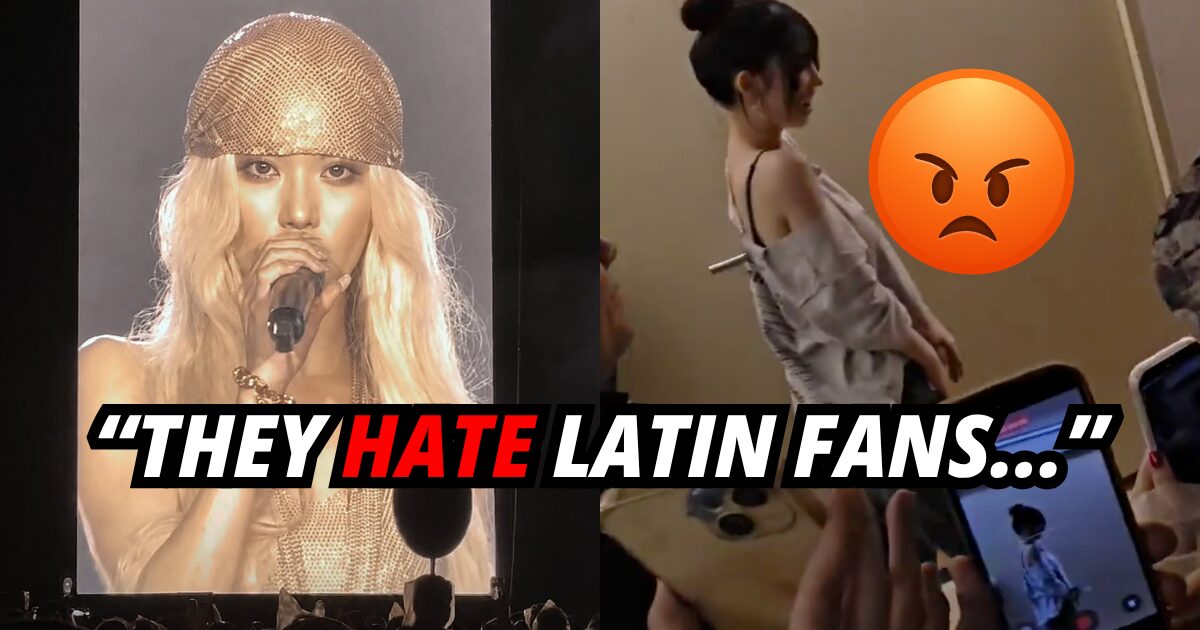
The frustration is compounded by the local economic context. In Brazil, where the monthly minimum wage is approximately 1,412 BRL, the cost of a VIP ticket represents nearly two months of labor for the average worker. Fans argued that the "send-off" they received was inferior to the "Hi-Bye" sessions offered at lower price points, where fans at least get a momentary face-to-face greeting. The discrepancy has led to accusations of predatory pricing, with fans alleging that the organizers charged premium rates for a "premium" experience that failed to materialize.
Disparities in Production and Setlist Alterations
Beyond the VIP experience, the general production of the São Paulo show has come under heavy scrutiny. Comparisons between the Brazilian kickoff and the tour’s earlier dates in Seoul and Japan reveal significant downgrades in the stage setup and technical execution. Fans noted that the stage at the Mercado Livre Arena Pacaembu was substantially smaller than the elaborate, multi-tiered platforms used in Asia, which limited the group’s choreography and visual impact.
Furthermore, the setlist for the São Paulo concert was reportedly shortened by three songs compared to previous stops. While setlist variations are common in international touring due to curfew restrictions or logistical constraints, fans expressed disappointment that no official explanation was provided for the omissions. This reduction in content, paired with reports of poor visibility from the upper-level seats and regular floor sections, has fueled a narrative that the Latin American leg of the tour is being treated as a "second-class" endeavor.
Technical issues also extended to the venue’s infrastructure. Attendees reported being subjected to extreme weather conditions, standing in "blazing sun" for hours during the entry process only to be met with heavy rain during the performance. While weather is outside the organizers’ control, the lack of adequate shelter or communication regarding entry times exacerbated the physical toll on the audience.

Merchandising and the "Amateur" Aesthetic
Another point of contention involves the exclusive VIP merchandise. In K-pop culture, "photocards" and tour-exclusive items are highly valued collectibles. However, fans in Brazil described the VIP gifts as "amateur" and "ridiculous" in quality compared to the sleek, high-production merchandise distributed in South Korea.
Social media comparisons highlighted a stark difference in design aesthetic and material quality. "We paid for a world-class experience and received something that looked like it was printed at a local shop at the last minute," one fan noted in a viral post. The sentiment that SM Entertainment and the local organizers "did not want to bring the full aespa experience to Brazil" has become a recurring theme in the online discourse, with many calling for a formal apology and partial refunds for the VIP tier.
Chronology of the SYNK : COMPLÆXITY Latin American Leg
The issues began long before the first note was played in São Paulo. The timeline of the tour’s arrival in South America is marked by several red flags that fans now point to as evidence of poor planning:
- Ticket Launch: When tickets first went on sale, fans immediately flagged the exorbitant pricing relative to the local economy. Despite the high prices, the "VIP Send-off" sold out quickly due to the rarity of the group’s appearances in the region.
- Venue Concerns: In the weeks leading up to the show, aerial photos of the Mercado Livre Arena Pacaembu began circulating, showing what appeared to be an "empty" or undersold venue. While some attributed this to the high ticket prices, others blamed a lack of local marketing.
- The Show Day (September 4): Fans arrived early for VIP check-in, facing logistical bottlenecks and inconsistent communication from staff regarding the timing of the soundcheck and send-off events.
- Post-Show Fallout (September 5): Within hours of the concert’s conclusion, "Send-off" became a trending topic on social media as fans shared videos of the brief interaction. Legal templates and "Procon" (Brazil’s consumer protection agency) filing instructions began circulating among fan bases.
Implications for K-pop’s Expansion in Latin America
The controversy surrounding aespa’s São Paulo concert highlights a broader systemic issue within the K-pop industry’s global expansion strategy. Latin America has long been one of the most passionate and dedicated markets for Hallyu (the Korean Wave), yet it is frequently the site of logistical complaints, high prices, and perceived "xenophobia" from major entertainment agencies.

The accusation of xenophobia stems from the perception that agencies believe Latin American fans will "accept anything" because of their desperation to see their idols in person. By offering a diminished version of the show at a higher price point, critics argue that organizers are exploiting the emotional investment of the fandom.
"They treat us like savages who don’t know the difference between a high-quality event and a rushed one," wrote one fan in a widely shared manifesto. "If they cannot provide the same level of service that they do in Seoul or Tokyo, they should not be charging more than they do in those cities."
Potential Legal Repercussions
Under Brazilian Consumer Defense Code (CDC), companies are required to deliver services exactly as they are advertised. The "exclusive invitation to a send-off event" is a contractual promise made at the point of sale. If a court or consumer protection agency determines that a 10-second walk-by does not constitute a "send-off event" as reasonably understood by the market, the organizers could be forced to issue partial refunds to thousands of ticket holders.
Furthermore, Brazil’s "Procon" is known for its aggressive stance against international corporations that fail to respect local consumer laws. In the past, other international artists have faced fines and legal mandates in Brazil over similar "VIP package" failures. If the threatened legal action moves forward, it could set a significant precedent for how K-pop tours are managed in the region moving forward.
Conclusion and Future Outlook
As aespa continues the Latin American leg of the SYNK : COMPLÆXITY tour, moving toward Mexico and eventually North America and Europe, the shadow of the São Paulo kickoff looms large. Fans in upcoming cities are now on high alert, demanding transparency from promoters regarding the exact nature of VIP perks and the contents of the setlist.
SM Entertainment and Live Nation have yet to issue a formal statement regarding the specific complaints raised by the Brazilian fans. The silence from official channels has only served to further galvanize the "MY" (aespa’s fandom) community, who are now using their collective digital presence to demand better treatment for international audiences.
The success of a world tour is often measured by ticket sales and viral moments, but the long-term sustainability of a group’s global brand depends on the trust and satisfaction of its fan base. For aespa and SM Entertainment, the events in São Paulo serve as a stark reminder that in the age of instant global communication, disparities in service can no longer be hidden or ignored. Whether this leads to a shift in how K-pop tours are organized in "emerging markets" remains to be seen, but for the fans in Brazil, the fight for accountability is just beginning.

