 By Lina Irawan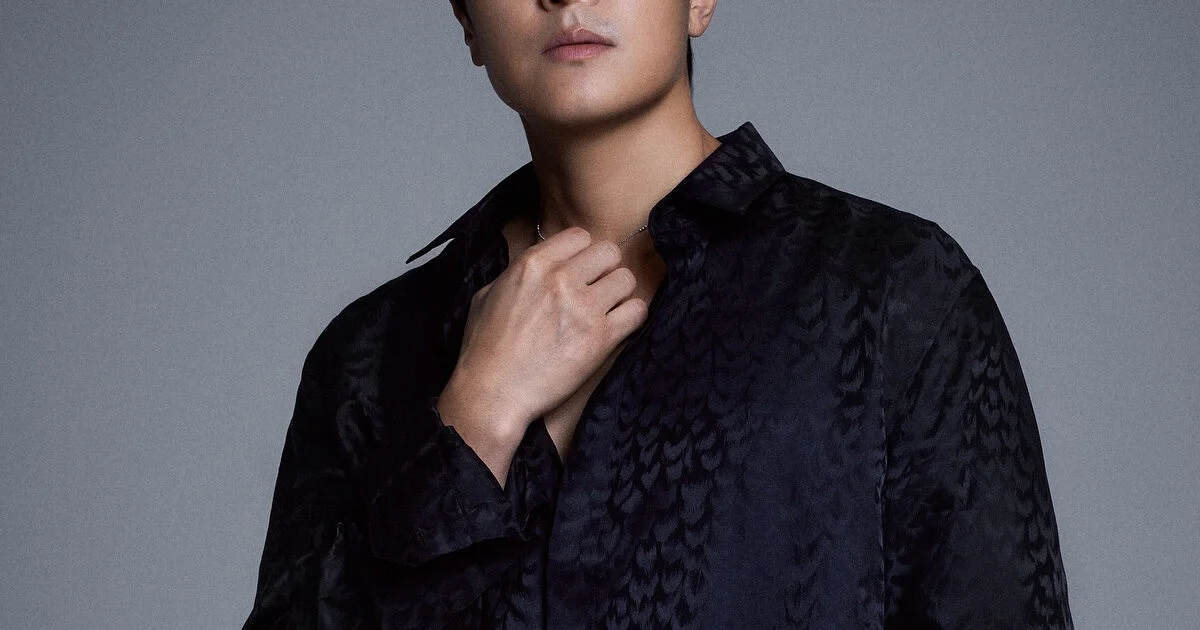
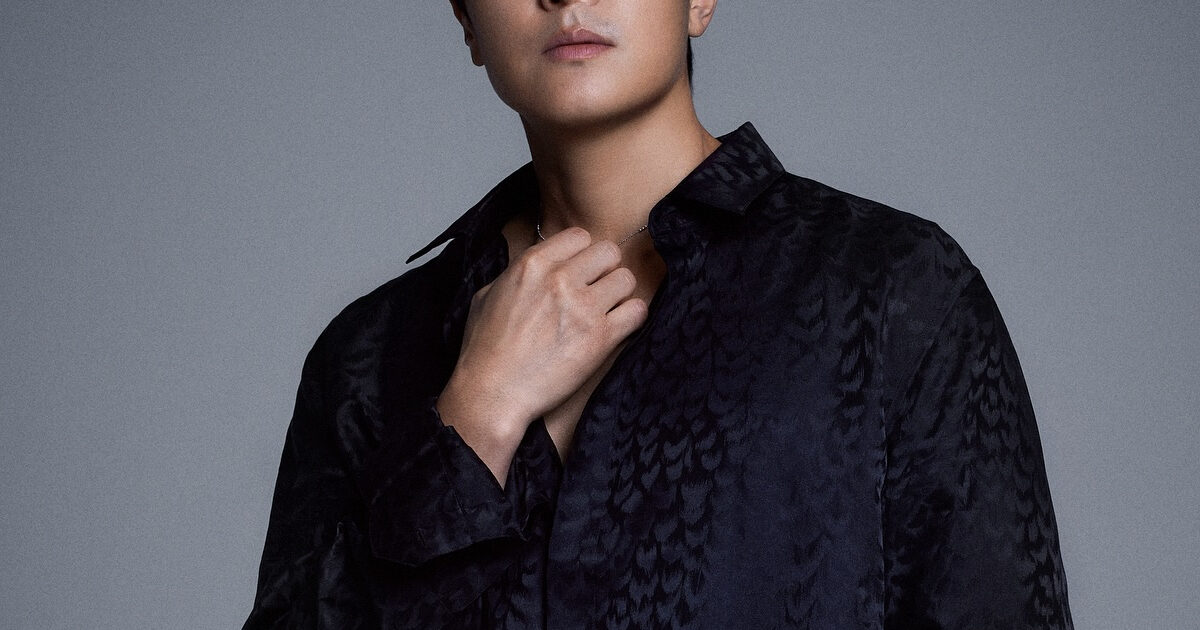
The seasoned K-pop idol Kim Dongwan, a prominent member of the iconic group Shinhwa, has once again found himself at the center of a social media storm, drawing significant criticism not only from the general public but also from his loyal fanbase. This latest wave of disapproval stems from his vocal defense of YouTuber Park We, a paraplegic content creator who faced a severe backlash after releasing CCTV footage depicting an incident involving a social service worker and his wheelchair. The controversy highlights the intricate balance public figures must maintain in the age of instant communication, where even well-intentioned commentary can ignite unforeseen consequences.
The Genesis of the Controversy: Park We’s KTX Incident
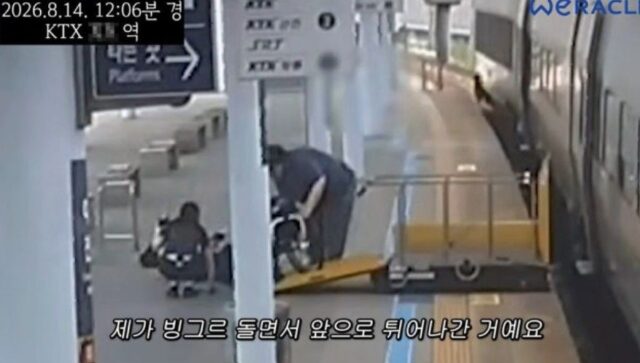
The saga began with YouTuber Park We, known for his candid content addressing life as a paraplegic, uploading a video titled "Why I’m Revealing CCTV Footage" to his popular YouTube channel. The footage captured a concerning incident that occurred while Park We was disembarking from a KTX train on a ramp. In the video, a social service worker’s foot inadvertently caught the wheel of Park We’s wheelchair, causing him to fall. The immediate aftermath of the video’s release saw a surge of public debate regarding accessibility, the responsibilities of support staff, and the ethics of publicizing such incidents.
Park We, who gained significant traction for his honest portrayal of living with a disability, including documenting his recovery journey after an accident, often uses his platform to advocate for greater awareness and improved infrastructure for people with disabilities. His content typically resonates with millions, making him a powerful voice in South Korea’s disability community. The video in question was initially perceived by some as an attempt to shed light on potential systemic issues or negligence, prompting a strong reaction from viewers who felt it highlighted the vulnerabilities faced by individuals relying on assistance.
However, the public’s reaction quickly diversified. While some sympathized with Park We’s predicament and called for stricter training for social service workers, a considerable portion of the online community began to criticize Park We himself. Arguments arose suggesting that the video unfairly exposed the social service worker, who appeared to have made an unintentional mistake, to public condemnation. Critics pointed out that the worker seemed to be genuinely attempting to assist Park We, and the incident, while regrettable, might have been an accident rather than a deliberate act of carelessness. This perspective gained traction, leading to accusations of recklessness against Park We for potentially inciting a witch hunt against an individual.
Park We’s Apology and the Unabated Backlash
As the criticism mounted, Park We issued an apology, acknowledging the misjudgment in his approach. He stated, "I thought negatively about the mistakes made in the process of helping me better. My way of delivering the message was immature and thoughtless." This apology was an attempt to quell the escalating controversy and redirect the focus from the individual worker to the broader issue of support and safety. However, despite his remorseful statement, the backlash did not subside.
The incident sparked a wider discussion on accountability, privacy, and the power dynamics inherent in publicizing personal interactions, particularly when one party is a public figure and the other is a private individual performing a service. Many felt that the apology, while necessary, came too late and did not fully address the damage done to the social service worker’s reputation. The controversy even led to a noticeable drop in Park We’s YouTube subscriber count, signifying the depth of public disapproval and the potential for a public figure’s actions to significantly impact their standing. The episode underscored the delicate balance content creators must strike between raising awareness and ensuring ethical representation of others in their content.
Kim Dongwan’s Intervention and Initial Defense
It was amidst this volatile environment that Kim Dongwan, a veteran idol known for his frank opinions and active social media presence, decided to weigh in. Kim Dongwan, a member of the legendary first-generation K-pop group Shinhwa, has cultivated a reputation for being outspoken on various social issues, often using his personal platforms to share his perspectives. This characteristic, while endearing to many fans who appreciate his authenticity, has also occasionally led him into contentious territory.
Kim Dongwan initially expressed his thoughts on the matter, stating, "He is new to having a disability. From his perspective as someone with a disability, he could only consider everything as such. And the stories that came from that moment gave a chance for people without disabilities to reflect." This initial statement appeared to position Kim Dongwan as an advocate for understanding Park We’s perspective, emphasizing the unique challenges and experiences of individuals with disabilities. He seemed to suggest that Park We’s reaction, even if flawed in execution, stemmed from a place of lived experience and could serve as a valuable lesson for the abled community.
He further added a broader commentary on the rapid dissemination of information in the digital age: "I do not know all the details of this incident. But I do realize that the time it takes for an ordinary person to become news has become very short." This observation hinted at the increased scrutiny and accelerated judgment cycles prevalent in contemporary online discourse, subtly linking Park We’s situation to a larger societal trend.
Chronology of Clarifications and Evolving Statements
As Kim Dongwan’s initial comments themselves began to draw attention, he felt compelled to offer further clarifications, indicating an awareness of the nuanced and sensitive nature of the debate. He later added, "I have no personal connection or vested interest with Mr. Park We. I do not take lightly the fact that a social service worker who made a mistake without intent and apologized on site is being exposed to criticism." This statement marked a significant shift, demonstrating an attempt to acknowledge the social service worker’s plight and distance himself from any perception of blind allegiance to Park We.
He continued to elaborate on his concerns regarding the nature of online criticism: "The method of releasing the video can be criticized. However, what worries me is that such criticism often extends to condemning a person entirely by dragging up unverified past incidents. When I said ‘ordinary person,’ I meant someone who is immediately reported on without any filtering, not the extent of influence," he clarified. Here, Kim Dongwan articulated a deeper concern about cancel culture and the tendency for online discourse to escalate from critiquing actions to wholesale character assassination, often fueled by unverified information. He aimed to clarify his earlier use of "ordinary person," emphasizing the rapid public exposure individuals face, regardless of their celebrity status, when caught in a controversy.
Finally, Kim Dongwan concluded his series of statements with a definitive stance on the distinction between constructive criticism and personal attacks: "Criticizing mistakes and collectively insulting a person are different things. My intention was that no one should be the target of such attacks. This is my fault and since there were critical comments, I will leave the original text as it is." This final clarification revealed his intent to foster a more measured and humane approach to online criticism, while also taking responsibility for any misunderstanding his initial comments may have caused. By choosing to leave his original text unedited, he demonstrated a willingness to stand by his thoughts, even if they were subject to misinterpretation or criticism.
Prior Instances of Kim Dongwan’s Social Media Scrutiny
This is not the first occasion Kim Dongwan’s social media activities have landed him in hot water. Over the years, he has developed a reputation for being unafraid to express his views on a range of topics, from entertainment industry practices to broader societal issues. While this has garnered him praise for his authenticity and willingness to speak out, it has also occasionally resulted in public disagreements and criticism. For instance, past comments on dating culture within the idol industry, or his stance on certain political or social trends, have sometimes been met with a mixed reception, drawing both support and considerable backlash.
His history suggests a pattern of engaging directly with public discourse, often leveraging his platform to comment on issues he deems important. While this directness is a core part of his public persona, it also places him in a precarious position, as celebrity comments are frequently scrutinized, dissected, and amplified across various online platforms. Each instance adds to a growing narrative about the responsibilities of public figures in navigating the complex landscape of social media and public opinion.
The Backlash Against Kim Dongwan: Fans Turn Critical
Despite Kim Dongwan’s efforts to clarify his position and intentions, the tide of public opinion, and notably, fan sentiment, began to turn against him. The controversy surrounding Park We had already created a highly charged atmosphere, and Kim Dongwan’s intervention, regardless of its nuanced evolution, placed him squarely in the crosshairs. The criticism was particularly poignant as it came from his own loyal fanbase, some of whom have supported him and Shinhwa for decades.
Fan reactions poured in, expressing a mix of concern, disappointment, and direct appeals for him to refrain from engaging in such debates. One long-time fan articulated their apprehension, stating, "Our dear mother always said, ‘Staying silent gets you through just okay.’ Please stop using social media… What you write as your thoughts can be a stone thrown at someone else… the more you speak, the more you lose." This comment encapsulates a common sentiment among fans who prioritize their idol’s well-being and public image over their freedom of expression, especially when that expression leads to controversy. The advice to "stay silent" reflects a protective instinct, hoping to shield their idol from unnecessary conflict.
Another fan, identifying as a long-time Shinhwa supporter, echoed this sentiment, pleading, "I’ve been a Shinhwa fan for a long time. Please just be quiet, that’s the safest path. This is my first comment on this account, please." The urgency and personal nature of this comment underscore the depth of their concern, highlighting how such incidents can strain the deeply personal bond between idols and their dedicated followers. The act of commenting for the first time signifies a breaking point, where the desire to influence their idol’s actions outweighs their usual passive support.
Other reactions further solidified the widespread disapproval: "Better to stay quiet in times like this," "Even public service is new to him," "It’s best to quit social media," and "You yourself are not an ordinary person, so please be very careful with your remarks. That is the influence of someone who is not ordinary." These comments collectively reveal a strong desire for Kim Dongwan to exercise greater caution and discretion on social media, recognizing the significant influence his words carry as a public figure. The idea that he is "not an ordinary person" implicitly places a higher burden of responsibility on his public statements, distinguishing him from a private individual expressing personal opinions.
Broader Implications: Celebrity Responsibility and Online Discourse
This incident involving Park We and Kim Dongwan serves as a compelling case study in the evolving dynamics of celebrity engagement, public accountability, and online discourse in South Korea and beyond.
The Role of Celebrities in Social Commentary: Public figures like Kim Dongwan possess immense platforms, and their words can shape public opinion, for better or worse. While freedom of speech is a fundamental right, celebrities often face a higher expectation of responsibility and discernment due to their amplified reach. The backlash against Kim Dongwan suggests that the public and even fans expect idols to be mindful of the potential ripple effects of their comments, especially on sensitive social issues. This often means carefully considering the timing, phrasing, and potential interpretations of their statements to avoid unintended harm or escalation of conflict.
Navigating Disability Advocacy and Public Perception: Park We’s initial video, intended to raise awareness, inadvertently ignited a debate about the ethics of publicizing private interactions and the potential for unfair targeting. This highlights the complex challenges in disability advocacy, where the line between raising legitimate concerns and potentially demonizing individuals can be blurred. It underscores the need for careful consideration of how narratives are framed to ensure they achieve their intended impact without causing collateral damage. The incident also shed light on the societal sensitivity surrounding disability services and the individuals who provide them.
The Power and Peril of Social Media: Social media platforms offer celebrities an unprecedented direct channel to communicate with their audience, fostering a sense of intimacy and authenticity. However, this directness also comes with significant risks. Nuance is often lost in character-limited posts, and comments can be taken out of context, amplified, and distorted by algorithms and user interpretations. Kim Dongwan’s attempts to clarify his initial statements illustrate the struggle to manage perception in a fast-paced, often unforgiving digital environment. The incident reinforces the notion that for public figures, every word on social media is a potential headline, subject to intense scrutiny.
Fan-Idol Relationship Dynamics: The reactions from Kim Dongwan’s fans are particularly telling. While fans are typically a source of unwavering support, instances like this demonstrate that even the most loyal fanbases have boundaries. When an idol’s actions or statements deviate significantly from perceived norms of conduct or risk their public image, fans may step in with strong advice or criticism. This phenomenon reflects a shift in the fan-idol dynamic, where fans see themselves not just as passive consumers of content but as active stakeholders in their idol’s career and reputation. The desire for their idol to "stay quiet" is a testament to the perceived fragility of celebrity image in the digital age.
The Culture of "Cancel Culture" and Accountability: Kim Dongwan’s concern about criticism extending to "condemning a person entirely by dragging up unverified past incidents" speaks to the pervasive nature of "cancel culture." This trend, while sometimes serving to hold individuals accountable for harmful actions, can also lead to disproportionate punishment, mob mentality, and the erosion of due process in public discourse. The incident underlines the ongoing societal debate about how to balance accountability with empathy and fairness in the court of public opinion.
In conclusion, the intertwining controversies surrounding Park We’s accessibility video and Kim Dongwan’s subsequent defense underscore significant contemporary challenges. They highlight the delicate tightrope walk public figures must undertake in an era of constant connectivity and heightened scrutiny, where every statement can be amplified, debated, and ultimately, redefine their public image and relationship with their audience. The incident serves as a stark reminder of the evolving landscape of media, advocacy, and social responsibility in the digital age.

