 By Basiran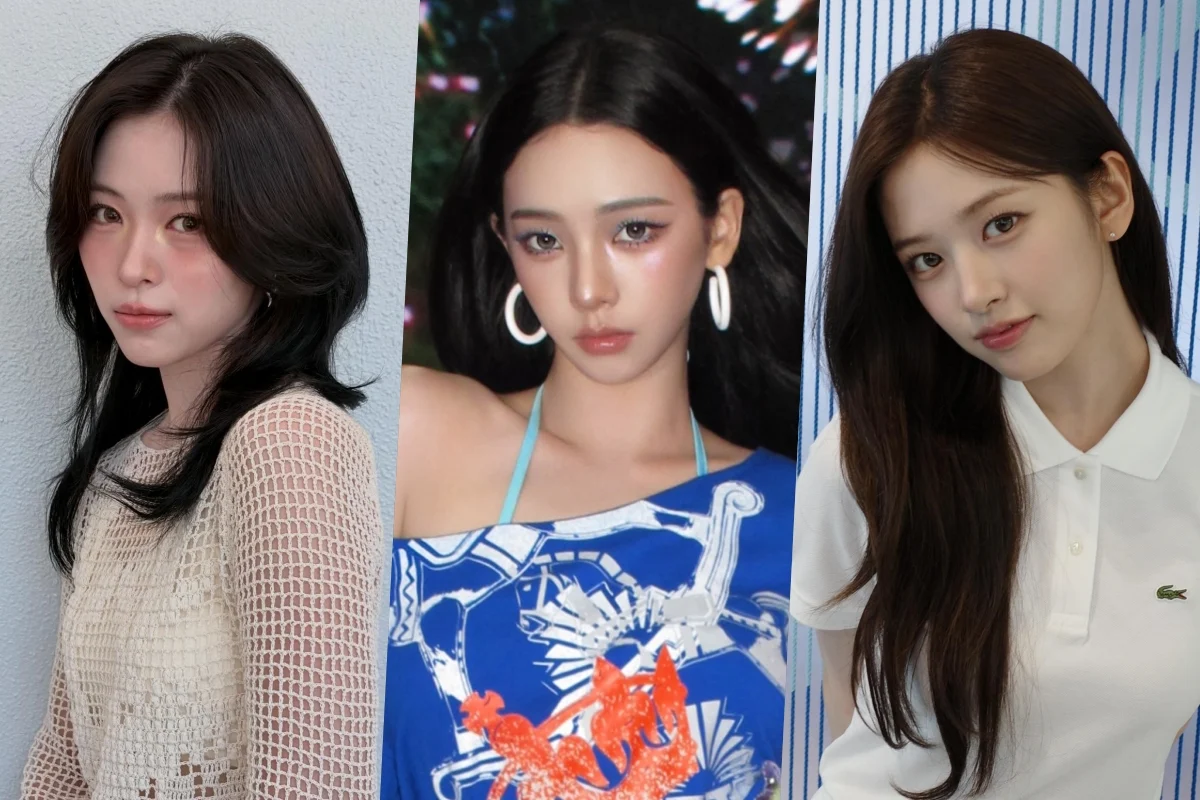
As global temperatures continue to climb, the intersection of style and survival has become a critical focal point for the fashion industry. With summers breaking historical heat records worldwide, consumers are increasingly seeking wardrobe solutions that offer both thermal comfort and aesthetic appeal.
In this landscape, South Korean pop (K-pop) artists have emerged as premier global tastemakers. Balancing demanding outdoor performances, high-profile airport appearances, and rigorous promotional schedules, these idols have mastered the art of hot-weather dressing. By blending high-fashion sensibilities with pragmatic, utilitarian designs, figures such as BTS’s j-hope, aespa’s Karina, and TWICE’s Jihyo are setting new standards for summer styling.
This analysis explores the core summer fashion strategies popularized by leading K-pop stars, tracking the evolution of warm-weather performance wear, examining the scientific and textile principles behind these trends, and discussing the broader implications for the global retail market.
Chronology: The Evolution of Summer Fashion in K-Pop
To understand the current state of summer fashion in the K-pop industry, it is essential to trace how styling philosophies have shifted over the past three decades.
+-----------------------------------------------------------------------------+
|                                CHRONOLOGY                                   |
+-----------------------------------------------------------------------------+
|                                                                             |
|  [Late 1990s - Late 2000s: First & Second Generations]                       |
|  - High-concept, heavily layered stage outfits (leather, vinyl, synthetics)  |
|  - Visual impact prioritized over thermal regulation                        |
|  - Limited focus on casual "off-duty" styling                               |
|                                                                             |
|  [2010s: Third Generation]                                                  |
|  - Emergence of "airport fashion" as a commercial marketing channel         |
|  - Shift toward high-end streetwear and casual luxury                       |
|  - Introduction of basic seasonal layering (lightweight cardigans, denim)   |
|                                                                             |
|  [2020s - Present: Fourth & Fifth Generations]                              |
|  - Dominance of outdoor festivals (Coachella, Lollapalooza, Waterbomb)       |
|  - Integration of technical wear, "gorpcore," and "athleisure"              |
|  - Focus on DIY customization, textile science, and ergonomic styling       |
|                                                                             |
+-----------------------------------------------------------------------------+
The Early Eras: Visual Impact Over Comfort (Late 1990s – Late 2000s)
During the First and Second Generations of K-pop, stage wear was dominated by highly theatrical, heavily layered ensembles. Stylists frequently utilized non-breathable materials like PVC, synthetic leather, and heavy denim to create a futuristic or uniform aesthetic. Performance comfort was routinely sacrificed for visual cohesion, leaving artists to endure extreme heat under intense stage lighting and during outdoor summer concerts.
The Rise of Airport Fashion and Streetwear (2010s)
With the global expansion of K-pop in the Third Generation, the transition from stage to public transit hubs became highly commercialized. "Airport fashion" emerged as a major media event, forcing a shift toward high-end, off-duty streetwear. Stylists and idols began prioritizing pieces that balanced luxury brand partnerships with travel-friendly comfort, laying the groundwork for functional, everyday summer fashion.
The Festival Era and Technical Integration (2020s – Present)
Today, Fourth and Fifth Generation idols regularly headline major international outdoor music festivals, such as Coachella, Lollapalooza, and Korea’s water-themed Waterbomb Festival. These environments demand high-performance apparel that can withstand sweat, heat, and water while remaining visually striking. Consequently, contemporary K-pop fashion has integrated elements of technical wear, "gorpcore," and sportswear, transforming functional summer clothing into a dominant global trend.
Supporting Data: Six Core Summer Style Strategies Analyzed
The following case studies highlight how prominent K-pop idols utilize specific styling techniques, textile choices, and grooming methods to mitigate the effects of extreme summer heat.
1. j-hope (BTS): Utilitarian Headwear and UV Protection
While headwear is frequently styled as a statement accessory, its primary function remains thermal regulation and UV protection. BTS member j-hope has popularized the integration of wide-brimmed silhouettes, such as structured cowboy hats, alongside classic baseball caps into mainstream street style.
From a dermatological and physiological standpoint, shielding the face and scalp from direct sunlight significantly reduces the rate of skin damage and lowers overall body temperature. By choosing dramatic, wide-brimmed options, j-hope demonstrates how utilitarian sun protection can serve as the focal point of a high-fashion, avant-garde summer outfit.
2. Karina (aespa): The Deconstructed, High-Ventilation Silhouette
As temperatures surge, standard cotton crewnecks can trap heat against the upper torso. To combat this, aespa’s Karina has championed a DIY-inspired approach: modifying standard t-shirts by cutting the necklines and bottom hems.
This customization serves two key structural purposes:
- Increased Airflow: Removing restrictive collars and hems allows air to circulate freely around the neck and midriff, accelerating sweat evaporation.
- Textile Upcycling: Reconstructing older garments extends their lifecycle, aligning with sustainable fashion practices while producing a relaxed, grunge-inspired aesthetic.
3. An Yu Jin (IVE): ‘Tenniscore’ and Technical Sportswear
The integration of athletic apparel into daily wear—often referred to as "athleisure" or "tenniscore"—has been widely adopted by IVE’s leader, An Yu Jin. Styling tennis skirts and performance tops provides a lightweight, highly mobile alternative to traditional casual wear.
+-----------------------------------------------------------------------------+
|                         TECHNICAL PERFORMANCE FABRICS                       |
+-----------------------------------------------------------------------------+
|                                                                             |
|   [Sweat Accumulation] ---> [Moisture-Wicking Polyester] ---> [Evaporation] |
|                                                                             |
|   Key Benefits:                                                             |
|   1. Capillary Action: Pulls moisture away from the skin.                   |
|   2. Rapid Drying: Prevents the fabric from becoming heavy and damp.        |
|   3. Hydrophobic Fibers: Keeps the garment lightweight in high humidity.     |
|                                                                             |
+-----------------------------------------------------------------------------+
Synthetic blends engineered for sports utilize capillary action to pull moisture away from the body to the outer surface of the fabric, where it evaporates rapidly. This prevents the fabric from becoming heavy and damp, keeping the wearer cool and dry under humid conditions.
4. Kim Chae Won (LE SSERAFIM): The Albedo Effect and Skin Shielding
When facing prolonged sun exposure, minimizing clothing is not always the most effective cooling strategy. LE SSERAFIM’s leader, Kim Chae Won, has demonstrated the utility of lightweight, long-sleeved white garments.
This approach relies on two scientific principles:
- The Albedo Effect: Light-colored fabrics, particularly white, reflect a high percentage of solar radiation rather than absorbing it, keeping the fabric—and the wearer—cooler than dark-colored alternatives.
- UV Barrier: Covering the skin with lightweight, breathable weaves (such as fine cotton or linen) provides a physical barrier against ultraviolet radiation, preventing sunburn and long-term skin damage without trapping body heat.
5. Ryujin (ITZY): Open-Weave Crochet for Thermal Transitioning
Transitioning between outdoor heatwaves and heavily air-conditioned indoor spaces presents a unique styling challenge. ITZY’s Ryujin addresses this by utilizing open-weave crochet tops layered over basic camisoles or tank tops.
+-----------------------------------------------------------------------------+
|                      THERMAL DYNAMICS OF CROCHET WEAVES                     |
+-----------------------------------------------------------------------------+
|                                                                             |
|                  Outdoor Heat                Indoor AC                      |
|                  (Ventilation)             (Insulation)                     |
|                        |                        |                           |
|                        v                        v                           |
|                 +--------------+         +--------------+                   |
|                 | Maximum air  |         | Soft yarn    |                   |
|                 | flow through |         | provides a   |                   |
|                 | open-mesh    |         | light shield |                   |
|                 | structure    |         | against draft|                   |
|                 +--------------+         +--------------+                   |
|                                                                             |
+-----------------------------------------------------------------------------+
Crochet’s open-mesh structure allows for maximum airflow, making it exceptionally breathable in direct heat. Conversely, when entering air-conditioned environments, the soft yarn provides a light barrier against cold drafts, making it an ideal transitional textile for urban summer commuting.
6. Jihyo (TWICE): Ergonomic Hair Styling and Thermoregulation
Thermoregulation is heavily influenced by the neck and head areas, where blood vessels run close to the skin’s surface. TWICE’s Jihyo frequently utilizes the "messy bun"—a casual, high-set updo—to manage heat and humidity.
By lifting hair away from the nape of the neck, this hairstyle maximizes skin exposure to ambient air currents, facilitating rapid cooling of the cervical region. Additionally, this low-maintenance style is highly resistant to the frizzing and flattening effects of humidity, offering a practical beauty solution that maintains its structure throughout the day.
Official Responses and Industry Perspectives
The shift toward functional, heat-adapted styling is backed by observations from celebrity stylists, dermatologists, and retail market analysts.
Fashion Stylists on Stage and Festival Wear
In an industry interview, a Seoul-based celebrity stylist discussed the challenges of dressing idols for summer festivals:
"When styling for outdoor events like Waterbomb or Lollapalooza, we can no longer rely solely on visual impact. We consult extensively with designers to find technical fabrics that retain their shape when wet or sweaty. We also utilize DIY cutting techniques—similar to the raw-cut necklines seen on aespa’s Karina—to ensure the artists do not overheat during high-intensity choreography."
Dermatological Insights on Sun Protection
Medical experts emphasize the importance of physical barriers in summer wardrobes. Dermatologists note that while chemical sunscreens are essential, physical protection—such as the wide-brimmed hats styled by j-hope or the light, long-sleeved garments worn by Kim Chae Won—provides a reliable, continuous shield against both UVA and UVB rays, reducing the risk of heat stroke and photoaging.
Retail Data and Consumer Demand
According to search and sales data from major fashion e-commerce platforms, K-pop endorsements continue to drive consumer purchasing behavior:
+-----------------------------------------------------------------------------+
|                 E-COMMERCE TRENDS: SUMMER SEARCH METRICS                    |
+-----------------------------------------------------------------------------+
|                                                                             |
|   Search Term                        YoY Increase                           |
|   ------------------------------------------------------------              |
|   "Tennis Skirts / Tenniscore"       [████████████████████] +145%           |
|   "Crochet Tops / Open-Knit"         [██████████████] +98%                  |
|   "Wide-Brim Cowboy Hats"            [██████████] +67%                      |
|                                                                             |
+-----------------------------------------------------------------------------+
This data demonstrates that consumers are actively looking for items that match the exact functional summer styles popularized by their favorite artists.
Implications: Climate Change, Retail Shifts, and Consumer Behavior
The styling strategies adopted by K-pop idols carry significant implications for the broader fashion industry, retail supply chains, and consumer habits.
1. The Growth of Utilitarian Fashion in Retail
As extreme summer temperatures become the norm, the demand for clothing that balances performance and aesthetics is rising. Retailers are responding by incorporating technical features—such as UV-cut fabrics, moisture-wicking yarns, and highly ventilated knits—into their standard spring and summer collections. The "gorpcore" and "athleisure" movements are no longer niche trends; they are essential categories for mainstream fashion brands.
2. Upcycling and the Democratization of Fashion
Karina’s DIY t-shirt customization highlights a growing consumer interest in upcycling and circular fashion. Rather than purchasing new garments, consumers are increasingly modifying their existing wardrobes to suit changing weather patterns. This shift encourages creativity and reduces textile waste, offering an accessible, low-cost way to stay cool and fashionable.
3. The Structural Realities of Modern Merchandising
For fashion brands, collaborating with K-pop stars is a powerful way to market functional apparel. By showcasing how technical sportswear, protective headwear, and open-weave knits can be styled for everyday wear, these artists help bridge the gap between utility and high fashion. As a result, brands that prioritize both performance fabrics and contemporary silhouettes are well-positioned to capture market share in an warming world.
Ultimately, the summer style tips showcased by these K-pop tastemakers prove that heat-resistant fashion does not require sacrificing personal style. Through thoughtful fabric selection, strategic customization, and functional accessorizing, it is entirely possible to remain comfortable, protected, and well-styled throughout the hottest months of the year.
 Suro Senen
  Asro
Asro  Azzam Bilal Chamdy
