
 By Asro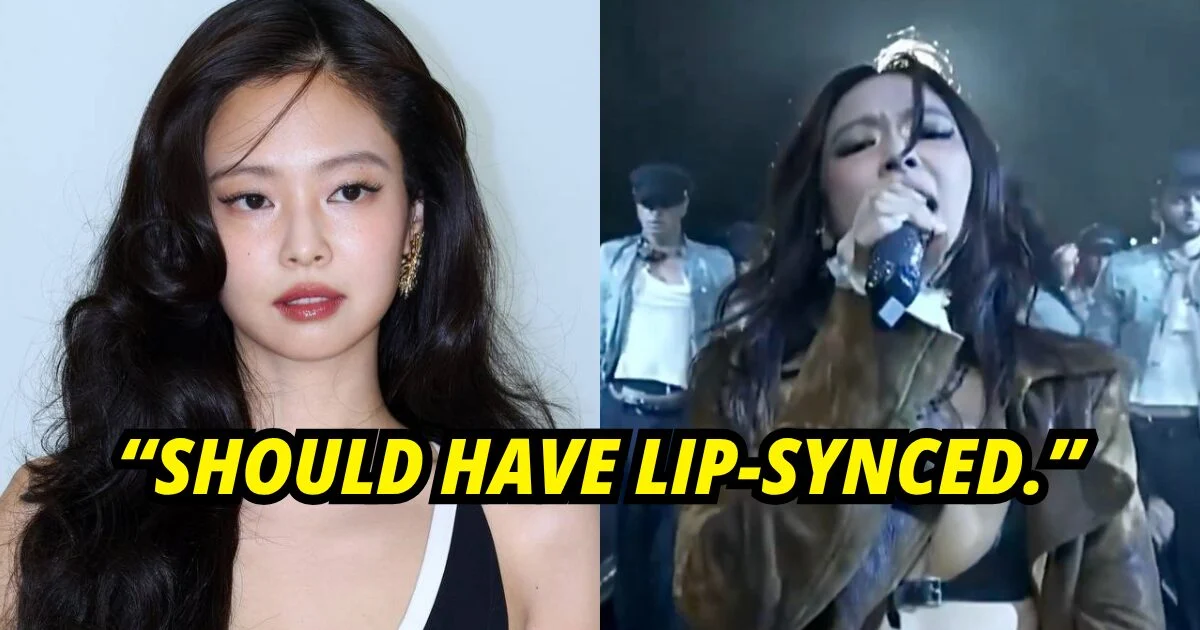
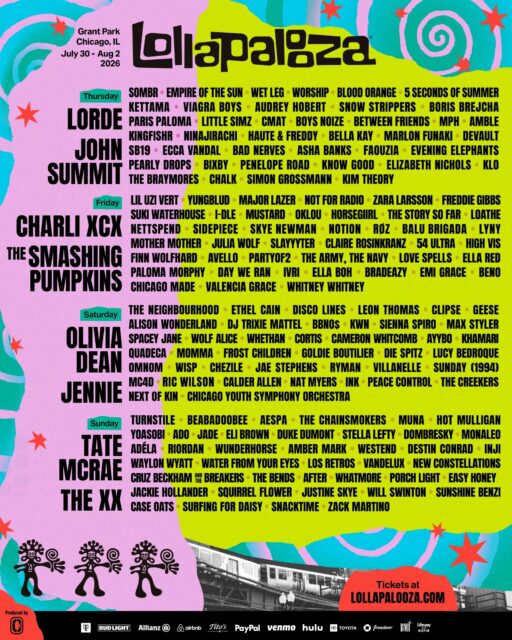
The 2026 Lollapalooza Chicago festival, which commenced on August 1st, once again underscored the burgeoning global influence of K-Pop, featuring a diverse lineup that prominently included idols from the genre. Among the most anticipated acts was BLACKPINK’s Jennie, making her highly anticipated Lollapalooza debut as a headliner. Her roughly hour-long set, which showcased several unreleased tracks from her forthcoming album alongside fan favorites, has since become a flashpoint for intense online discussion and scrutiny regarding live vocal performance standards within the K-Pop industry.
Lollapalooza’s Expanding Global Stage and K-Pop’s Ascendance
Lollapalooza, a festival with roots stretching back to 1991 as a touring alternative rock event, has evolved into one of the most prominent music festivals globally, drawing hundreds of thousands of attendees annually to Chicago’s Grant Park. In recent years, it has become a significant platform for K-Pop artists to connect with Western audiences, following groundbreaking performances by groups like BTS, Stray Kids, TXT, and NewJeans at Lollapalooza or its international iterations. These appearances have consistently broken viewership records and demonstrated the genre’s immense crossover appeal. The inclusion of Jennie, a member of the globally renowned group BLACKPINK, as a solo headliner was seen as a testament to her individual star power and the continued mainstream integration of K-Pop into the Western music landscape. Her appearance was not merely a performance but a cultural moment, expected to draw both her dedicated fanbase, BLINKs, and general festival-goers. The festival’s lineup announcement featuring Jennie had generated considerable buzz across social media platforms, with ticket sales experiencing a notable surge following her confirmation. Industry analysts estimated that her headlining slot alone contributed to a significant percentage increase in international ticket purchases, particularly from Asian markets.

Jennie’s Solo Journey and Pre-Performance Expectations
Jennie Kim, known mononymously as Jennie, first debuted as a solo artist in 2018 with the single "SOLO," which achieved significant commercial success and critical acclaim, topping charts in South Korea and establishing her as a formidable individual force outside of BLACKPINK. Since then, her solo endeavors have been keenly watched, with fans eagerly awaiting a full-length album. Her presence at Lollapalooza was therefore not just a performance but a crucial step in her independent artistic trajectory, offering a glimpse into her evolving musical identity. The anticipation was further amplified by a recent, albeit controversial, surprise performance where she faced accusations of lip-syncing. This prior incident, widely debated across fan communities and media outlets, placed an even greater spotlight on her Lollapalooza showcase, with many observers and fans alike specifically keen to assess her live vocal capabilities. This context framed the expectations for her Lollapalooza stage: it was an opportunity for Jennie to emphatically silence critics and solidify her standing as a compelling live performer.
The Lollapalooza Performance: A Setlist of Anticipation and Familiarity
Jennie’s set, meticulously crafted for her headlining debut, spanned approximately an hour and was a blend of established hits and tantalizing new material. Among the highlights were four previously unreleased songs from her upcoming album: "FALLEN ANGEL," "SWEET TOOTH," "HEAVEN," and "LOCK IT DOWN." These tracks offered attendees and viewers a fresh perspective on her artistic direction, hinting at potential genre explorations and lyrical themes. In addition to these new offerings, Jennie treated the audience to beloved fan favorites, including the widely popular "ZEN" and "Seoul City." The stage production was reportedly elaborate, featuring dynamic lighting, intricate choreography, and a strong visual aesthetic synonymous with K-Pop’s high production values. Social media feeds were flooded with short clips and live updates throughout the performance, showcasing Jennie’s commanding stage presence and interaction with the massive crowd. The energy in Grant Park was palpable, described by many attendees as electric, particularly during the debut of her new songs.

Divergent Reactions: Vocal Scrutiny Takes Center Stage
Almost immediately after her performance concluded, the internet became a battleground of opinions, with particular emphasis on her live vocals during segments of the set. Clips from the performance quickly went viral across platforms like X (formerly Twitter), TikTok, and YouTube, drawing both fervent praise and sharp criticism.
The Criticisms: Enunciation and Perceived Vocal Instability
A significant portion of the online discourse centered on critical assessments of Jennie’s vocal delivery. Many viewers and commentators expressed disappointment, contending that her enunciation of lyrics was unclear, making it difficult to understand the words, particularly in faster-paced sections or during more energetic choreography. Specific comments highlighted concerns about perceived vocal instability, with some suggesting that her singing did not meet the expected standards for a headlining artist at such a prestigious festival. Tweets from various users encapsulated this sentiment:
- "The K-pop industry is such a scam like how can singing be your full-time job when you sound like this?" — @solmerv, expressing disillusionment with the industry’s vocal standards.
- "Idk what’s more embarrassing… her shaky voice, her yapping gibberish, or the fact that she thinks she ate 😂" — @hoolignyvanill, questioning both vocal quality and confidence.
- "no but seriously i thought people were exaggerating but jennie really can’t sing 😂 i wish someone tell her that singing just not for her. she can become a model or actress tho" — @yoonrece, suggesting alternative career paths based on perceived vocal deficiencies.
These criticisms often drew comparisons to other K-Pop artists known for their powerful live vocals, reigniting broader debates about the emphasis on performance visuals versus vocal prowess in the genre. Some critics also pointed to the sheer scale of Lollapalooza, arguing that a headliner should possess an undeniable vocal strength to command such a large outdoor venue without relying heavily on backing tracks. The debate also touched upon the pressure on K-Pop idols, who are often expected to be exceptional dancers, visual artists, and performers, sometimes at the perceived expense of raw vocal power.
The Defenses: Mic On and Powerful Stage Presence
Conversely, Jennie’s dedicated fanbase and numerous other viewers vehemently defended her performance, asserting that her microphone was clearly on and that she delivered a compelling live show. Supporters highlighted her visible effort, powerful stage presence, and the sheer challenge of performing complex choreography while singing live for an extended period, especially with new, unpracticed material. Many saw her performance as a direct response to the earlier lip-syncing accusations, demonstrating her commitment to live vocals. Tweets from her supporters showcased this unwavering backing:
- "her mic is ON" — @pourlesjolies, directly refuting claims of lip-syncing.
- "jennie performing “seoul city” she’s serving vocals, serving face & body." — @pourlesjolies, praising her holistic performance, including visuals and stage presence.
- "JENNIE! vocals in Heaven 🥹🙌" — @blinkmf, specifically commending her vocal delivery on one of the new tracks.
These positive reactions often emphasized the overall experience, citing Jennie’s charisma, interaction with the crowd, and the excitement of hearing new music. They argued that minor vocal imperfections are inherent to live performance and that her energy and engagement with the audience compensated for any perceived shortcomings. Furthermore, fans underscored the immense pressure placed on solo K-Pop artists, particularly those from globally successful groups, and praised Jennie for taking on such a massive stage with new material.

Broader Implications for K-Pop and Live Performance
The divided reaction to Jennie’s Lollapalooza performance underscores several ongoing discussions within the global music industry and specifically concerning K-Pop.
- The Evolving Standard of Live Vocals: The controversy highlights the perennial debate about what constitutes "good" live performance, especially in genres like K-Pop where intricate choreography and high production values are paramount. Is flawless vocal execution always the primary metric, or do stage presence, energy, and connection with the audience hold equal weight? The instantaneity of social media amplifies every perceived flaw, placing immense pressure on artists.
- The "Mic On" Debate: The persistent "mic on" or lip-syncing debate continues to plague K-Pop, with fans and critics scrutinizing every performance for evidence of live singing. This stems from a history of pre-recorded vocals being common in some K-Pop performances, leading to heightened expectations and skepticism. Jennie’s performance, by directly engaging with this narrative, has inadvertently become a benchmark for this discussion.
- Solo Careers and Group Dynamics: For artists like Jennie, transitioning from a highly successful group like BLACKPINK to a solo career means facing increased individual scrutiny. While group performances can sometimes mask individual vocal weaknesses or allow for shared vocal loads, solo stages leave no room for such buffers, exposing artists to direct, unfiltered criticism. This transition period is crucial for establishing an independent artistic identity and proving individual capability.
- K-Pop’s Western Expansion: As K-Pop continues its aggressive expansion into Western markets, artists are increasingly exposed to different critical standards and audience expectations. Western festival culture often values raw, authentic live performance, sometimes prioritizing vocal grit over polished, synchronized choreography. K-Pop artists must navigate these cultural differences while maintaining their unique identity.
- The Power of Fandom vs. Critical Opinion: The strong polarization of opinions illustrates the enduring power of dedicated fanbases to defend their idols against criticism, often clashing directly with more objective or critical assessments from general audiences and media. This dynamic shapes online discourse and influences public perception.
Conclusion
Jennie’s Lollapalooza Chicago debut on August 1st, 2026, was undeniably a landmark moment for her solo career and for K-Pop’s presence on the global festival stage. Her performance, featuring eagerly awaited new music and beloved hits, captivated a massive audience. However, the subsequent online discourse, sharply divided between fervent praise for her stage presence and vocal effort, and pointed criticism regarding her vocal clarity and stability, has ensured that her debut will be remembered not just for its spectacle but also for the critical conversations it sparked. As K-Pop continues to break new ground internationally, the spotlight on live performance standards and the intricate balance between vocal prowess, choreography, and overall stagecraft will only intensify, making Jennie’s Lollapalooza experience a significant case study in this evolving landscape.

