
 By Muslim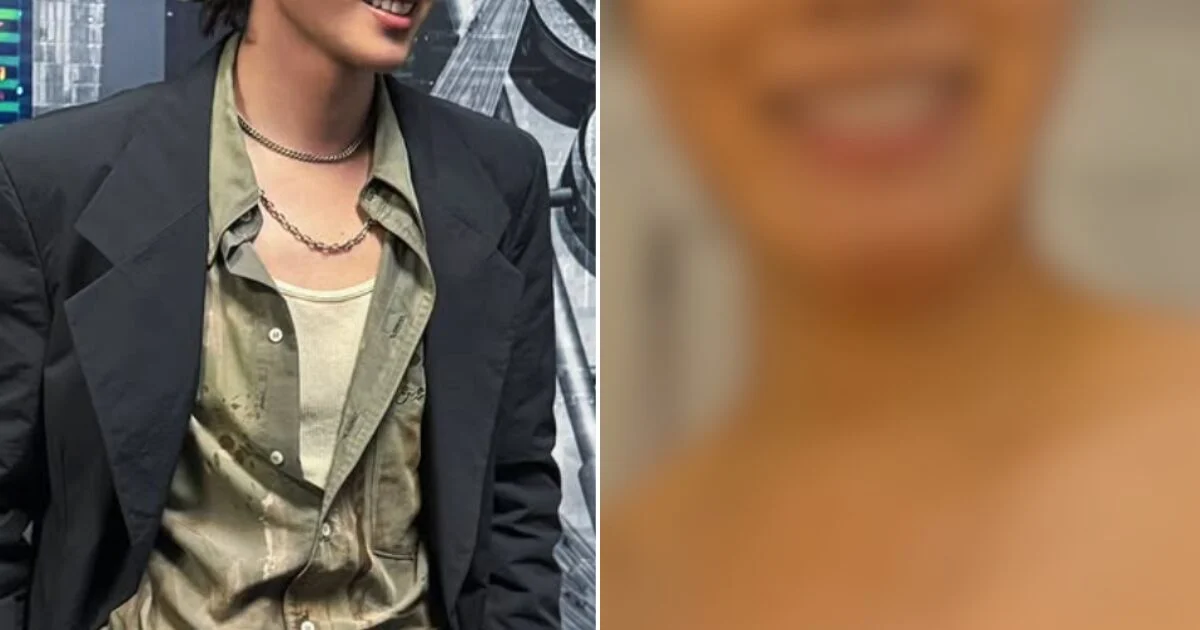
The Incident: A Candid Moment Under Fire
The controversy originated from a live broadcast conducted by J-Hope during the European leg of a solo or group tour in mid-2026. Known for his "sunshine" persona and a deep, parasocial connection with his fans, the artist chose to share an unfiltered glimpse into his life on the road. During the stream, which took place in his hotel suite, a brief segment featured J-Hope in a bathroom setting, partially unclothed. While many fans, known as ARMY, viewed the moment as a sign of the idol’s comfort and authenticity, a specific segment of the online community weaponized the footage.
On July 11, 2026, a clip from this broadcast began circulating on X (formerly Twitter), accompanied by derogatory captions. The original post, which quickly garnered millions of views, utilized the imagery to question the artist’s "visual" status—a term in K-pop culture referring to an idol’s physical attractiveness according to industry standards. The discourse rapidly devolved from subjective opinion into what many have categorized as targeted harassment, with several high-engagement posts using scathing language to criticize J-Hope’s natural appearance.
The Nature of the Criticism: Visual Standards and Ageism
The backlash against J-Hope was characterized by a mixture of traditional beauty standard critiques and more modern, ageist rhetoric. Several viral posts suggested that the artist had become "too comfortable" with his appearance, implying that he no longer met the "polished" expectations of a K-pop star. One post, which received significant traction, stated that "men are getting so comfortable with their ugliness," while others targeted the group as a whole, claiming the members possessed "hideous faces" by K-pop standards.
Furthermore, the comments sections of these posts were rife with age-related insults. Critics suggested that "age is catching up" to the 32-year-old artist (as of the 2026 timeline), using his natural, un-makeup-clad face as evidence of a decline in marketability. This phenomenon is not unique to J-Hope; it reflects a broader trend in the entertainment industry where male and female artists alike are penalized for the natural aging process, particularly in a genre that markets youth as a primary commodity.
A Chronology of the Online Discourse
The timeline of the event illustrates the speed at which "anti-fan" narratives can dominate social media algorithms:
- July 11, 2026 (Morning): J-Hope conducts a live broadcast from a hotel in Europe. The mood is generally positive, focusing on tour updates and fan interactions.
- July 11, 2026 (Afternoon): "Anti-fans" and "solo stans" (fans of only one member who often disparage others) begin clipping specific frames from the bathroom scene.
- July 11, 2026 (Evening): The first "scathing post" goes viral on X, using inflammatory language to describe J-Hope’s visuals.
- July 12, 2026: The discourse expands to include broader criticisms of BTS’s overall visual appeal, with several high-profile "troll" accounts joining the conversation.
- July 13, 2026: International media outlets and K-pop news sites begin reporting on the backlash, leading to a counter-movement from fans to protect the artist’s reputation.
The K-pop Visual Paradigm: A Systemic Analysis
To understand why a shirtless clip of a global superstar would trigger such "brutal" reactions, one must look at the systemic structure of the K-pop industry. Since its inception, K-pop has prioritized "visuals" as one of the three core pillars of an idol’s identity, alongside talent (vocals/dance) and personality. Each group typically has an assigned "Visual" member whose primary role is to embody the Korean beauty standard: small face, large eyes, fair skin, and a slim yet toned physique.
J-Hope has historically been celebrated more for his unparalleled dancing ability and stage presence than for conforming to these narrow beauty standards. However, as BTS achieved unprecedented global success, the scrutiny on every member’s appearance intensified. Analysts suggest that the current backlash is a byproduct of the "humanization" of idols. As BTS moved away from the highly curated "flower boy" image of their early years toward a more authentic, raw, and artistically driven persona (exemplified by J-Hope’s solo album Jack In The Box), they became vulnerable to those who still demand the artifice of perfection.
The Resilience of BTS and the Role of the ARMY Fandom
In response to the scathing posts, the BTS fandom, ARMY, launched a massive counter-campaign. Utilizing hashtags such as #JHopeBeautiful and #WeLoveYouHoseok, fans flooded social media platforms with high-definition photos of the artist from professional shoots and performances to "clear the searches." This practice is a common defensive tactic used by K-pop fandoms to drown out negative or malicious content with positive imagery.
Beyond social media trends, the fandom has also focused on reporting accounts that violate platform policies regarding harassment and cyberbullying. The reaction from the fanbase highlights a growing divide between "casual" viewers who consume K-pop for its aesthetic appeal and "dedicated" fans who value the artist’s growth, talent, and humanity over their physical appearance.

Legal Implications and Artist Protection in the Digital Age
While BIGHIT MUSIC (a subsidiary of HYBE) has not issued a specific statement regarding this particular incident, the company has a well-documented history of taking legal action against malicious commenters. In regular quarterly updates, BIGHIT MUSIC informs fans about the progress of lawsuits against individuals who post "defamatory, insulting, or sexually harassing" content about BTS members.
Legal experts note that as South Korean laws regarding online defamation are quite stringent, "scathing posts" that cross the line into harassment can result in criminal charges. The company’s "zero-tolerance" policy serves as a deterrent, though the global and often anonymous nature of platforms like X makes total enforcement a challenge. This incident may prompt further discussion on how agencies can better protect their artists’ mental health as they engage in more direct, unfiltered fan communication like live broadcasts.
Broader Impact and Implications for the Industry
The backlash against J-Hope serves as a case study for the challenges facing the "Third Generation" of K-pop idols as they enter their second decade in the spotlight. As these artists age, the industry must grapple with a fundamental question: can K-pop sustain its global momentum if it continues to enforce rigid, youthful beauty standards that are at odds with the natural progression of its biggest stars?
Furthermore, the incident highlights the toxicity of "visual-driven" discourse. When an artist’s worth is tied to their physical appearance, their artistic contributions—such as J-Hope’s choreography, songwriting, and philanthropy—are often overshadowed by superficial critiques. This culture not only affects the idols themselves but also sets unrealistic and harmful standards for the young audiences who consume this content.
In conclusion, while the "scathing post" regarding J-Hope’s visuals may be a fleeting moment in the fast-paced cycle of social media, its implications are profound. It underscores the ongoing tension between the traditional expectations of the K-pop industry and the evolving, more authentic identities of its artists. As BTS continues to break barriers, the conversation surrounding their "visuals" may eventually give way to a deeper appreciation for their longevity and the human reality behind the global phenomenon. For now, the battle between "visual perfection" and "artistic authenticity" remains a defining feature of the modern idol era.

