
 By Raul Delapena Setiawan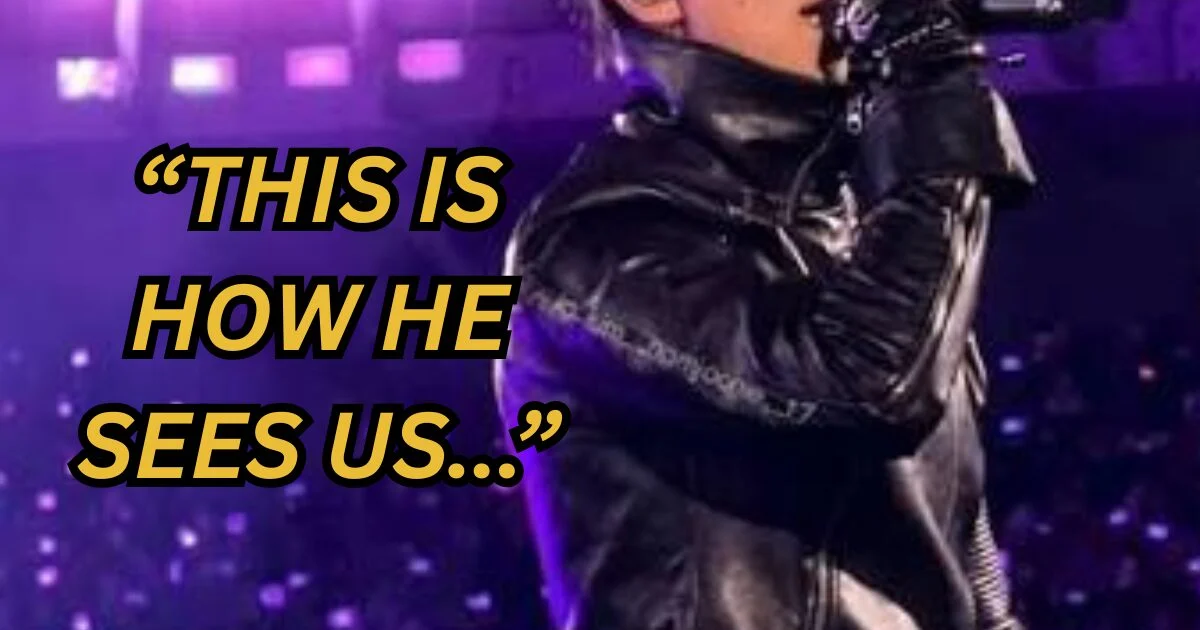
The controversy centers on a performance of the group’s 2017 hit "Mic Drop." During the interlude portion of the track, RM delivered the line: “Haters gonna hate, players gonna play, what more can I say.” While these lyrics are a staple of the song’s original composition, many fans—collectively known as ARMY—interpreted the delivery and timing as a pointed response to the ongoing criticism RM and fellow member J-Hope have faced regarding their recent public association with American R&B singer Chris Brown.
The Rogers Stadium Performance and Atmospheric Tension
The Toronto stop of the Arirang World Tour was intended to be a celebration of BTS’s return to large-scale global touring. Rogers Stadium, a venue known for hosting major sporting events and international music icons, saw fans queuing for hours in the rain to secure their spots. When the group took the stage, the energy was described by attendees as electric, yet the weather added a layer of grit to the performance.
BTS has long been praised for their professionalism under adverse conditions, and the Toronto show was no exception. The members performed a rigorous setlist with high-intensity choreography despite the slick stage. However, the mood shifted among a vocal segment of the online fandom when clips of "Mic Drop" began circulating in real-time. In the digital age, concert moments are no longer confined to the venue; they are broadcast globally within seconds, allowing for immediate analysis by a worldwide audience.
The specific clip of RM’s interlude became the catalyst for a polarized discussion. To some, it was merely a rapper staying true to the persona of a defiant track designed to shut down baseless criticism. To others, it represented a dismissive attitude toward legitimate concerns raised by a fandom that has historically championed social justice and ethical accountability.
Context of the Controversy: The Chris Brown Association
To understand the intensity of the backlash, one must look at the events leading up to the Toronto concert. In the weeks prior, reports and social media activity indicated a "rendezvous" or professional meeting between BTS members RM and J-Hope and the American artist Chris Brown.
Chris Brown remains one of the most polarizing figures in the global music industry. While commercially successful, his career has been marred by a well-documented history of violence, most notably his 2009 felony assault of then-girlfriend Rihanna, as well as subsequent legal issues and allegations of aggressive behavior.
The BTS brand, conversely, has been meticulously built on foundations of "loving oneself," mental health advocacy, and non-violence. The group’s partnership with UNICEF for the "Love Myself" campaign and their multiple speeches at the United Nations have positioned them as moral leaders within the pop culture sphere. For a significant portion of the fandom, an association with an individual with Brown’s history felt like a direct contradiction of the values BTS has promoted for over a decade.
Chronology of Fan Disappointment and Activism
The dissatisfaction did not begin at the Rogers Stadium. It had been brewing for several weeks as fans utilized various platforms to express their concerns to BigHit Music and HYBE, the group’s management.
- Initial Reports: In early August 2026, social media interactions and industry rumors suggested a potential collaboration or meeting between the K-pop stars and Brown.
- Hashtag Campaigns: Fans initiated several organized campaigns, including #ARMYsAgainstAbusers and #ChrisBrownNoThankYou, aimed at catching the attention of the label. The goal was to discourage a formal collaboration and seek clarification on the group’s stance.
- The Silence of Management: As is often the case with high-level K-pop management, there was no official statement addressing the fan concerns. This silence often leads fans to look for "clues" or "messages" in the artists’ own actions and words.
- The Toronto Incident: When RM delivered the "Haters gonna hate" line on August 23, it was viewed through the lens of this unresolved tension. The phrase "what more can I say" was interpreted by some as a refusal to engage with the fans’ moral arguments.
Analytical Breakdown of Fan Reactions
The reaction to RM’s performance has split the BTS fandom into several distinct camps, reflecting the complex relationship between modern idols and their supporters.
The Critique of Dismissiveness
A large section of the fandom expressed that they felt "insulted" by the perceived implication that their concerns were merely "hate." On X (formerly Twitter), users pointed out that the criticism regarding Chris Brown was not born out of malice toward RM, but rather out of a desire to uphold the group’s integrity. One viral post stated, “It’s not your haters speaking; it’s ARMY who are doing exactly what you told us to do,” referencing the group’s frequent encouragement for fans to speak for themselves and stand up for what is right.
The Call for Accountability
Other fans took issue with the specific phrase "what more can I say." These fans argued that there is, in fact, much more that could be said—specifically an apology or a clarification of the group’s values. The sentiment among this group is that being a global icon carries a responsibility to address significant disappointments within the community that provides their platform.

The Defense of Artistic Autonomy
Conversely, a segment of the fandom defended RM, arguing that the lyrics are being over-analyzed. They contend that "Mic Drop" is a song about overcoming adversity and that RM was simply performing his role as a hip-hop artist. These supporters suggest that fans do not have the right to dictate an artist’s personal or professional associations and that the backlash constitutes an overreach of fan influence.
Broader Implications for the K-pop Industry
This incident highlights a growing trend in the music industry where fan bases act as moral gatekeepers. In the past, the relationship between a pop star and a fan was largely one-way and consumerist. Today, particularly in the K-pop ecosystem, the relationship is deeply parasocial and rooted in shared values.
When those values appear to be compromised, the fallout is significant. The "ARMY" is not just a fan club; it is a global movement that has raised millions for charity and influenced political discourse. Because the fandom is so deeply invested in the "BTS Universe" of kindness and healing, they are uniquely sensitive to any perceived hypocrisy.
Furthermore, this situation poses a PR challenge for BigHit Music. The traditional K-pop strategy of "silence until it blows over" may no longer be effective in an era where fans are highly organized and media-savvy. The demand for "accountability" is a recurring theme in 2026, as audiences increasingly expect the brands they support—including human brands—to align with their ethical standards.
Technical and Performance Context
It is also worth noting the technical history of "Mic Drop." Originally released on the album Love Yourself: Her, the song was inspired by former U.S. President Barack Obama’s mic drop at the 2016 White House Correspondents’ Dinner. It was intended as a "flex" against those who doubted BTS’s success.
In the context of the Arirang World Tour, the song serves as a high-energy climax to the show. RM’s delivery of the interlude has varied over the years, sometimes involving improvisations or direct addresses to the crowd. In Toronto, the delivery was noted for its intensity. Whether this intensity was a result of the adrenaline of performing in a storm or a deliberate response to online discourse remains a matter of speculation, yet in the realm of public perception, intent is often secondary to impact.
Potential Paths Forward
As the Arirang World Tour continues, the eyes of the industry will be on BTS’s upcoming performances and social media activity. There are several ways this situation could evolve:
- Direct Clarification: RM or BigHit Music could issue a statement clarifying the group’s stance on collaborations and their commitment to their core values.
- Continued Silence: The group may choose to let the music speak for itself, potentially risking further alienation of the "accountability-focused" segment of the fandom.
- A Shift in Setlist or Delivery: In some instances, artists have been known to tweak performances in response to widespread feedback, though this is rare for a production as tightly choreographed as a BTS world tour.
The Toronto concert will likely be remembered not just for the rain-soaked spectacle at Rogers Stadium, but as a turning point in the dialogue between BTS and their fans. As the group navigates the complexities of global superstardom in their second decade, the balance between artistic freedom and the expectations of a socially conscious fan base remains one of their greatest challenges.
For now, the phrase "what more can I say" remains a point of contention—a set of words that, depending on who is listening, represents either the ultimate statement of confidence or a disappointing refusal to engage. In the high-stakes world of global pop, every word spoken on stage carries weight, and for RM, the weight of these particular words is currently being measured by millions.

