
 By Sagoh
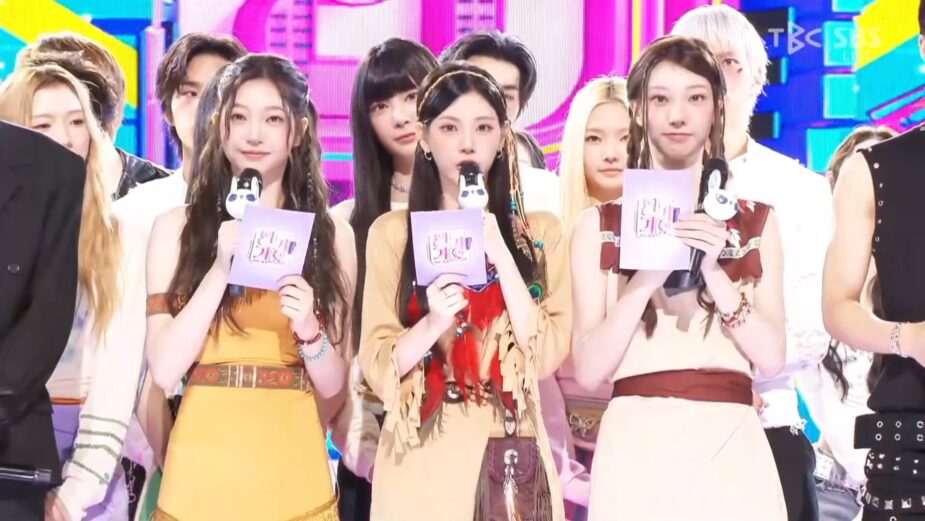
The South Korean music industry is once again at the center of a heated global debate regarding cultural sensitivity and styling choices. On September 6, 2026, during the latest broadcast of the long-running music program SBS Inkigayo, three prominent fifth-generation idols faced significant backlash for their attire. Seoyeon and Jia, members of the recently debuted HYBE girl group TUIDE, alongside Yihyun from the group Baby DONT Cry, served as special guest masters of ceremonies (MCs) for the episode. However, their appearance was quickly overshadowed by accusations of cultural appropriation, with fans and cultural critics alike pointing to outfits that appeared to mimic traditional Native American clothing.
The controversy began almost immediately after the idols appeared on screen. The three stars were styled in coordinated outfits featuring earth-toned palettes, heavy fringe detailing, and intricate geometric patterns. To many viewers, particularly those from North American indigenous communities and their allies, these design elements were seen as a direct and unauthorized imitation of sacred or ceremonial garments belonging to various Native American nations. The speed at which the criticism moved across social media platforms highlighted the growing scrutiny placed on K-pop agencies regarding their understanding of global cultural histories.
Chronology of the Controversy
The events unfolded rapidly throughout the day of the broadcast. At approximately 3:40 PM KST, the SBS Inkigayo episode aired live, introducing Seoyeon, Jia, and Yihyun as the day’s special MCs. Within minutes of their first segment, screenshots and short video clips began circulating on X (formerly Twitter), with users questioning the creative direction behind the styling. By 4:15 PM KST, several hashtags related to the groups and the term "cultural appropriation" began to trend in multiple regions, including the United States, Canada, and Brazil.
The situation was further exacerbated when the official TUIDE TikTok account uploaded a promotional video featuring Seoyeon and Jia in the same outfits. The video, set to Red Velvet’s "Happiness," showed the idols dancing and smiling in the controversial attire. This post was met with a wave of "disappointment" in the comments section, as fans argued that the agency should have recognized the problematic nature of the clothing before double-downing on the aesthetic through social media promotion.

As of the evening of September 6, the video remained on the platform, though the comment sections across all official channels for both TUIDE and Baby DONT Cry were flooded with requests for an apology and an explanation. The lack of an immediate response from HYBE or the agency representing Baby DONT Cry has led to a sustained period of digital protest from international fanbases.
Detailed Breakdown of the Styling Concerns
The primary criticism leveled against the styling of Seoyeon, Jia, and Yihyun involves the "genericization" of indigenous cultures. Cultural critics argue that the outfits worn on Inkigayo reduced the diverse and deeply meaningful traditions of hundreds of distinct Native American nations into a singular, aesthetic "costume."
Specific elements identified by observers included:
- Geometric Patterns: Often used in indigenous beadwork and weaving, these patterns frequently hold specific tribal meanings or familial histories.
- Fringe and Suede-like Textures: While fringe is a common fashion element, its combination here with specific earth tones and patterns was seen as a deliberate attempt to evoke a "tribal" or "frontier" aesthetic.
- Contextual Misuse: Critics pointed out that by using these symbols for a pop music broadcast, the agencies stripped them of their cultural and spiritual significance, transforming them into mere accessories for entertainment.
This incident is not the first time the K-pop industry has faced such allegations. Over the past decade, several high-profile groups have been criticized for using Native American headdresses, South Asian bindis, or African American hairstyles as "concepts." However, the backlash in this instance is particularly sharp due to the "fifth-generation" status of the idols involved. Fans argue that in 2026, with K-pop being a truly global phenomenon, the "lack of awareness" excuse is no longer tenable for multi-billion dollar corporations like HYBE.
The HYBE "Set-Up" Narrative
A significant portion of the online discourse has focused on HYBE, the conglomerate behind global superstars BTS and the parent company of the label managing TUIDE. Because TUIDE is a rookie group that debuted less than two weeks prior to the Inkigayo broadcast, many fans are accusing the company of "setting up" the young idols for failure.

In K-pop parlance, a "set-up" occurs when an agency makes a controversial creative decision that inevitably leads to the idols being attacked, while the executives and stylists remain behind the scenes. Supporters of the idols argue that Seoyeon and Jia, as rookies, likely had little to no say in what they were required to wear for their first major MC gig. The power dynamic within major agencies often dictates that idols follow the direction of the visual team and creative directors implicitly.
Conversely, another segment of the audience believes that idols, regardless of their career stage, should be educated on global issues. This group argues that individual accountability is necessary to spark change within the industry’s training systems. The debate highlights a rift in the K-pop community between those who prioritize the protection of the artists and those who demand immediate social responsibility from the performers themselves.
Broader Industry Implications and Data
The recurring nature of cultural appropriation in K-pop suggests a systemic gap in the industry’s "globalization" strategy. While agencies have invested heavily in English-language education and Western market distribution, cultural competency training appears to lag behind.
Data from social media sentiment analysis tools indicates that controversies involving cultural appropriation can have a measurable impact on a group’s international growth. For a rookie group like TUIDE, which is in its crucial "brand-building" phase, negative sentiment in the North American market—a primary target for HYBE—could hinder future touring opportunities and brand partnerships. Historically, groups that have failed to address such controversies quickly have seen a decline in "stan" engagement from the affected regions, which often leads to lower digital sales and streaming numbers on platforms like Spotify and Apple Music.
Furthermore, the involvement of SBS, one of South Korea’s major national broadcasters, adds another layer to the issue. As the broadcaster for Inkigayo, SBS shares responsibility for the content aired on its platform. The fact that the production team approved the styling for the MCs suggests that the oversight extends beyond the music agencies and into the television production sector.
Official Responses and Future Outlook
As of this report, HYBE has not issued a formal statement regarding the outfits worn by Seoyeon and Jia. Similarly, the management for Baby DONT Cry has remained silent regarding Yihyun’s involvement. This silence has only fueled the fire, with fan-led "email templates" being circulated to demand that the agencies hire cultural consultants to prevent future occurrences.
Industry insiders suggest that the lack of an immediate apology may be due to the complex approval layers within large corporations like HYBE, where statements must be vetted by legal and PR departments across multiple regions. However, in the fast-paced world of social media, every hour of silence is often interpreted by the public as indifference.
The long-term impact of this event will likely depend on how the agencies choose to move forward. If HYBE and the other involved parties issue a sincere apology and implement changes in their styling protocols, the controversy may eventually subside. However, if the issue is ignored, it may leave a lasting stain on the reputations of TUIDE and Baby DONT Cry, potentially alienating the very global audience they seek to capture.
The incident serves as a stark reminder that as K-pop continues to expand its reach, the demand for cultural literacy will only increase. For the "fifth generation" of idols, the stage is no longer just a local platform in Seoul; it is a global arena where every aesthetic choice is subject to the gaze and history of the world. Moving forward, the industry may find that the cost of a "concept" is far higher than the price of the clothing itself if it comes at the expense of cultural respect.

