
 By Lina Irawan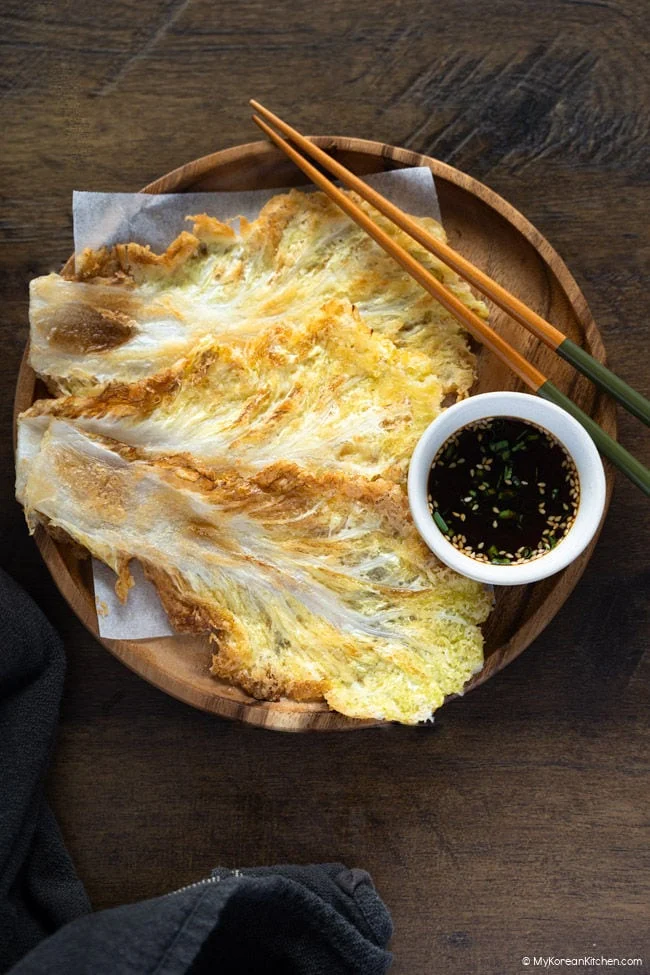
In the vast, vibrant landscape of Korean cuisine—a world often defined by the fiery intensity of gochujang or the complex, long-term fermentation of kimchi—there exists a quiet, understated masterpiece that demands attention: Baechujeon. This traditional Korean pancake, crafted from humble napa cabbage, stands as a testament to the philosophy that the most profound flavors often arise from the most minimal interference. By elevating a singular, seasonal vegetable through a delicate batter and the precise application of heat, Baechujeon offers a sensory experience that is simultaneously crisp, tender, sweet, and profoundly savory.
The Essence of Baechujeon: A Culinary Profile
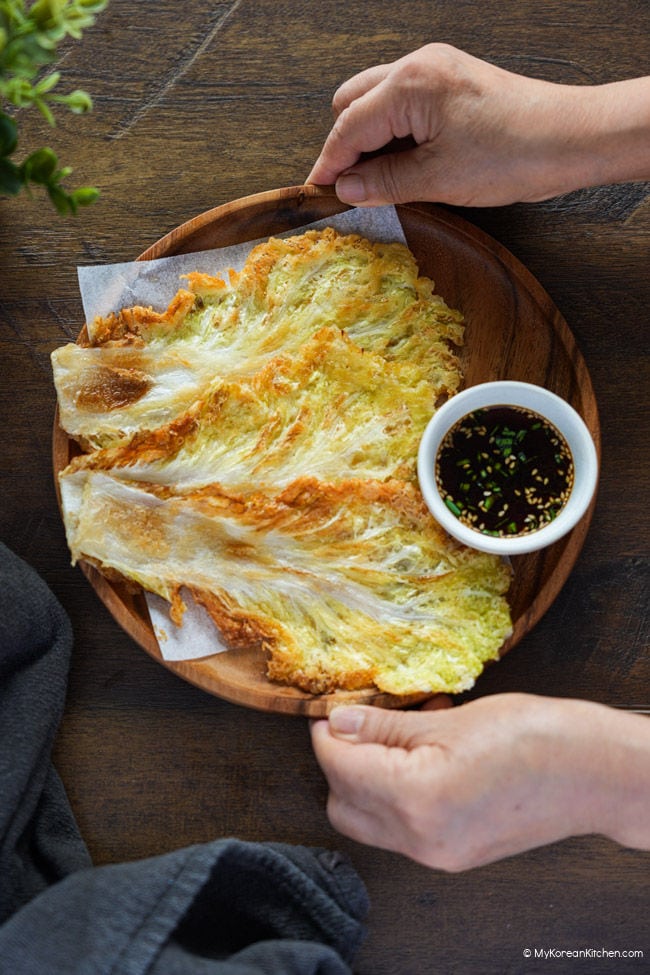
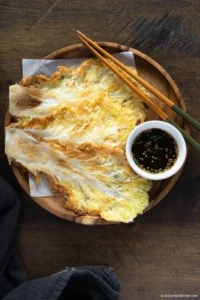
At its core, Baechujeon (배추전) is a study in texture and restraint. Unlike many modern pancake variations that incorporate a medley of seafood, scallions, or mixed vegetables, the traditional Baechujeon focuses exclusively on the napa cabbage leaf. The leaf is cleaned, lightly salted to draw out moisture, and coated in a thin, ethereal batter before being pan-fried until the edges reach a lace-like crispness.
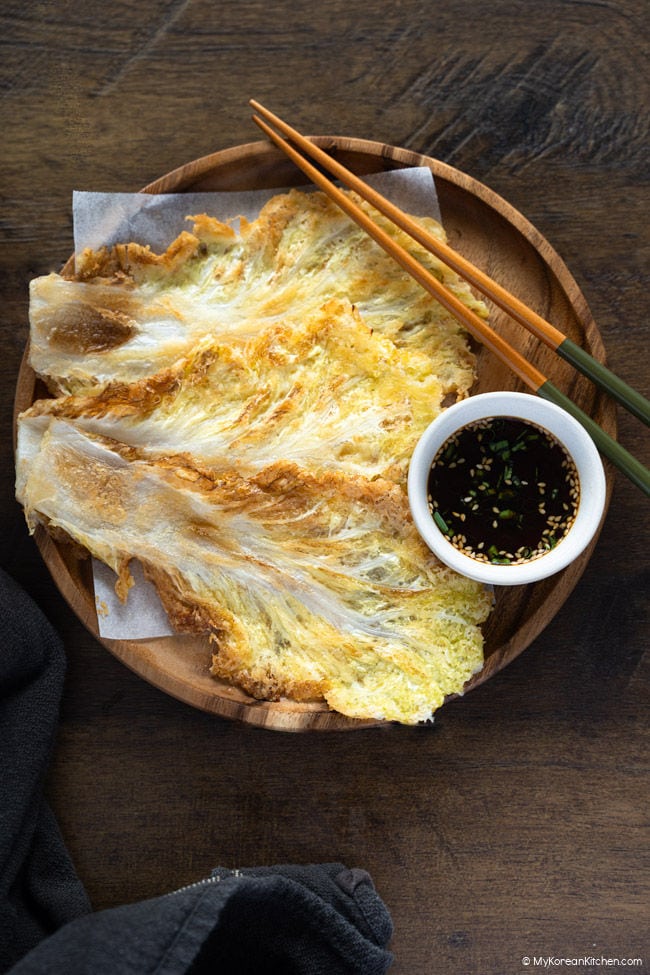
The dish is celebrated not for its complexity, but for its honesty. When prepared correctly, the cabbage retains its structural integrity, providing a tender, sweet interior that contrasts beautifully with the brittle, golden-brown crust. The inclusion of premium ingredients—specifically perilla oil and saeujeot (salted shrimp)—acts as the structural backbone of the flavor profile, providing an earthy, nutty depth that grounds the natural sugars of the cabbage.
Chronology: A Culinary Evolution
While the exact historical origins of Baechujeon are difficult to pin to a single century, the dish has long been a staple of rural Korean households, particularly during the autumn harvest season. Traditionally, the dish was a means of celebrating the peak freshness of napa cabbage, a vegetable that has served as the bedrock of the Korean diet for generations.
- The Seasonal Roots: Historically, Baechujeon was a seasonal delicacy prepared when cabbage was at its sweetest, following the first light frost. The cold temperature exposure traditionally enhances the sugar content of the cabbage, making it an ideal candidate for pan-frying.
- The Evolution of the Batter: Early iterations of the dish utilized simple buckwheat flour, common in the mountainous regions of Korea. As wheat flour became more accessible in the post-war era, the batter transitioned to the light, wheat-based mixtures seen in contemporary kitchens today.
- Modern Refinement: In recent years, the dish has transitioned from a home-style "comfort food" to a respected menu item in high-end hansik (traditional Korean) restaurants. Chefs are now placing renewed emphasis on the quality of the perilla oil, sourcing cold-pressed varieties to ensure a superior nutty aroma that elevates the humble cabbage to a fine-dining standard.
The Anatomy of the Dish: Ingredients and Technique
The preparation of Baechujeon is an exercise in patience and precision. Success relies on the understanding of the cabbage’s physical properties.
The Cabbage
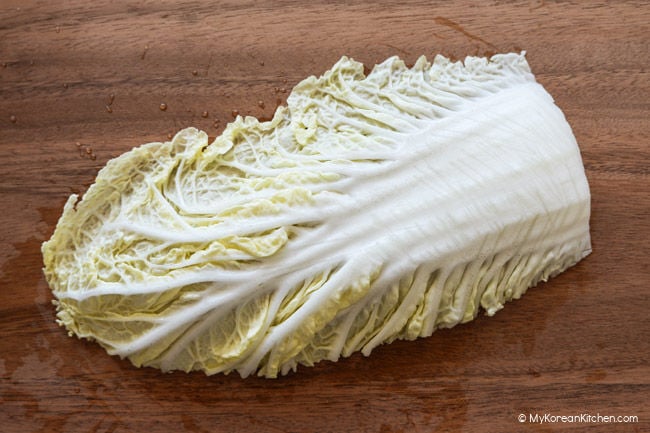
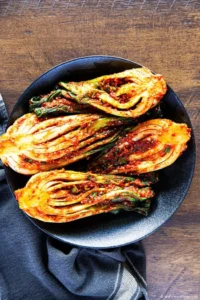
The selection of napa cabbage is critical. One should look for heads that feel dense and heavy for their size, with vibrant, crisp leaves. The white stems, often discarded in Western cooking, are the star of this dish. By lightly scoring the thick stems with a knife, the cook ensures that the fibrous tissue softens uniformly during the short cooking time, preventing the pancake from becoming unevenly cooked.
The Batter
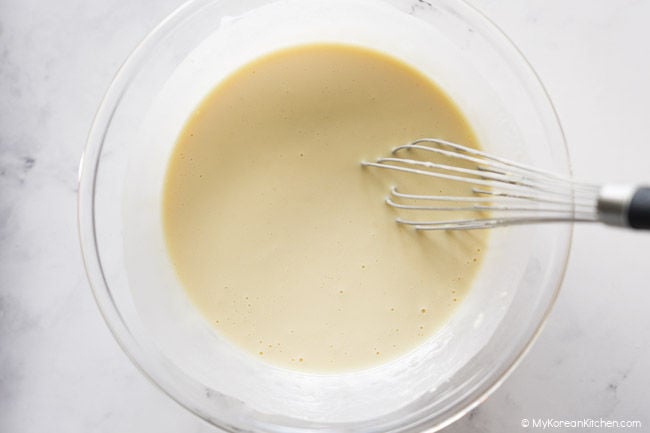
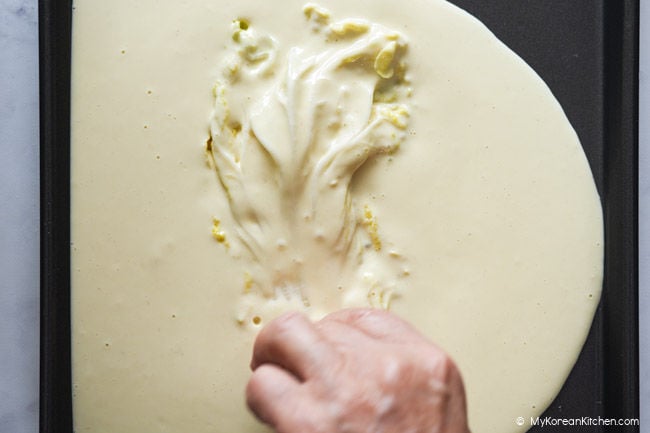
The batter should be nothing more than a vehicle for heat conduction. A mixture of flour, a touch of starch for extra crispness, and water creates a "velvet" coating. It must be thin; if the batter is too thick, the result is a doughy, heavy cake that masks the delicate vegetal notes of the cabbage.
The Secret Elements
The magic of this version of Baechujeon lies in the interplay of two traditional ingredients:
- Perilla Oil: Rich in Omega-3 fatty acids and possessing a distinct, herbaceous, nutty aroma, perilla oil is the traditional fat of choice for jeon (pancakes). It adds a layer of sophistication that standard vegetable oils cannot replicate.
- Saeujeot (Salted Shrimp): A small amount of brine from fermented shrimp or finely minced saeujeot provides a natural umami boost. This acts as a savory "glue," bridging the gap between the sweet cabbage and the neutral batter.
Step-by-Step Methodology: Achieving the Perfect Texture
Phase I: Preparation and Scoring
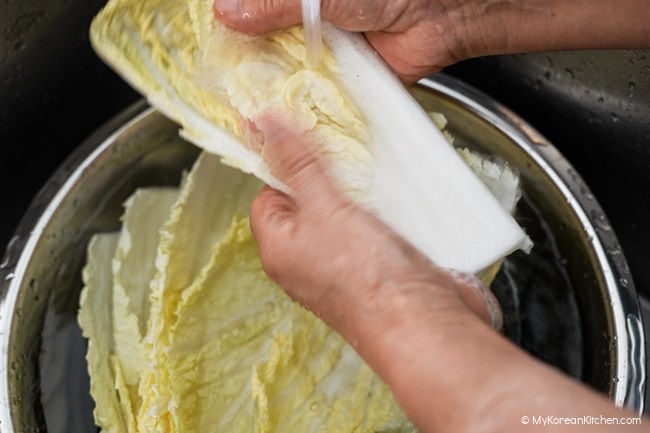
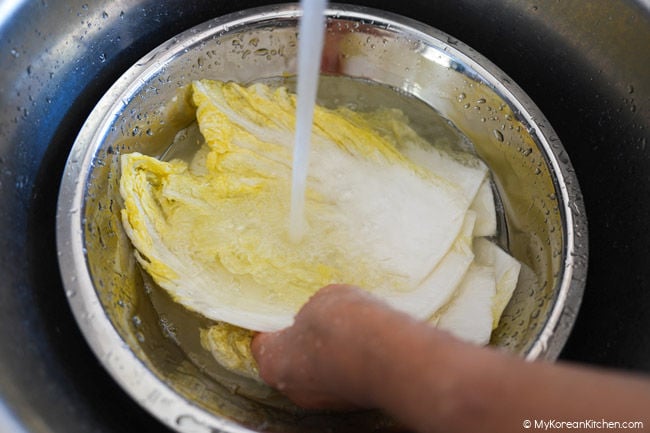
Begin by separating the leaves and rinsing them under cold, running water. The scoring process is essential: take a sharp knife and make shallow, diagonal cuts across the white stems. This mimics the technique used for tenderizing protein, allowing the heat to penetrate the thickest part of the vegetable efficiently.
Phase II: The Salting Process
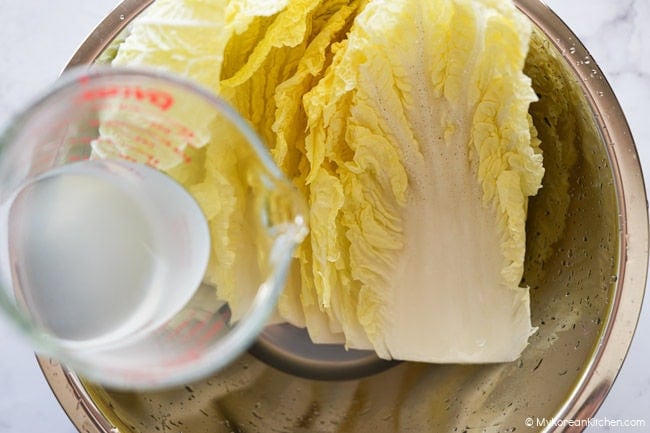
Submerge the leaves in a light salt-water solution for five minutes. This process does more than season; it softens the cellular structure of the cabbage, making the leaves pliable and easy to handle in the frying pan. Once softened, rinse away excess salt and pat the leaves gently. They should remain damp; this moisture is crucial for the final steaming effect that occurs inside the batter while frying.
Phase III: The Frying Technique
The frying pan should be set to a medium heat. It is a common error to use high heat, which will burn the flour before the cabbage has had time to soften. By using a generous amount of perilla oil and maintaining a consistent, moderate temperature, the chef ensures that the edges of the cabbage leaves achieve that signature "lace" effect while the center remains succulent.
Supporting Data: Nutritional and Dietary Context
For those monitoring their intake, Baechujeon is a surprisingly light option. A single serving contains approximately 54 kcal. The carbohydrate profile is moderate (9g per serving), and because the dish relies on pan-frying rather than deep-frying, the fat content remains low, particularly when utilizing high-quality monounsaturated fats.
| Nutrient | Amount per Serving |
|---|---|
| Calories | 54 kcal |
| Carbohydrates | 9g |
| Protein | 1g |
| Total Fat | 1g |
| Sodium | 619mg |
| Fiber | 0.5g |
Note: Nutritional information is an estimate based on standard preparation methods. Sodium levels may vary depending on the amount of salt used during the softening phase.
Culinary Implications: Why This Recipe Endures
The enduring popularity of Baechujeon in an era of complex, fusion-heavy cuisine highlights a shift in consumer behavior. Modern diners are increasingly seeking "clean" labels and authentic, farm-to-table experiences. Baechujeon satisfies this demand by being a dish that is inherently vegan (if traditional saeujeot is omitted or replaced with sea salt) and completely transparent in its composition.
Furthermore, the dish serves as a perfect entry point for those new to Korean cooking. It requires minimal equipment—only a frying pan and a bowl—and teaches the fundamental skill of managing the "Maillard reaction" in a vegetable-forward context.
Expert Recommendations for Elevated Results
To achieve the best results at home, culinary experts suggest the following:
- Dipping Sauce: Always serve with a sauce consisting of soy sauce, rice vinegar, a drop of sesame oil, and toasted sesame seeds. The acidity of the vinegar is essential to cut through the richness of the perilla oil.
- Temperature Control: Do not overcrowd the pan. Cooking the leaves in a single layer ensures that moisture evaporates correctly. If the pan is crowded, the cabbage will steam rather than fry, resulting in a soggy texture.
- The "Wait" Factor: After flipping, resist the urge to press down on the pancake with a spatula. You want to preserve the delicate structure of the leaf, not crush it into a paste.
Conclusion
Baechujeon is a profound reminder that in the culinary arts, simplicity is the ultimate form of sophistication. By honoring the natural qualities of the napa cabbage and utilizing traditional fats and seasonings, the cook creates a dish that is both timeless and deeply satisfying. Whether enjoyed as a snack, a side dish to a larger Korean feast, or a light vegetarian main course, the Baechujeon remains a cornerstone of the Korean kitchen—a humble, crispy, and delicious piece of cultural history that continues to evolve with every generation.
 Raul Delapena Setiawan
  Asep Darmawan
  Nana Wu
