
 By Asro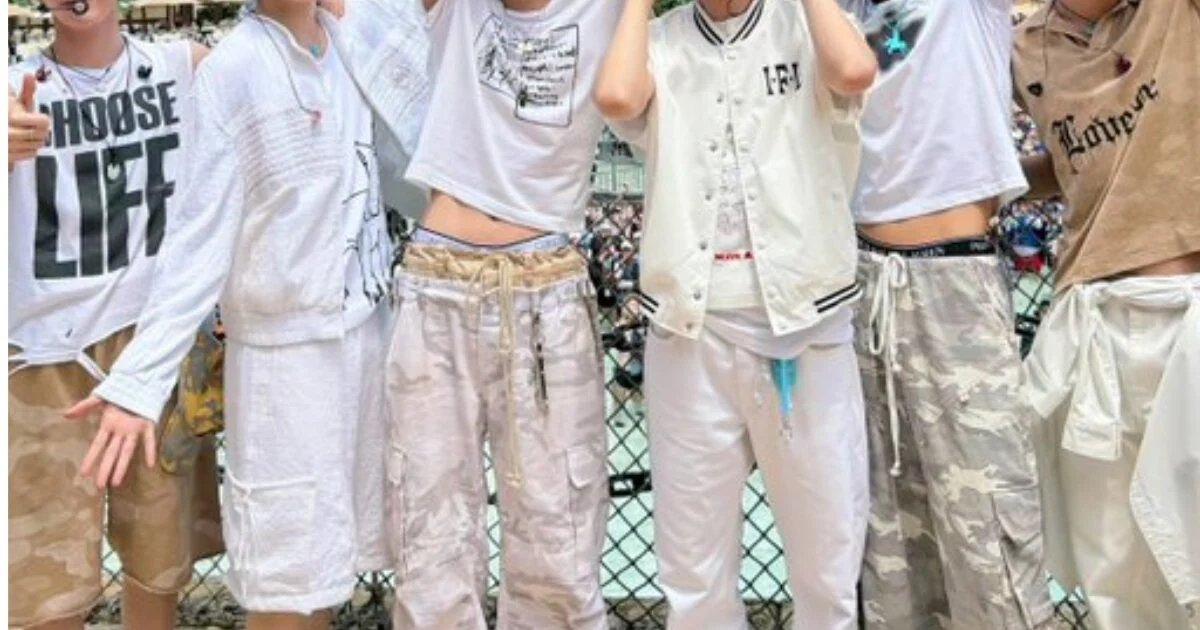
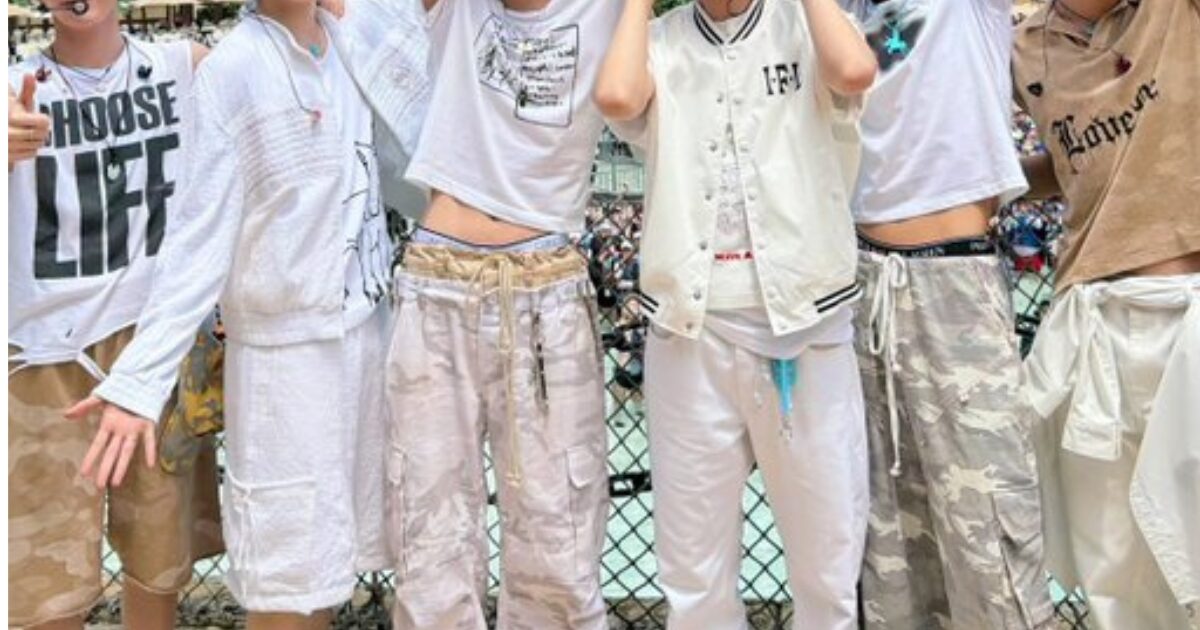
The intersection of high-energy K-pop performances and public leisure spaces has come under intense scrutiny following a series of disturbing reports regarding unsanitary conditions during an NCT WISH event at Caribbean Bay. On July 26, 2026, the popular water park, located within the Everland Resort in Yongin, South Korea, hosted the rookie sub-unit of SM Entertainment’s global brand, NCT. While the performance was intended to be a celebratory summer highlight, the aftermath has been dominated by widespread accounts from attendees alleging severe hygiene breaches, including reports of bodily fluids and waste being discharged directly into the park’s communal water areas. These incidents have reignited a national conversation regarding the ethics of extreme fan culture and the adequacy of crowd management and sanitation protocols at major public venues.
Chronology of the Event and Fan Mobilization
The event was marketed as a special summer performance featuring NCT WISH, a group that has rapidly gained a dedicated following since their debut. Given the group’s popularity, fans began mobilizing days in advance. Reports indicate that many supporters engaged in overnight camping outside the gates of Caribbean Bay to ensure they were among the first to enter the facility. The primary motivation for this early arrival was to secure prime viewing locations near the stage, which was situated in close proximity to the park’s famous wave pool.
By the time the gates opened, the temperature had reached peak summer levels, creating a high-pressure environment where thousands of fans converged on a singular location. As the day progressed, the density of the crowd in and around the wave pool increased significantly. To maintain their hard-won positions near the stage, many fans reportedly refused to leave the water or the immediate standing area for hours at a time, despite the intense heat and the physiological need for hydration and restroom breaks.
Detailed Accounts of Unsanitary Incidents
As the performance concluded and fans began to disperse, social media platforms, particularly X (formerly Twitter) and various Korean online communities, were flooded with testimonials from eyewitnesses who described a deteriorating sanitary situation. Three specific types of incidents were frequently cited, painting a grim picture of the environment during the show.
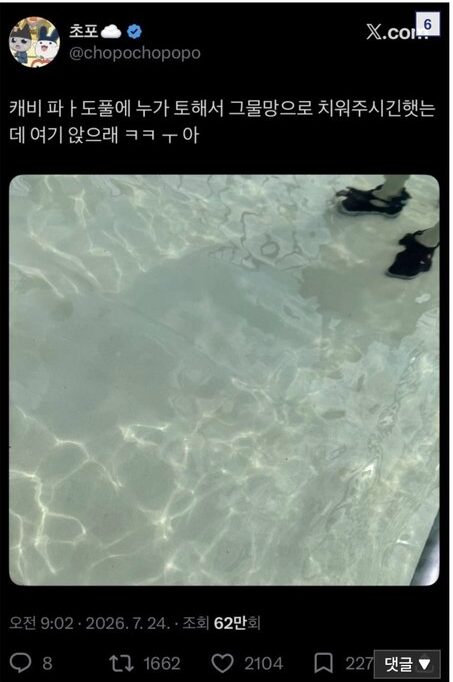
First, multiple attendees reported that an individual had vomited within the wave pool. According to one witness, identified online as "chopochopopo," park staff attempted to mitigate the situation using nets to remove solid matter. However, the witness noted that the water was not drained, and fans were expected to remain in the vicinity to continue watching the performance. This raised immediate concerns regarding the efficacy of spot-cleaning in a large, circulating body of water where pathogens can spread rapidly.
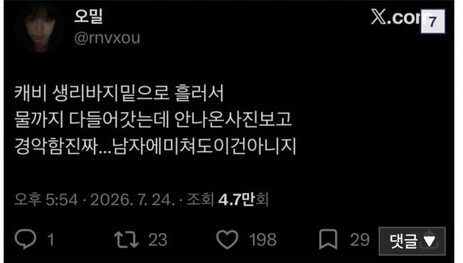
Second, a highly circulated post alleged that a fan had remained in the water despite visibly bleeding through her clothing due to her menstrual cycle. The witness, "rnvxou," expressed horror at the sight, noting that the individual prioritized her proximity to the idols over basic personal hygiene and the health of those around her. This report sparked a debate about the "dehumanizing" effect of extreme fandom, where the desire for a brief interaction with a celebrity outweighs social norms and sanitary requirements.
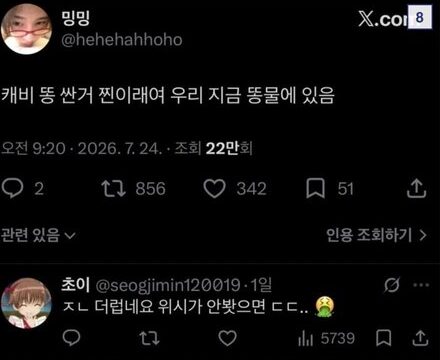
The most severe allegation involved reports of human feces in the water. An attendee using the handle "hehehahhoho" claimed that the wave pool had been contaminated with fecal matter, stating that hundreds of people were effectively "standing in poop water." In a crowded aquatic environment, such a breach represents a significant public health risk, as fecal matter is a primary vector for waterborne illnesses such as E. coli, Norovirus, and Cryptosporidium.
Public Health Implications and Water Park Protocols
The reports from Caribbean Bay have led to questions regarding the facility’s response to biohazardous incidents. Standard operating procedures for most international water parks dictate that if a "fecal accident" occurs, the pool must be cleared immediately. For formed stool, chlorine levels are typically raised, and the water is circulated for a set period. In the event of diarrheal discharge, the pool often requires complete closure for up to 24 hours to allow for hyper-chlorination and filtration to kill chlorine-resistant pathogens like Cryptosporidium.
Given the accounts provided by fans, there is a perception that the sheer volume of the crowd and the momentum of the event may have hindered the staff’s ability to enforce these protocols. If the wave pool remained operational and occupied following these incidents, it would represent a failure in safety management. Public health experts note that in high-density aquatic settings, the dilution of contaminants is not an adequate substitute for proper disinfection and evacuation.
The Sociology of Extreme Fandom: The "Spot Culture"
The incidents at Caribbean Bay are not isolated cases of poor hygiene in K-pop spaces; rather, they appear to be symptoms of a broader "spot culture" that has permeated the industry. In the world of K-pop, the proximity to one’s "bias" (favorite member) is often viewed as a badge of honor and a reward for dedication. At music awards, festivals, and outdoor performances, the lack of reserved seating leads to a "survival of the fittest" mentality.
Fans often believe that if they leave their spot—even for a few minutes to use the restroom—it will be immediately occupied by someone else, and hours of waiting will be wasted. This pressure has led to increasingly desperate measures. The Caribbean Bay incident drew immediate comparisons to the 2024 Hanteo Music Awards, where a fan reportedly defecated in their pants while standing in the mosh pit, leading to a foul odor that affected both the audience and the artists on stage. In that instance, the individual later apologized online, citing an inability to leave the crowded area in time.
This behavior highlights a concerning trend where the physical well-being of the fan and the collective health of the public are sacrificed for the sake of the "idol experience." Critics argue that management companies and event organizers must take more responsibility for these dynamics by implementing better crowd control, providing more frequent breaks, or moving toward strictly reserved seating to eliminate the incentive for camping and refusing to leave spots.
Impact on NCT WISH and Venue Reputation
For NCT WISH, a group still in its formative years, being associated with such a controversial event is an unfortunate PR hurdle. While the members of the group are not responsible for the behavior of their fans or the management of the venue, the "fandom image" is often inextricably linked to the group’s brand. The narrative of the "unsanitary performance" threatens to overshadow the musical and choreographic efforts of the artists.
Caribbean Bay, a flagship property of Samsung C&T’s Resort Group, also faces potential reputational damage. As one of the world’s most-visited water parks, its brand is built on safety, cleanliness, and family-friendly entertainment. The allegations of "poop water" and inadequate cleaning responses circulate quickly in a digital age, potentially deterring future visitors and leading to calls for stricter oversight from health authorities.
Broader Implications for the K-pop Industry
The events of July 26 serve as a wake-up call for the live entertainment industry in South Korea. As K-pop continues to grow as a global phenomenon, the scale of fan events has outpaced traditional crowd management strategies. The following areas are likely to see increased scrutiny:
- Venue Regulations: There may be new mandates for medical and sanitary personnel to be stationed directly within high-density zones at water parks and concert halls to identify and manage biohazard incidents in real-time.
- Event Logistics: Organizers may be pressured to move away from "standing-only" or "first-come, first-served" formats for high-demand idols, favoring lottery systems or assigned seating to reduce the physical strain on fans.
- Fan Education: Fandom leaders and management agencies may need to take a more proactive role in promoting "healthy fandom" practices, emphasizing that personal hygiene and public safety are paramount.
- Sanitation Technology: Large-scale venues may invest in more advanced, real-time water quality monitoring systems that can detect contaminants faster than manual reporting.
While the performance of NCT WISH was meant to be a high point of the summer season, it has instead become a cautionary tale regarding the limits of human endurance and the necessity of maintaining public health standards, even in the face of intense entertainment fervor. The discussion moving forward will likely focus on how to balance the enthusiasm of the K-pop community with the fundamental right to a safe and sanitary public environment.

