
 By Ali Ikhwan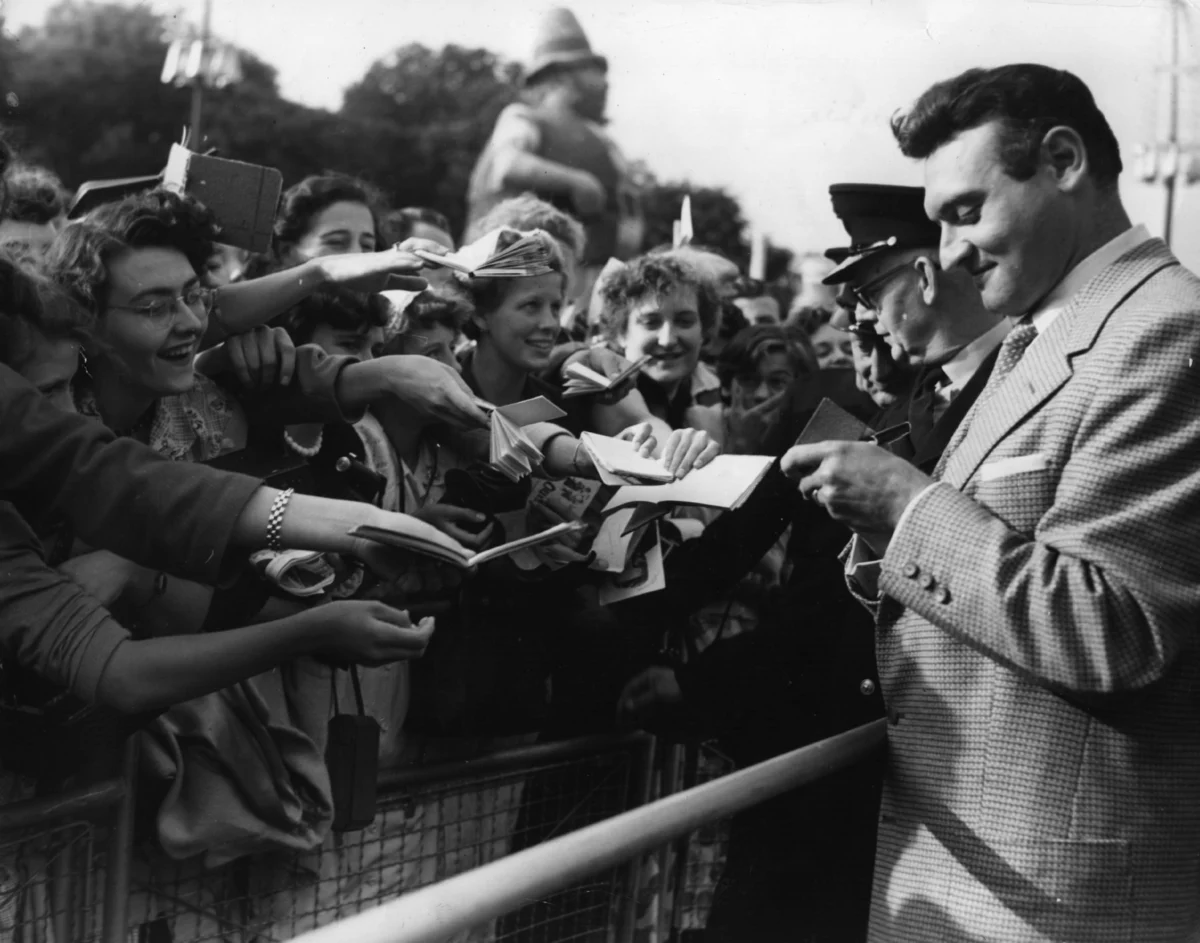
The enduring legacy of "I Believe," a timeless ballad originally sung by Frankie Laine, has once again captured the attention of the music world. This iconic song has achieved a remarkable feat, tying the all-time record for the longest run at No. 1 on the Official UK Singles Chart with an astonishing 18 nonconsecutive weeks. This historic achievement, first set by Laine in 1953, has now been matched by the contemporary collaboration of Sam Fender and Olivia Dean with their hit single "Rein Me In." The resurgence of interest in "I Believe" highlights its profound impact and enduring appeal across generations, prompting a closer examination of its rich history and the elements that have contributed to its lasting significance.
A Monumental Chart Achievement
The Official UK Singles Chart is the definitive measure of popular music success in the United Kingdom, and holding the number one position for an extended period is a testament to a song’s widespread appeal and cultural resonance. Frankie Laine’s "I Believe," released in 1953, held this record for an unbroken 73 years. This longevity is virtually unprecedented in the fast-paced music industry, where trends shift rapidly and songs often have fleeting chart lives. The fact that it took until 2026 for another song to equal this record underscores the magnitude of Laine’s achievement and the enduring power of his rendition.
The contemporary artists Sam Fender and Olivia Dean have now etched their names into the history books by matching this record with "Rein Me In." Their success is particularly noteworthy given the vastly different musical landscape and consumption habits of today compared to the 1950s. This shared milestone serves as a powerful bridge between musical eras, demonstrating that while the industry evolves, the fundamental human connection to powerful melodies and meaningful lyrics remains constant.
The Genesis and Enduring Message of "I Believe"
"I Believe" is more than just a chart-topping hit; it is a profound expression of optimism and philosophical conviction. Penned by a quartet of talented songwriters – Ervin Drake, Irvin Abraham (under the pseudonym Irvin Graham), Jack Mendelsohn (as Jimmy Shirl), and Al Stillman – the song’s lyrics offer a message of hope and resilience. Lines such as "I believe for every drop of rain that falls/ A flower grows" and "I believe for everyone who goes astray/ Someone will come to show the way" resonate deeply with listeners, offering comfort and a belief in the inherent goodness and eventual triumph of humanity.
The song’s hopeful narrative speaks to universal themes of growth, redemption, and the interconnectedness of life. This inherent positivity has positioned "I Believe" as a staple in collections of inspirational music. Its enduring message transcends time and cultural shifts, speaking to fundamental human desires for meaning and reassurance.
A Tapestry of Notable Recordings
The success and impact of "I Believe" are further amplified by its numerous acclaimed recordings by some of the most iconic artists in music history. Following Frankie Laine’s original hit, the song was embraced and reinterpreted by a diverse array of musical legends, each imbuing it with their unique artistic voice.
- Perry Como included his version on his 1954 album titled I Believe, further solidifying its presence in the popular music canon.
- Mahalia Jackson, the Queen of Gospel, featured the song on her seminal 1956 album, The World’s Greatest Gospel Singer, highlighting its spiritual and uplifting qualities.
- Elvis Presley, the King of Rock and Roll, recorded "I Believe" for his 1957 EP Peace In the Valley, showcasing its versatility across different genres.
- Pat Boone, a popular singer of the era, included it on his 1964 album The Lord’s Prayer (And Other Great Hymns), underscoring its appeal within religious and inspirational music contexts.
- Glen Campbell offered his rendition on his 1970 album Oh Happy Day, bringing his distinctive country-pop sensibilities to the ballad.
- B.J. Thomas, known for his soulful hits, featured "I Believe" on his 1981 album Amazing Grace, further attesting to its enduring religious and inspirational appeal.
- Most recently, Barbra Streisand included the song on her 1997 album Higher Ground, demonstrating its continued relevance and appeal to contemporary audiences through the interpretations of legendary artists.
The fact that "I Believe" has been a feature on albums by artists spanning rock and roll, gospel, country, and pop genres speaks volumes about its universal appeal and its capacity to connect with a broad spectrum of listeners. This widespread adoption by influential figures has cemented its status as a classic, continually reintroducing it to new generations of music fans.
The Production and Orchestration Behind the Hit
Frankie Laine’s definitive recording of "I Believe" was not merely a vocal performance; it was a carefully crafted production overseen by one of the most influential music producers of the 1950s, Mitch Miller. Miller, renowned for his innovative approach and his ability to create commercially successful records, brought his expertise to this timeless ballad. The recording was further enhanced by the accompaniment of Paul Weston and His Orchestra, whose lush arrangements provided a rich and evocative backdrop to Laine’s powerful vocals. This collaboration between a charismatic vocalist, a visionary producer, and a skilled orchestra was instrumental in shaping the song into the enduring hit it became.
A Transatlantic Success Story
While "I Believe" achieved its record-breaking success in the UK, its impact was also felt across the Atlantic. In the United States, Frankie Laine’s rendition climbed to No. 2 on a pre-Hot 100 chart in 1953. This strong performance in the American market further solidified its status as a significant international hit.
In contrast, Sam Fender and Olivia Dean’s "Rein Me In," while a monumental success in the UK, has faced a different trajectory on the U.S. Billboard Hot 100. The song has so far reached a peak of No. 64 on the Hot 100. As of the latest chart updates, it has shown resilience, climbing from No. 80 to No. 69 on the upcoming Hot 100, indicating that its journey on the American charts is still unfolding. This divergence in chart performance between the two songs highlights the complexities and regional variations in music consumption and popularity.

Seven Things You Should Know About "I Believe"
The enduring appeal and remarkable chart success of "I Believe" warrant a deeper dive into its history and context. Here are key insights into this iconic song:
-
The Songwriters’ Collective: The collaborative nature of the songwriting team behind "I Believe" is noteworthy. Ervin Drake, Irvin Graham, Jack Mendelsohn (Jimmy Shirl), and Al Stillman brought together diverse perspectives to craft lyrics that are both poetic and universally relatable. This collective effort resulted in a song that resonated deeply with the public consciousness.
-
Mitch Miller’s Midas Touch: Mitch Miller’s involvement as the producer of Frankie Laine’s recording cannot be overstated. Miller was a master of creating commercially viable yet artistically sound recordings. His production choices for "I Believe" – the grand orchestration, the emphasis on Laine’s vocal power – were crucial to its massive success. Miller was known for his innovative use of studio techniques and his keen understanding of what would appeal to a wide audience.
-
Frankie Laine’s Vocal Prowess: Frankie Laine was a formidable vocalist known for his powerful baritone and his ability to convey deep emotion. His rendition of "I Believe" is characterized by its sincerity and conviction, making the song’s message of hope even more impactful. His performance became the definitive version for many, setting a high standard for subsequent interpretations.
-
The Era of the Ballad: "I Believe" emerged during a period when epic ballads held significant sway in popular music. The 1950s saw a rise in the popularity of songs with grand arrangements and emotionally resonant themes, and "I Believe" perfectly captured this zeitgeist. Its success paved the way for other similarly structured and themed songs to achieve chart dominance.
-
Inspirational Music Genre: The song’s consistent inclusion in collections of inspirational and gospel music speaks to its thematic depth. While not strictly a religious song, its message of faith, hope, and the belief in a better future aligns with spiritual values. This has allowed it to find a home across various musical genres and contexts.
-
Enduring Presence on Billboard 200: The song’s impact extends beyond the singles chart. "I Believe" has been featured on albums that have topped the Billboard 200, the primary album chart in the United States. Notably, it appeared on Elvis Presley’s Elvis’ Christmas Album and Barbra Streisand’s Higher Ground, both of which reached number one on the Billboard 200. This demonstrates the song’s enduring appeal across different formats and its ability to contribute to the success of major albums.
-
The Modern Echo: Sam Fender & Olivia Dean: The fact that "Rein Me In" by Sam Fender and Olivia Dean has tied the UK singles record in 2026 is a significant cultural moment. It not only celebrates the enduring power of "I Believe" but also highlights the current generation’s capacity to connect with music that carries a similar weight of lyrical substance and emotional depth. The comparison between Laine’s 1953 hit and Fender and Dean’s contemporary track offers a fascinating insight into the evolution of popular music and the timeless nature of impactful songwriting.
Broader Implications and Legacy
The shared record on the Official UK Singles Chart between Frankie Laine’s "I Believe" and Sam Fender & Olivia Dean’s "Rein Me In" serves as a powerful reminder of music’s enduring power to connect with audiences across decades. It underscores that while the methods of music consumption and the sonic landscapes of popular music may change dramatically, the fundamental human need for songs that offer hope, meaning, and emotional resonance remains constant.
The success of "I Believe" in 1953, and its subsequent reinterpretation by numerous artists, solidified its place as a classic. Its ability to inspire, comfort, and uplift listeners for over 70 years is a testament to the quality of its songwriting, the power of its message, and the enduring impact of Frankie Laine’s iconic performance. The achievement of Sam Fender and Olivia Dean in matching this record is a contemporary echo of that legacy, demonstrating that a new generation of artists can create music that captures the zeitgeist and achieves similar levels of monumental success. This shared milestone is not just a statistical anomaly but a cultural bridge, celebrating the timeless power of a well-crafted song.

