
 By Layla Zulfa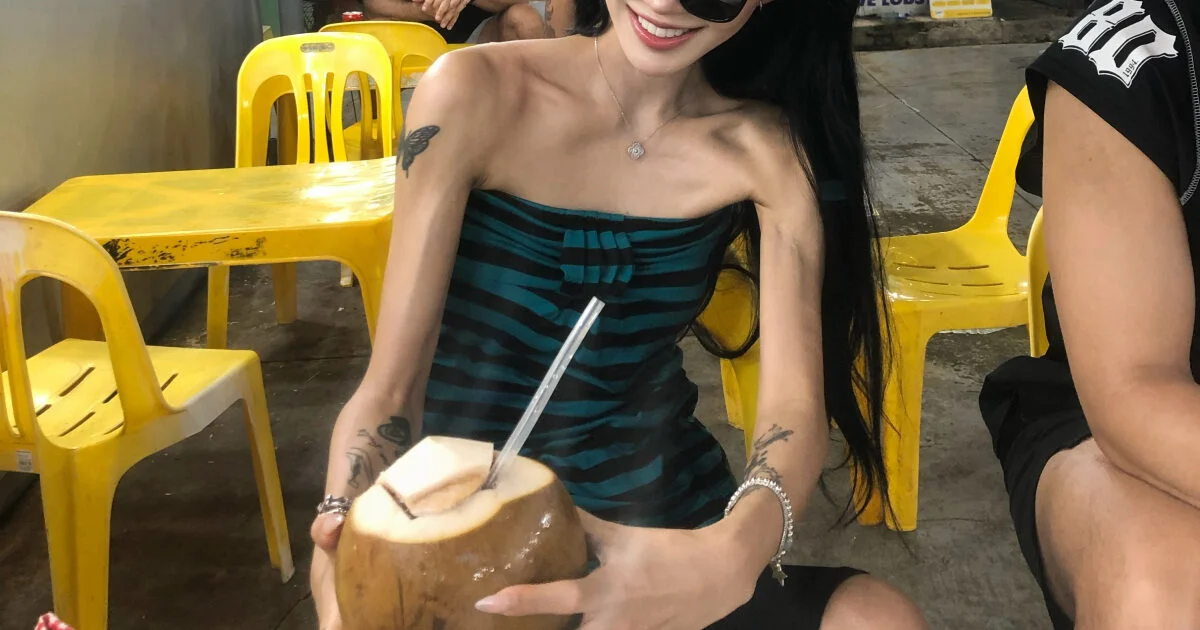
SEOUL, South Korea – In a striking display of defiance against pervasive beauty standards and intense public scrutiny, Korean personality Choi Jun Hee has once again become the focal point of a heated online debate after showcasing her extremely slender figure. Her recent social media posts, shared on July 22, 2026, from a vacation in Da Nang, Vietnam, quickly drew a torrent of criticism from netizens concerned about her weight, to which she appears to have responded with unwavering indifference. The incident reignites a persistent conversation in South Korea regarding celebrity body image, the pressures of public life, and the delicate balance between individual autonomy and societal expectations.
The Da Nang Post and Public Reaction: A Digital Firestorm
The controversy erupted following a series of photographs and accompanying captions posted by Choi Jun Hee on her Instagram account. The images captured her enjoying various activities in Da Nang, Vietnam, from dining on local delicacies to relaxing by the pool. One particular set of photos, uploaded on July 22nd, featured her in light summer attire, unmistakably highlighting her noticeably thin physique. Her caption read, "By the way, this is Da Nang city, Da Nang city. It was a day I dressed up nicely, but after this day, it got so hot that I wandered around like a rag." She further added, "Despite this, I’m feeling full. Spicy beef tripe pho is delicious. I maintained a good summer body, right? Oppa, give me a foot massage." The playful tone and casual reference to her "summer body" alongside pictures showing her slender arms and overall frame immediately caught the attention of her followers and the wider Korean online community.
Within hours of the post going live, the comment sections and various online forums, including popular Korean community sites, were inundated with reactions. A significant portion of these comments expressed alarm and concern over her apparent weight loss. Many netizens voiced worries about her health, with some directly questioning if she was underweight or engaging in unhealthy dieting practices. Phrases like "too thin," "looks unhealthy," and "worried about her wellbeing" became common refrains. Others were more critical, accusing her of potentially promoting an unhealthy body image, especially given her public platform. The debate quickly transcended simple concern, evolving into a broader discussion about the responsibilities of public figures in influencing beauty standards.
Choi Jun Hee’s Defiant Stance: "Being Underweight Feels Better"
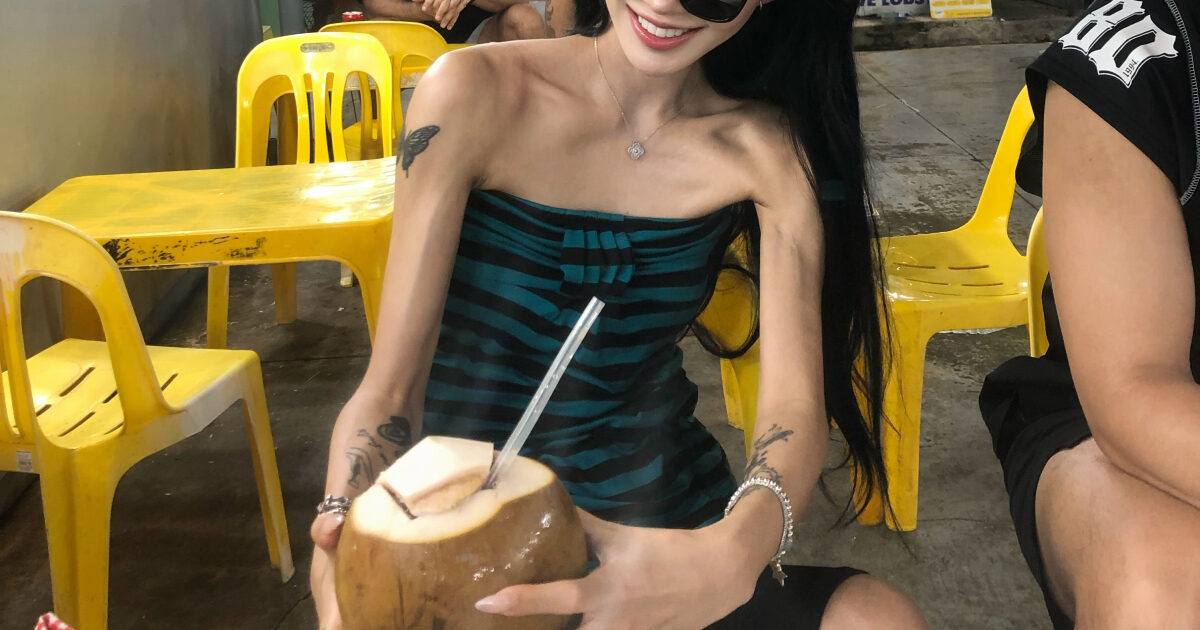
While the online discourse swirled with varied opinions, Choi Jun Hee’s captions and her past statements indicate a clear and consistent stance of self-acceptance and defiance. Her casual mention of maintaining a "good summer body" after a hearty meal of spicy beef tripe pho suggests a deliberate dismissal of external judgment. This recent display is not an isolated incident; Choi Jun Hee has previously addressed public criticism regarding her weight with similar frankness. She is publicly known to be 170 cm (approximately 5 feet 7 inches) tall and reportedly weighs 41 kg (approximately 90 pounds). This places her Body Mass Index (BMI) at roughly 14.1, which is significantly below the World Health Organization’s threshold for a healthy weight (18.5-24.9) and falls into the category of severe underweight.
In a prior statement that resurfaced amidst the current controversy, Choi Jun Hee candidly stated, "People criticize my bony look as unconventional beauty, but so what? Being underweight feels better to live with." This declaration underscores her personal preference and her refusal to conform to societal ideals or health-based critiques. Her consistent messaging signals a clear intention to live authentically according to her own choices, regardless of public opinion or the intense scrutiny that accompanies her public life.
Background: The Legacy and Public Scrutiny of Choi Jun Hee
To fully comprehend the depth and intensity of the public’s reaction to Choi Jun Hee, it is crucial to understand her unique position within South Korean society. Choi Jun Hee is the daughter of the late legendary actress Choi Jin Sil, a beloved figure in Korean entertainment whose tragic passing in 2008, followed by her brother Choi Jin Young’s suicide in 2010, left an indelible mark on the nation’s collective psyche. This profound family tragedy has inadvertently placed Choi Jun Hee and her brother, Choi Hwan Hee, under an extraordinary and perpetual spotlight. From a young age, their lives have been subjects of public interest, sympathy, and often, intrusive speculation.
This inherited legacy means that Choi Jun Hee’s personal choices, particularly those related to her appearance, health, and well-being, are often viewed through a lens of public concern that extends beyond typical celebrity fascination. Many netizens, while perhaps well-intentioned, feel a collective responsibility or emotional attachment to the well-being of the children of a national icon. This historical context amplifies every personal revelation or public appearance, transforming seemingly private matters into subjects of national debate and concern. Her previous struggles with weight fluctuations, mental health, and personal relationships have all been extensively covered by the media, further cementing her image as a figure constantly under observation.
The Broader Context of Korean Beauty Standards: A Societal Imperative

The controversy surrounding Choi Jun Hee’s figure is not merely about one celebrity’s weight; it is a microcosm of the intense and often unforgiving beauty standards prevalent in South Korea. The nation is renowned globally for its highly competitive and appearance-focused culture, often termed the "K-beauty" phenomenon. This culture places immense emphasis on physical perfection, with a particular premium on extreme thinness, small faces, pale skin, and specific facial features. For women, achieving a "slim" or "lean" figure is often seen not just as an aesthetic preference but as a societal expectation, deeply ingrained in media, fashion, and everyday life.
The entertainment industry, in particular, sets extremely high and often unrealistic benchmarks. K-pop idols and actors are frequently expected to maintain very low body fat percentages and slender physiques, often through rigorous diets and exercise regimes. Documentaries and news reports have frequently highlighted the extreme measures taken by trainees and established stars to meet these stringent requirements, leading to concerns about body dysmorphia and disordered eating within the industry. This pervasive environment creates a challenging landscape for anyone in the public eye, where deviations from the ideal, or even the maintenance of the ideal, can spark intense public reaction.
Health and Body Image Concerns in South Korea: A Public Health Dialogue
The public’s reaction to Choi Jun Jun Hee’s weight also touches upon broader public health discussions concerning body image and healthy living. While the comments from netizens are often criticized for being invasive or judgmental, a segment genuinely stems from concern for her physical health. Medically, a BMI of 14.1 is considered severely underweight, carrying potential health risks such as nutritional deficiencies, weakened immune system, bone density loss, and reproductive health issues.
According to data from the Korea National Health and Nutrition Examination Survey, the prevalence of underweight adults (BMI < 18.5) has been a consistent concern, particularly among young women. While there isn’t widespread data specifically linking celebrity images directly to a surge in underweight populations, public health advocates frequently warn about the subtle and overt influence of media portrayals on impressionable audiences, particularly adolescents. The glorification of extreme thinness in media and celebrity culture can contribute to body dissatisfaction, restrictive eating behaviors, and, in some cases, the development of eating disorders among vulnerable individuals. Organizations promoting positive body image and mental health in South Korea have repeatedly called for a more diverse representation of body types in media and a shift away from unrealistic beauty ideals.
Netizen Discourse: Criticism and Counter-Criticism on a Public Forum

The online comments following Choi Jun Hee’s post illustrate the complex and often contradictory nature of public discourse in the digital age. The spectrum of reactions ranged widely:
- Health Concerns: Many comments directly expressed worry about her health, urging her to eat more or suggesting she might be unwell. These often came from a place of perceived care, amplified by her family’s history.
- Criticism of Promotion: Another significant portion criticized her for appearing to "flaunt" an extremely thin figure, arguing that public figures have a responsibility not to promote potentially unhealthy body types, especially to younger, impressionable fans.
- Body Positivity and Autonomy: Counter-arguments quickly emerged from a segment of netizens defending Choi Jun Hee’s right to her own body and her own choices. These comments championed body positivity, arguing that her weight is her personal business and that unsolicited advice or criticism, even if well-intentioned, constitutes body shaming. They highlighted the hypocrisy of a society that simultaneously demands thinness and then criticizes those who achieve it, particularly when they express contentment.
- The Role of Media and Scrutiny: Some commentators also turned their criticism towards the media and the relentless public scrutiny that celebrities face, suggesting that such an environment inevitably leads to extreme measures and makes it difficult for individuals to live authentically.
This multi-faceted debate underscores the ongoing tension between individual freedom and perceived public responsibility, particularly for those living in the public eye.
The Role of Social Media in Celebrity Image: Amplification and Direct Engagement
Social media platforms like Instagram have fundamentally transformed the relationship between celebrities and their audience. They offer stars a direct channel to share aspects of their lives, bypassing traditional media filters. However, this directness also means instant and unfiltered feedback from millions of users. For Choi Jun Hee, Instagram serves as a platform for self-expression, allowing her to convey her thoughts and show her life on her own terms. Yet, it simultaneously becomes an arena for public judgment, where every photo and caption is dissected and debated.
This direct engagement can be both empowering and overwhelming. While Choi Jun Hee utilizes the platform to assert her autonomy and communicate her indifference to critics, it also exposes her to a constant barrage of comments that can be emotionally taxing. The speed at which such content goes viral and the sheer volume of responses amplify the impact of these personal decisions, making any celebrity’s body image a public spectacle.
Industry Perspectives and Pressures: The Unspoken Demands

Within the South Korean entertainment industry, the pressures to maintain a specific physical appearance are immense and often unspoken. While agencies rarely issue explicit public statements demanding extreme weight loss, the implicit expectations are clear. Idols and actors undergo strict diet regimens, often overseen by their companies, and their public image is meticulously managed. This environment contributes to a culture where being underweight is often normalized, and sometimes even celebrated, as a sign of dedication and self-control.
The industry’s competitive nature means that physical appearance can significantly impact casting opportunities, endorsement deals, and overall career longevity. This economic reality creates a powerful incentive for celebrities to conform to prevailing beauty standards, even if it means sacrificing personal comfort or health. Choi Jun Hee’s defiance, therefore, stands in stark contrast to the typical industry narrative, offering a glimpse into the individual struggle against these systemic pressures.
Ethical Considerations and Public Responsibility: Navigating Influence
The ongoing debate around Choi Jun Hee’s figure raises significant ethical questions regarding the public responsibility of celebrities. While individuals have the right to make choices about their own bodies, public figures wield considerable influence, particularly over younger audiences who may look to them as role models. When a celebrity openly embraces an extremely thin physique, and states a preference for it, it inadvertently contributes to the normalization of such body types. This can be problematic in a society already grappling with high rates of body image dissatisfaction and potential eating disorders.
Public health ethics often emphasize the principle of "do no harm," and while a celebrity’s intent may not be to harm, the potential indirect impact of their image and statements cannot be ignored. This is not to say that celebrities should be forced to conform to a "healthy" image, but rather that the conversation highlights the complex interplay between individual autonomy, freedom of expression, and the broader societal implications of media influence. It compels a discussion about how to foster a culture that respects individual choices while simultaneously promoting holistic well-being and diverse representations of beauty.
Conclusion: An Ongoing Dialogue in a Hyper-Visual Society

Choi Jun Hee’s latest Instagram posts and her resolute stance against criticism encapsulate a recurring and deeply entrenched debate within South Korean society. Her defiance, rooted in personal preference and a history of public scrutiny, challenges the rigid beauty ideals that dominate the nation’s culture and entertainment industry. While some see her as a victim of a demanding society, others view her as potentially contributing to an unhealthy standard, and still others champion her right to individual autonomy.
This incident is more than just a celebrity scandal; it is a significant cultural marker. It underscores the immense pressure faced by public figures in a hyper-visual and highly judgmental society, the complex ethical considerations surrounding celebrity influence, and the ongoing struggle to balance traditional beauty norms with evolving concepts of body positivity and individual freedom. As South Korea continues to grapple with its identity in the global spotlight, the discourse around figures like Choi Jun Hee will undoubtedly continue to serve as a barometer for its societal values and its journey towards a more inclusive definition of beauty and well-being.

