
 By Neng Nana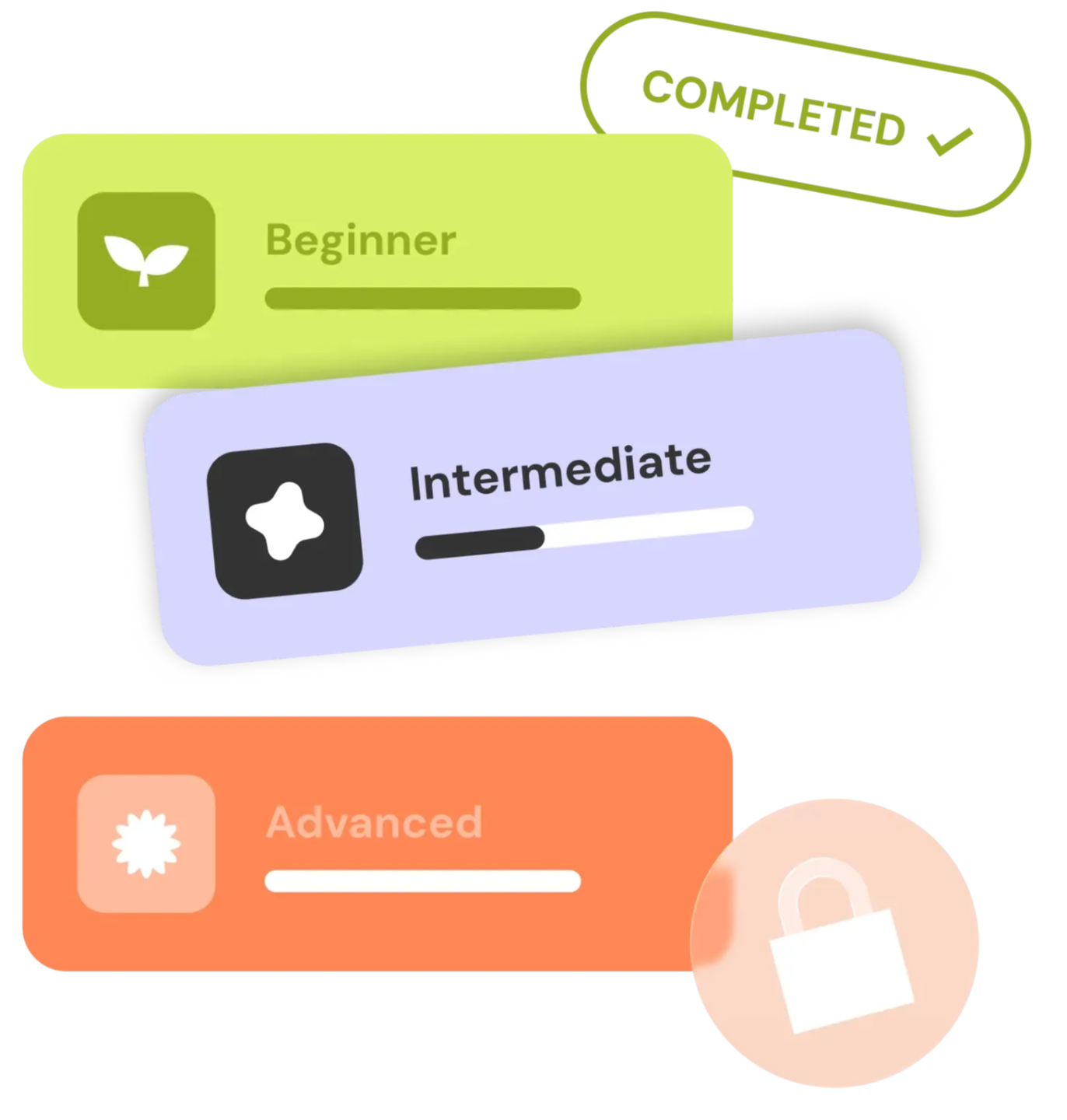
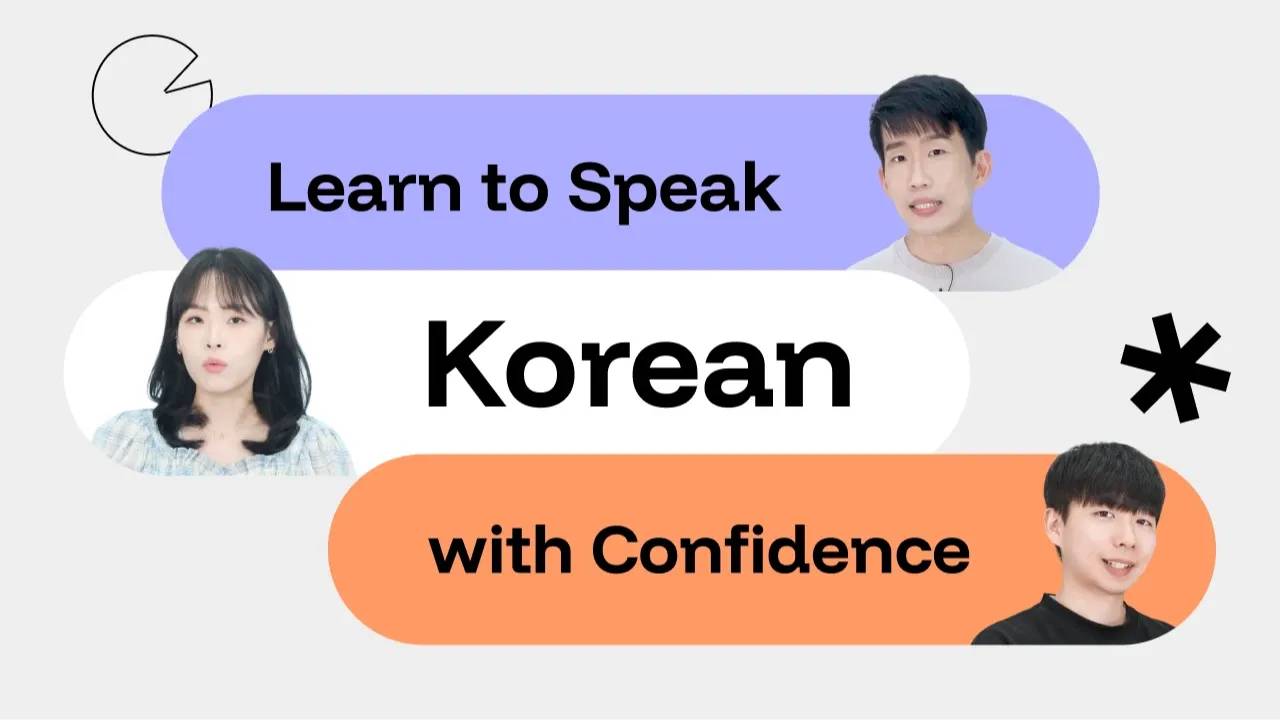
For over a decade and a half, the landscape of language acquisition has been transformed by digital accessibility, but few platforms have achieved the consistent, long-term success of "Talk To Me In Korean" (TTMIK). Since its inception in 2009, the platform has evolved from a grassroots project into a premier pedagogical powerhouse, guiding more than two million learners through the intricate nuances of the Korean language. By focusing on a systematic, step-by-step approach, TTMIK has bridged the gap between casual interest and functional fluency for a global audience.
The Foundation: A Systematic Approach to Language
The core philosophy of TTMIK is built on the premise that language learning is not merely about memorization, but about order and application. With over 1,700 structured lessons, the platform addresses the primary pain point for most language learners: the "what now?" factor.
In a digital environment saturated with gamified apps that often prioritize streak-building over deep comprehension, TTMIK distinguishes itself through a rigorous, four-step pedagogical process: warming up, learning, speaking, and reviewing. This methodology ensures that learners move beyond the passive intake of vocabulary and grammar to the active, real-world application of the language. As the platform’s leadership often emphasizes, understanding a concept and being able to deploy it in a natural conversation are fundamentally different skills. By enforcing a logical sequence, TTMIK removes the guesswork, allowing students to focus entirely on progression.
A Chronology of Growth: 16 Years of Linguistic Evolution
The history of TTMIK is a testament to the power of community-driven development. Launched in 2009, the platform began during a period when resources for learning Korean were notoriously sparse and often overly academic.
- 2009–2012: The formative years focused on building the bedrock of the curriculum. The team began by creating audio-based lessons that allowed learners to practice pronunciation on the go, addressing the lack of high-quality, accessible audio materials for non-native speakers.
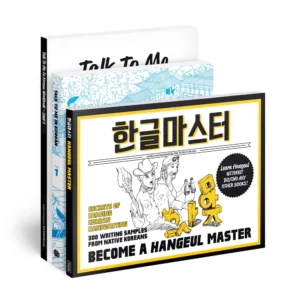
- 2013–2017: Recognizing the power of visual and written reinforcement, TTMIK expanded its operations into physical publishing. By producing 48 books and selling over one million copies worldwide, the company proved that digital learners were still hungry for traditional, high-quality reference materials.
- 2018–2024: The platform pivoted toward a multi-modal learning experience. By integrating community forums, structured "Bootcamp" programs, and advanced level-testing systems, TTMIK transformed from a content library into a holistic ecosystem. Today, it serves as a bridge for learners who want to transition from independent study to structured, accountability-driven progress.
Supporting Data: By the Numbers
The scale of TTMIK’s impact is best illustrated by its operational statistics, which reflect a level of engagement rarely seen in the language-learning industry:
- Global Reach: More than 2 million registered learners have utilized the platform to navigate their Korean language journey.
- Content Density: The repository contains over 1,700 lessons, each developed incrementally over 16 years, ensuring that the curriculum remains relevant and logically sound.
- Community Influence: With over 2.1 million YouTube subscribers, the platform’s development has been a collaborative effort. Many of the lessons in the current curriculum were directly shaped by the questions, struggles, and feedback of this vast online community.
- Publishing Success: The publication of 48 distinct titles, with over 1 million copies sold globally, indicates a strong market demand for the "TTMIK method" outside of the digital screen.
The Pedagogical Ecosystem: Beyond the Subscription
A critical component of TTMIK’s success is its recognition that a "one size fits all" approach fails most learners. Consequently, the platform offers three distinct tiers of engagement designed to accommodate different learning temperaments:
1. The Course Subscription
This is the entry point for most, providing access to the entire library of 1,700+ lessons across web and mobile platforms. It is designed for those who prefer autonomy, allowing students to progress at their own speed while maintaining the structural integrity of the curated curriculum.
2. Bootcamp Programs
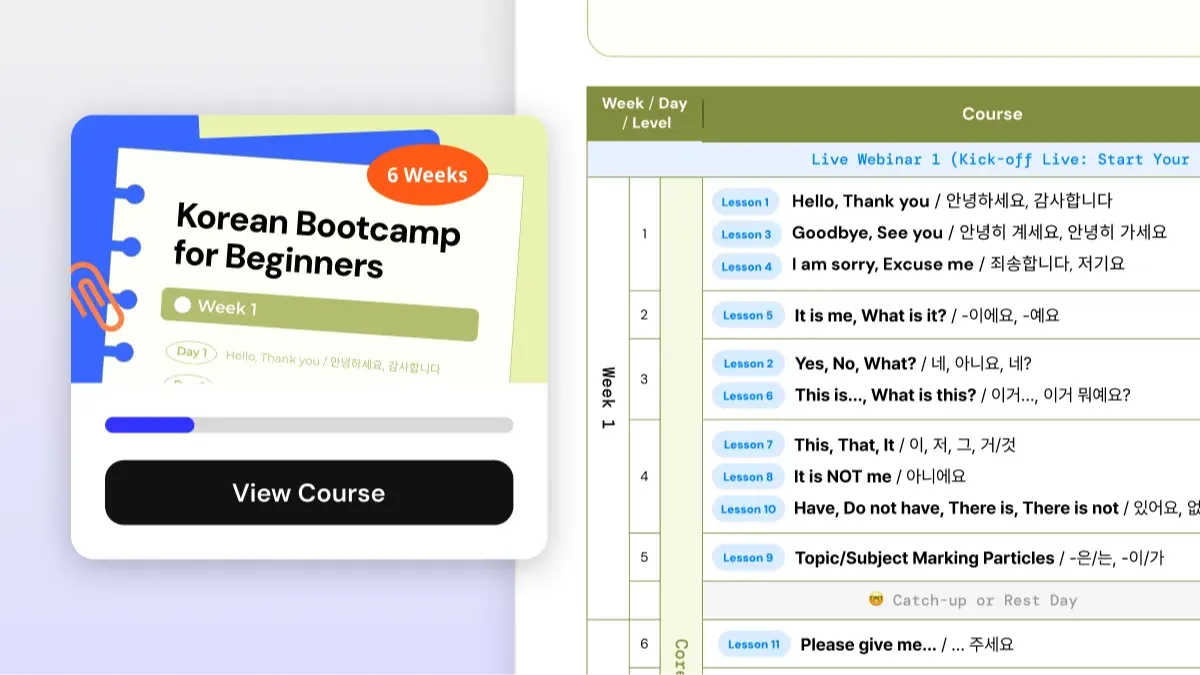
For learners who struggle with self-discipline, the Bootcamp programs introduce a layer of "the good kind of pressure." By providing a set schedule, milestones, and deadlines, these programs help transition learners from passive consumption to disciplined study, which is often the missing ingredient for those who have stalled in their progress.
3. The Community Hub
Language is, at its heart, a social endeavor. The TTMIK community acts as a support network where students can connect, share challenges, and practice with peers. This social aspect is vital, as it combats the isolation that often leads to burnout in long-term language projects.
Official Perspective: The "No Guessing" Philosophy
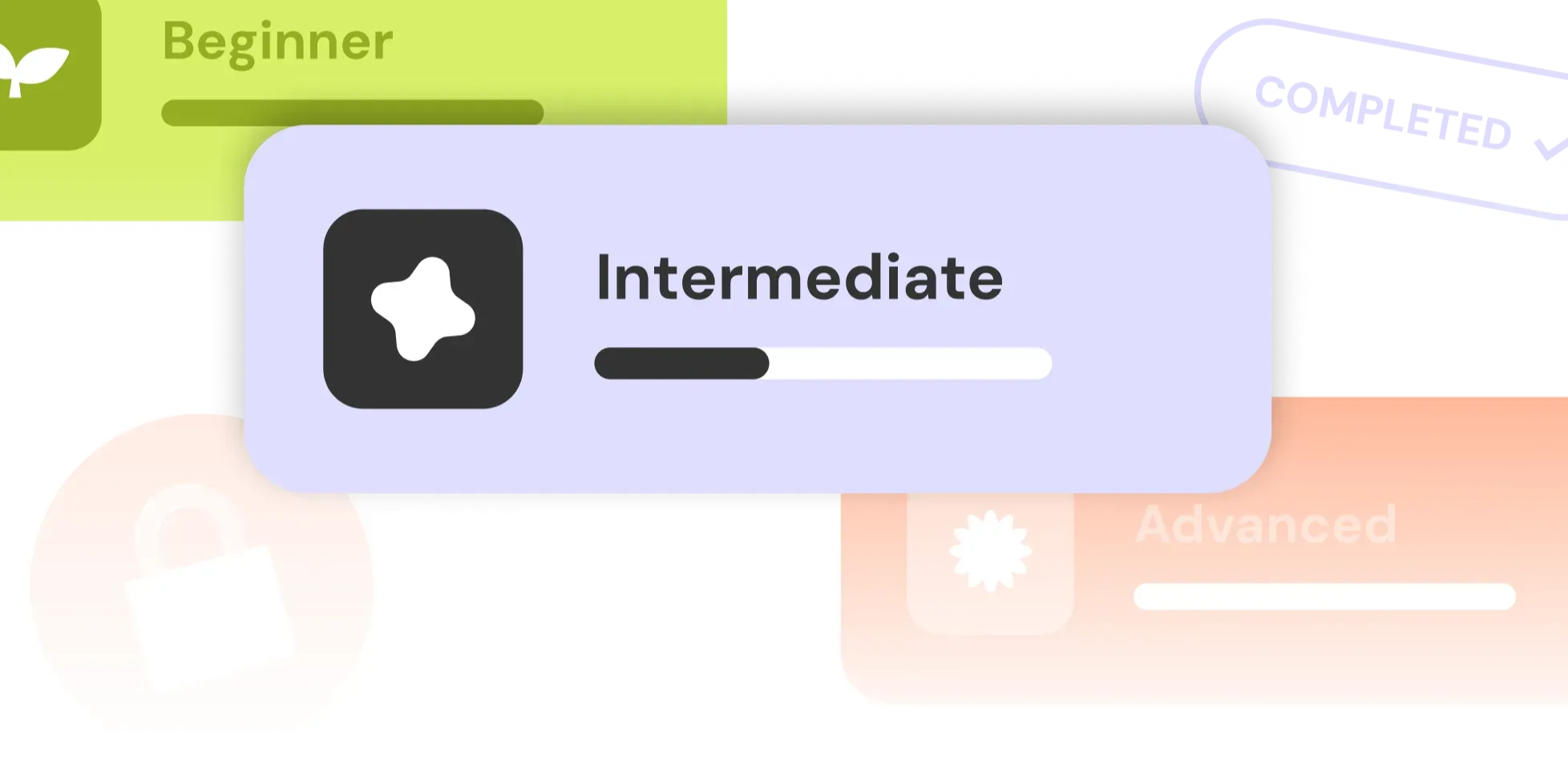
When asked about the effectiveness of their system, representatives from TTMIK highlight the importance of the initial assessment. Many learners start with an inflated or deflated sense of their own abilities, which leads to frustration.
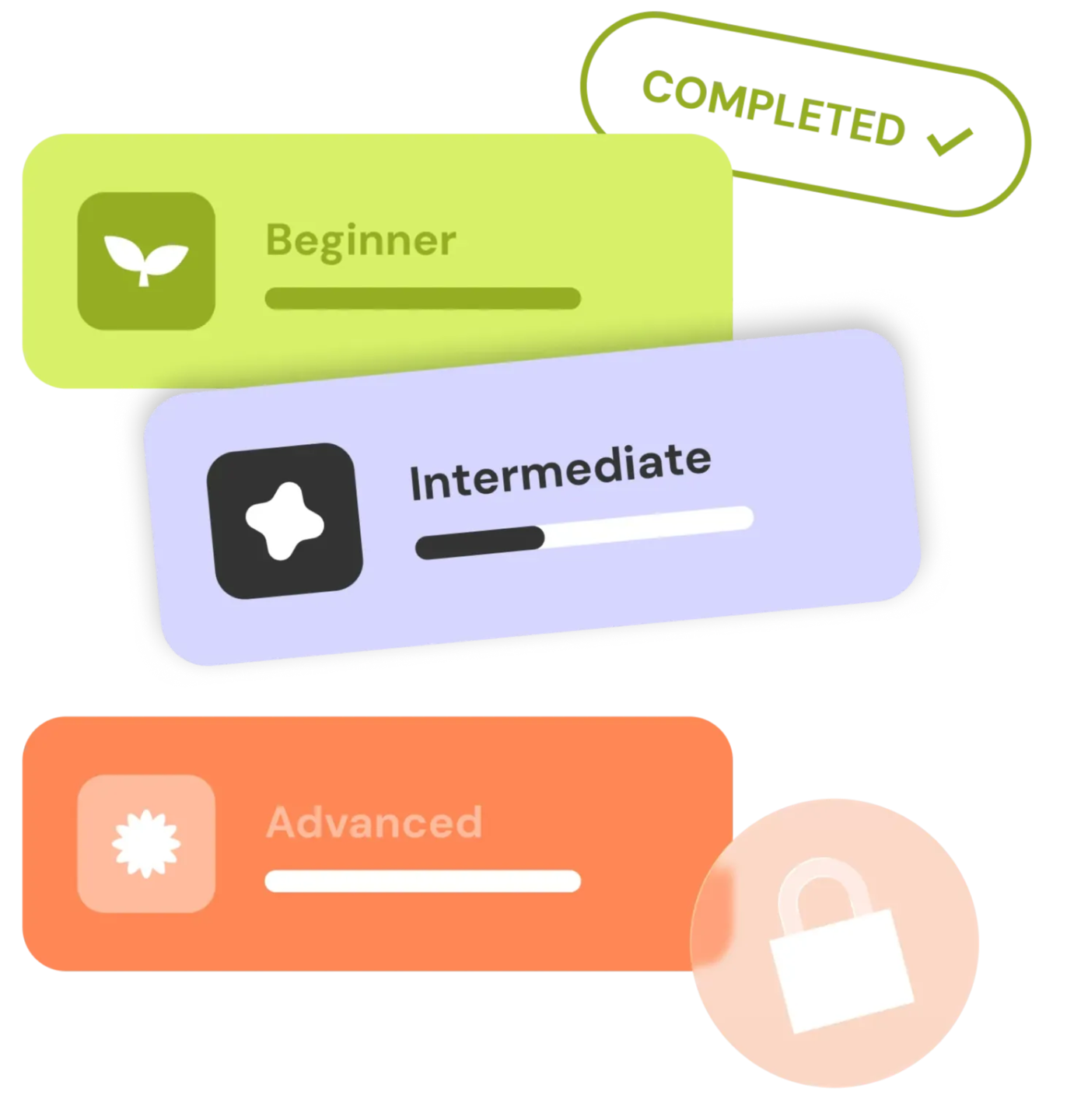
"We want to eliminate the wasted time that comes with guessing your level," notes the curriculum development team. Their 3-minute diagnostic test serves as a critical entry gate. By providing a clear roadmap based on the test results, the platform ensures that a student’s first lesson is neither too easy—which leads to boredom—nor too difficult—which leads to abandonment. This precision is the cornerstone of their retention strategy.
Implications for the Future of Language Learning
The success of Talk To Me In Korean carries broader implications for the future of EdTech. It suggests that while high-tech features like AI and gamification have their place, they cannot replace a well-structured, logically ordered, and human-centric curriculum.
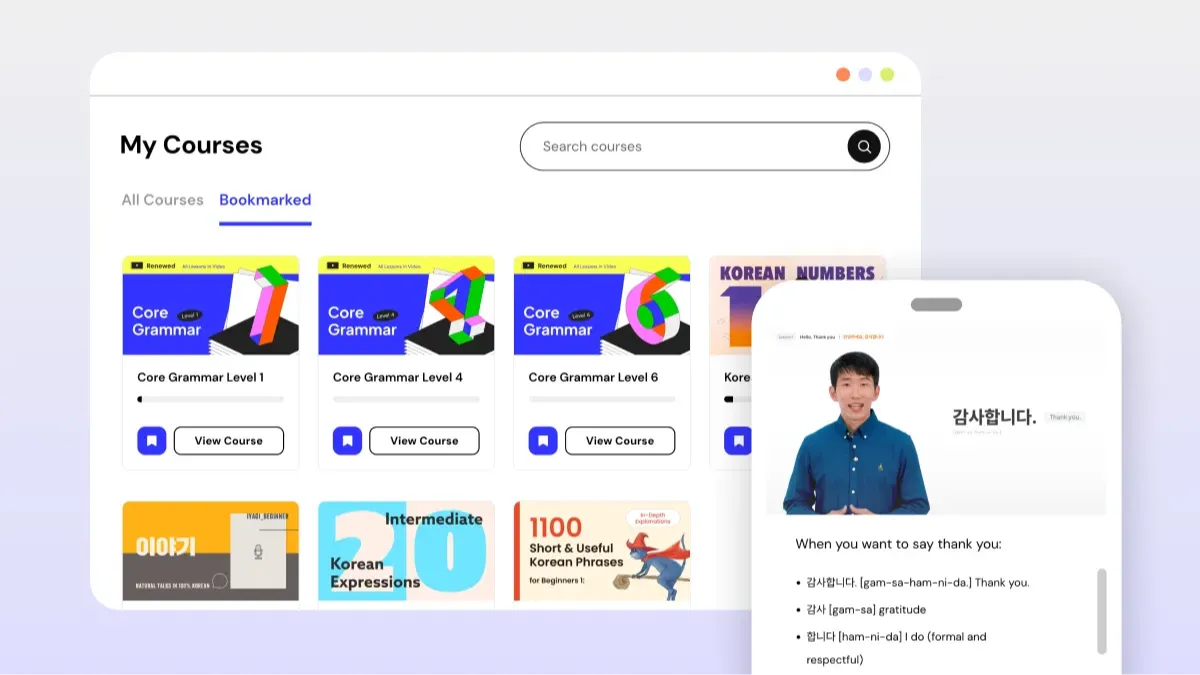
The "TTMIK model" highlights a shift in consumer behavior: learners are increasingly wary of "quick fix" apps that promise fluency in five minutes a day. Instead, there is a growing appetite for platforms that respect the complexity of language and provide the necessary tools to navigate that complexity over the long term.
Furthermore, the platform’s ability to evolve alongside its users—incorporating community feedback into its lesson design—demonstrates the power of the "creator-learner" feedback loop. By treating the curriculum as a living document that improves with every cohort of students, TTMIK has managed to remain the gold standard in Korean language education.
Conclusion: Is This the Right Path for You?
For anyone standing at the threshold of learning Korean, the choices can be overwhelming. TTMIK’s strategy of offering a free trial and a single-lesson sample is designed to lower the barrier to entry while allowing for an informed decision.
As the platform moves into its next chapter, it remains focused on its original mission: simplifying the complex, ordering the chaotic, and making the goal of a natural, real-world conversation in Korean an achievable reality for anyone willing to put in the work. Whether you are a total beginner who cannot yet distinguish between Hangeul characters or an intermediate learner looking to bridge the gap toward advanced fluency, the evidence of the last 16 years suggests that a structured, step-by-step approach remains the most reliable path to success.
 Jia Lissa
  Asep Darmawan
  Layla Zulfa
