
 By Siti Muinah
The HUBLOT Event and Initial Media Coverage
The controversy began during a promotional event for the luxury Swiss watchmaker HUBLOT, for which Jungkook has been a notable figurehead. As a global brand ambassador whose influence spans continents, Jungkook’s attendance at such events is typically met with massive fanfare and extensive media documentation. At the Tokyo-based event, several media outlets were present to capture the artist’s arrival and his interactions with the brand’s latest collections.
Among the outlets providing coverage was Edgeline Tokyo, a publication known for its high-resolution event photography. Shortly after the event concluded, the outlet uploaded a gallery of images featuring the BTS member. Unlike the heavily airbrushed and curated photos typically released by talent agencies, these images appeared to be raw, high-definition press shots taken under the harsh, direct lighting often found at red-carpet events.
The Emergence of Visual Criticism
Within hours of the photos being published, the tone of the online discourse shifted from excitement to scrutiny. A segment of the internet began circulating specific images from the Edgeline Tokyo set, claiming that the "Golden Maknae" of BTS appeared to be showing signs of "aging" or "exhaustion." Critics and anti-fans utilized the high-definition nature of the photos to point out skin texture, fine lines, and the effects of the venue’s lighting on the artist’s complexion.
The term "jumpscare" was used by some detractors on platforms like X (formerly Twitter) to describe their reaction to the unedited shots. This harsh terminology sparked an immediate counter-movement from the BTS fandom, known as ARMY, who argued that the photos were simply a realistic representation of a human being in his late twenties. Supporters emphasized that the "criticism" was a form of "visual terrorism" and ageism, noting that the K-pop industry’s reliance on heavy filters and post-production editing has created unrealistic expectations for how idols should look in real life.

The Sudden Deletion and Allegations of Agency Intervention
The situation escalated when netizens noticed that the specific photo causing the most debate, along with the entire post associated with it, had been removed from Edgeline Tokyo’s official website and social media channels. The deletion was not accompanied by an official statement from the outlet, which led to immediate speculation regarding the cause of the removal.
A prevailing theory among industry observers and fans alike is that HYBE—the parent company of Big Hit Music, which manages BTS—intervened. It is common practice in the South Korean entertainment industry for "Big 4" agencies (HYBE, SM, YG, and JYP) to maintain strict control over their artists’ public images. Agencies often coordinate with media outlets to ensure that only "favorable" images are circulated, protecting the artist’s brand value and their standing with luxury sponsors.
Social media users pointed out that the speed at which the photo was scrubbed suggested a formal request or a legal nudge from the artist’s representation. "HYBE asking them to delete the photo because of the backlash" became a trending sentiment, with many viewing the deletion as a confirmation that the agency found the media coverage detrimental to Jungkook’s global image.
Chronology of the Incident
To understand the impact of this event, it is necessary to look at the timeline of how the controversy unfolded:
- Event Commencement: Jungkook attends the HUBLOT luxury event in Tokyo, Japan.
- Media Upload: Edgeline Tokyo and other Japanese outlets publish high-resolution, unedited photos of the artist at the event.
- Social Media Viralization: One specific photo begins to circulate on X and Korean community forums, drawing "extreme criticism" for what some called "aging visuals."
- Fandom Defense: BTS fans begin reporting the negative posts and sharing alternative angles of the artist to prove the initial photo was just a "bad angle."
- Content Removal: Edgeline Tokyo deletes the photos and the related article without prior notice.
- Speculation Phase: Netizens discuss the likelihood of HYBE’s involvement in the deletion, sparking a broader conversation about media censorship in the K-pop world.
The Economic Stakes of the "Perfect Visual"
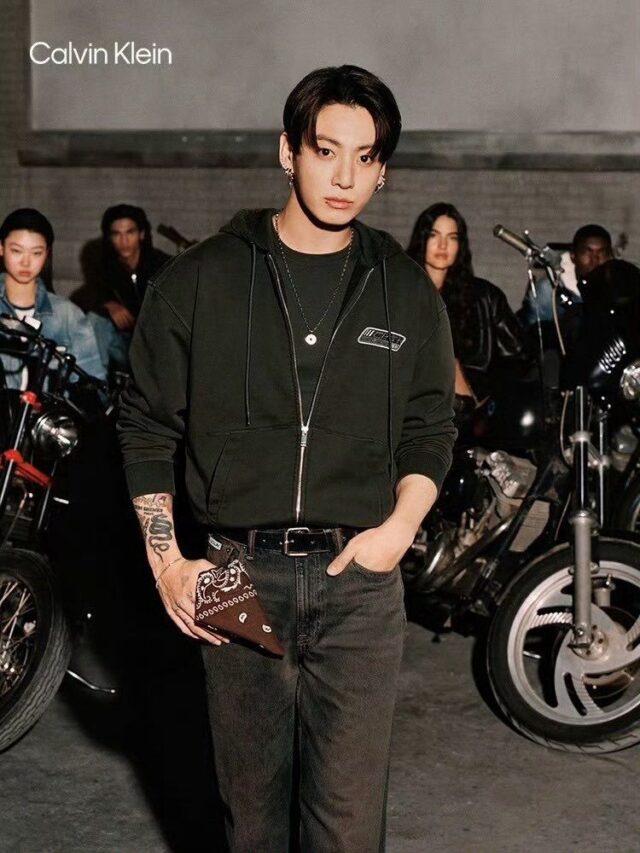
The reaction to Jungkook’s unedited photos is not merely a matter of vanity; it is deeply tied to the economic structure of the K-pop industry. Idols like Jungkook are not just singers; they are multi-million dollar brands. Jungkook’s partnership with HUBLOT, as well as his record-breaking collaboration with Calvin Klein, relies heavily on his "visual equity."

In the world of high-end fashion and luxury goods, the "face" of the brand must represent an idealized version of beauty and youth. When a media outlet publishes a photo that challenges this ideal, it can potentially impact the perceived value of the endorsement. From an agency’s perspective, allowing "unflattering" or "realistic" photos to remain public could lead to friction with brand partners who pay a premium for a specific aesthetic.
Supporting data from marketing analysts suggests that "visual consistency" is one of the top three factors in maintaining a celebrity’s brand power in East Asian markets. This explains why agencies are often willing to risk the "Streisand Effect"—where the act of hiding information makes it more prominent—to ensure that only curated content remains in the digital archive.
Reactions from Industry Experts and Related Parties
While HYBE and Edgeline Tokyo have remained silent on the matter, industry insiders have offered insights into the standard operating procedures for such events. A former public relations executive for a K-pop agency, speaking anonymously, noted that "press photos are often a point of contention. We frequently request outlets to use specific ‘approved’ photos or to take down shots that don’t align with the artist’s current concept or image standards."
Journalistic ethics experts, however, view the deletion as a concerning trend. The removal of a factual, unedited photograph of a public figure at a public event suggests a level of corporate control that undermines the independence of the media. If outlets begin to self-censor or comply with agency demands to avoid losing access to future events, the line between journalism and promotional PR becomes dangerously blurred.
Broader Implications for the K-pop Industry
The "Jungkook Photo Controversy" highlights a growing tension between the reality of human aging and the artificial standards of the idol industry. As the members of BTS and other "Third Generation" K-pop groups enter their late 20s and early 30s, the industry is facing a crossroads.
For years, the K-pop machine has marketed youth as a primary product. However, as the global audience for K-pop matures alongside the artists, there is a burgeoning demand for more authenticity. The backlash against Jungkook’s unedited visuals shows that a segment of the audience is still tethered to the "perfect idol" fantasy, while the agency’s alleged intervention shows that the industry is not yet ready to let that fantasy go.
Furthermore, this incident sets a precedent for how international media outlets might be handled by K-pop conglomerates. As K-pop expands its footprint into Japan, the West, and beyond, the conflict between Western-style "paparazzi" or "raw" journalism and the highly controlled Korean "official media" style will likely continue to clash.
Conclusion: The Price of Global Stardom
The deletion of Jungkook’s photo by Edgeline Tokyo serves as a stark reminder of the immense pressure placed on global icons. For an artist like Jungkook, who has spent over a decade in the spotlight, every pore and every expression is subject to global debate. While the deletion may have been intended to protect his image, it has instead sparked a much larger conversation about the nature of celebrity, the power of entertainment conglomerates, and the unrealistic beauty standards that govern the industry.
As of now, the original photos remain scrubbed from the outlet’s official platforms, though they continue to exist in the "digital footprint" of social media archives. Whether this incident will lead to a change in how HYBE manages media relations or how fans perceive their idols remains to be seen. What is clear, however, is that in the hyper-connected world of K-pop, even a single deleted photo can become a global headline, reflecting the complex intersection of art, commerce, and the human condition.

