
 By Nana Muazin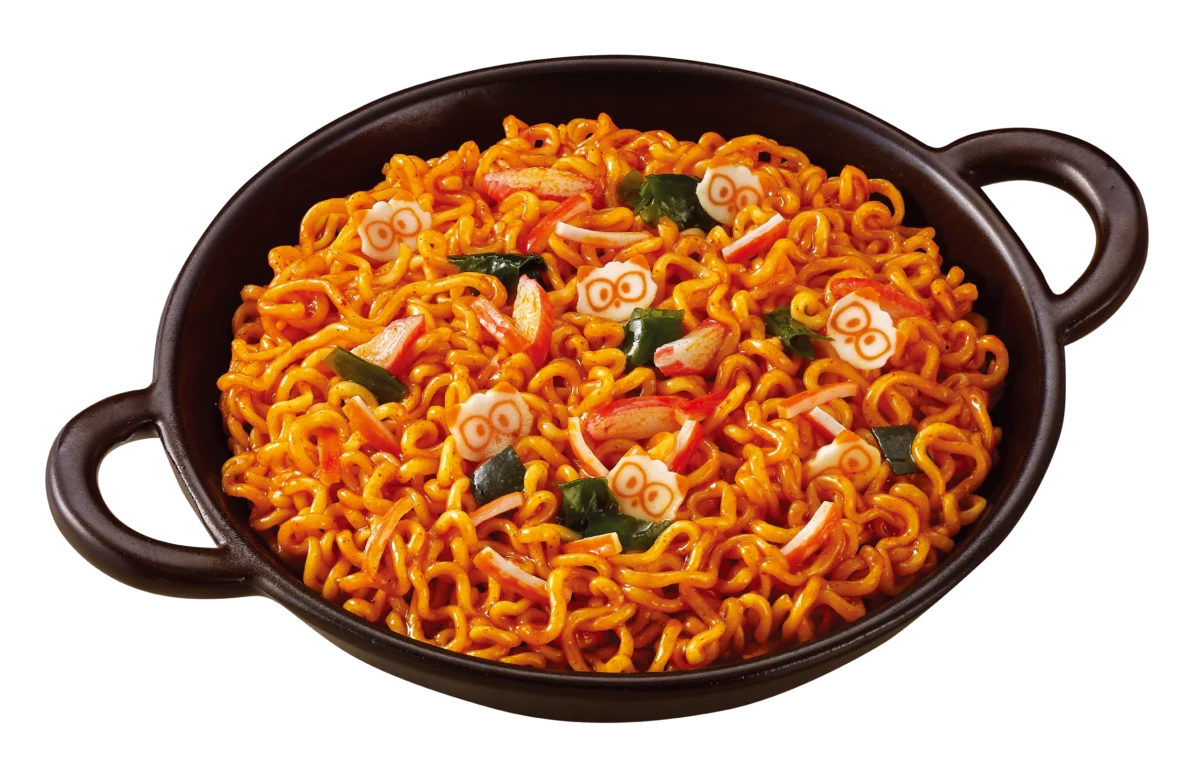
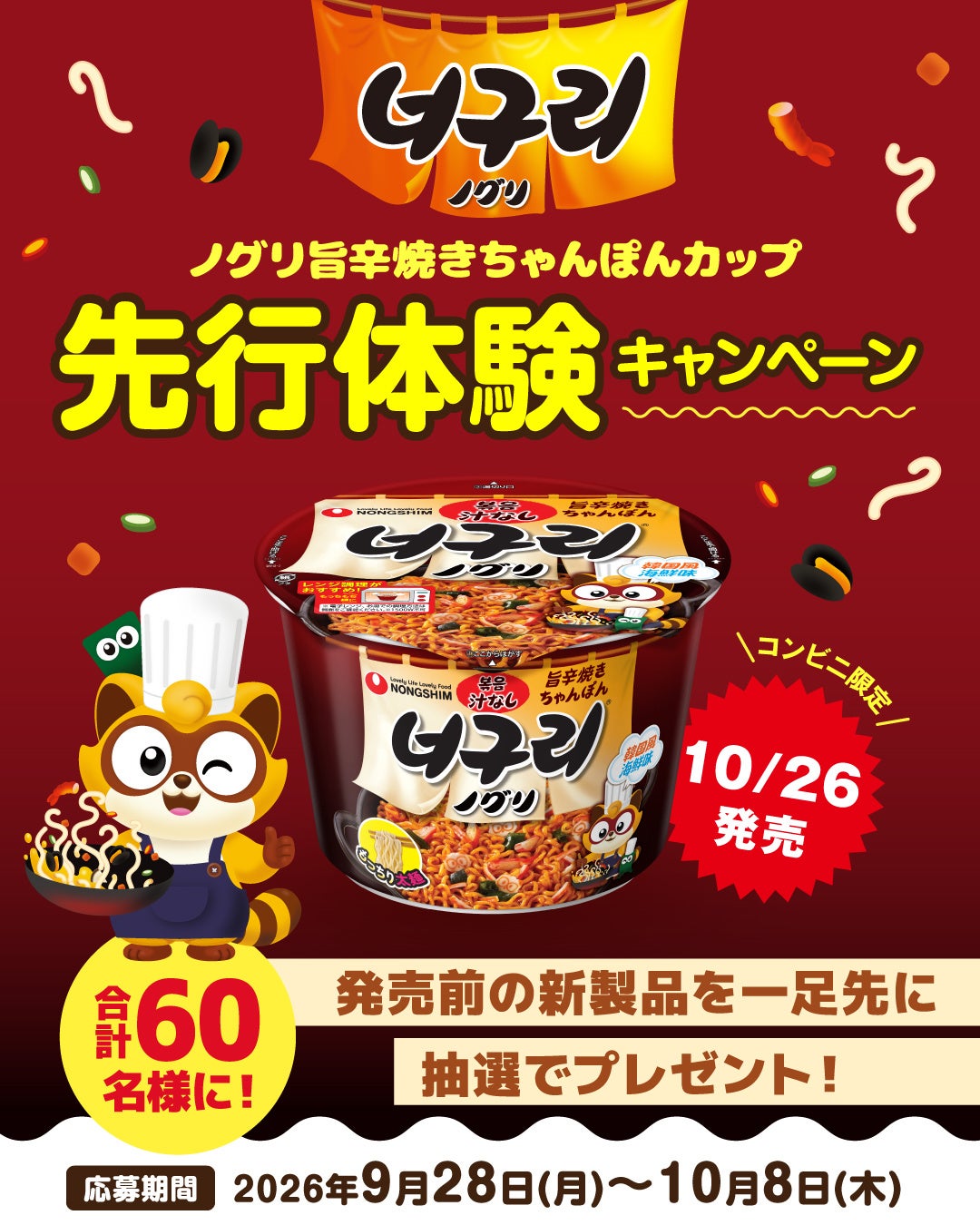
Nongshim Japan, the domestic arm of the global food giant, has officially announced a significant strategic repositioning of its world-renowned "Neoguri" ramen brand. In a move designed to revitalize the product’s presence in the Japanese market, the company is shifting its focus toward a younger demographic through an aggressive digital-first marketing campaign and a refined brand identity. The announcement, confirmed for a major rollout on October 26, 2026, marks a pivotal moment for one of the most recognizable names in the spicy seafood noodle sector.
Main Facts: A New Era for Neoguri
The core of this relaunch centers on the “Bunsik” (Korean snack food) concept, which has been gaining massive traction in Japan. By aligning the Neoguri brand with the vibrant, social-media-driven food culture of Korea, Nongshim aims to move beyond being just an "instant noodle" and transition into a "lifestyle food choice."
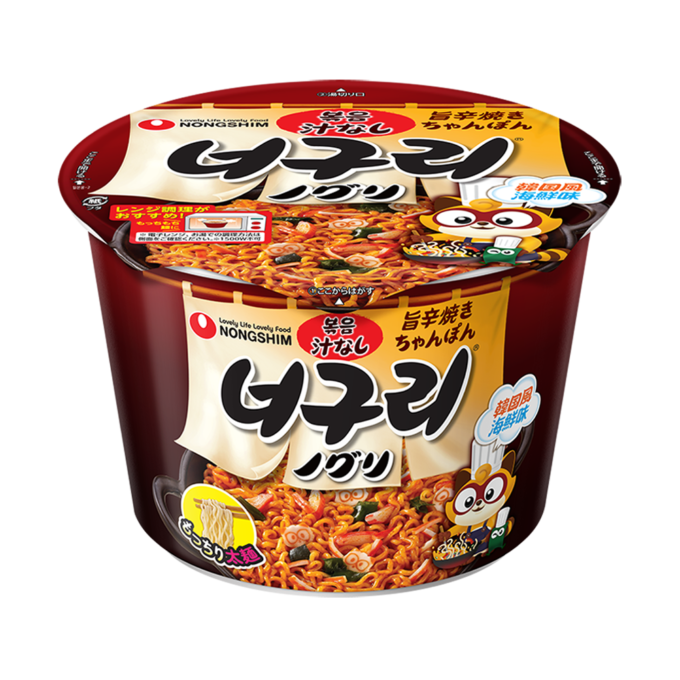
The company is introducing a revamped communication strategy that prioritizes interactivity. Starting September 28, 2026, Nongshim will launch a massive social media campaign across Instagram, TikTok, and X (formerly Twitter). The campaign targets the 20 to 60-year-old demographic, emphasizing the unique, thick, and chewy noodles that have defined the Neoguri experience since its inception in 1982.
Chronology of the Relaunch
The timeline for this initiative has been meticulously planned to ensure maximum market penetration:
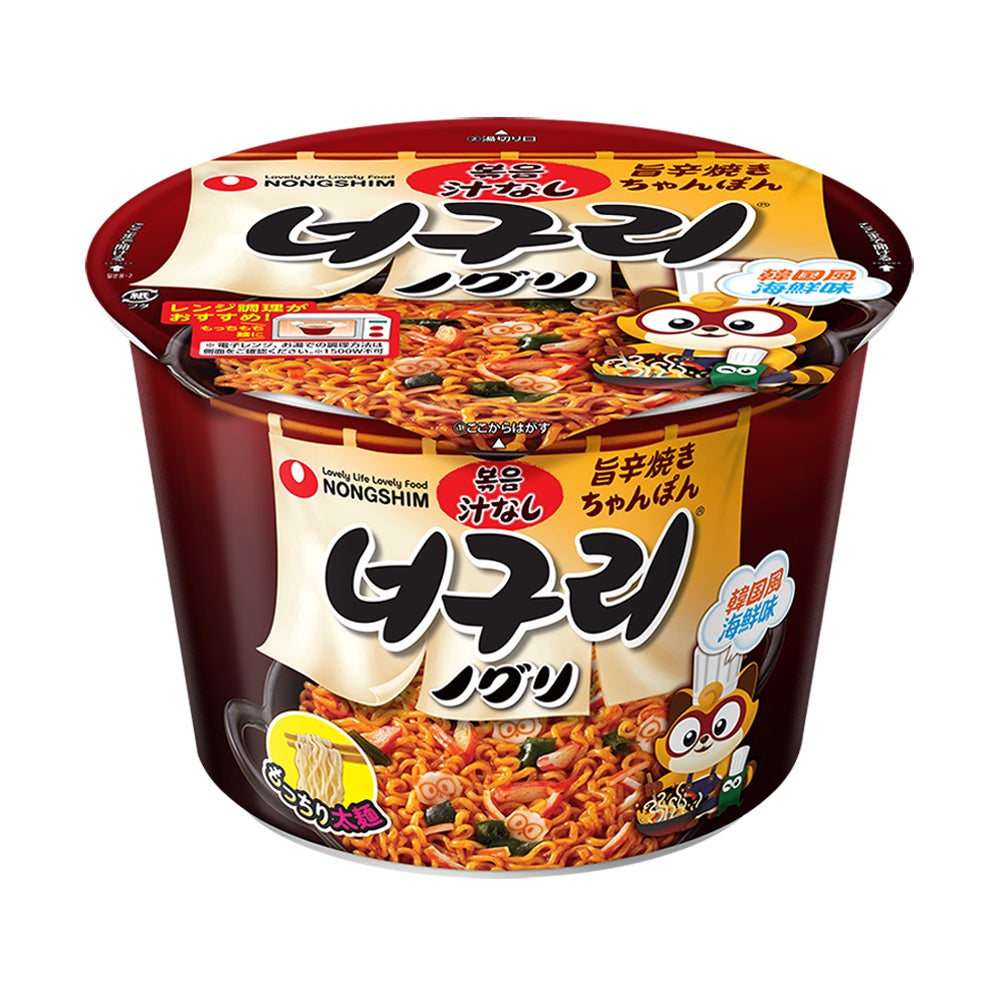
- September 28, 2026: Launch of the official social media engagement campaign. This date marks the beginning of the "digital surge," where influencers and brand ambassadors will begin showcasing the "Bunsik" style of consuming Neoguri.
- October 26, 2026: The official date for the new brand positioning. On this day, Nongshim will officially pivot its retail strategy to reflect the new messaging, with enhanced packaging and point-of-sale displays appearing in major Japanese supermarkets and convenience stores.
- Q4 2026 – 2027: The sustained phase of the campaign, which will see the rollout of limited-edition collaborations and localized pop-up events in urban centers across Japan.
Supporting Data and Brand Heritage
Neoguri is not a new entrant to the Japanese market. Since its launch in 1986 in Japan, it has maintained a loyal following. However, the market landscape has shifted. According to recent internal data, Neoguri remains in the top 10 list of global best-sellers for the company, but the challenge lies in sustaining growth within a saturated domestic market.
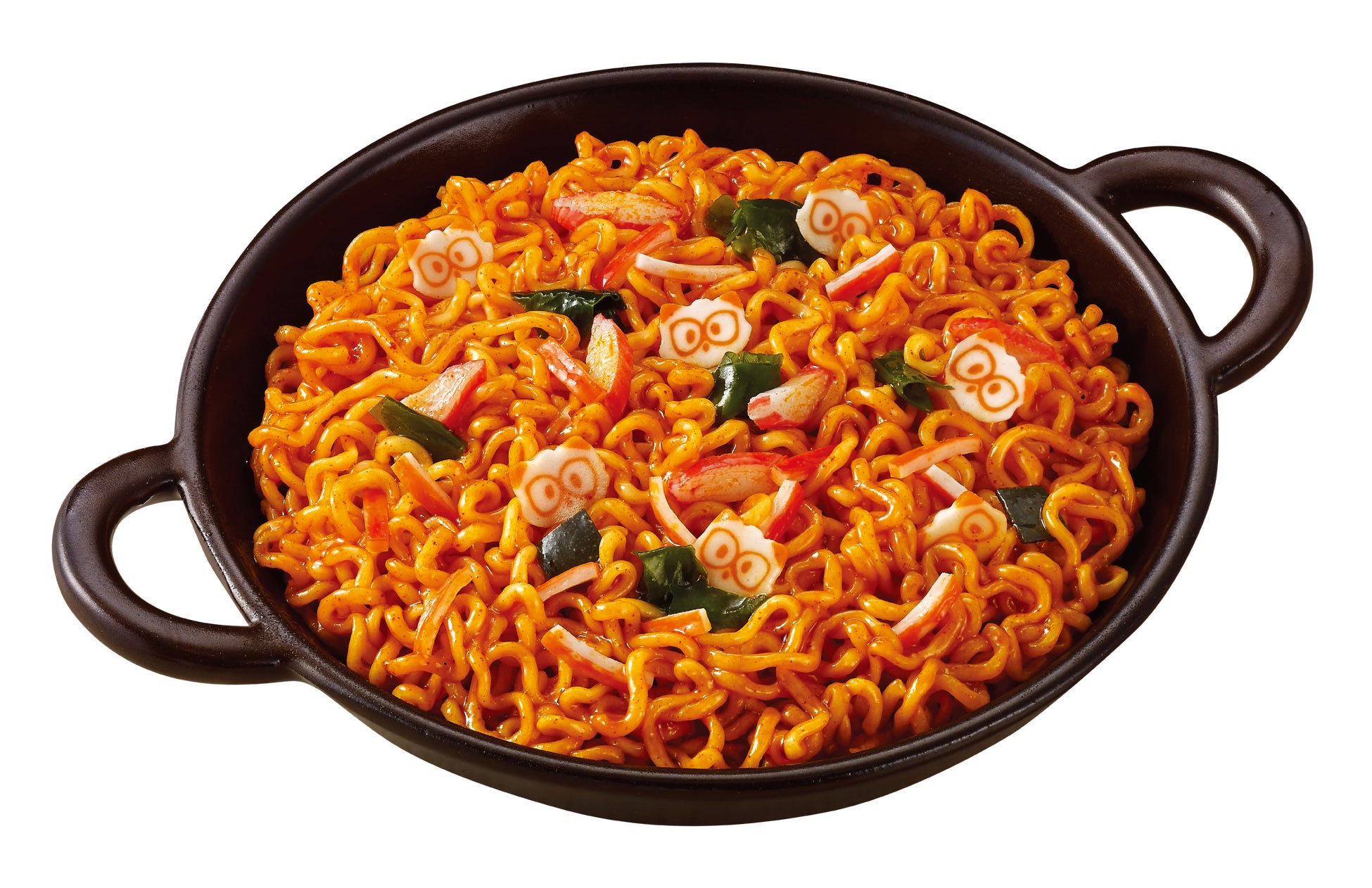
The "Bunsik" strategy is a direct response to this. By encouraging consumers to treat Neoguri as a base for creative culinary experiments—adding fresh seafood, vegetables, or specific garnishes—Nongshim is tapping into the "DIY cooking" trend that has exploded among Gen Z and Millennial demographics. The company reported that recent test marketing showed a significant uptick in engagement when users were shown how to customize their bowls, confirming that the "Neoguri" identity is ripe for modernization.
Official Responses and Strategic Vision
Nongshim Japan’s leadership has emphasized that this is not merely a marketing gimmick but a long-term commitment to the Japanese consumer. A representative from the company stated, "We are bridging the gap between the traditional, comforting taste that our long-term customers have loved since the 80s and the modern, vibrant food culture that current social media trends dictate. Neoguri is the perfect canvas for this fusion."
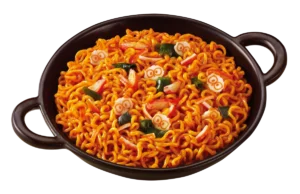
The company is particularly focusing on the "chewiness" of the noodles. The marketing materials highlight that the 2.0 version of the brand identity focuses on the specific sensory experience of the noodles, which are thicker than standard instant ramen. This texture is being marketed as a premium, satisfying meal that offers more than just quick convenience.
Implications for the Japanese Ramen Market
The decision by Nongshim to pivot toward an interactive, digital-centric model carries several implications for the broader instant noodle industry in Japan:
1. The Power of "Bunsik" and Social Integration
The shift toward "Bunsik" signifies a move away from the "emergency meal" stereotype of instant noodles. By utilizing TikTok and Instagram, Nongshim is positioning Neoguri as a "fun activity." When users share their own "Neoguri recipes," they are essentially providing free, authentic marketing that is far more effective than traditional television advertisements.
2. Demographic Expansion
While the product was historically popular with a specific segment of the population, the 20 to 60-year-old target range indicates an effort to capture both the nostalgia-driven older generation and the trend-focused younger generation. The success of this campaign will likely serve as a blueprint for other international food brands operating in Japan.
3. Retail Dynamics
The retail strategy, which includes specific guidelines for display (such as the "Neoguri Wall" concept), aims to dominate shelf space. By providing retailers with concrete instructions on how to present the "Bunsik" experience, Nongshim is ensuring that the brand remains top-of-mind at the point of purchase.
Detailed Strategic Components
To maintain the integrity of this relaunch, the company has established strict guidelines for their social media partners and influencers. The "Neoguri" brand must be represented not just as a food product, but as a component of a lifestyle. This involves:
- Visual Storytelling: Using high-quality video content to emphasize the "slurp" and the "chew," sensory details that are crucial for noodle appreciation in Japan.
- Community Engagement: Actively responding to user-generated content, which validates the consumer’s effort to customize the product.
- Quality Consistency: Despite the modern marketing, the fundamental product—the spicy, seafood-infused soup base and the signature thick noodles—remains unchanged. This is vital for retaining the "original taste" that has kept the brand alive for over four decades.
Future Outlook
As we look toward the final quarter of 2026, the success of the Neoguri relaunch will be measured by its ability to convert digital interest into physical sales. If Nongshim succeeds, they will have effectively turned a heritage brand into a contemporary cultural icon. The company’s focus on the "Bunsik" experience is a calculated risk, but given the current trajectory of the Japanese market—which is increasingly hungry for authentic, interactive, and high-quality international cuisine—it appears to be a timely and well-executed strategy.
Nongshim Japan is clearly looking to the future. By embracing the digital age while respecting the foundation laid in 1982, they are ensuring that Neoguri will remain a staple in Japanese pantries for years to come. Whether through the viral potential of a TikTok trend or the simple comfort of a bowl of spicy seafood noodles on a cold evening, the new Neoguri is poised to redefine the instant noodle category.
For those interested in following the campaign, the official social media channels for Nongshim Japan have already begun teasing the launch, inviting consumers to "rediscover the taste that brings us all together." The company expects the September 28 launch to be the start of a new chapter, not just for the brand, but for how consumers perceive Korean food in Japan.
 Evan Lee Salim
  Reynand Wu
  Nana Wu
