
 By Sagoh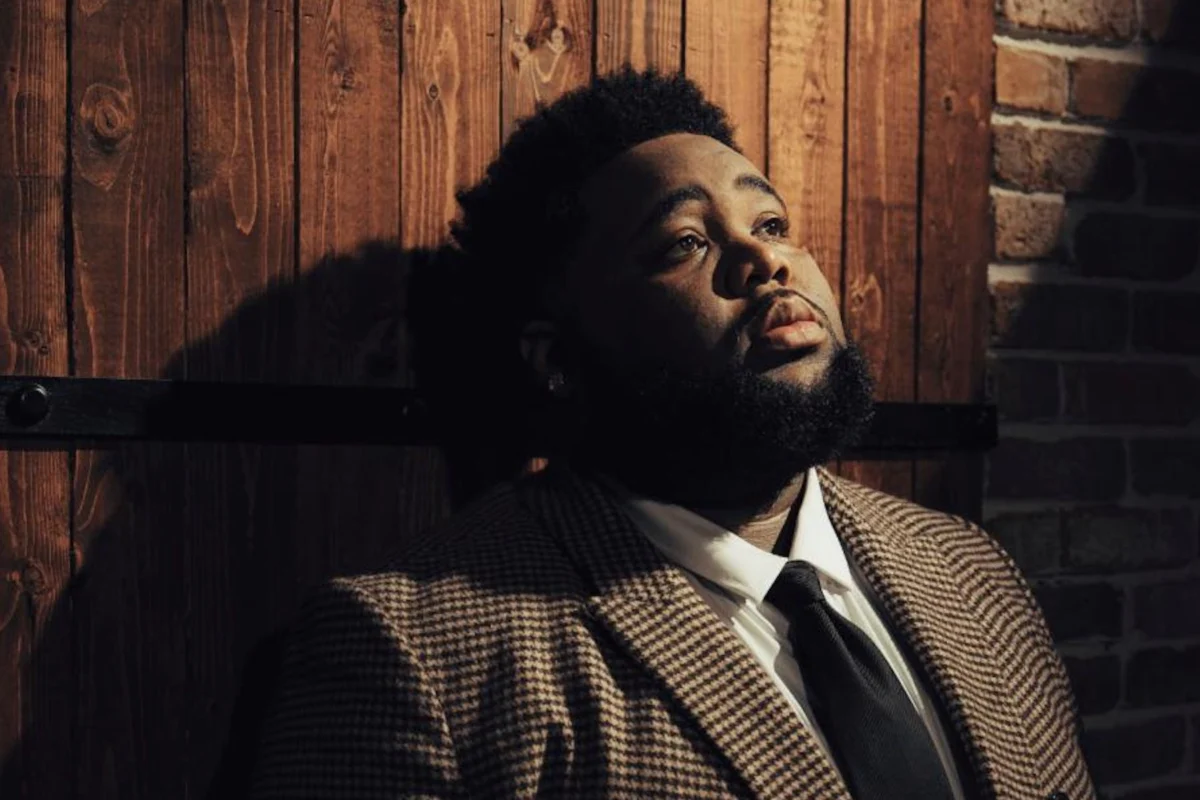
The landscape of contemporary hip-hop is in a constant state of flux, with many prominent artists from the early 2020s experiencing fluctuating chart fortunes as the decade progresses. Amidst this evolving scene, Florida rapper Rod Wave continues to demonstrate an extraordinary and consistent level of success, with his latest album, Don’t Look Down, debuting at the coveted No. 1 spot on the Billboard 200. This latest triumph marks his fourth chart-topping album of the decade, further cementing his position as a formidable force in the music industry.
Don’t Look Down achieved first-week sales of 99,000 units, a figure that, while impressive, has prompted discussion among industry analysts regarding its placement relative to his previous performance benchmarks. Notably, all six of Rod Wave’s studio albums released this decade have reached the top two positions on the Billboard 200, with the only two albums that did not hit No. 1 peaking at a respectable No. 2. This remarkable consistency underscores a unique trajectory in an era often characterized by rapid shifts in popularity. Furthermore, the album’s 16 tracks charting on the Billboard Hot 100 this week propels Rod Wave past the milestone of 100 career entries on that prestigious singles chart, a testament to his enduring appeal and the widespread resonance of his music.
The sustained success of an artist who, by many metrics, does not rely on traditional mainstream crossover hits or overt pop culture moments, raises questions about the underlying factors driving his unwavering popularity. Billboard staffers have weighed in on these dynamics, offering insights into the artist’s performance, his unique connection with his fanbase, and the evolution of his sound.
First-Week Performance: A Closer Look at "Don’t Look Down"
The debut of Don’t Look Down at No. 1 on the Billboard 200 with 99,000 first-week units has been met with a spectrum of reactions from industry observers. While a number one debut is undeniably a significant achievement, some analysts have noted that this figure represents a slight dip compared to the first-week performance of his previous two albums, which each surpassed 127,000 units.
Christopher Claxton, a Billboard contributor, expressed a degree of surprise at the reported numbers, stating, "This is honestly a bit surprisingly low. It’s his lowest album sales total since 2020’s Pray 4 Love, which moved 72,000 units in its first week. That’s crazy to me because this is a really great project, and Wave continues to perfect his ability to deliver poetic lines over modern trap production. He also samples some classic records from the 2000s and 2010s, so I would’ve expected that to help drive streams and spark more conversation around the project." The incorporation of classic samples, a strategy often employed to boost engagement and nostalgia, did not appear to translate into a significantly higher first-week unit total in this instance.
Conversely, Kyle Denis offered a more tempered perspective, suggesting the performance was largely within expectations. "This is pretty much exactly what I expected," Denis remarked. "The Don’t Look Down singles didn’t reach the same level of crossover notoriety of past hits like ‘Fight the Feeling’ and ‘Street Runner,’ and Rod’s studio albums normally open in the low six-figure range. All things considered, a 99,000-unit start is right on target." This viewpoint highlights the artist’s established performance tier, where a debut in the high five-figure to low six-figure range is typical.
Carl Lamarre, another Billboard staffer, voiced a nuanced concern, acknowledging the No. 1 status while pointing to the proximity to the 100,000-unit mark. "Despite nailing his fourth No. 1 album, I have a little bit of concern for Rod," Lamarre explained. "You have to remember, he’s a perennial six-figure brother when debuting on the Billboard 200. So when he’s legitimately a hair short of that sacred 100k mark, it has to give you a bit of pause. He’s still very young, though – he hasn’t even sniffed his 30s yet – and he didn’t have a robust single this time around, despite the moderate success of ‘Piece of Your Love.’ Regardless, a No. 1 is still a No. 1. Plus, he netted 16 songs on the Hot 100. That’s nothing to sneeze at." The 16 Hot 100 entries are indeed a significant indicator of the album’s broad impact across his discography, even if the lead single did not achieve breakout status.
Michael Saponara echoed the sentiment of a slightly lower-than-anticipated debut, citing the performance of his previous two albums. "I would say slightly lower than expected because his last two albums did at least 127,000 first-week units," Saponara stated. "With it being nearly two years since Last Lap, I figured Rod would cruise to a six-figure total with Don’t Look Down."
Andrew Unterberger offered a broader contextual analysis, suggesting that current industry trends might be influencing these figures. "It’s a touch low for his standards – but streaming totals have been down for the biggest artists pretty much across the board lately, and he’s never been a physical seller, so I don’t think the downtick is necessarily that meaningful." This perspective points to a potential industry-wide slowdown in first-week unit accumulation, particularly for artists who rely heavily on streaming, which might be affecting even established acts.
The Pillars of Rod Wave’s Sustained Success
Rod Wave’s consistent ability to top charts and maintain a devoted following, particularly without the ubiquitous presence of major hit singles or widespread pop culture saturation, is a subject of considerable interest. The artist’s success is largely attributed to a profound and authentic connection with his fanbase, characterized by relatability, emotional honesty, and a consistent artistic vision.
Christopher Claxton highlights Rod Wave’s "man of the people" approach. "He gives his fans exactly what they ask for, and he’s incredibly tapped in with the youth," Claxton observed. "And once you’re locked in with the kids, you really can’t fail. They may not always have the money to buy your music, but one thing they will do is stream and stream, and stream. On top of that, no matter how subjective it may be, good music is good music, and Rod makes just that." This emphasis on genuine connection with a younger demographic, who are often the primary drivers of streaming numbers, is a crucial element of his longevity.

Claxton further elaborated on the tangible impact of this connection: "He’s selling out arenas every chance he gets, with crowds going crazy the second he touches the stage. He may not have the biggest mainstream appeal, but what he does have is something arguably more valuable: real impact, a loyal audience and a movement behind him." This distinction between mainstream appeal and genuine impact suggests that Rod Wave has cultivated a deeper, more resonant connection that transcends fleeting trends.
Kyle Denis points to Rod Wave’s astute understanding of his audience. "He knows how to cater to his base, and he’s as loyal to them as they are to him," Denis stated. "He isn’t padding his albums with chemistry-devoid collaborations or hopping into different genres to chase a larger trend. Even when he deepens his sound – the bluesy influences of his older work have morphed into all-out indie-folk-indebted moments like the Hazlett-assisted ‘Keep Dancing’ – he remains committed to his lyrical tentpoles of reflection, heartbreak and emotional turmoil." This commitment to thematic consistency, even as his musical palette expands, ensures that his core audience remains engaged and feels understood.
Carl Lamarre emphasizes the cathartic and relatable nature of Rod Wave’s music, particularly in its ability to resonate with a generation grappling with emotional challenges. "What might be the most befuddling part of his fan base is the sheer diversity of it," Lamarre noted. "It’s a spiritual experience when you go to a Rod Wave concert because of the connectivity and relatability of his music. While Carti proudly holds the keys as hip-hop’s edgelord, it’s Rod who’s rocking the throne for the sadboy generation. He makes it cool to be in your feelings, regardless of race." This framing positions Rod Wave as a vital voice for an emotional expression that is often marginalized in mainstream discourse.
Michael Saponara succinctly captures this sentiment: "It’s the strong connection with his fan base and his consistency. Whenever it’s album time for Rod Wave, fans know what to expect. Rod wears his heart on his sleeve, turning his pain into a cathartic release with his melodic blend of trap-soul." The predictable yet deeply personal nature of his output creates a sense of trust and reliability for his listeners.
Andrew Unterberger provides a concise summary of Rod Wave’s brand strength: "He’s got one of the strongest brands in hip-hop right now. You know what you’re getting from a Rod Wave album, and it never feels forced or sweaty – or lazy or phoned-in." This perception of authenticity and unwavering quality is a powerful asset in the music industry.
Sonic Evolution and Thematic Resonance in "Don’t Look Down"
The question of whether Don’t Look Down introduces significant sonic departures or new thematic explorations for Rod Wave elicits a range of responses, with many pointing to a refinement and expansion of his established sound rather than a radical reinvention.
Christopher Claxton highlights the album’s dedication to his core strengths, noting the minimal features and extensive runtime. "With minimal features and 68 minutes of music, Don’t Look Down is Rod Wave doing what he does best: giving his fans another great project," Claxton stated. He particularly points to the incorporation of classic samples as a noteworthy element. "What feels especially interesting this time around is how Rod incorporates some classic records into his own music. He flips DMX’s ‘How’s It Goin’ Down’ on ‘Piece of Your Love,’ reworks Ed Sheeran’s early hit ‘Kiss Me’ on ‘Kiss Me Interlude’ and puts his own spin on The Fray’s ‘You Found Me.’" Claxton suggests this approach adds a layer of nostalgia while remaining distinctly Rod Wave. "Rod is using music people already have an emotional connection to and putting his own spin on it, helping bring back a feeling that some listeners may not have felt in years. It’s nostalgic, but it still sounds like Rod Wave."
Kyle Denis acknowledges improvements in Rod Wave’s vocal delivery and notes the effectiveness of certain experimental moments. "I think the Hazlett collaborations are really cool (the saxophone on ‘Keep Dancing’ is everything!), and his singing voice has certainly improved," Denis commented. However, he also expresses a desire for further sonic exploration beyond traditional trap beats. "I wish he wouldn’t feel so beholden to trap beats, though. The album’s best and most memorable moments are when he shifts away from standard beat choices and towards more inspired arrangements, like those booming, ‘80s-nodding drums on ‘Florida Boy.’"
Carl Lamarre finds less that is "new or different" in terms of core sound but appreciates the artist’s homage to his influences. "Not really, but I do appreciate the nods to Drake, Lil Wayne and Ed Sheeran," Lamarre said. "From the interpolation of Wayne’s ‘Every Girl’ verse, to the numerous Drizzy shoutouts on ‘Take Care,’ to reminding fans why Big Ed remains one of his favorite people, I enjoy Rod’s shameless admiration for his heroes. It gets me every time." This appreciation for his influences woven into his own work adds a personal narrative to the album.
Michael Saponara describes Don’t Look Down as an elevation of his established brand. "Don’t Look Down builds on Rod Wave’s brand of vulnerability as a hip-hop and R&B hybrid, but this time around the album sounds more expensive," Saponara observed. He points to specific examples of nostalgic sampling and interpolation, including "One More Time" referencing Selena’s "Dreaming of You," an interpolation of Lil Wayne and Young Money’s “Every Girl,” and the use of Kanye West’s "Last Call" structure on the opening and closing tracks.
Andrew Unterberger agrees that while interpolations are not new to Rod Wave’s discography, they are more prominent on this album. "The interpolations on the album are nothing new for Rod Wave, but they certainly feel more pervasive than ever before," Unterberger noted. "Occasionally it can be distracting, but Rod is a soulful and musically diverse enough dude that it always still feels like him, regardless of whether he (or his guest vocalists) are interpolating Tears for Fears and The Fray or Drake and DMX. It just makes his musical world feel a little bigger, which is cool." This suggests a deliberate expansion of his musical palette, drawing from a wider range of sonic influences to enrich his established sound.
Chart Longevity and the Nature of Rod Wave’s Hits
With 16 entries on the Billboard Hot 100 following the release of Don’t Look Down, Rod Wave has achieved significant chart penetration for his album’s tracks. The re-entry of "Piece of Your Love" at No. 40 and "Hustle" at No. 48 are notable achievements. However, the question of whether these songs will possess long-lasting chart power or fade in the coming weeks is a point of discussion.
Christopher Claxton suggests that the artist’s history indicates potential for sustained performance. "Rod Wave has more than 10 songs that have spent multiple weeks on the Billboard Hot 100, so it’s very likely we’ll see some of these tracks have similar staying power," he stated. "I’m just not entirely certain which yet." This indicates a belief in the artist’s ability to generate enduring appeal for his tracks, even if they don’t become immediate mainstream chart-toppers.
Kyle Denis offers a more pragmatic outlook, anticipating a typical chart trajectory. "My gut tells me they’ll mostly fall off the chart in the coming weeks, but ‘Keep Dancing’ truly does have potential," Denis predicted. The mention of "Keep Dancing" suggests a track that possesses qualities—perhaps a more unique production or a particularly resonant hook—that could lend it greater longevity.
Carl Lamarre is uncertain about long-term chart success but acknowledges the unpredictable nature of Rod Wave’s appeal. "I don’t think so, but with Rod, you never know," Lamarre commented. "He has the tour kicking off this week, so maybe something could pick up. I would love for ‘Mainstay’ to be the firestarter among the bunch." The upcoming tour could indeed provide a catalyst for increased streaming and renewed interest in specific tracks.
Michael Saponara identifies "Piece of Your Love" as the most likely candidate for sustained chart presence, while also anticipating a general decline for most of the album’s entries. "If there’s a horse to bet on here, it’s ‘Piece of Your Love,’ but I think many of the songs will fade off the charts in the coming weeks," Saponara said.
Andrew Unterberger provides a definitive perspective that aligns with Rod Wave’s established career trajectory. "I think they’ll mostly be off the Hot 100 in the next couple weeks, and that’s fine for Rod Wave. He’s never been about hit singles anyway," Unterberger stated. This observation underscores a key aspect of Rod Wave’s success: his appeal is rooted in album consumption and a dedicated fanbase, rather than a reliance on individual chart-topping singles. His strength lies in his overall body of work and his ability to consistently deliver projects that resonate deeply with his core audience.
Lessons from Rod Wave’s Unwavering Consistency
In an era where many prominent rappers from the early 2020s are struggling to maintain the commercial momentum they once enjoyed, Rod Wave’s natural and consistent success offers valuable lessons for other artists navigating the complexities of the modern music industry.
Christopher Claxton reiterates the importance of understanding and catering to a core demographic. "Like I was saying earlier, to me, Rod Wave’s main demographic seems to be younger listeners," Claxton explained. "Adults obviously love his music too, but it feels like he’s really playing to his strengths by connecting with fans between the ages of 13 and 30." He concludes, "I think the biggest lesson artists can take from Rod is to know your audience and give them what they want while still staying true to yourself." This advice emphasizes the dual importance of audience awareness and artistic integrity.
Kyle Denis focuses on the perils of abandoning an artist’s foundational appeal. "Pay attention to why fans originally gravitated towards you and amplify that instead of abruptly abandoning that sound/aesthetic," Denis advised. This suggests that while artistic evolution is necessary, it should build upon, rather than discard, the elements that initially connected with listeners.
Carl Lamarre highlights the power of relatability in connecting with an audience, particularly in challenging times. "Give the fans a reason to connect with you. This is probably the hardest time for people to live and survive," Lamarre stated. "Nobody can relate to the chains and cars, but they can relate to heartbreak, loss and dream chasing. That’s why fans glommed onto Drake and Cole – especially the latter – so much in the early days. These two unicorns understand the power of connecting on the same level versus merely looking down from their steep pedestal." This perspective emphasizes the enduring appeal of authentic emotional narratives over ostentatious displays of wealth and status.
Michael Saponara views Rod Wave’s success as a blueprint for building a sustainable brand without unnecessary distractions. "Rod Wave’s a tough blueprint to follow, but artists can appreciate his consistency and building a brand that delivers without frills or straying too far away from what got him there," Saponara commented. He draws a parallel with NBA YoungBoy, noting their ability to achieve widespread success, including arena tours, without succumbing to social media sensationalism or tabloid controversies. "It’s like Rod has carved out a lane being the rare niche superstar in hip-hop." This highlights the value of focusing on musical output and fan engagement over manufactured drama.
Andrew Unterberger encapsulates the core lesson in a succinct mantra: "Know who you are, know who your fans are, and keep the main thing the main thing." This emphasizes the importance of self-awareness, audience understanding, and a steadfast focus on the essential elements of an artist’s craft and career. Rod Wave’s continued chart dominance and devoted fanbase serve as a compelling testament to the power of authenticity, consistency, and a genuine connection with one’s audience.

