
 By Neng Nana
The recent concert appearance by Stray Kids member Jisung, also known as Han, during the group’s "Run It" tour in Nagoya, Japan, has sparked a significant reaction within the global K-Pop community. An unexpected wardrobe malfunction led to a brief exposure of the idol’s torso and visible tattoos, prompting what fans describe as an immediate and disproportionate response from his management company, JYP Entertainment. The incident, which occurred on September 5, 2026, has reignited long-standing debates surrounding idol autonomy, company oversight, and the evolving relationship between K-Pop artists, their agencies, and their dedicated fanbases.
The Incident: A Concert Moment Turns Controversial
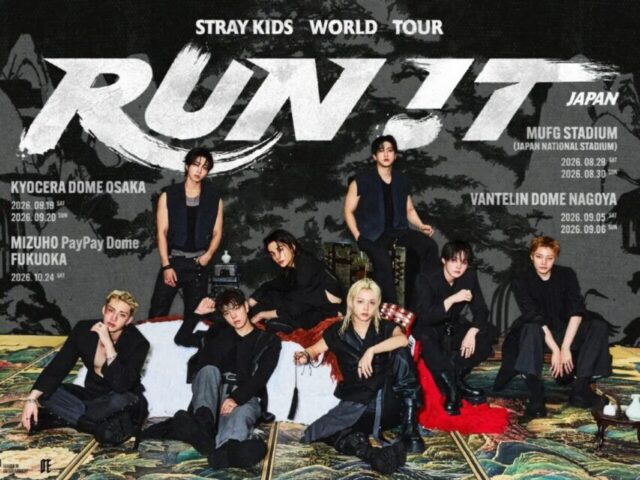
Stray Kids, a globally recognized K-Pop group managed by JYP Entertainment, is currently captivating audiences on their highly anticipated "Run It" tour. The Japanese leg of the tour commenced on August 29 with two sold-out dates in Tokyo, setting a high energetic standard for the subsequent performances. Most recently, the group arrived at the Vantelin Dome in Nagoya for another two-night engagement, where the controversial incident unfolded during the first concert on September 5.
During a segment of the show, the nine-member group donned a series of meticulously designed white outfits. It was during this performance that Jisung’s jacket, which featured a single button closure, inadvertently came undone. This momentary lapse in costume integrity led to the exposure of a portion of his upper body, including several tattoos that are typically kept concealed during public appearances. While such an occurrence might seem minor in many entertainment contexts, within the highly controlled world of K-Pop, it quickly became a focal point for both eager fans and, seemingly, the idol’s management.
Fan-captured media from the event, widely circulated across social media platforms like X (formerly Twitter), quickly highlighted the "accidental" exposure. Enthusiastic posts celebrated Jisung’s stage presence and physique, with many fans expressing admiration for his visible tattoos. However, the celebratory tone soon shifted as Jisung himself provided an unexpected insight into the aftermath of the incident.
Jisung’s Candid Explanation and Company Pressure
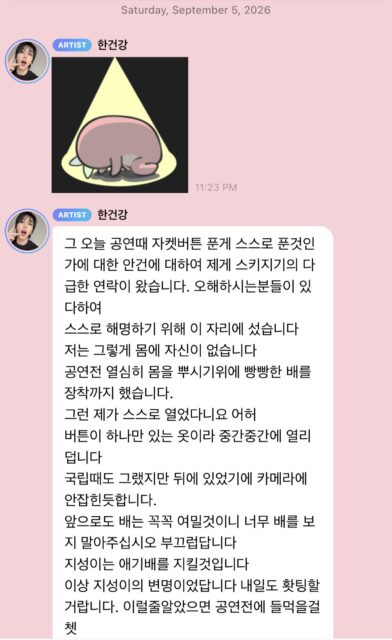
Hours after the Nagoya performance, Jisung took to Bubble, a paid fan communication platform popular among K-Pop idols, to address the situation directly. His message offered a candid and somewhat lighthearted, yet revealing, account of the events following his stage appearance. He disclosed that he had received an "urgent message from SKZ staff" inquiring whether he had "personally undid the buttons on my jacket during today’s performance."
Jisung emphatically denied intentionally unbuttoning his jacket. He explained that the outfit’s design, with its singular button, made it prone to coming undone during energetic performances. He even recalled a similar, untelevised incident at the National Stadium, where his position at the back of the stage likely prevented it from being widely noticed. In a move that underscored the pressure he felt, Jisung humorously, yet pointedly, stated, "I’m not that confident about my body. Before the performance, I even worked hard to get in shape and ended up with a nice, full belly. So, me opening it myself? Oh, come on." He concluded his message by promising to "make sure to keep my belly buttoned up" and asking fans not to "look at my stomach too much. It’s embarrassing." He humorously added, "Jisung will protect his baby belly!" and "If I’d known this would happen, I should’ve eaten before the concert. Tsk."
This message from Jisung provided an unprecedented glimpse into the immediate internal repercussions of a seemingly minor event. The fact that company staff felt the need to contact an idol urgently after a concert, specifically to ascertain intent behind a wardrobe malfunction, speaks volumes about the strict control exercised over artists’ public images.
Fan Community’s Reaction: Outrage and Support
The revelation of JYP Entertainment’s swift intervention ignited a firestorm of outrage among Stray Kids’ global fanbase, known as STAY. Fans quickly took to social media to express their dismay, directing their anger not at Jisung, but at the management company. The sentiment was overwhelmingly critical of JYP Entertainment’s perceived priorities and double standards.

Numerous fan accounts and fanbases highlighted what they viewed as a stark contrast in the company’s responsiveness. For instance, many pointed out that Jisung has reportedly endured "years of hate" and even had his music allegedly "stolen across platforms this year," issues which, according to fans, remained "unresolved." Yet, a jacket accidentally opening during a concert triggered an immediate and urgent company inquiry, leading the idol to feel compelled to "apologize" for something beyond his control.
Tweets like "this man is almost 30 years old and they’re calling him urgently cause of some jacket opening while he’s dancing ???? is that company actually serious like imagine having to explain this" resonated widely. Another fan articulated the frustration: "the fact that theyre literally monitoring his every fucking movement down to whether his own jacket button was undone by himself or any little sliver of the tattoo is showing and then…" These reactions underscore a deep-seated frustration within the fandom regarding what they perceive as excessive micromanagement and a prioritization of trivial image concerns over more substantial issues impacting their artists’ well-being and creative integrity.
The fan community’s response was not just critical but also deeply protective of Jisung. Many expressed solidarity, emphasizing that they appreciated his candidness and found nothing "embarrassing" about his appearance or tattoos. The incident became a rallying point for discussions on idol rights, mental health pressures, and the need for companies to foster a more supportive and less restrictive environment for their artists.
The Broader Context: K-Pop Idol Image and Tattoos
This incident cannot be fully understood without examining the broader context of K-Pop idol image management and the specific cultural perceptions surrounding tattoos in South Korea and the entertainment industry. K-Pop agencies are renowned for their meticulous control over every aspect of an idol’s public persona, from their music and choreography to their fashion, social media presence, and even personal relationships. This level of control is often justified by the need to maintain a "clean" and aspirational image, which is crucial for marketability, especially in a youth-centric industry.
Tattoos, in particular, have a complex history in South Korea. While increasingly normalized among younger generations, they have historically been associated with criminal elements or rebellion. Consequently, K-Pop idols with visible tattoos often face pressure to conceal them, whether through makeup, clothing, or digital alteration in broadcast media. This industry standard is often enforced to ensure broader public appeal and to avoid potential backlash from more conservative segments of society or advertisers.
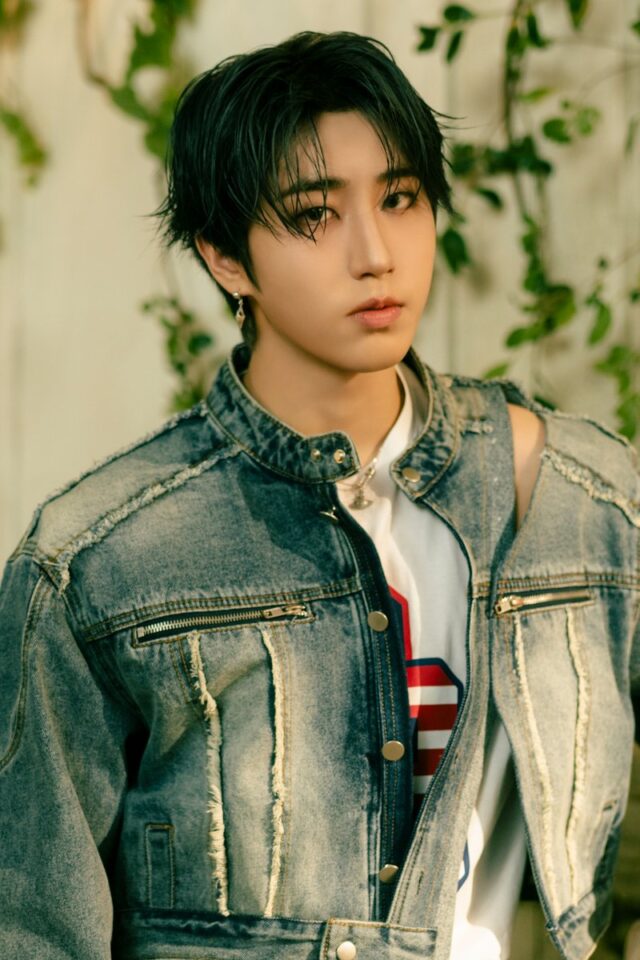
Jisung’s visible tattoos, especially the one on his side mentioned in the original article, have been a subject of previous company intervention. The original article references an earlier instance where "Stray Kids Star’s Tattoo Triggers Immediate Action From JYP Entertainment," indicating a pre-existing company policy or concern regarding his body art. This background adds another layer to the current controversy, suggesting that the "accidental exposure" was not merely about an unbuttoned jacket but potentially about the revealing of elements the company prefers to keep hidden. The urgency of the staff’s call to Jisung, therefore, might stem from a desire to control the narrative around his tattoos as much as his general image.
A History of Image Management and Idol Autonomy in K-Pop
The K-Pop industry has a long history of stringent image management. From debut, idols are often subjected to strict diets, rigorous training regimes, and comprehensive media training to cultivate a specific public persona. This control extends to their private lives, with dating bans, restrictions on personal social media use, and mandates on behavior often being part of their contracts. The rationale is often framed as protecting the idol’s image and, by extension, the group’s brand and investment.
However, as K-Pop has globalized and diversified, there’s a growing tension between these traditional control mechanisms and the increasing demand for authenticity and individuality from both idols and international fans. Idols themselves, as they mature, often express desires for greater artistic freedom and personal expression. The pushback from fans against perceived corporate overreach is a testament to this evolving dynamic. Fans, particularly international ones, often advocate for idols’ rights to express themselves freely, including through tattoos, fashion choices, and personal narratives, viewing these as integral to their artistic identity rather than detrimental to their image.
Incidents like Jisung’s accidental exposure highlight the precarious balance K-Pop companies attempt to maintain. On one hand, they need to appeal to a global audience that values individuality; on the other, they must navigate conservative domestic expectations and protect substantial investments in their artists. The rapid growth of social media further complicates this, as fan-captured content can instantly circulate globally, bypassing traditional media filters and creating narratives that companies then struggle to control.
Implications for Idol-Company Dynamics and Fan Engagement
The "Jisung incident" carries several significant implications. Firstly, it further exposes the often-strained relationship between K-Pop idols and their management agencies. While agencies provide platforms for global stardom, the trade-off often involves a substantial degree of personal and artistic freedom. Jisung’s message, while humorous, subtly conveyed a sense of resignation and compliance with company directives, even for an issue he clearly found trivial and somewhat embarrassing.
Secondly, the overwhelming fan reaction underscores the growing power and influence of K-Pop fandoms. Fans are no longer passive consumers; they are active participants, scrutinizing company actions, advocating for their idols’ well-being, and often acting as a collective voice that can exert considerable pressure. This incident demonstrates that fans are increasingly willing to challenge company policies they deem unfair or overly restrictive, especially when it comes to personal expression.
Thirdly, it contributes to the ongoing conversation about mental health in the K-Pop industry. The pressure on idols to maintain a flawless public image, coupled with constant scrutiny and immediate corporate feedback on minor incidents, can contribute to significant stress and anxiety. Jisung’s lighthearted tone might mask deeper frustrations regarding the intensity of his profession.
Finally, this event serves as a microcosm of the larger cultural shifts impacting the K-Pop industry. As it expands globally, companies like JYP Entertainment face the challenge of adapting their traditional image management strategies to cater to a more diverse and globally informed audience that often champions individual expression over strict conformity. The demand for transparency and authenticity from idols is at an all-time high, making incidents of perceived corporate hypocrisy or overreach particularly damaging to public perception.
The Future of K-Pop Idols’ Public Image
The "Run It" tour continues, and Stray Kids will undoubtedly deliver more electrifying performances. However, the ripple effects of this incident will likely linger. It prompts a critical reflection on how K-Pop agencies manage their artists’ images in an increasingly interconnected and opinionated world. Will companies loosen their grip on minor image details, focusing instead on combating more serious issues like online harassment or intellectual property theft? Or will they double down on control, risking further alienation of a powerful and vocal fanbase?
The case of Jisung’s accidental skin exposure is more than just a wardrobe malfunction; it’s a telling symptom of the evolving power dynamics within the K-Pop industry. It highlights the delicate balance between maintaining a polished idol image and respecting the autonomy and individuality of the artists who bring that image to life. As K-Pop continues its global ascent, these internal tensions will undoubtedly continue to shape its trajectory, with fans playing an increasingly pivotal role in advocating for a more artist-centric and less restrictive environment.

