
 By Pevita Pearce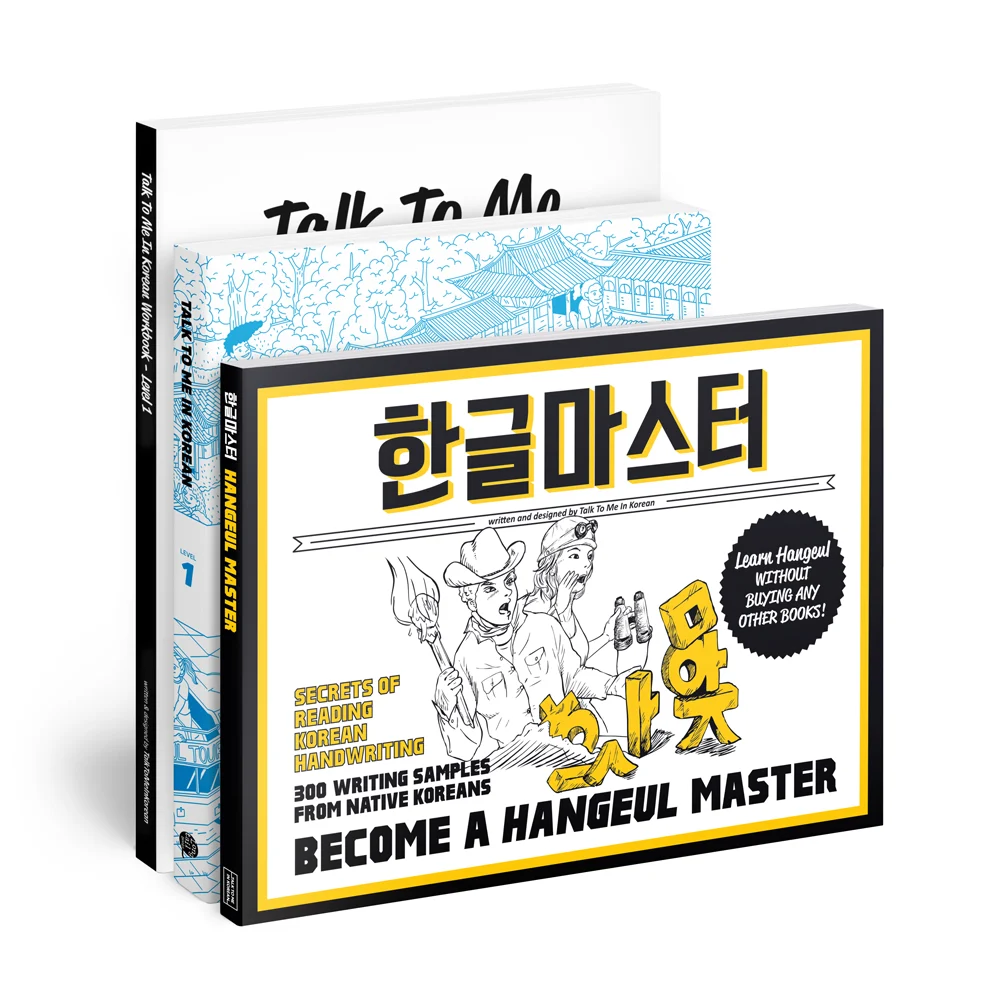
Since its inception in 2009, Talk To Me In Korean (TTMIK) has evolved from a grassroots educational project into a global juggernaut in the language learning industry. With over two million learners worldwide and a curriculum refined over 16 years, the platform has successfully demystified the Korean language, proving that with the right methodology, fluency is not just an aspiration—it is an achievable outcome.
The Genesis of a Learning Phenomenon
In the late 2000s, the digital landscape for learning Korean was fragmented. While the global appetite for Korean culture—driven by the early waves of Hallyu—was surging, high-quality, accessible pedagogical resources were scarce. Most available materials were overly academic, rigid, or lacked the nuance required for conversational fluency.
Enter Talk To Me In Korean. Founded in 2009, the platform was built on a simple yet radical premise: that anyone can learn Korean if they follow a structured, logical sequence. The founders recognized that language learners often fail not because of a lack of intelligence, but because of a lack of clear direction. By breaking down the vast complexity of the Korean language into bite-sized, sequential lessons, they turned a daunting task into a manageable journey.
A Chronology of Growth: 16 Years of Refinement
The history of TTMIK is one of iterative development. In its earliest days, the focus was purely on audio-based lessons, meeting the needs of a mobile-first generation. As the platform grew, it adapted to the evolving needs of its community:
- 2009–2012 (The Foundational Years): The primary focus was the creation of a core curriculum. The team began recording lessons that prioritized natural, conversational speech over textbook-only formality.
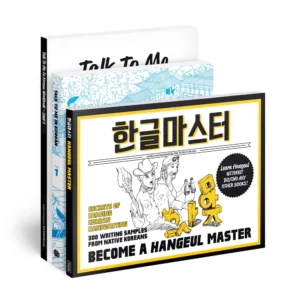
- 2013–2017 (Expansion and Diversification): As the user base expanded, TTMIK moved into physical publishing. By producing books that complemented the digital lessons, they bridged the gap between tactile learning and digital convenience.
- 2018–2022 (Community and Ecosystem): Understanding that isolation is the greatest enemy of language acquisition, the platform began fostering a robust community. They moved beyond simple content delivery to creating a holistic learning ecosystem.
- 2023–Present (Optimization): The current era of TTMIK is defined by data-driven personalization. Through advanced level testing and modular course structures, the platform now caters to individual learning styles, whether a student prefers independent study, structured bootcamps, or group-based accountability.
The Anatomy of the TTMIK System
At the heart of the TTMIK methodology lies a signature four-step lesson framework. Each session is meticulously designed to ensure that learners do not just "know" the language but can "use" it.
1. Warming Up
The lesson begins by priming the learner’s brain. This involves introducing the context of the day’s topic, ensuring that the student is mentally prepared for the linguistic challenge ahead.
2. Learning
This is the core instructional component where grammar points or vocabulary are introduced. The teaching style is deliberately conversational, avoiding the dry, lecture-heavy approach that characterizes traditional classrooms.
3. Speaking
Understanding is passive; speaking is active. TTMIK forces the student to produce the language immediately. By engaging in repetitive, guided speaking exercises, learners bridge the gap between cognitive recognition and verbal articulation.
4. Reviewing
Retention is the final hurdle. The review process reinforces the material, ensuring that what was learned moves from short-term memory into long-term proficiency.
Supporting Data: By the Numbers
The efficacy of the TTMIK system is not merely anecdotal; it is reflected in an impressive array of metrics that demonstrate the platform’s massive scale and sustained relevance:
- 2 Million+ Learners: A global footprint that spans continents, proving the universal appeal of their pedagogical approach.
- 1,700+ Structured Lessons: A staggering library of content built one piece at a time, ensuring that no matter where a learner starts, they are always following a logical path.
- 2.1 Million+ YouTube Subscribers: This massive audience serves as a live laboratory, where the questions and feedback from learners have directly shaped the evolution of the curriculum.
- 48 Books Published: With over one million copies sold worldwide, these books serve as a testament to the enduring value of physical study materials in a digital-first age.
Addressing the Learner’s Journey
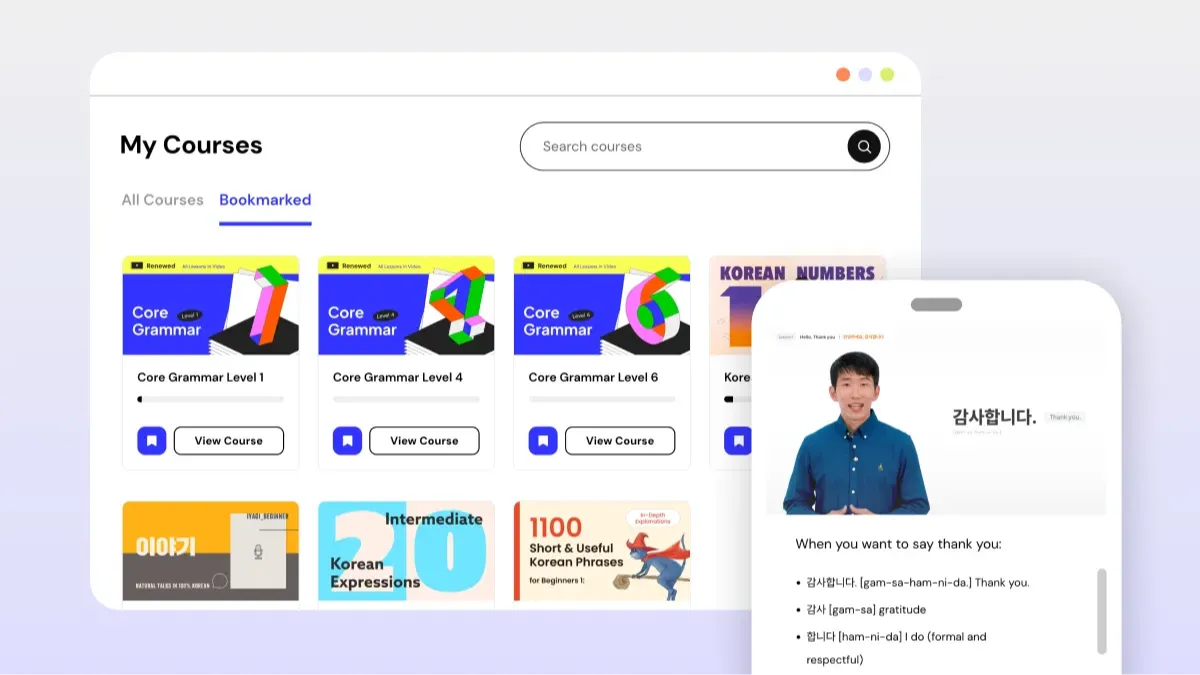
One of the most significant barriers to language learning is the "what next?" syndrome—the feeling of being lost after completing a chapter. TTMIK solves this by treating the curriculum as a roadmap.
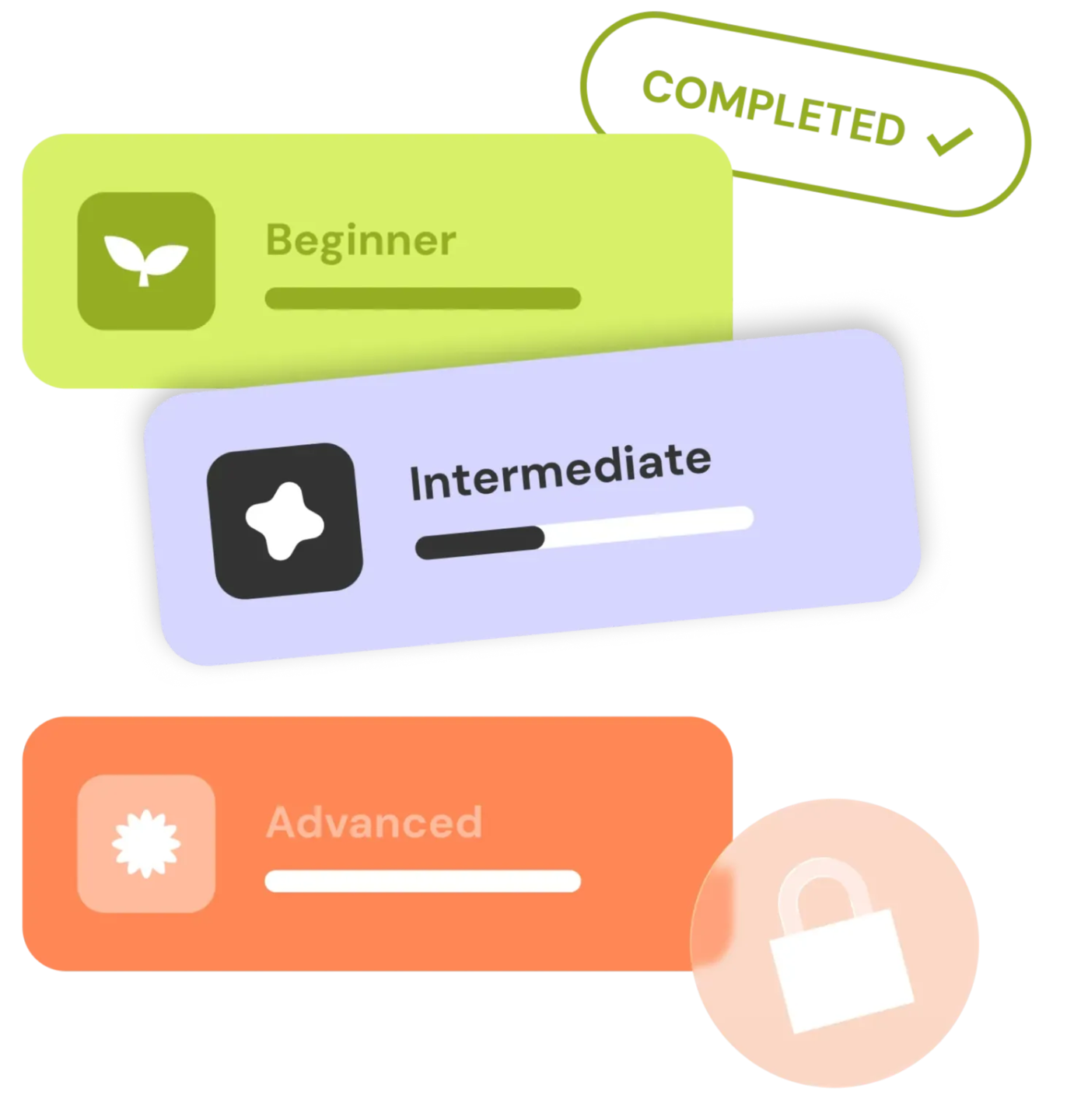
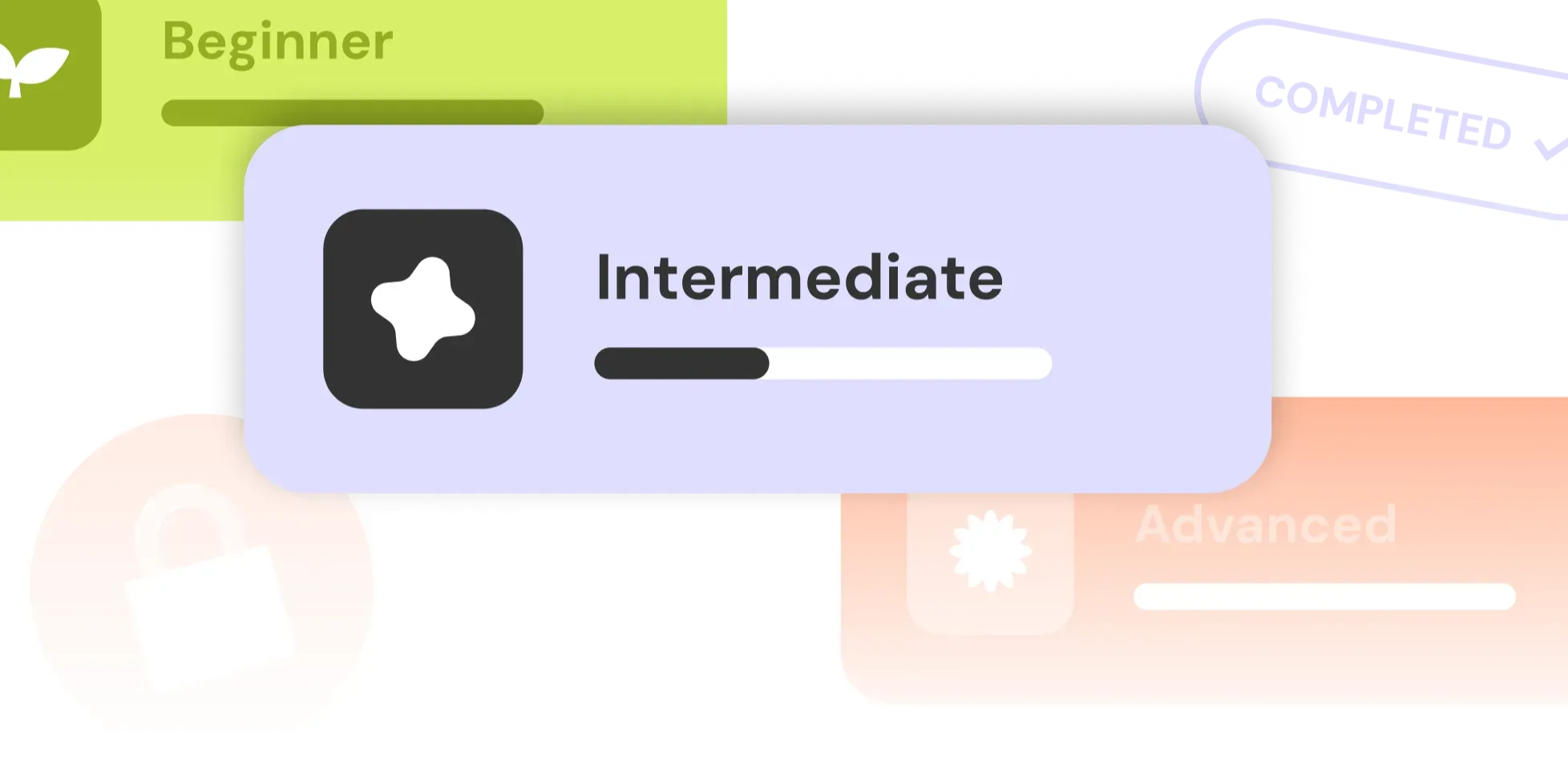
For the absolute beginner, the entry point is clearly defined. For those who have already dabbled in the language, the platform offers a precise 3-minute level test. This eliminates the "guessing game," allowing students to dive back into the curriculum exactly where their proficiency lies, preventing both burnout and boredom.
Expert Perspectives and Official Stance
The leadership at TTMIK maintains that language learning should not be a chore, but a sustainable habit. Their official stance on the current state of language education is clear: "Instead of wondering what to do after a lesson, you just follow the process and keep going."
This philosophy emphasizes the importance of systematization. When a student is removed from the responsibility of curriculum planning, they can devote 100% of their mental bandwidth to the actual act of learning. By removing the friction points—such as wondering if a resource is accurate, if it’s too difficult, or if it’s missing essential context—TTMIK creates an environment where consistency is the path of least resistance.
The Implications: A New Standard for Language Apps
The success of TTMIK has broader implications for the language learning industry. It highlights a shift away from "gamified" apps that prioritize short-term engagement (streaks, badges) toward platforms that prioritize long-term, functional proficiency.
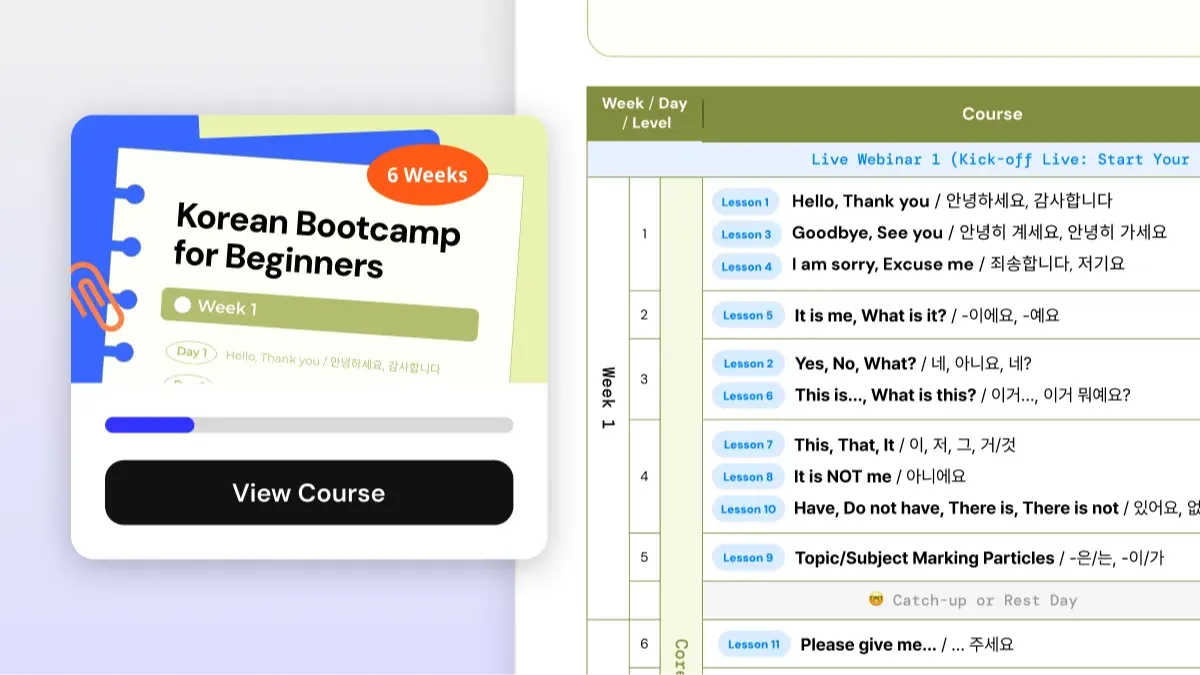
The Rise of Structured Accountability
The shift toward "Bootcamp" programs signifies that even in the digital age, human beings still crave structure and a sense of shared progress. By combining the convenience of an app with the rigor of a structured program, TTMIK is essentially bringing the classroom experience to the digital sphere without the overhead or the geographic limitations of traditional education.
The Power of Community
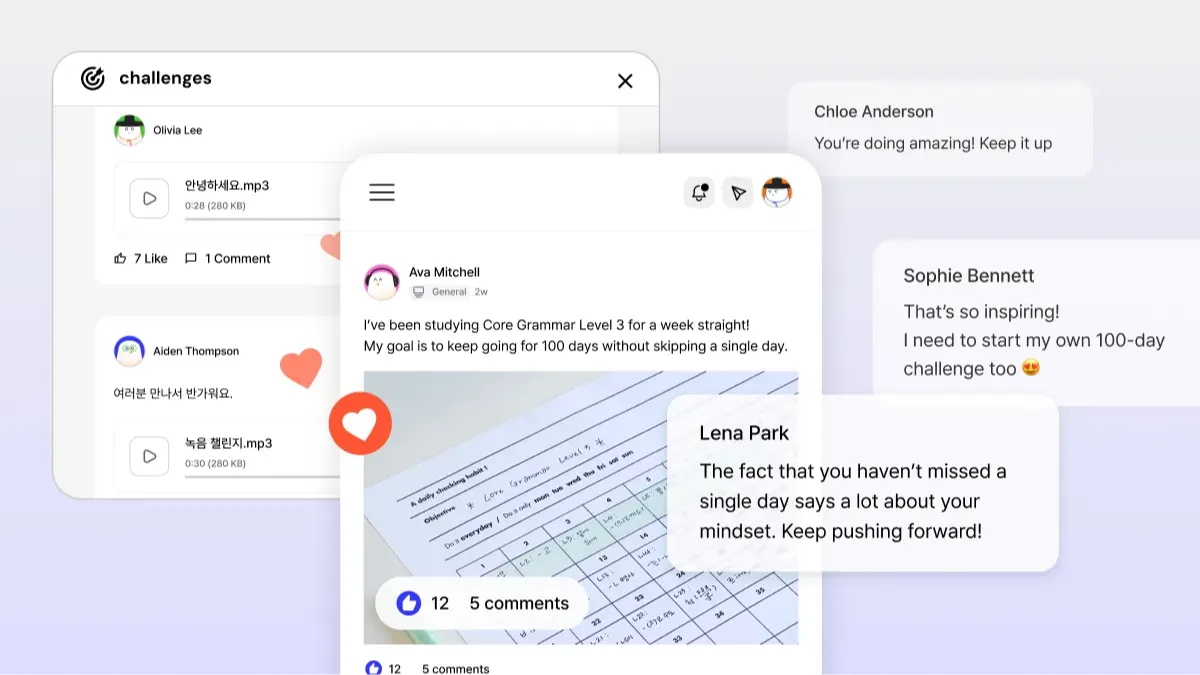
Perhaps the most profound implication of their success is the proof that language learning is a social act. By facilitating a space where learners can connect, share stories, and overcome challenges together, TTMIK has proven that the "lone wolf" approach to language study is rarely the most effective. Whether it is a student in Canada, a professional in Spain, or an enthusiast in Malaysia, the common thread is the sense of belonging to a global cohort of learners.
Conclusion: The Path Forward
For those looking to bridge the gap between "Hello" and "I can hold a real conversation," the path is no longer a mystery. With a 16-year track record, a massive library of vetted content, and a proven, scalable system, Talk To Me In Korean has cemented its position as an essential tool for any serious student of the language.
The company’s approach is a reminder that while the digital tools have changed, the fundamental principles of learning remain the same: sequence, repetition, application, and community. For anyone intimidated by the complex scripts or nuanced grammar of the Korean language, the message from the TTMIK community is simple: your first real conversation is closer than you think. All it takes is the right first step.
 Jia Lissa
  Asep Darmawan
  Layla Zulfa
