
 By Nana Wu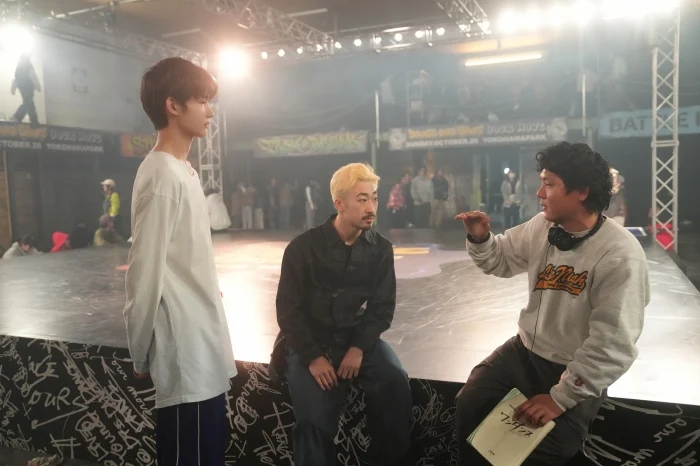
In a landmark moment for Japanese pop culture, the highly anticipated film adaptation of the acclaimed manga Wandance has set a new benchmark for cross-media synergy. Scheduled for a nationwide theatrical release on November 27, 2026, the film is not merely a cinematic translation of a beloved graphic novel; it is a meticulously crafted homage to the art of movement, underscored by an ambitious musical soundtrack curated by the renowned label origami PRODUCTIONS.
This project represents a significant intersection where elite professional dancers, J-Pop idol groups, and avant-garde musicians meet to explore the transformative power of dance. By bridging the gap between underground club culture and mainstream entertainment, Wandance is positioning itself as a cultural milestone that challenges the traditional boundaries of how dance is represented on the silver screen.
Main Facts: A Production of Unprecedented Scale
The film Wandance, produced by Happinet Phantom Studios, brings together a "who’s who" of the contemporary Japanese dance scene. The project’s central narrative revolves around the liberation found through self-expression—a theme that the production team felt could only be authentically realized by involving real-life dance industry icons.
Key participants include members of the global sensation &TEAM, the dynamic J-Pop group Girls2, and solo dance powerhouses such as Ran (MAZZEL) and Seiya. The choreography and movement direction are helmed by industry stalwarts like akihic☆kawa, whose influence on the modern dance landscape is profound. By securing such high-caliber talent, the film guarantees that the dance sequences—the heart of the narrative—are executed with technical perfection, transcending the usual limitations of screen choreography.
Chronology: The Journey to the Screen
The development of the Wandance film project has been a multi-year effort to ensure authenticity.
- Pre-Production (2025): The production team began scouting for talent, prioritizing dancers who could not only perform at an elite level but could also embody the complex emotional arcs of the manga’s characters. The partnership with origami PRODUCTIONS was formalized during this period, ensuring that the soundtrack would be an original, organic part of the film’s atmosphere.
- Production Phase (Early 2026): Principal photography and specialized dance training began. Unlike standard film productions, the dancers engaged in a rigorous rehearsal schedule, often working directly with the film’s directors to ensure that the cinematography captured the nuances of their choreography rather than just the spectacle.
- Promotional Campaign (Mid-2026): A series of teaser campaigns were launched, showcasing individual dancers and the creative process. These "behind-the-scenes" glimpses, shared via social media platforms, served to build anticipation while validating the film’s commitment to real-world dance culture.
- The November 2026 Milestone: The final edit and sound mixing were completed, leading to the official announcement of the November 27 release date. The film is expected to dominate the end-of-year box office, targeting both the core manga fanbase and the broader audience interested in youth culture and dance.
Supporting Data: The Musical Architecture of the Film
The backbone of Wandance is its score. origami PRODUCTIONS, a collective known for their sophisticated blend of jazz, hip-hop, and R&B, has provided a soundscape that mirrors the improvisational nature of dance.

The soundtrack features contributions from artists such as:
- Nenashi: Providing tracks like "Eyes On Me" and "Future Heat," which capture the introspective nature of the protagonist’s journey.
- Kan Sano: Contributing a series of high-energy compositions that reflect the intensity of the dance battles.
- Shingo Suzuki & Ovall: Their contributions bring a textured, organic depth to the urban settings of the film, grounding the high-octane dance scenes in a realistic, gritty atmosphere.
The collaboration with GuruConnect and individual artists like SWING-O highlights a conscious decision to move away from generic "pop" production, opting instead for a sound that resonates with the real-world experiences of dancers in Tokyo’s underground scene.
Official Responses and Creative Vision
In recent press statements, the creative team behind the project emphasized the "dignity of dance." According to lead choreographer akihic☆kawa, the objective was to move beyond the aesthetic display of movement.
"We didn’t want to make a movie where dance is a background element," says akihic☆kawa. "We wanted the dance to function as dialogue. Every movement, every twitch of a muscle, is a line of script spoken by the dancer."
The dancers involved have echoed this sentiment. Seiya noted in a recent interview that the experience of filming Wandance felt less like acting and more like a high-stakes performance art project. "When you are on set, surrounded by people who understand the soul of hip-hop and house, you don’t need to ‘act’ the scene. You simply exist within the music. That is the essence of what this film captures."
Implications: The Future of Dance Cinema
The success of Wandance could signal a shift in how major studios approach music-centric films. By treating the dance community as primary stakeholders rather than hired hands, the film has achieved a level of legitimacy rarely seen in mainstream cinema.

1. Elevating the "Dance Film" Genre
For decades, dance films have struggled with the "CGI vs. Reality" debate. Wandance firmly settles this by relying on practical, high-skill performances. This may encourage other studios to invest more in professional dancer training rather than post-production visual effects.
2. The Integration of Club Culture
The film’s focus on diverse genres—from Breaking to Poppin’ and House—acts as a crash course in dance history for the general public. By contextualizing these styles through the film’s narrative, it provides a gateway for younger generations to explore the roots of the music they enjoy.
3. A New Model for Soundtracks
The partnership with origami PRODUCTIONS provides a blueprint for future films. Instead of commissioning a series of disconnected pop singles, the film utilizes a cohesive musical identity that enhances the storytelling. This collaborative model between indie labels and major studios is likely to be replicated as audiences become more discerning about the music they hear in theaters.
Concluding Thoughts
As November 27 approaches, the excitement surrounding Wandance is palpable. It is a rare film that manages to be both a commercial enterprise and a genuine cultural contribution. By honoring the sweat, the repetition, and the raw vulnerability required to become a dancer, the film succeeds in making the audience feel the rhythm of the characters’ lives.
Whether one is a devotee of the manga, a fan of the featured artists, or simply an admirer of high-level performance, Wandance offers an experience that is as visceral as it is visually arresting. It is not just a film about dancing; it is a film that understands that for many, dance is the only language that matters.
As the industry looks forward to the release, the message from the cast and crew remains clear: turn up the volume, watch the feet, and let the movement tell the story. The stage is set, the music is composed, and the dancers are ready. Wandance is poised to change the rhythm of the industry, one step at a time.
 Siti Muinah
  Neng Nana
