
 By Nana Wu
Executive Summary: A New Era for Korean Culinary Excellence in Japan
CJ Foods Japan, the Japanese subsidiary of the global food and biotechnology giant CJ CheilJedang, has officially unveiled its comprehensive strategic roadmap for the "bibigo" brand, targeting an aggressive expansion phase leading up to 2026. This initiative marks a pivotal moment for the company, as it seeks to deepen its footprint in the Japanese market by leveraging the growing popularity of authentic Korean cuisine.
The strategy, centered on the launch of high-quality frozen products and the elevation of bibigo as a premium household name, is designed to capitalize on the sustained "K-Food" boom. By integrating advanced production technology with traditional culinary techniques, CJ Foods Japan aims to redefine the standard for home-cooked meals in Japan, positioning its products not just as convenient options, but as gourmet, chef-quality experiences.
Chronology of the Strategic Expansion
The roadmap for the next 24 months is meticulously structured to ensure a phased penetration into both retail and e-commerce channels.
- Phase 1: Establishing the Foundation (Late 2024 – Early 2025): The company is currently focusing on strengthening its supply chain and local distribution networks. This includes securing partnerships with major national supermarket chains and specialized high-end grocers to ensure the widespread availability of the new bibigo product lines.
- Phase 2: Product Diversification (Mid-2025): Building on the success of its existing staples, the brand will introduce a series of new, localized product variants. These will specifically cater to Japanese dietary preferences, balancing traditional Korean flavor profiles with the subtle, umami-rich nuances favored by the local palate.
- Phase 3: The 2026 Milestone: The culmination of this strategy will occur by September 1, 2026, when the company expects to reach peak market saturation. This period will coincide with major marketing campaigns and the introduction of a premium "Signature Series" that highlights the brand’s commitment to premium ingredients and artisan-level production standards.
Supporting Data: Understanding the Market Shift
The impetus for this expansion stems from deep-dive market research conducted by CJ Foods Japan over the past two years. Data indicates a significant shift in consumer behavior regarding frozen foods.
The Rise of "High-Quality Convenience"
Historically, frozen food in Japan was viewed as a time-saving necessity rather than a culinary choice. However, the post-pandemic landscape has fundamentally altered this perception. Consumers now prioritize "time-performance" (taipa)—the ability to achieve high-quality results with minimal effort.
According to recent internal data, the demand for authentic, restaurant-grade Korean meals at home has grown by over 30% in the last three years. The "bibigo" brand has successfully tapped into this by focusing on three key metrics:
- Authenticity of Ingredients: Utilizing locally sourced, high-grade vegetables and proteins.
- Technological Innovation: Employing specialized flash-freezing techniques that preserve the texture and moisture of ingredients, which is critical for dishes like mandu (dumplings) and stir-fried rice.
- Accessibility: Maintaining a price-to-value ratio that allows for daily consumption while retaining a "special occasion" flavor profile.
The Signature Series Lineup
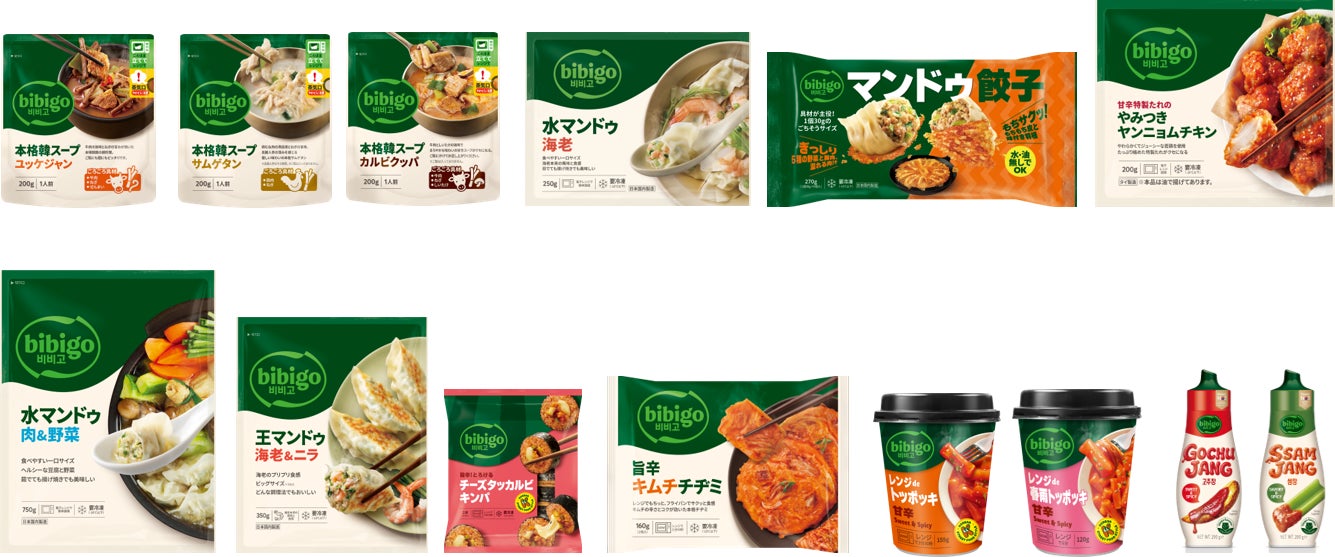
Central to the 2026 goal is the rollout of the "bibigo Signature Series," which includes a variety of new frozen entrees. Each product is formulated to minimize the "thaw-and-cook" degradation common in mass-market frozen items. By utilizing automated, precision-temperature controlled manufacturing lines, the brand ensures that the structural integrity of the food—from the crispiness of a pancake to the succulence of a dumpling—remains consistent from the factory to the consumer’s plate.
Official Responses and Corporate Vision
In a statement regarding the new strategy, leadership at CJ Foods Japan emphasized that the expansion is not merely about increasing volume, but about changing the perception of what "frozen" can be.
"Our goal is to transcend the convenience category," a spokesperson noted. "We are bringing the essence of Korean culinary culture directly into the Japanese kitchen. We understand that the Japanese consumer has an incredibly high standard for food quality and safety. By aligning our global research and development capabilities with local quality controls, we are providing a product that feels less like a pre-packaged meal and more like a dish prepared by a culinary professional."
The company has also prioritized transparency in its sourcing and manufacturing processes, a critical factor for the Japanese market. Every product under the new 2026 roadmap will undergo rigorous testing to ensure it meets not only local health regulations but also the brand’s internal "Global Quality Gold Standard."
Implications: The Future of K-Food in Japan
The implications of this strategic push are multi-faceted, impacting both the retail landscape and the culinary habits of Japanese households.
Competitive Dynamics
The entry of a major player like CJ Foods Japan with such a long-term, structured commitment will likely intensify competition in the frozen food aisle. Local brands will need to innovate rapidly to maintain market share, likely leading to a broader surge in the quality of frozen cuisine across the board. This "rising tide" effect is expected to benefit consumers, who will have access to a wider variety of gourmet, healthy, and convenient meal options.
Culinary Integration
The success of bibigo is part of a larger trend where Korean cuisine is becoming a staple of the Japanese diet, much like Italian or Chinese cuisine. By focusing on products that are easy to incorporate into existing Japanese dining habits—such as side dishes for bento boxes or quick evening meals—CJ Foods Japan is effectively embedding its brand into the daily lives of its customers.
Long-term Growth Prospects
Looking beyond 2026, the company plans to utilize the data gathered during this expansion to pivot toward even more personalized nutrition options. As the brand cements its reputation for reliability and taste, there is potential for expansion into specialized dietary lines, including low-sodium or plant-based Korean offerings, further diversifying the market.
Conclusion
CJ Foods Japan’s roadmap for 2026 is a testament to the company’s confidence in the endurance of the Korean food trend in Japan. By marrying the convenience of modern technology with the soul of traditional Korean cooking, bibigo is well-positioned to become a household staple. As the company continues to refine its supply chain and expand its product portfolio, it sets a new benchmark for how global food brands can successfully navigate and thrive within the sophisticated, quality-conscious Japanese market.
For the consumer, this translates to a future where world-class Korean cuisine is always available, requiring nothing more than a few minutes and a desire for an exceptional meal. The stage is set for a transformation in the frozen food sector, and with its 2026 strategy, CJ Foods Japan is undoubtedly leading the charge.

 Evan Lee Salim
  Reynand Wu
