 By Nana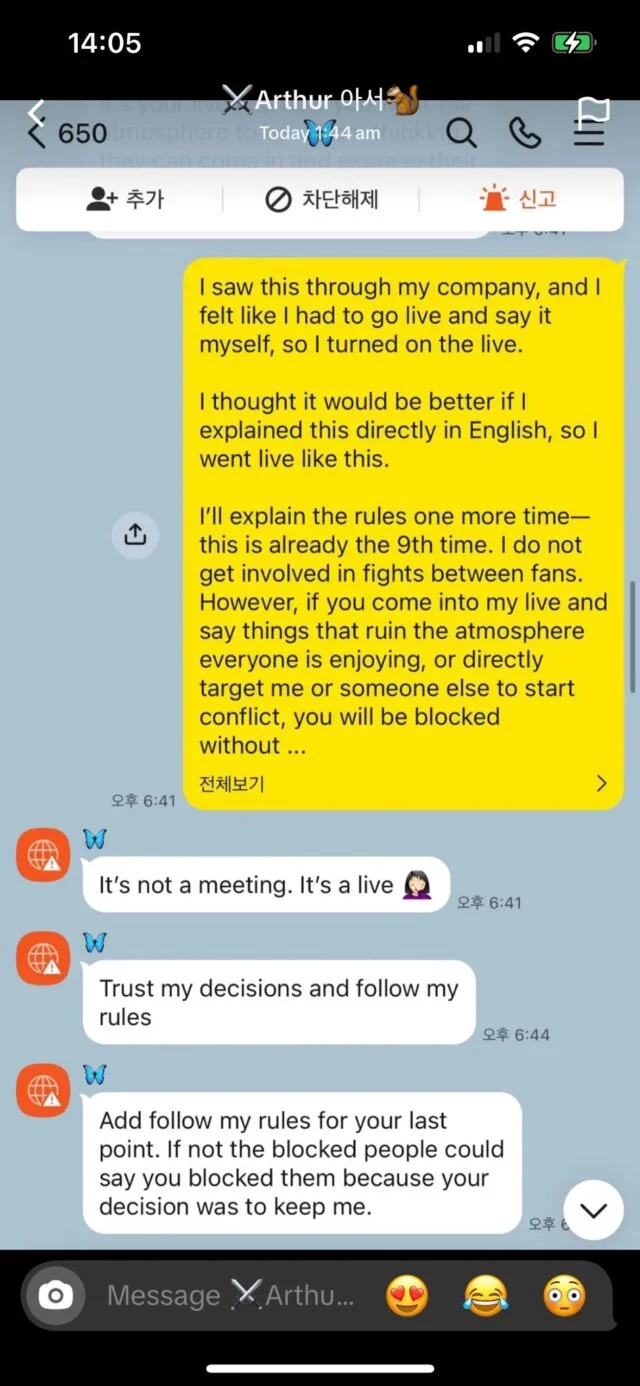
The landscape of K-pop fan engagement has shifted dramatically with the rise of live-streaming platforms like TikTok, creating new avenues for interaction that occasionally blur the professional boundaries between idols and their supporters. Recently, Arthur, a prominent member of the boy group THE KINGDOM, became the center of a burgeoning controversy involving allegations of a private relationship with a fan, financial manipulation, and internal group discord. The situation, which initially gained traction through social media leaks from a fan known as "Jamie," has prompted a detailed response from the artist, who claims he was a victim of coercion and misleading narratives. This development has sparked a wider conversation within the K-pop industry regarding the ethics of idol monetization on third-party platforms and the vulnerability of artists to predatory fan behaviors.
The Genesis of the Controversy and Initial Allegations
The controversy began to unfold when a series of screenshots and testimonials were shared online by a fan identified as Jamie, who is reportedly several decades older than Arthur. According to Jamie’s account, her relationship with the idol transitioned from standard fan support to private communication following Arthur’s frequent live-streaming sessions on TikTok. TikTok’s live-streaming feature allows viewers to send digital "gifts," which hold monetary value and can be converted into cash by the creator. Jamie alleged that her significant financial contributions during these streams caught Arthur’s attention, leading to direct messaging (DM) exchanges on the platform.
In these alleged DMs, Jamie claimed that Arthur spoke candidly about his life and his fellow group members. Most notably, the leaks suggested that Arthur had made disparaging or dismissive remarks about his teammate, Louis, who also utilizes TikTok for fan engagement. The allegations painted a picture of an idol who was not only bypassing agency protocols for fan communication but was also actively manipulating high-spending fans for continued financial support. The narrative suggested that Arthur was prioritizing "whales"—fans who spend large sums of money—over the general fanbase, leading to accusations of "gaslighting" and financial opportunism.
Arthur’s Counter-Statement and Claims of Coercion
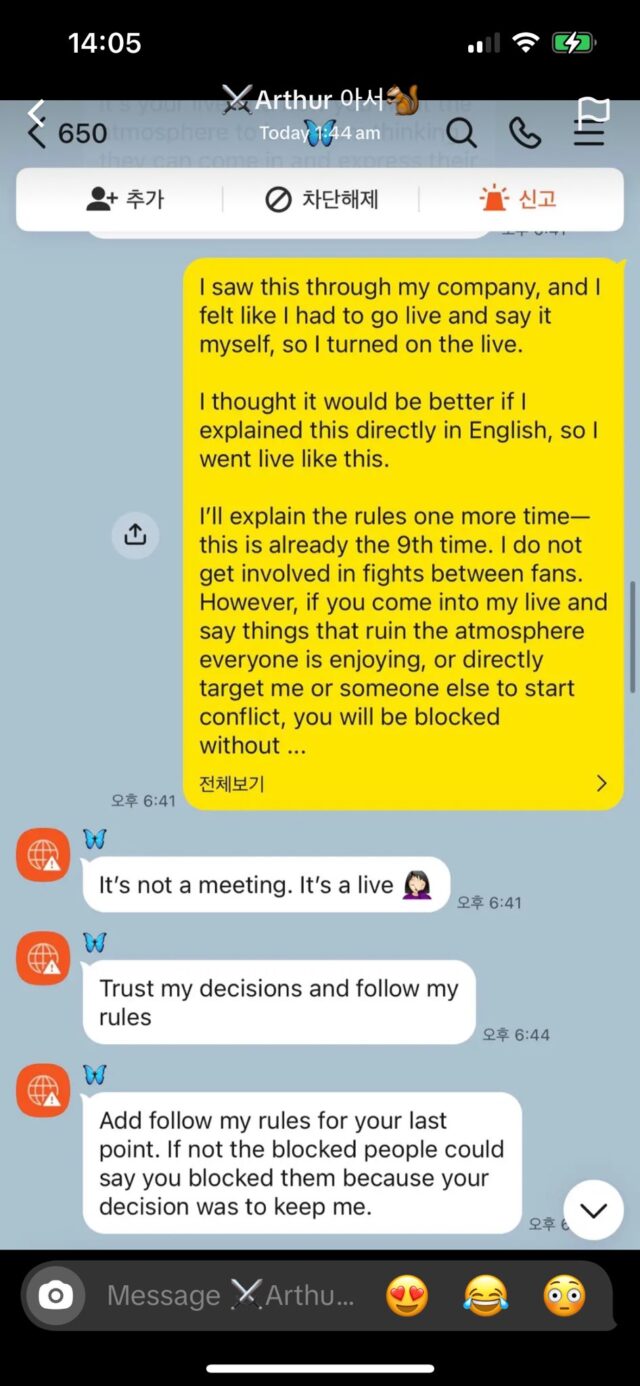
Following a wave of criticism from netizens and the group’s fandom, known as Kingmakers, Arthur took the initiative to address the situation through a series of communications shared by a trusted fan intermediary. In his rebuttal, Arthur did not deny that communication had occurred but provided a starkly different context for the nature of the relationship. He asserted that the narrative presented by Jamie was heavily filtered to make his actions appear more malicious than they were, while omitting her own aggressive and threatening behavior.
Arthur revealed that the fan had allegedly used her status as a major donor to exert control over him. He described a dynamic where he felt pressured to maintain communication to avoid public backlash or the withdrawal of support that could affect his standing. Furthermore, Arthur claimed that Jamie had made various threats to keep him "under control," suggesting an environment of emotional blackmail. According to the idol, the messages regarding his fellow member Louis were taken out of context or provoked by Jamie’s own leading questions, intended to create a rift within the group or to solidify her "exclusive" bond with him.
The artist expressed deep regret for his lack of judgment, stating that he had been misled into believing the communication was a form of sincere support before realizing the manipulative nature of the interaction. He confirmed that he had personally reached out to several fans who were negatively impacted by the situation, including those he had previously blocked at Jamie’s alleged behest, to offer formal apologies.
Chronology of the Dispute
The timeline of the incident reflects the rapid escalation typical of social media-driven scandals in the K-pop industry:

- Late 2025 – Early 2026: THE KINGDOM members, including Arthur and Louis, begin frequent TikTok live streams. This period sees the emergence of "top gifters" who regularly appear at the top of the donation rankings.
- Spring 2026: Private communications allegedly begin between Arthur and Jamie. Jamie claims Arthur initiated the DMs, while Arthur later implies he felt obligated to respond to a high-tier supporter.
- Early July 2026: Internal friction within the fandom begins to surface as rumors of "special treatment" for certain fans circulate on X (formerly Twitter) and online communities.
- July 13, 2026: Jamie releases a series of "exposé" posts, including screenshots of DMs, alleging that Arthur manipulated her for money and spoke poorly of his teammates.
- July 14, 2026: The controversy reaches a fever pitch, with netizens demanding a statement from GF Entertainment. Arthur communicates his side of the story through a fan-led thread on social media, detailing the threats he allegedly received.
- July 15, 2026: Arthur continues to issue personal apologies to individual fans and clarifies his commitment to the group, seeking to mend the perceived discord with member Louis.
Supporting Data: The Impact of TikTok Monetization on K-Pop
The situation involving Arthur highlights a growing trend in the K-pop industry where idols from mid-sized or smaller agencies turn to platforms like TikTok to supplement their income and increase their visibility. Unlike official fan platforms like Weverse or Bubble, which are strictly moderated by agency staff, TikTok Live offers a more "unfiltered" experience.
Data suggests that the "gifting" economy on TikTok can be highly lucrative but also highly volatile. Top-tier gifts like the "TikTok Universe" can cost hundreds of dollars, with the platform taking a 50% cut and the remaining 50% going to the creator. For idols who may not yet be receiving significant royalties from music sales or tours, this direct revenue stream is tempting. However, industry analysts point out that this creates a "pay-for-access" model that is ripe for exploitation. When a fan spends thousands of dollars on an idol, a parasocial expectation of intimacy often follows. If the idol does not meet these expectations, the "jilted" fan may turn to "sasaeng" (stalker-like) behavior or public defamation as a form of retaliation.
Official Responses and Fandom Reaction
GF Entertainment, the agency representing THE KINGDOM, has traditionally maintained a protective stance over the group’s cinematic "Seven Kingdoms" concept. The agency has yet to issue a formal, comprehensive legal statement regarding Jamie’s specific claims, though Arthur’s personal outreach suggests a level of internal acknowledgement. In many similar cases, agencies prefer to handle the matter quietly to avoid further legal complications, especially when the lines between "consensual communication" and "harassment" are blurred.
The reaction from Kingmakers has been polarized. One segment of the fandom has expressed profound disappointment, citing the breach of trust involved in private DMs and the perceived disrespect toward Louis. Another segment, however, has rallied behind Arthur, viewing him as a young artist who was preyed upon by a wealthy, older individual using financial leverage to manipulate him. This group emphasizes the power imbalance inherent in a relationship between a public figure and a "whale" donor.

Broader Industry Implications and Analysis
The Arthur controversy is not an isolated incident. The source material references a similar situation involving KB of the group OnlyOneOf, where a relationship with an alleged sasaeng fan was "put on blast." These recurring themes suggest a systemic issue in how 4th and 5th generation K-pop groups are managed in the digital age.
1. The Vulnerability of "Niche" Idols
Idols from groups that have not yet reached "top-tier" status are often encouraged to be more accessible to build a loyal core fanbase. This accessibility, while beneficial for growth, leaves them vulnerable to individuals who may have ulterior motives. Without the robust security and PR buffers enjoyed by "Big 4" (HYBE, SM, JYP, YG) artists, these idols often navigate complex social interactions on their own.
2. The Ethics of Monetized Interaction
The K-pop industry is built on the sale of "fantasy" and "connection." However, when that connection is directly tied to real-time cash gifts on a public stream, it commodifies the relationship in a way that can lead to ethical lapses. Industry experts are increasingly calling for stricter regulations on how idols use non-proprietary streaming platforms to prevent financial exploitation from either side.
3. The Role of "Sasaeng" Fans and Power Dynamics
The Arthur case brings to light the evolving definition of a "sasaeng." Traditionally, these were fans who physically stalked idols. Today, "digital sasaengs" use financial dominance to gain digital proximity, eventually using the information gained through that proximity to "ruin" the artist if their demands are not met. Arthur’s claim of being "misled" and "threatened" fits the profile of emotional coercion that often accompanies these high-stakes parasocial relationships.
Conclusion
As THE KINGDOM continues their activities, the shadow of this controversy remains a hurdle for Arthur’s public image and the group’s internal cohesion. Arthur’s decision to speak out and take responsibility for his "nuanced" situation marks an attempt to reclaim the narrative from Jamie. However, the incident serves as a cautionary tale for the entire K-pop industry. It underscores the urgent need for agencies to provide better digital literacy and boundary-setting training for their artists, while also highlighting the potential dangers of unregulated fan-idol monetization. For Arthur and the Kingmakers, the path forward involves a difficult process of rebuilding trust and ensuring that the professional boundaries essential to the K-pop ecosystem are strictly maintained.

