
 By Lina Hope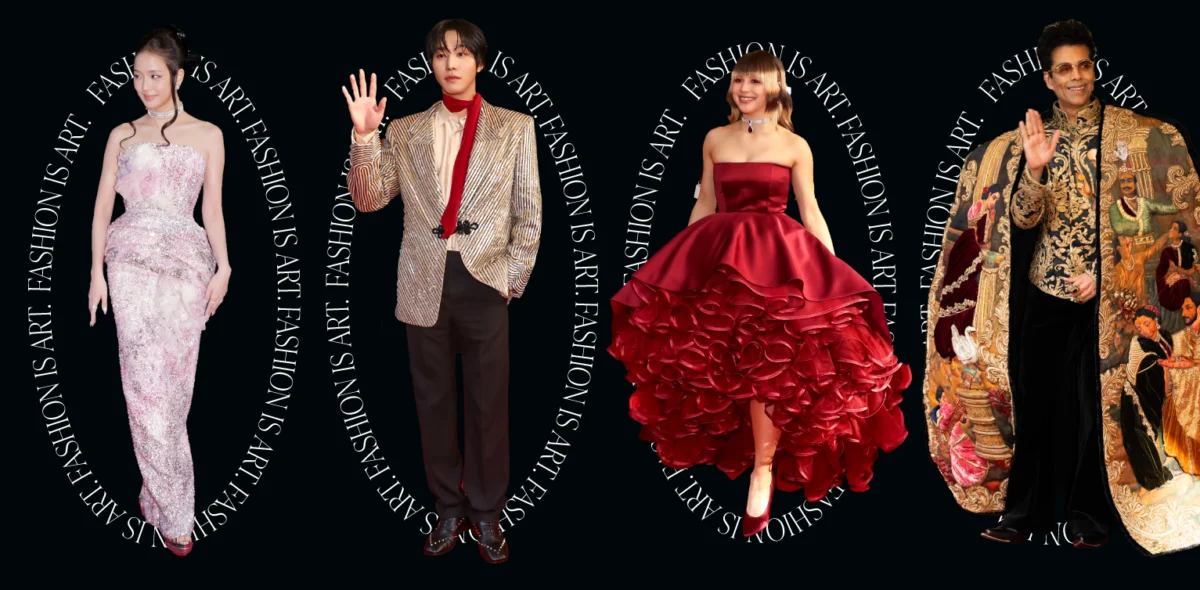
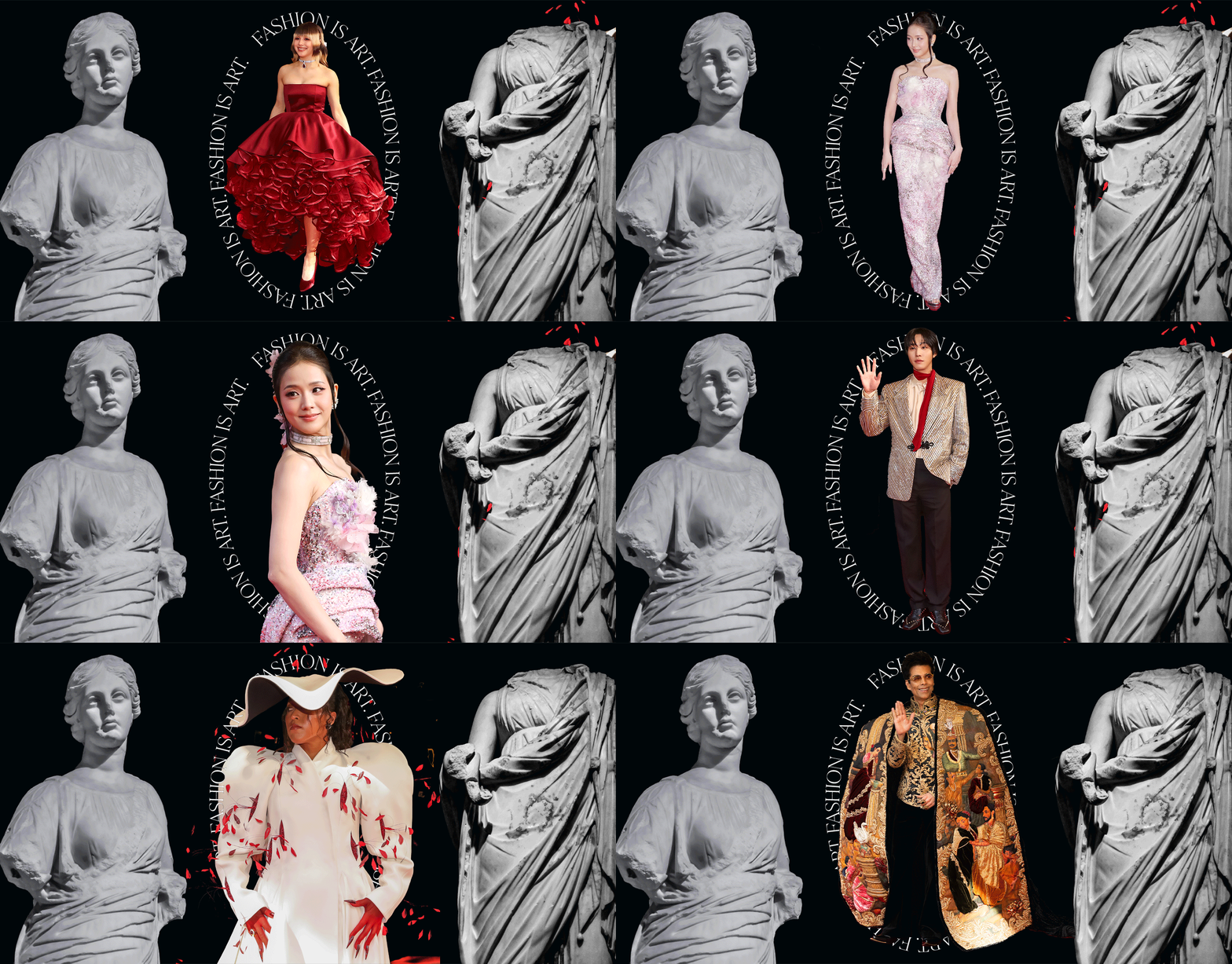
The Metropolitan Museum of Art’s iconic Costume Institute Gala, widely recognized as fashion’s most prestigious red carpet event, unfurled on May 4, 2026, under the evocative theme "Fashion Is Art." This year’s iteration saw a spectacular display of sartorial innovation, with Asian Pacific Islander (API) stars emerging as prominent figures, transforming the red carpet into a vibrant gallery of personal expression and meticulous artistry. Their ensembles, ranging from custom couture and heirloom jewelry to intricate hand embroidery and deeply personal narratives, underscored the profound connection between clothing, identity, and artistic endeavor. The event, a cornerstone of the fashion calendar, served as a powerful testament to how cultural heritage and contemporary vision can converge, creating looks that were not only visually stunning but also rich in meaning and historical resonance.
Established in 1948, the Met Gala has evolved from a local fundraising event to a global phenomenon, setting the tone for fashion trends and cultural conversations each year. Co-chaired by a rotating committee of prominent figures from the worlds of fashion, film, and music, the gala raises crucial funds for the Costume Institute, enabling the museum to acquire, preserve, and present fashion from across the centuries. The theme, "Fashion Is Art," invited attendees and designers alike to explore the boundaries between these two disciplines, prompting a deeper appreciation for the craftsmanship, conceptual depth, and emotional power inherent in haute couture. This year, the theme resonated particularly strongly with the diverse roster of API celebrities, who leveraged the occasion to celebrate their heritage and artistic influences with unparalleled creativity.
Naomi Osaka: A Metamorphosis of Style
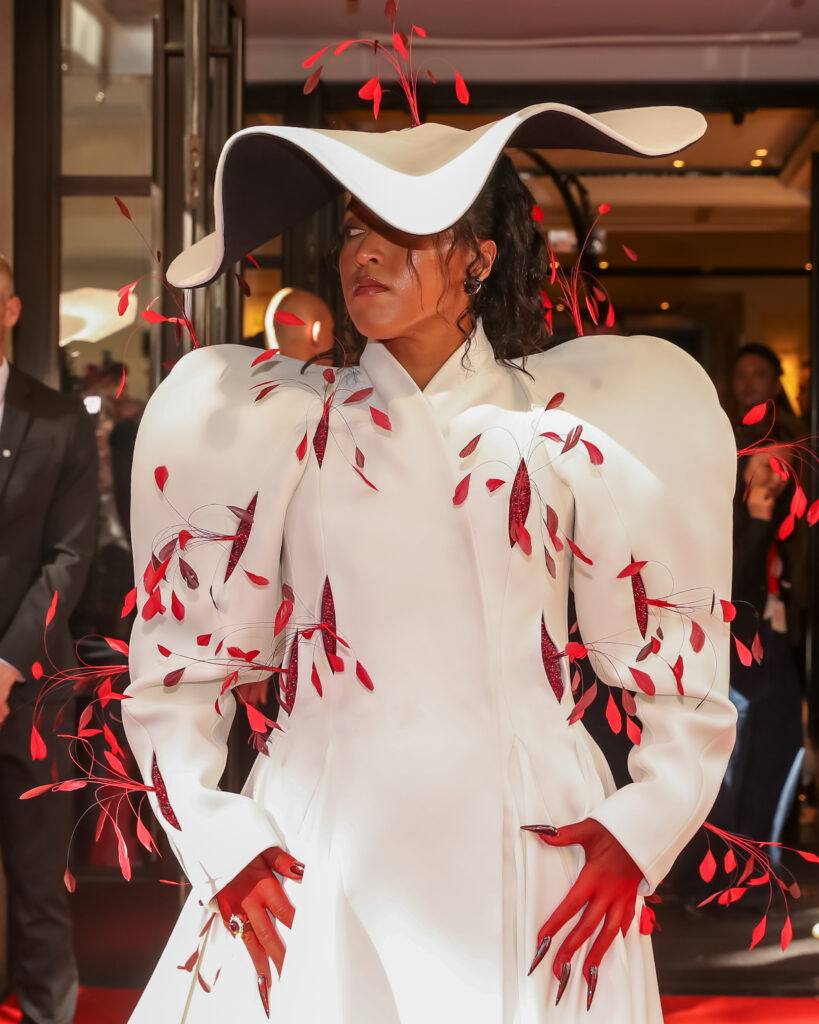
Tennis icon Naomi Osaka made a triumphant return to the Met Gala red carpet after a five-year hiatus, presenting a captivating two-part ensemble designed by Robert Wun. Her appearance was a masterful exploration of transformation and the human form, embodying the "Fashion Is Art" theme with a conceptual depth that resonated throughout the evening.
The initial look was an ethereal ivory coat, characterized by dramatic puff sleeves and a structured, high collar reminiscent of traditional Japanese kimonos. An abstract headpiece crowned her look, adding an avant-garde touch. Subtle yet striking details emerged from the coat’s open seams: glimpses of ruby crystals intertwined with sprouting feathers, hinting at an inner vibrancy. This was complemented by sheer red gloves, tipped with scarlet nails, creating a bold chromatic contrast.
The true artistry of Osaka’s ensemble unfolded as she shed the ivory coat and headpiece, revealing a breathtaking crimson gown. This second act was a cascade of shimmering crystals, meticulously arranged in swirling patterns that seemed to mimic the fluidity of movement. Osaka herself articulated the profound inspiration behind the two-part design, describing it as a representation of "the shedding of the skin and human anatomy." This powerful metaphor spoke to themes of renewal, vulnerability, and the revealing of an inner self, aligning perfectly with the gala’s overarching artistic mandate. The ensemble underscored Osaka’s personal journey, both on and off the court, showcasing her evolution and resilience through the language of high fashion.
Karan Johar: A Cinematic Tapestry of Indian Artistry
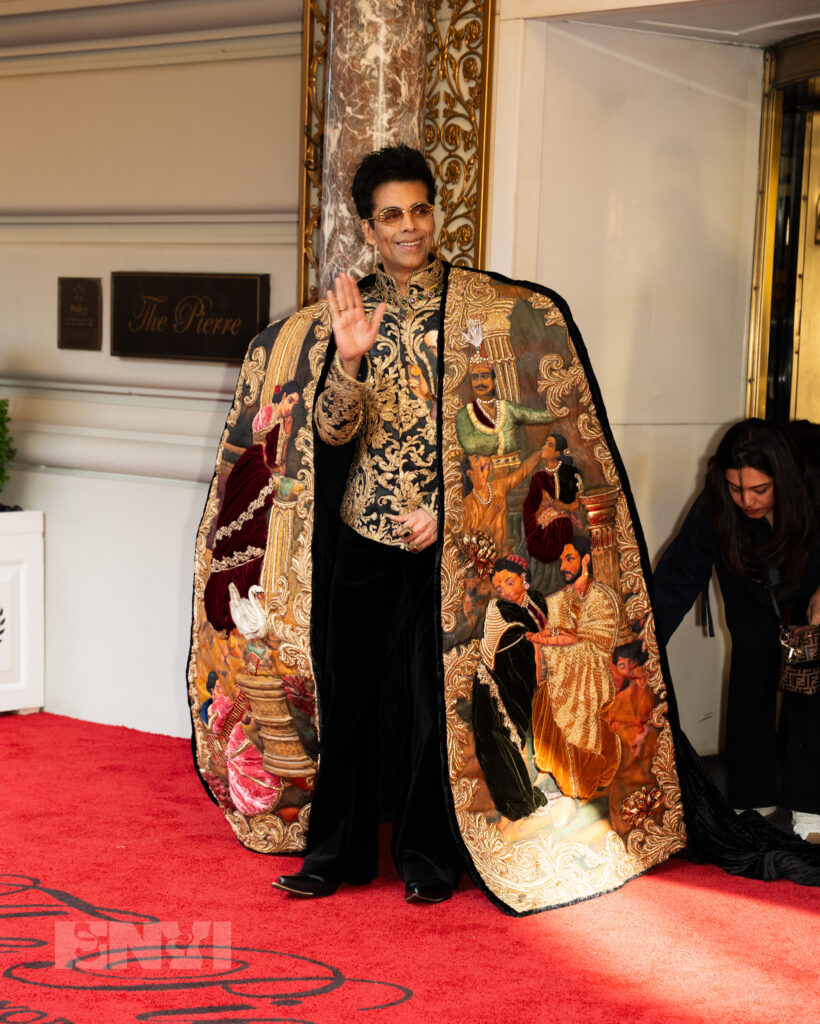
Filmmaker Karan Johar, making his much-anticipated Met Gala debut, transformed the red carpet into a living canvas, paying homage to the rich artistic heritage of India. His ensemble, a custom creation by Manish Malhotra and styled by Eka Lakhani, was a profound tribute to the renowned Indian painter Raja Ravi Varma.
The hand-painted attire meticulously recreated Varma’s iconic imagery, brought to life through intricate zardozi borders, three-dimensional architectural elements, delicate lotuses, and graceful swans. A particularly striking detail was the hand-painted lining of his jacket, a hidden testament to the painstaking craftsmanship that often goes unseen but is integral to the artist’s vision. The creation of this extraordinary ensemble was a monumental undertaking, requiring an estimated 5,600 hours of work spread across 86 days. The use of acrylic and oil finishes lent the textile an almost luminescent quality, mirroring the rich textures and depth of an actual painting.
Johar, a celebrated figure known for his profound understanding of storytelling through fashion, found a natural home in the "Fashion Is Art" theme. His choice to honor Indian artistry, rather than reducing it to a mere costume, demonstrated a deep respect for the cultural legacy. The ensemble seamlessly wove together threads of his celebrated career in cinema, his appreciation for craftsmanship, and his connection to cultural memory, presenting a unified and powerful statement on one of fashion’s grandest stages. This debut solidified Johar’s reputation not just as a filmmaker, but as a significant cultural arbiter with a keen eye for artistic expression.
Yu-Chi Lyra Kuo: A Sculptural Ode to Origami and Antiquity
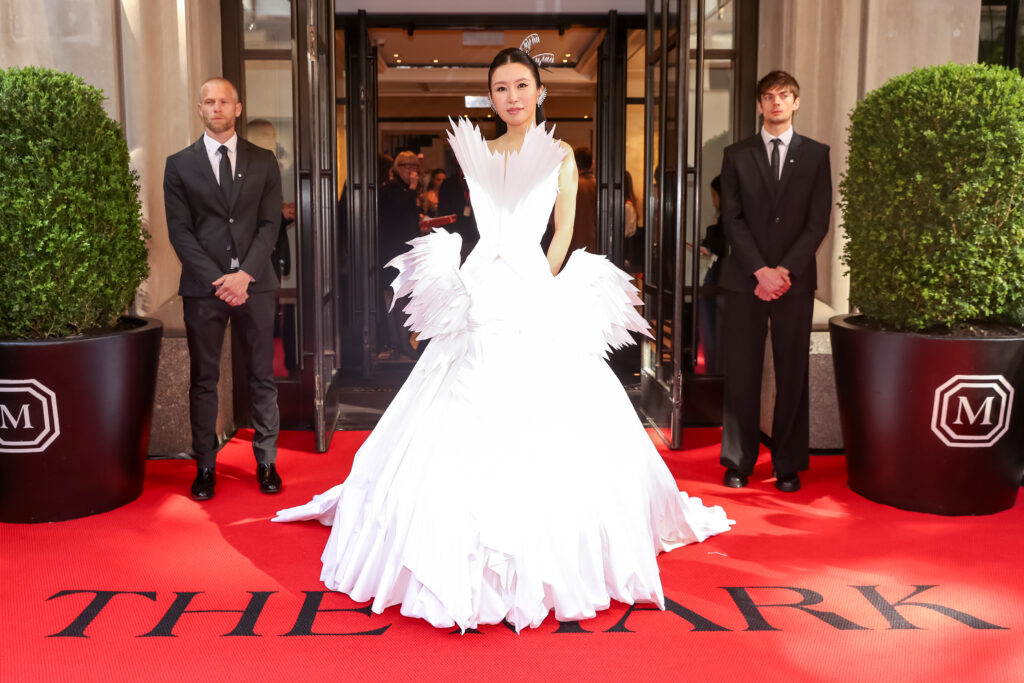
Tech investor, entrepreneur, and discerning collector Yu-Chi Lyra Kuo elevated the concept of "art as a costume" to an unparalleled level with her custom Jean Paul Gaultier creation, designed by herself. Her Met Gala appearance was a bold fusion of architectural design, historical references, and the delicate art of paper folding.
Kuo graced the red carpet in an intricately folded, white corset gown, its sculpted bodice a testament to avant-garde design. The ensemble was further distinguished by dramatic, extended angel wings that appeared to be an integral part of the skirt’s structure, creating a breathtaking silhouette. Her inspiration was multi-faceted, drawing heavily from the precision of origami and the ethereal designs of John Galliano’s Spring Haute Couture collection from 2007, evident in the layered, folded fabrics.
The gown’s winged motif served as a direct homage to the Winged Victory of Samothrace, the majestic 18-foot marble sculpture of the Greek goddess of victory, Nike. Kuo’s angelic and sculptured aesthetic was a profound tribute to classical Greek artworks, with the dress itself walking a fascinating line between the textures of paper, fabric, and feathers. This sophisticated blend of influences showcased a deep appreciation for both historical artistic movements and contemporary design innovation, positioning Kuo as a visionary in her own right.
Alysa Liu: A Symphony of Movement and Cultural Symbolism
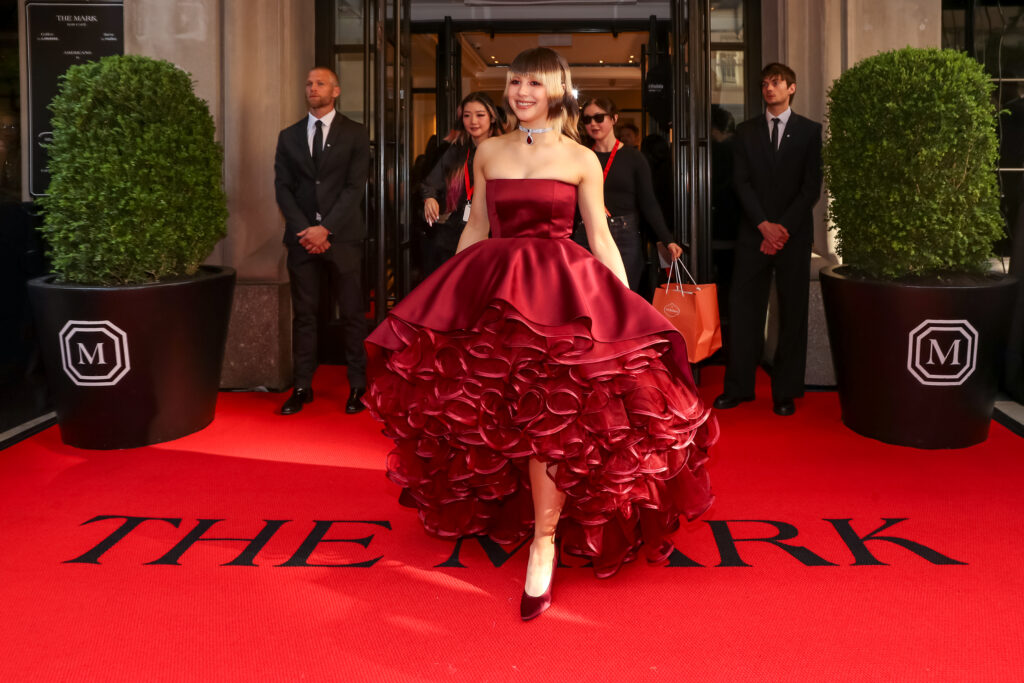
Olympic figure skater Alysa Liu made her Met Gala debut in a custom Louis Vuitton gown, meticulously styled by Katie Qian. Her ensemble was a dynamic interpretation of the "Fashion Is Art" theme, drawing inspiration from the fluid grace of her athletic discipline and the rich symbolism of her Chinese heritage.
The deep red strapless gown, crafted from luxurious satin and tulle, featured a voluminous high-low skirt designed to accentuate Liu’s movement, a subtle yet powerful nod to her performances on the ice. The sculptural ruffles adorning the dress were inspired by the intricacies of the human body in motion, referencing vascularity, cellular structures, and muscle tissue. The texture of carved ice also informed the gown’s design, imbuing it with a sense of frozen elegance.
The striking red hue of the gown carried significant cultural weight, as Liu pointed out its deep-rooted connection to luck and prosperity in Chinese tradition. This layer of meaning added a profound personal dimension to her already captivating look, demonstrating how fashion can serve as a vessel for cultural identity and personal narrative. Liu’s debut was a powerful statement of artistic expression, bridging the worlds of sport, fashion, and cultural heritage.
Manish Malhotra: A Tribute to Artisanal Hands
For his second consecutive appearance at the Met Gala, Indian couturier Manish Malhotra chose to spotlight the unsung heroes of his craft. Wearing a custom creation from his own atelier, Malhotra embraced the "Fashion Is Art" theme by turning the focus onto the artisans whose dedication and skill bring his designs to life.
Malhotra’s ensemble featured a traditional bandhgala jacket layered with an architectural cape, a deeply personal homage to Mumbai, the city that has profoundly shaped his life, career, and creative language. The cape, a masterpiece of artisanal collaboration, was the result of 960 hours of work by 50 artisans across Delhi and Mumbai. It was meticulously embellished with a variety of traditional Indian crafts, including dori work, zardozi, chikankari, and kasab, rendered in elegant white and ivory hues.
However, the most poignant and meaningful detail of the cape was the subtle yet powerful inclusion of the names and signatures of the embroiderers, tailors, pattern makers, and karigars. These embroidered tributes were woven directly into the fabric of the cape, transforming a garment into a living archive of collective talent and dedication. This act of recognition not only celebrated the individual artisans but also underscored the collaborative spirit that is fundamental to the creation of haute couture, solidifying Malhotra’s commitment to honoring the human element in fashion.
EJAE: A Gleaming Embodiment of Korean Elegance and Resilience
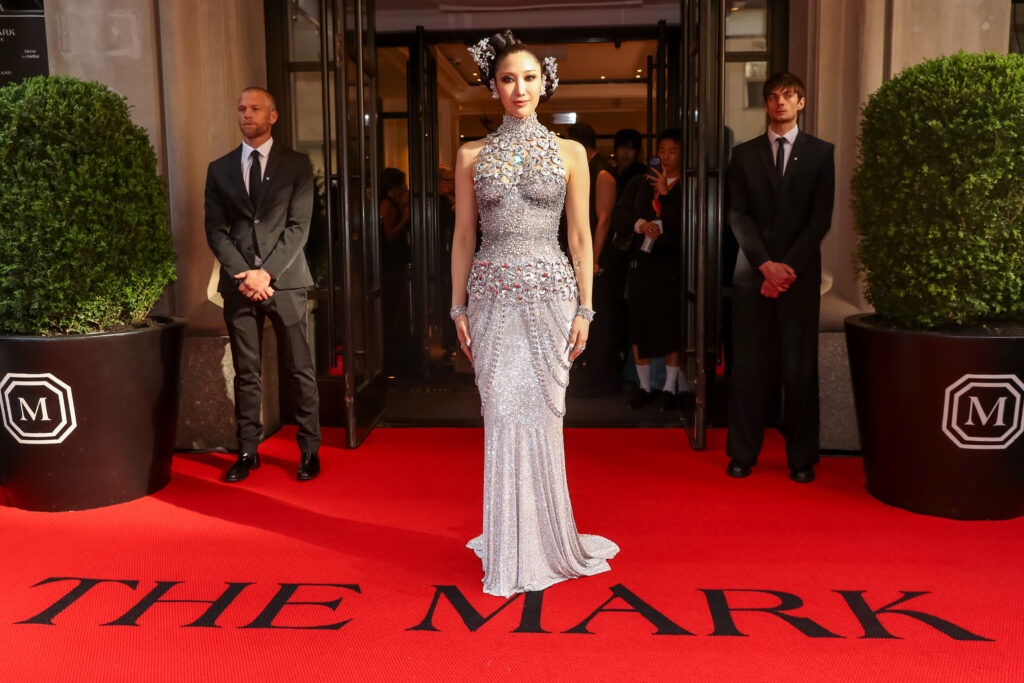
Korean American singer and songwriter EJAE, fresh off the success of her Grammy-winning hit song "Golden," made a dazzling Met Gala debut in a custom Swarovski creation by Jeffrey Jin and Theo Song. Her ensemble was a shimmering testament to Korean artistry and personal narrative, capturing the essence of the "Fashion Is Art" theme.
Dripping in thousands of Swarovski crystals, the silver column dress was a breathtaking spectacle, leaving an indelible impression on the red carpet. EJAE expressed her desire to "represent elements of Korean culture on fashion’s biggest night," a sentiment powerfully conveyed through her entire presentation, particularly her intricate hairstyle.
The elaborate braided updo was adorned with traditional Korean bi-nyeo pins, drawing inspiration from the Joseon-era courtesans known as Gi-nyeo. These historically revered women were celebrated for their mastery of classical arts, including poetry and music. EJAE’s creative directors, Jin and Song, drew inspiration from dual archetypes of feminine strength: the timeless allure of a classical sculpture or Venus, and the refined artistry of the Gi-nyeo. The thousands of crystals cascading from her dress also served as a subtle, yet poignant, nod to the lyrics of her hit song "Golden," evoking the line, "I’ll be shining like I’m born to be." This harmonious blend of cultural homage, personal triumph, and artistic expression made EJAE’s debut a standout moment of the evening.
Ahn Hyo Seop: A Dapper Fusion of Glamour and Precision
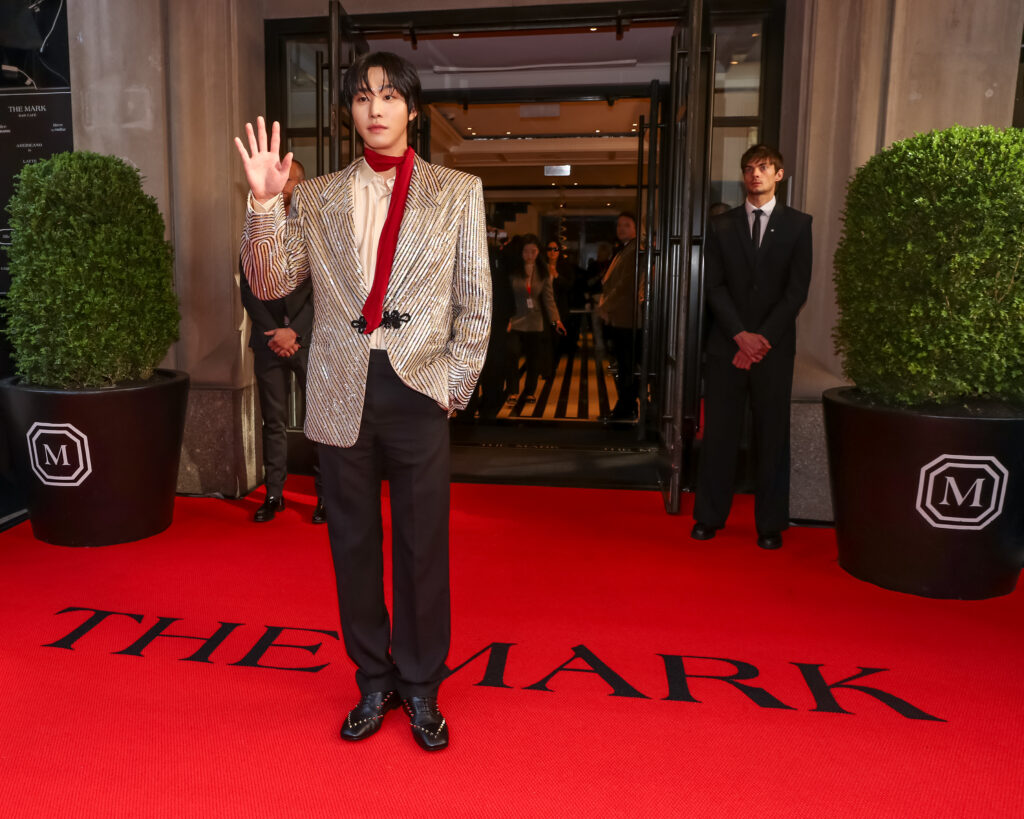
Actor Ahn Hyo Seop made his Met Gala debut in a custom Valentino ensemble, injecting a sharp yet playful edge into the "Fashion Is Art" dress code. The Korean-Canadian star, known for his role in "Kpop Demon Hunters," presented a look that was both visually striking and meticulously detailed, showcasing a modern interpretation of sartorial artistry.
Hyo Seop donned a sequined black-and-gold patterned suit, a sophisticated choice that immediately commanded attention. Layered over a lustrous silk gold shirt, the ensemble exuded a sense of refined opulence. The look was expertly finished with a slim red scarf, adding a subtle pop of color and a dash of daring, and complemented by gold-studded shoes that underscored the outfit’s luxurious appeal. A particularly thoughtful detail was the inclusion of a traditional button closure, a nod to classic tailoring that added a layer of understated elegance. This ensemble demonstrated Hyo Seop’s ability to embody a contemporary aesthetic while respecting the nuances of traditional craftsmanship, making his debut a memorable event.
Isha M. Ambani: A Golden Reverie of Heritage and Craftsmanship
Isha M. Ambani graced the 2026 Met Gala in a breathtaking Gaurav Gupta Couture creation, marking her first time wearing the acclaimed designer. Styled by Anaita Shroff Adajania, her ensemble was a luminous ode to Indian heritage, meticulously crafted by master artisans and enriched with generations of family legacy.
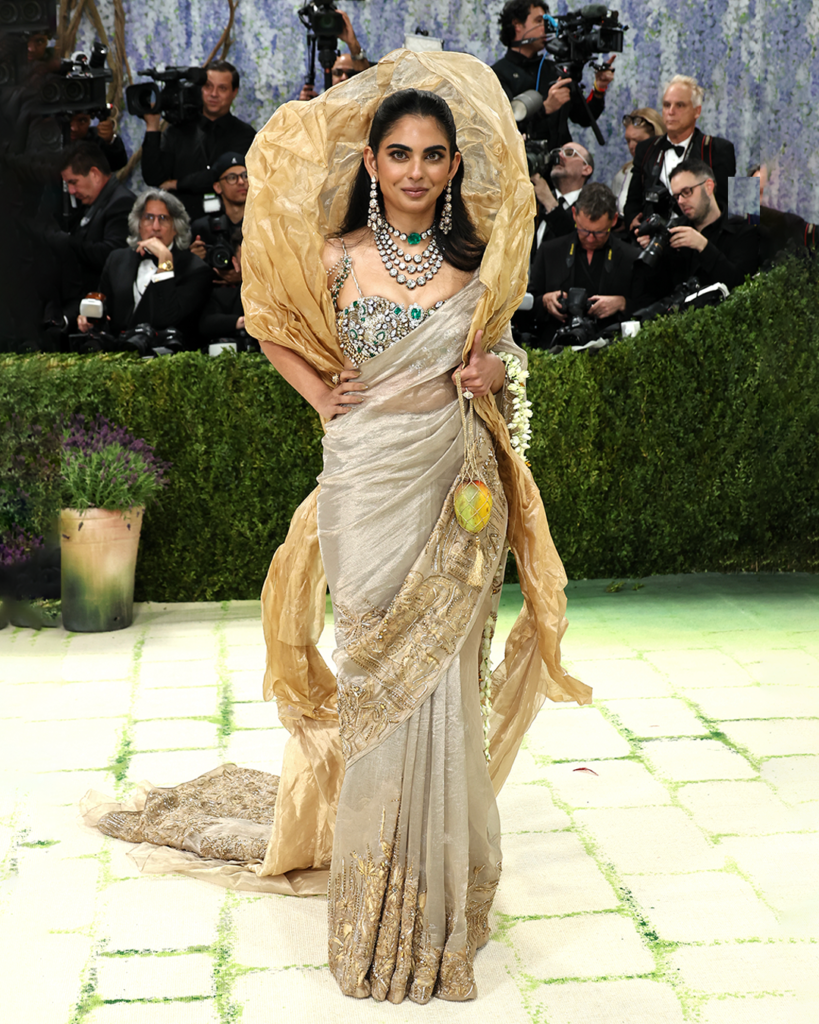
The centerpiece of Ambani’s look was a magnificent gold-woven tissue saree, a product of the Swadesh collective, renowned for its commitment to preserving traditional Indian textile arts. The saree was draped in its classic, elegant form, a testament to the timeless beauty of this iconic garment. This was paired with an extraordinary jewelry-integrated blouse, a marvel of intricate design and precious adornment. Featuring over 1,000 diamonds and precious stones, the blouse incorporated heirloom old mine diamonds, rare emeralds, and polki and kundan elements drawn from her mother Nita Ambani’s personal collection. A historic Mughal-era sarpech, a regal turban ornament, further elevated the ensemble’s grandeur.
The collaborative effort behind this ensemble was immense, with over 50 artisans contributing more than 1,200 hours of dedicated craftsmanship. The saree’s border was a visual narrative, referencing the ancient Ajanta cave murals through exquisite hand-painted and embroidered motifs. To complete the look, Ambani wore a sculptural Gaurav Gupta cape, adding a dramatic and contemporary flourish. Designer Gaurav Gupta eloquently captured the essence of Ambani’s presence, stating, "Isha embodies a modern Indian identity with a natural confidence, which made her the perfect person to carry this narrative on a global stage." This sentiment highlighted how Ambani’s choice not only celebrated her personal style but also served as a powerful global statement of Indian heritage and contemporary elegance.
Laufey: A Cello-Inspired Sonata in Pearls and Sequins
Chinese-Icelandic GRAMMY Award-winning singer Laufey returned to the Met Gala, this time in a captivating creation by Tory Burch. Her ensemble was a sophisticated nod to her classical music background, drawing inspiration from the elegant form and resonant beauty of the cello.
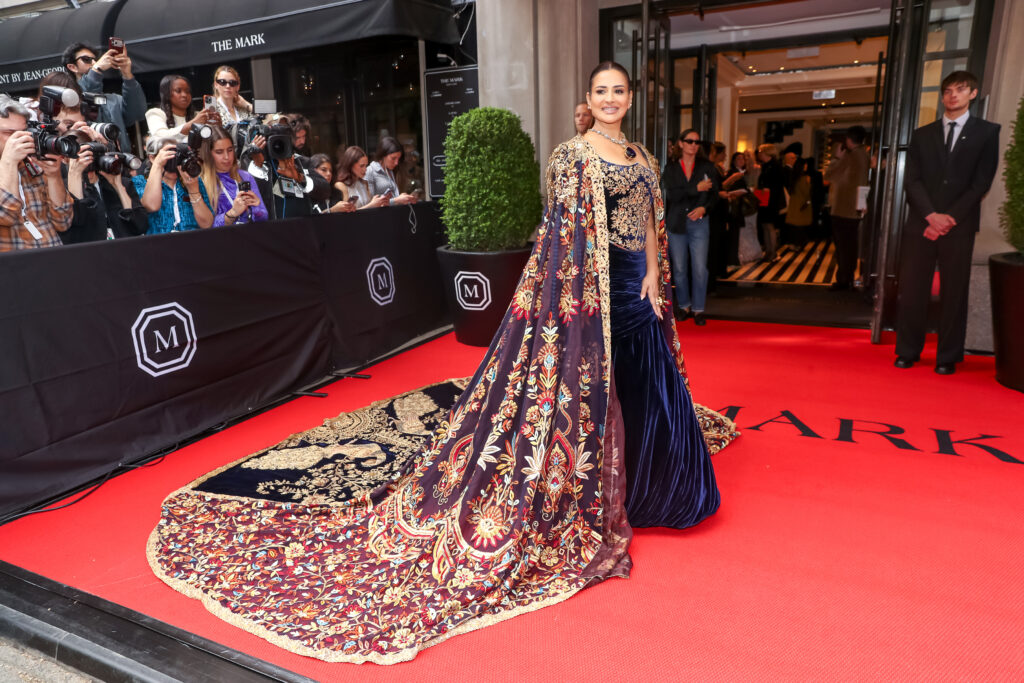
Laufey wore a pearl-toned column gown, exquisitely embellished with sparkling sequins that shimmered under the gala’s lights. The gown was paired with a matching capelet and a chic pouch purse, creating a cohesive and refined silhouette. Crafted in Burch’s atelier, the gown featured delicate glass beads and intricate floral-shaped sequins, adding textural depth and visual interest. Hand-sculpted boning was expertly integrated into the design, providing structure and shaping the gown’s graceful silhouette. Laufey’s choice to translate the melodic lines and polished curves of a cello into a wearable work of art demonstrated a profound connection between music and fashion, embodying the "Fashion Is Art" theme with harmonious grace.
Sudha Reddy: A "Living Archive" of Indian Tradition
Businesswoman and philanthropist Sudha Reddy made a significant statement at the Met Gala in a custom Manish Malhotra creation, rooted in the profound symbolism of the "Tree of Life" and the sacred jammi chettu tree. Her ensemble was a vibrant tapestry of South Indian artistic traditions, specifically drawing from Kalamkari, a revered block-printing technique applied to silks and cottons.
The intricate motifs woven into Reddy’s attire included the palapitta, or Indian roller bird, symbolizing auspiciousness, alongside celestial representations of the sun and moon, and the distinctive architectural elements of Hyderabad. On Instagram, Reddy aptly described her look as "a living archive," a phrase that encapsulates the immense labor and generational knowledge embedded within the garment. The creation involved thousands of hours of meticulous work by countless skilled hands, representing generations of accumulated wisdom and artistic practice. This profound connection to heritage and the dedication of the artisans involved transformed Reddy’s ensemble into a powerful narrative of cultural preservation and artistic legacy.
Chase Sui Wonders: A Lilac Dream Inspired by Antiquity
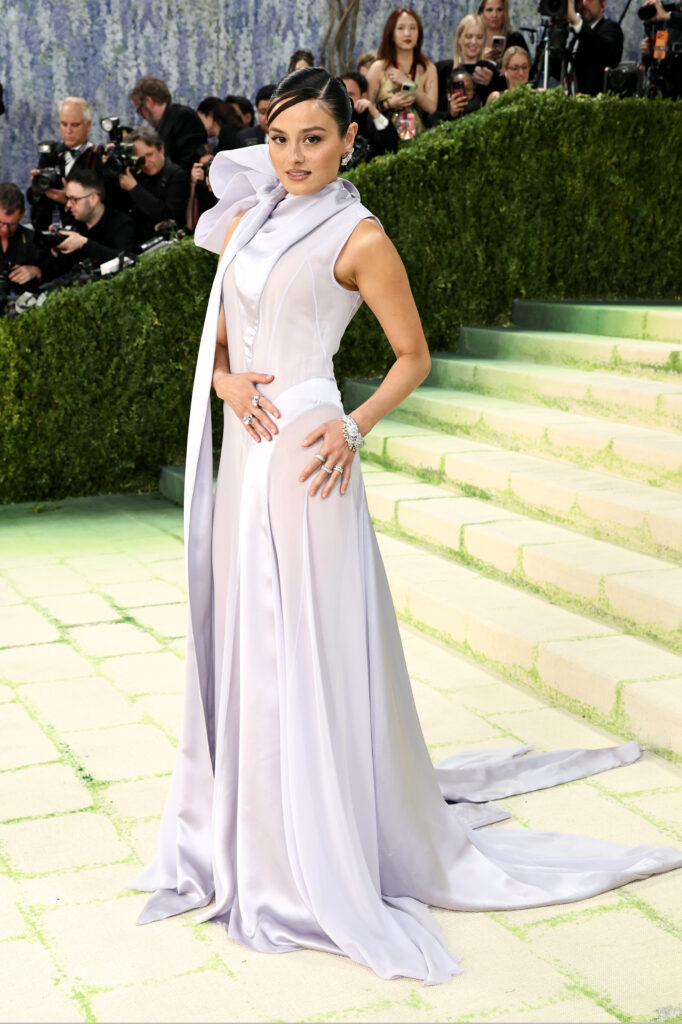
Chase Sui Wonders graced the Met Gala carpet in a ethereal lilac gown from the McQueen Autumn/Winter 2026 collection, designed by Sarah Burton. The actress, a member of the Met Gala 2026 host committee, presented a look that was both modern and steeped in historical reverence, embodying the "Fashion Is Art" theme with a delicate yet dramatic flair.
The gown, crafted from a sheer silk georgette and satin, featured an oversized, artfully sculpted bow draped over one shoulder, adding a soft yet bold sculptural detail. Wonders paired this diaphanous creation with matching lilac satin Koko sandals, creating a harmonious and visually striking ensemble. Her accessories were equally significant: Tiffany & Co. jewelry, including earrings, bracelets, and rings totaling an impressive 32 carats, added a layer of exquisite sparkle. The styling, overseen by Thomas Carter Phillips, drew direct inspiration from ancient Roman art, infusing the modern design with a sense of timeless grandeur. Phillips shared that the look was designed to evoke the beauty and artistry of ancient Rome, a sentiment echoed by Wonders herself, who highlighted the gown’s inspiration from classical forms. This thoughtful curation of historical references and contemporary design positioned Wonders’ ensemble as a standout piece that resonated with the gala’s artistic mandate.
Hudson Williams: A Dramatic Dichotomy of Transformation
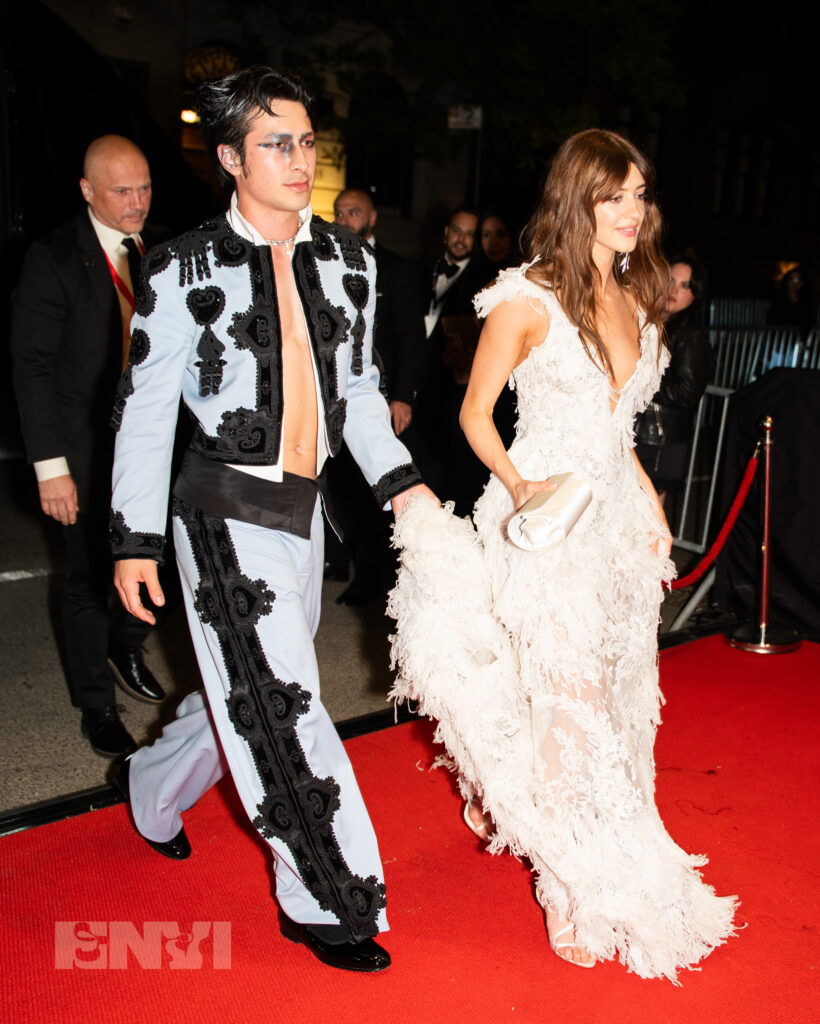
Hudson Williams, emerging as one of the night’s breakout stars following the viral success of his role in "Heated Rivalry," made a highly anticipated Met Gala debut with a look steeped in cinematic drama and artistic duality. His ensemble was a powerful exploration of transformation, drawing inspiration from iconic figures and artistic movements.
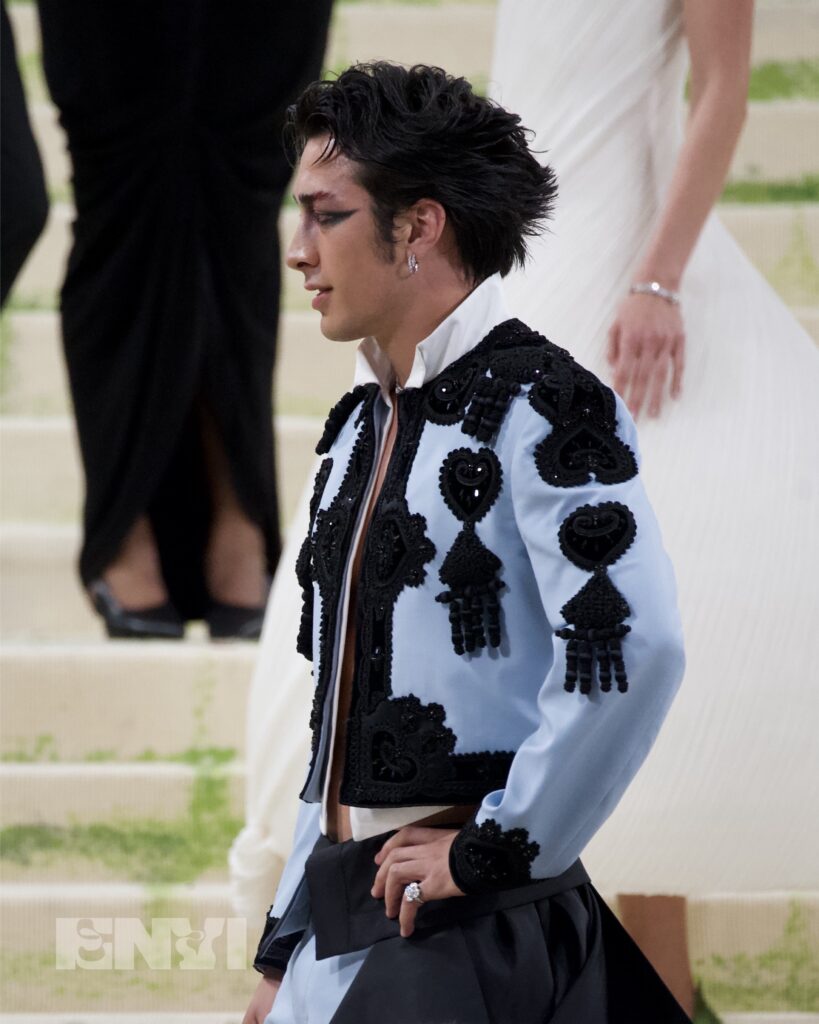
Williams donned an archival Balenciaga piece, reimagined and modernized by designer Pierpaolo Piccioli. The original design, a 1947 Matador bolero, was a bold statement of Spanish flair and theatricality. Williams’ interpretation was detailed with intricate cord and glass bead embroidery, culminating in a sweeping, long black train that added significant gravitas to his entrance. The styling, expertly handled by Anastasia Walker, was anchored by a stunning BVLGARI necklace featuring pear and marquise diamonds, further enhancing the ensemble’s luxurious and dramatic appeal. Walker expressed her vision, stating her desire to pay homage to Balenciaga and the piece’s inherent connection to the dramatic artistry of matadors, "loved how this piece could be reimaged into a modern adaptation on Hudson."
The beauty concept, curated by Aika Flores, delved into the contrasting worlds of swans, drawing inspiration from the psychological thriller "Black Swan" (2010). This duality was vividly expressed through Williams’ eye makeup: a striking contrast of thick black winged eyeliner on one side, met with a vibrant blue metallic shadow on the other, which seamlessly blended towards his brows. On the red carpet, Williams explained the profound meaning behind his look: it was designed around the theme of transformation and duality, symbolizing the journey of the "white swan transforming into the black swan." This narrative approach to his styling elevated his Met Gala appearance into a compelling artistic statement.
NINGNING: A Gucci Vision of Sculptural Elegance
NINGNING of the globally acclaimed K-pop group aespa made a highly anticipated Met Gala debut, appearing as Gucci’s newest global brand ambassador. Her custom Gucci gown, designed by Demna, was a breathtaking testament to sculptural artistry and modern elegance, perfectly aligning with the "Fashion Is Art" theme.
The intricate black gown featured layers of swirled, sculpted fabric that cascaded and coiled, creating a dynamic and visually captivating silhouette. The edges of these fabric waves were subtly adorned with small gems, adding a delicate sparkle that caught the light. NINGNING complemented the gown’s avant-garde design with striking Bvlgari Serpenti Viper earrings, their sinuous form echoing the sculptural lines of her dress. Her hair was artfully styled into a unique updo, with a distinct swirl that harmonized with the cascading fabric of her gown. As she moved, the gown’s high slit revealed her legs, accentuated by a pair of sleek black pumps. NINGNING completed her sharp and sophisticated look with black stiletto nails and precisely applied cat-eye makeup, adding an edge of modern glamour. Her ensemble was a powerful fusion of high fashion, cultural influence, and individual style, marking a significant moment in her burgeoning global career.
The 2026 Met Gala, under the banner of "Fashion Is Art," proved to be a powerful platform for API stars to showcase not only their personal style but also their deep connection to cultural heritage, artistic influences, and the meticulous craft of fashion design. Each ensemble told a unique story, weaving together threads of identity, history, and contemporary vision, solidifying the event’s status as a pinnacle of artistic expression in the cultural calendar.

