 By Dwi Wanna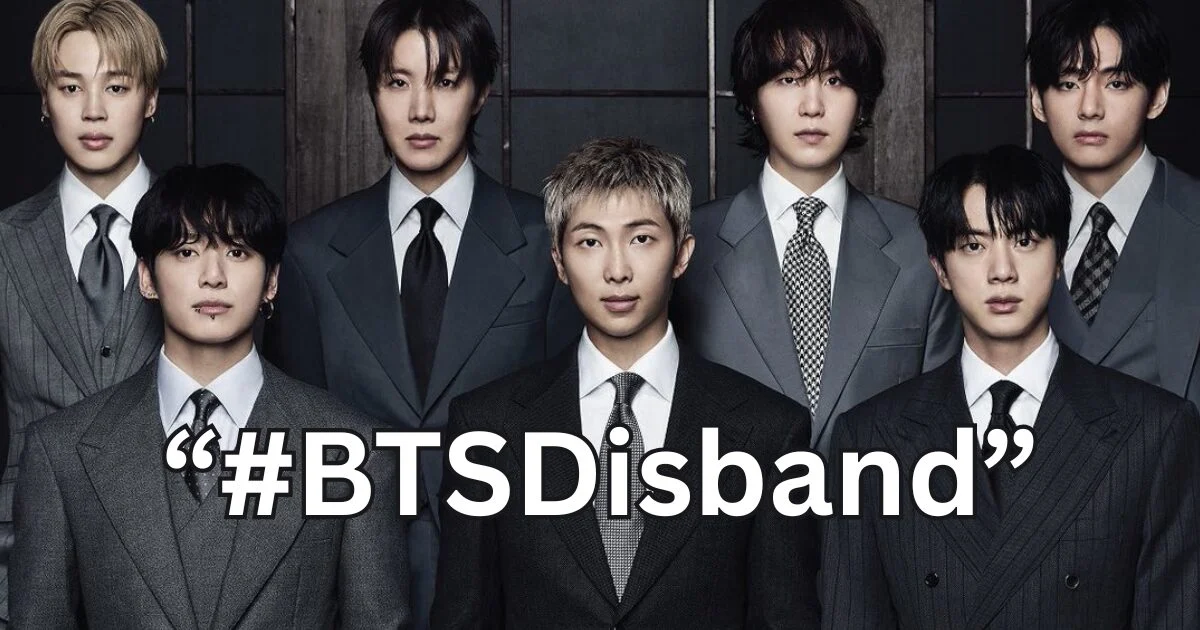
A recent viral TikTok video has ignited a significantly heated debate across social media platforms, drawing mixed reactions from global netizens concerning serious accusations of plagiarism leveled against the internationally renowned K-pop group, BTS. The video, which surfaced and gained massive traction, specifically points to alleged similarities between several of BTS’s hit tracks and older Western compositions, prompting widespread discussion on musical originality, artistic influence, and the complex nature of intellectual property in the modern music industry.
The Genesis of the Controversy: A Viral TikTok and Its Allegations
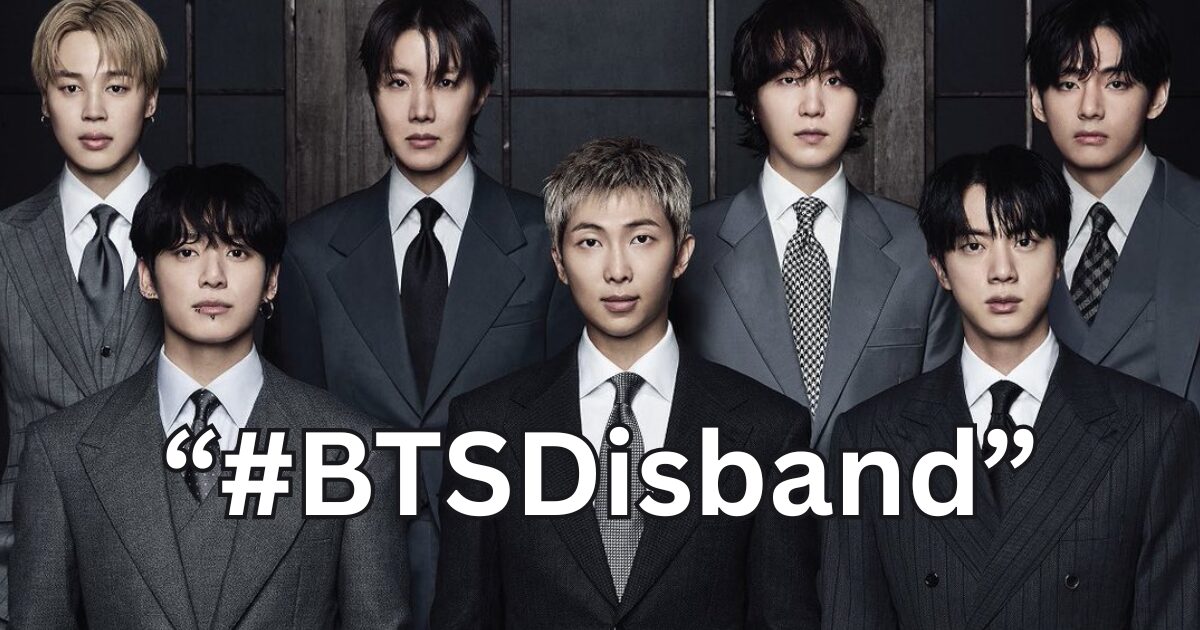
The catalyst for this extensive online discussion is a TikTok video posted by a user under the handle @srajnk. The video, tagged with contentious hashtags such as #BTSdisband, #rmflop, #mogged, #plagiarism, and #copy, purports to offer visual and auditory comparisons highlighting instances where BTS’s songs allegedly "copy" or draw heavily from existing Western music. While the original poster stated the video was created five months prior, it has recently resurfaced and achieved viral status, triggering a fresh wave of scrutiny and debate.
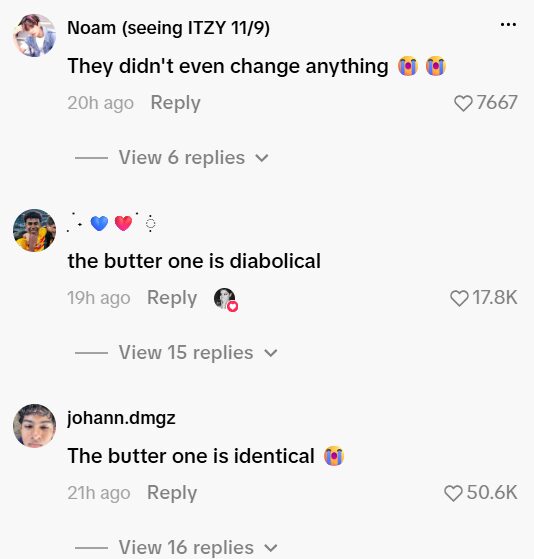
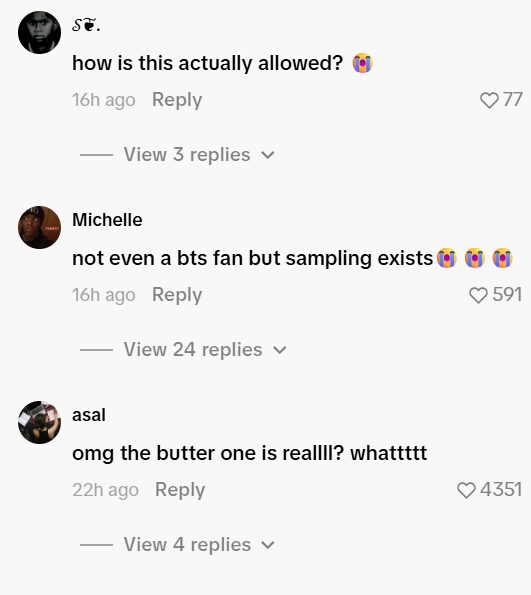
The TikTok specifically cites several prominent BTS tracks, including "IDOL," "No More Dream," and "Butter," juxtaposing them with older songs to illustrate perceived similarities. Among the most highlighted comparisons is that between BTS’s chart-topping 2021 single, "Butter," and artist Luca’s song "you got me down." The video presents side-by-side clips, allowing viewers to directly compare musical phrases, melodic structures, or rhythmic patterns, leaving the interpretation of "copycat" behavior to the audience. This particular comparison has resonated strongly with many viewers, leading to exclamations of shock and accusations of "blatant plagiarism" in the comments section.
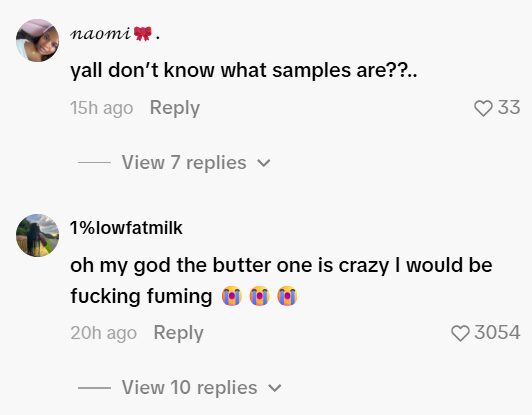
Conversely, a significant portion of netizens and fans have quickly mobilized to defend BTS, arguing that the alleged similarities fall within the acceptable boundaries of musical influence, homage, or common industry practices such as sampling and interpolation. These defenders emphasize that such techniques are widely employed across various music genres globally and are often legally licensed or recognized as distinct forms of artistic creation rather than outright plagiarism. The digital battleground in the comments sections of the viral TikTok and other social media platforms underscores the deep divisions and strong sentiments surrounding the issue.
Navigating the Nuances: Plagiarism, Sampling, and Musical Influence
To understand the core of this debate, it is crucial to differentiate between plagiarism, sampling, and interpolation, and to acknowledge the broader concept of musical influence. Plagiarism in music typically refers to the unauthorized use or close imitation of copyrighted material (melody, lyrics, arrangement, etc.) from another artist’s work without proper attribution or permission, presenting it as one’s own original creation. Legal definitions often hinge on whether a "substantial similarity" exists and if the infringing party had "access" to the original work.
Sampling, on the other hand, involves taking a portion (a "sample") of one sound recording and reusing it in a different song or piece of music. This practice is pervasive across genres, particularly in hip-hop, electronic music, and pop. Legitimate sampling requires obtaining licenses from both the owner of the sound recording (usually the record label) and the owner of the underlying musical composition (the songwriter/publisher). Without these licenses, sampling can indeed constitute copyright infringement.

Interpolation (or re-play) is a related practice where a new recording is made of a melody or musical phrase from a previously recorded song. Instead of directly using the original sound recording, musicians re-perform the part. Similar to sampling, interpolation usually requires permission from the copyright holder of the original musical composition, but not necessarily from the sound recording owner, as a new recording is made.
Musical influence, distinct from both, is the natural process where artists draw inspiration from existing works, genres, or cultural trends. It’s a fundamental aspect of artistic evolution, where new creations build upon or respond to what came before. This can manifest in similar chord progressions, genre conventions, lyrical themes, or even general stylistic elements that are too broad to be copyrighted. The line between inspiration and infringement can be subjective and legally complex, often requiring expert musical analysis and, in some cases, court rulings.
The current debate surrounding BTS’s music often blurs these distinctions. Critics point to what they perceive as direct appropriation without proper credit or permission, while defenders argue that the similarities are either coincidental, fall under general musical tropes, or are instances of legally cleared sampling/interpolation that may not always be explicitly detailed in public-facing credits.
BTS’s Global Stature and the Weight of Accusations
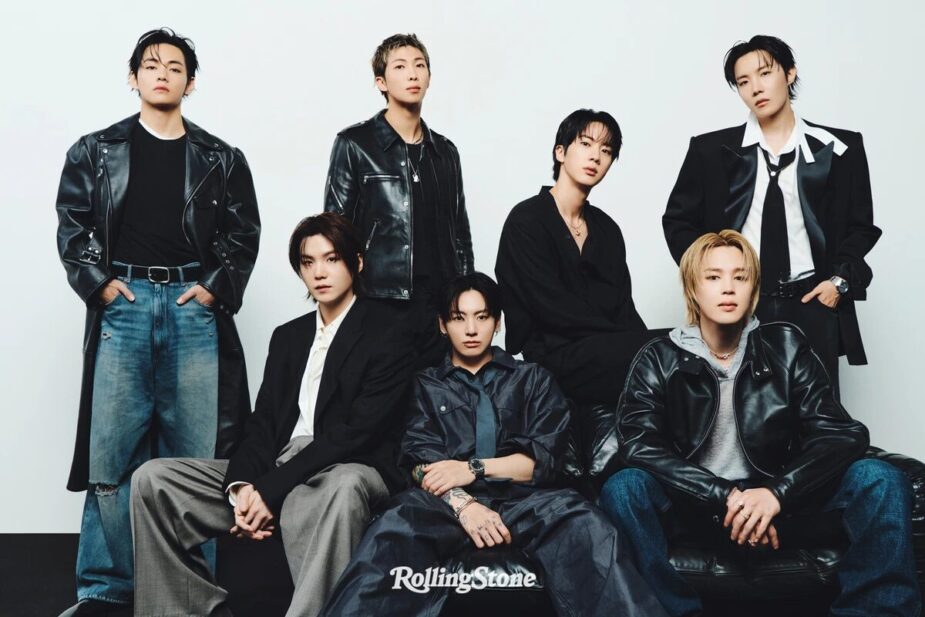
BTS, managed by Big Hit Music (a subsidiary of HYBE Corporation), has transcended the boundaries of K-pop to become a global cultural phenomenon. Since their debut in 2013, the septet has achieved unprecedented success, breaking numerous sales records, topping charts worldwide, performing at prestigious international venues, and even addressing the United Nations. Their influence extends beyond music, impacting fashion, youth culture, and even international relations. Their songs, often characterized by introspective lyrics, powerful messages, and diverse musical styles, have garnered them a massive and incredibly dedicated fanbase known as ARMY.
Given their immense global profile, any accusation, particularly one as serious as plagiarism, instantly garners widespread attention and intense scrutiny. The stakes are incredibly high, as such claims can potentially impact their artistic reputation, commercial viability, and the trust of their fanbase. This is not the first time a globally recognized artist has faced such allegations; previous high-profile cases like the "Blurred Lines" lawsuit involving Robin Thicke and Pharrell Williams, or the numerous claims against pop icons, illustrate the profound legal and public relations challenges that can arise. For BTS, whose image is meticulously crafted and whose success is often attributed to their authenticity and message, these accusations carry significant weight within both the K-pop industry and the broader international music landscape.
Industry Perspectives and Potential Responses
In the absence of an official statement from Big Hit Music or HYBE Corporation regarding the specific TikTok allegations, one can infer potential industry responses based on standard practices. When confronted with claims of musical plagiarism or copyright infringement, major entertainment agencies typically have several courses of action:
- Silence/Monitoring: The agency might choose to monitor the situation, allowing the online debate to run its course, especially if they deem the accusations to be unfounded, minor, or part of a recurring pattern of online criticism that will eventually dissipate.
- Clarification of Credits: If sampling or interpolation was indeed used and legally cleared, the agency could issue a statement clarifying the production credits, detailing any licensed elements and acknowledging original artists. This would shift the narrative from "plagiarism" to "legitimate artistic practice."
- Denial/Legal Action: If the accusations are deemed entirely baseless and damaging, the agency might issue a strong denial and, in severe cases, pursue legal action against the accuser for defamation or false claims, particularly if the content is demonstrably misleading.
- Internal Review: Internally, the agency would likely conduct a thorough review of the production process for the implicated songs, verifying all songwriting and composition credits, and cross-referencing against any potential source material.
The K-pop industry, known for its intricate production processes involving multiple composers, lyricists, and producers, often faces challenges in transparently communicating all creative inputs. While official credits usually list primary songwriters and producers, the subtle influences or background samples might not always be immediately apparent to the public. The debate highlights a need for greater transparency in crediting, especially as K-pop continues its global expansion and interacts with diverse musical traditions.
The Role of Social Media and Fan Culture
Social media platforms, particularly TikTok, Twitter, and YouTube, play an undeniable role in amplifying such controversies. The rapid dissemination of content, coupled with the immediate and often emotionally charged reactions from users, can quickly turn a single video into a global incident. Hashtags become rallying cries, uniting both accusers and defenders, and polarizing the online discourse.
BTS’s fanbase, ARMY, is renowned for its immense organizational power, dedication, and swift response to any perceived threat or criticism against the group. This loyalty, while a cornerstone of BTS’s success, also contributes to the intensity of online debates. When accusations like plagiarism surface, ARMY often mobilizes to debunk claims, provide counter-evidence, educate others on musical terminology, and report content deemed malicious. This dynamic can lead to overwhelming social media trends, making it difficult for neutral observers to discern facts from fervent defense or attack. The sheer volume of engagement from millions of fans can elevate an issue that might otherwise remain confined to niche discussions.
Broader Implications for K-Pop and Global Music
This viral TikTok and the ensuing debate carry broader implications for the K-pop industry and global music at large. As K-pop artists gain more international recognition and collaborate with producers and writers from diverse musical backgrounds, the question of originality and influence becomes increasingly pertinent. The genre itself is a fusion, drawing elements from hip-hop, R&B, EDM, rock, and traditional Korean music. This eclectic nature inherently means that musical ideas and stylistic choices will often bear resemblances to other works.
The controversy serves as a reminder of the heightened scrutiny placed on successful artists. With global reach comes global responsibility, not just in terms of artistic output but also in ensuring ethical and legal compliance with intellectual property laws. It also prompts a discussion on how listeners perceive "originality" in an era where musical references, remixes, and reinterpretations are common.
For the K-pop industry, such incidents reinforce the importance of robust legal teams, clear contractual agreements with all creative contributors, and transparent communication strategies. Proactive measures, such as clearly crediting all sources of inspiration or licensed elements, could help mitigate future controversies and foster a more informed public discourse about music creation.
Conclusion: An Unresolved Online Debate
As of now, the debate sparked by the viral TikTok remains heated and largely unresolved in the public sphere. Netizens continue to grapple with the presented evidence, forming opinions based on their understanding of music, copyright law, and their allegiance to or critical stance towards BTS. The core tension lies between those who interpret the similarities as blatant plagiarism and those who view them as acceptable instances of sampling, interpolation, or shared musical language.
Without official clarification from BTS’s agency or definitive legal pronouncements, the discourse will likely persist, fueled by social media engagement and the passionate arguments of fans and critics alike. This incident underscores the complexities of intellectual property in the digital age, the powerful role of social media in shaping public opinion, and the constant challenges faced by global superstars in maintaining their artistic integrity amidst intense public scrutiny. The outcome of such online debates, while rarely resulting in formal legal action based solely on viral content, inevitably contributes to the ongoing narrative surrounding an artist’s legacy and their place in music history.

