Main Facts: A Landmark Return to the Silver Screen
South Korean actress Jun Ji Hyun (internationally known as Gianna Jun) has officially marked her return to the domestic film industry after an eleven-year hiatus. The actress is set to star in the highly anticipated sci-fi thriller Colony, directed by Yeon Sang Ho, the visionary filmmaker behind the globally acclaimed zombie blockbuster Train to Busan (2016) and its sequel Peninsula (2020).
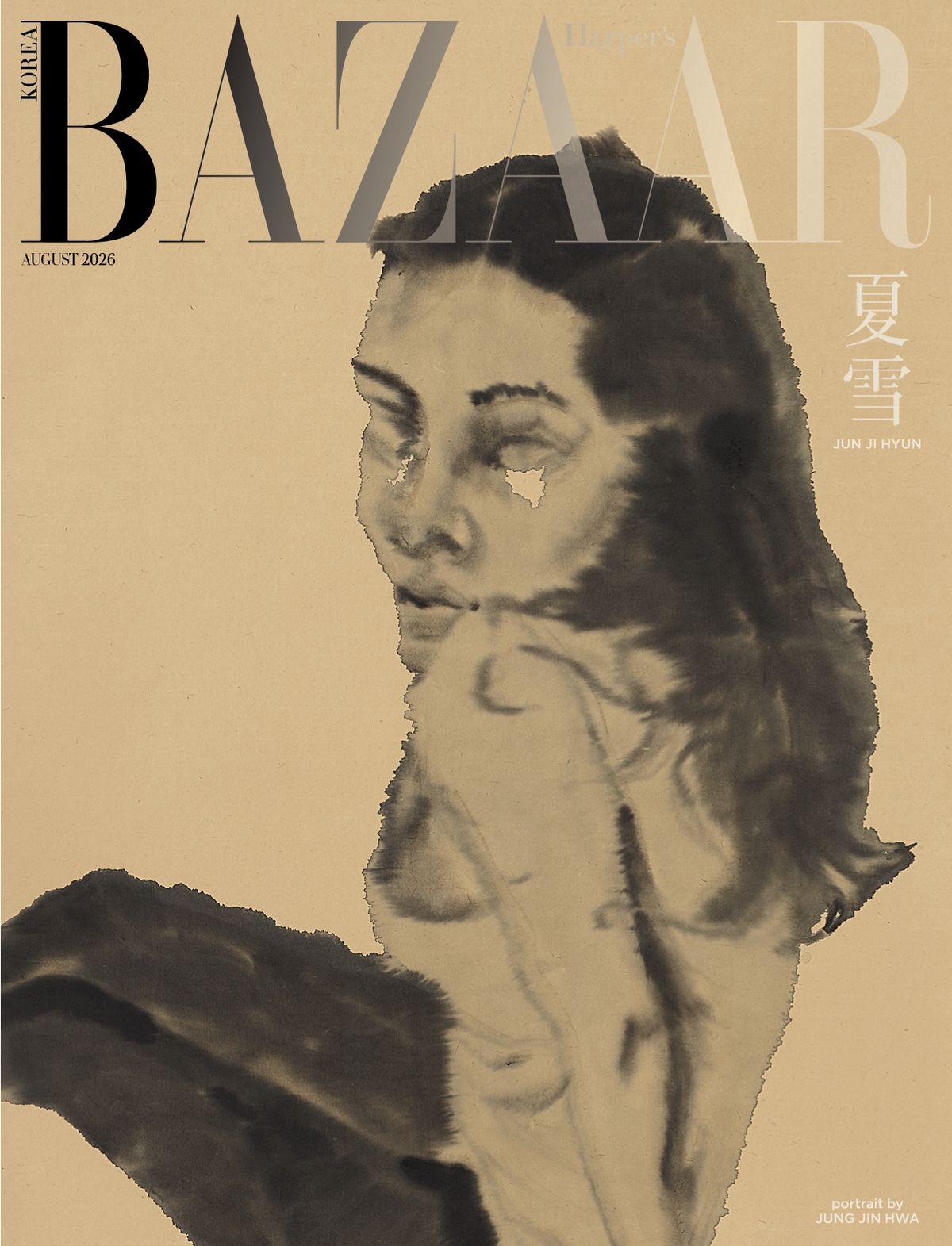
To commemorate this career milestone, Jun partnered with Harper’s BAZAAR Korea for an exclusive pictorial and in-depth interview featured in the magazine’s August issue. The feature showcases Jun’s enduring status as a fashion icon while offering a rare, introspective look into her acting philosophy, her approach to character development, and her strategies for maintaining mental well-being in an industry known for its intense pressures.
+-------------------------------------------------------------------------+
|                           PROJECT OVERVIEW                              |
+---------------------+---------------------------------------------------+
| Film Title          | Colony                                            |
| Director            | Yeon Sang Ho (Train to Busan, Peninsula)          |
| Lead Actress        | Jun Ji Hyun (as Professor Kwon Se Jung)           |
| Character Profile   | Biotechnologist, leader of blockaded survivors    |
| Narrative Focus     | Survival, viral mutation, isolation, human terror |
| Key Media Feature   | Harper’s BAZAAR Korea (August Issue Cover/Feature)|
+---------------------+---------------------------------------------------+
In Colony, Jun portrays Professor Kwon Se Jung, a brilliant biotechnologist who thrusts herself into a leadership role when a group of survivors becomes trapped inside a blockaded building. The narrative centers on the psychological and physical horrors that unfold as an unidentified virus spreads through the structure, causing those infected to mutate into highly unpredictable and dangerous forms.
During her interview, Jun discussed how she balanced the heroic expectations of her character with raw, human vulnerability. She also shared her perspective on the collaborative nature of filmmaking, defining "professionalism" not just by performance quality, but by how an actor manages their personal recovery and boundaries once production concludes.
Chronology: Tracing the Path Back to Cinema (2001–Present)
Jun Ji Hyun’s return to cinema is one of the most significant domestic entertainment events of the decade. To understand the weight of her eleven-year absence from the big screen, it is necessary to examine her career trajectory and her strategic shift toward high-concept television and streaming.
                      JUN JI HYUN'S CAREER TIMELINE

  2001 ───────────────────────────────────────────────────► My Sassy Girl
                                                            (Hallyu Breakthrough)

  2012–2015 ──────────────────────────────────────────────► The Thieves & Assassination
                                                            (Box Office Milestones)

  2013–2016 ──────────────────────────────────────────────► My Love from the Star
                                                            (Television Dominance)

  2021 ───────────────────────────────────────────────────► Kingdom: Ashin of the North
                                                            (Streaming & Genre Pivot)

  Present ────────────────────────────────────────────────► Colony
                                                            (Return to Feature Film)
The Era of Box Office Dominance (2001–2015)
Jun solidified her status as a pioneer of the Korean Wave (Hallyu) with her legendary performance in the romantic comedy My Sassy Girl (2001). Over the next decade, she transitioned into high-stakes action and dramatic roles. This transition culminated in two massive box office successes: Choi Dong-hoon’s heist film The Thieves (2012) and the historical espionage thriller Assassination (2015). Both films surpassed 12 million admissions in South Korea, cementing Jun as one of the most bankable female leads in the history of Korean cinema.
The Television and Streaming Pivot (2013–2021)
Following the release of Assassination in 2015, Jun stepped away from traditional feature films but remained highly visible on television. She starred in the global cultural phenomenon My Love from the Star (2013–2014) alongside Kim Soo Hyun, followed by the fantasy romance Legend of the Blue Sea (2016) with Lee Min Ho.
In 2021, she expanded into global streaming services, starring in Netflix’s special episode Kingdom: Ashin of the North—a prequel to the hit historical zombie series—and the tvN mystery drama Jirisan. While these projects featured cinematic production values, they were distributed via television and streaming platforms, leaving a notable void in her theatrical filmography.
The Return to Theaters: Colony
The announcement of Colony marks the end of Jun’s eleven-year theatrical hiatus. Her decision to collaborate with director Yeon Sang Ho represents a deliberate step into the dark, high-concept survival thriller genre. This move aligns her with a director celebrated for his ability to merge commercial spectacle with sharp social commentary.
Supporting Data: The Creative Architecture of Colony
The anticipation surrounding Colony is driven by its high-profile creative pairing. Director Yeon Sang Ho has established a distinct sub-genre of Korean disaster cinema, characterized by claustrophobic environments, rapid viral evolution, and characters pushed to their moral limits.
Yeon Sang Ho’s Directorial Blueprint
Yeon’s cinematic universe relies heavily on isolating human communities to expose societal fractures. In Train to Busan, the setting was a speeding KTX train; in Colony, the terror is confined to a single blockaded building. This structural choice intensifies the narrative tension and allows for a deep exploration of human psychology under duress.
Unlike traditional zombie films, the virus in Colony causes unpredictable mutations. This element introduces a layer of biological horror that requires a sophisticated scientific counterweight—a role filled by Jun’s character, Professor Kwon Se Jung.
+--------------------------------------------------------------------------+
|                 YEON SANG HO'S CLUSTERING OF ISOLATION                   |
+---------------------+----------------------------------------------------+
| Film / Series       | Containment Method & Societal Microcosm            |
+---------------------+----------------------------------------------------+
| Train to Busan      | Moving train cars; exposes class divide & egoism   |
| Peninsula           | Ruined, quarantined peninsula; explores lawlessness|
| Colony              | Blockaded building; examines survivalist morality  |
+---------------------+----------------------------------------------------+
Character Analysis: Demystifying the "Righteous Leader"
In her interview, Jun emphasized her desire to avoid playing a one-dimensional hero. While Kwon Se Jung possesses the intellectual and moral authority to guide the survivors, Jun was determined to ground the character in realistic human vulnerability.
The Facade of Strength: On the surface, Kwon is an authoritative biotechnologist capable of making logical decisions under extreme pressure.
The Reality of Fear: Because the situation is unprecedented, Jun wanted Kwon’s internal terror to be visible to the audience.
Emotional Layering: Rather than portraying a fearless leader, Jun focused on the emotional progression of an ordinary person experiencing a crisis, capturing a spectrum of emotions that includes surprise, confusion, and terror.
Official Responses: Jun Ji Hyun on Professionalism and Mental Health
In her conversation with Harper’s BAZAAR Korea, Jun spoke candidly about the internal mechanics of her craft, her behavior on set, and her methods for maintaining long-term psychological stability.
+--------------------------------------------------------------------------+
|                  JUN JI HYUN'S PHILOSOPHY OF WORK                        |
+-------------------+------------------------------------------------------+
| Dimension         | Core Practice                                        |
+-------------------+------------------------------------------------------+
| Set Environment   | Collective engagement, active communication, humor   |
| Professionalism   | Post-production recovery and dedicated self-care     |
| Mental Resilience | Facing difficult emotions honestly; letting go       |
+-------------------+------------------------------------------------------+
On Demystifying the Set Atmosphere
Jun rejected the idea that a lead actor is solely responsible for the mood on a film set. Instead, she advocated for a shared, democratic approach to production energy:
"I don’t think a positive atmosphere on set can be created by just one person’s efforts. It’s only when everyone involved brings positive energy that the overall mood truly brightens. To help create that atmosphere, I stay fully engaged on every project and spend a lot of time communicating, laughing, and connecting with the director, staff, and fellow actors."
Redefining Professionalism through Self-Care
For Jun, the definition of professionalism extends beyond the camera’s roll. She argues that an actor’s responsibility includes their post-production recovery, ensuring they do not carry the emotional weight of their characters into their personal lives:
"Knowing how to take time to care for myself after filming wraps is what I consider ‘professionalism.’"
On the Cognitive Discipline of "Letting Go"
When asked how she developed her ability to move past difficult experiences and avoid the emotional burnout common in high-profile acting, Jun attributed her resilience to lived experience and deliberate self-reflection:
"It came naturally as I experienced countless situations, met various people, and faced unexpected circumstances while working and going about my daily life. Even when I become exhausted from living such a busy life, I think I’ve become someone who knows not to get consumed by those emotions."
She concluded with a reflection on how she maintains her mental health:
"I try not to waste my time, but I also make sure never to forget to take time to truly reflect on and care for myself. By continuing to face myself honestly, I’ve reached a point where, even during difficult moments, I don’t fall too deeply into that emotional cave or stay there for too long."
Implications: The Industry Impact of Jun’s Return
Jun Ji Hyun’s return to theatrical cinema with Colony has significant implications for both the South Korean film industry and the global distribution of Hallyu content.
                       IMPLICATIONS OF "COLONY"

  ┌──────────────────────────┐      ┌──────────────────────────┐
  │   BOX OFFICE RECOVERY    │      │    REPRESENTATION OF     │
  │                          │      │     MATURE ACTRESSES     │
  │ Star power to revitalize │      │                          │
  │  theatrical attendance   │      │ Shifts focus to complex, │
  │   post-pandemic slump    │      │    authoritative leads   │
  └────────────┬─────────────┘      └────────────┬─────────────┘
               │                                 │
               └────────────────┬────────────────┘
                                │
                                ▼
                  ┌──────────────────────────┐
                  │      GLOBAL STREAMING    │
                  │       & DISTRIBUTION     │
                  │                          │
                  │  Synergy between auteur  │
                  │   and a top Hallyu star  │
                  └──────────────────────────┘
Revitalizing the Theatrical Box Office
In recent years, the South Korean theatrical market has navigated a complex post-pandemic recovery, with theater admissions fluctuating as audiences shift toward streaming services. The return of a proven box-office draw like Jun Ji Hyun—paired with a reliable blockbuster director like Yeon Sang Ho—provides a strong incentive for audiences to return to theaters. This project represents the kind of high-concept, star-driven spectacle that domestic exhibitors rely on to drive theatrical attendance.
Elevating Mature Female Leads in Genre Cinema
Historically, the East Asian film industry has faced criticism for offering limited roles to actresses over the age of 40, often relegating them to supporting or matriarchal characters. Jun’s role in Colony challenges this trend. By portraying a brilliant biotechnologist and survival leader in a major action-horror film, Jun helps pave the way for more diverse, complex, and authoritative roles for veteran female actors in mainstream genre cinema.
Synergizing Auteur Direction with Global Hallyu Star Power
The collaboration between Yeon Sang Ho and Jun Ji Hyun creates a highly marketable product for international distributors. Yeon’s established global fanbase, combined with Jun’s massive star power across Asia and Western streaming audiences, positions Colony as a strong competitor in the international film market. This partnership demonstrates how the South Korean film industry continues to combine creative auteur filmmaking with star-driven vehicles to expand its global reach.

 By Asro






 Lina Hope
  Nana Wu
  rifanmuazin
