
 By Ammar Sabilarrohman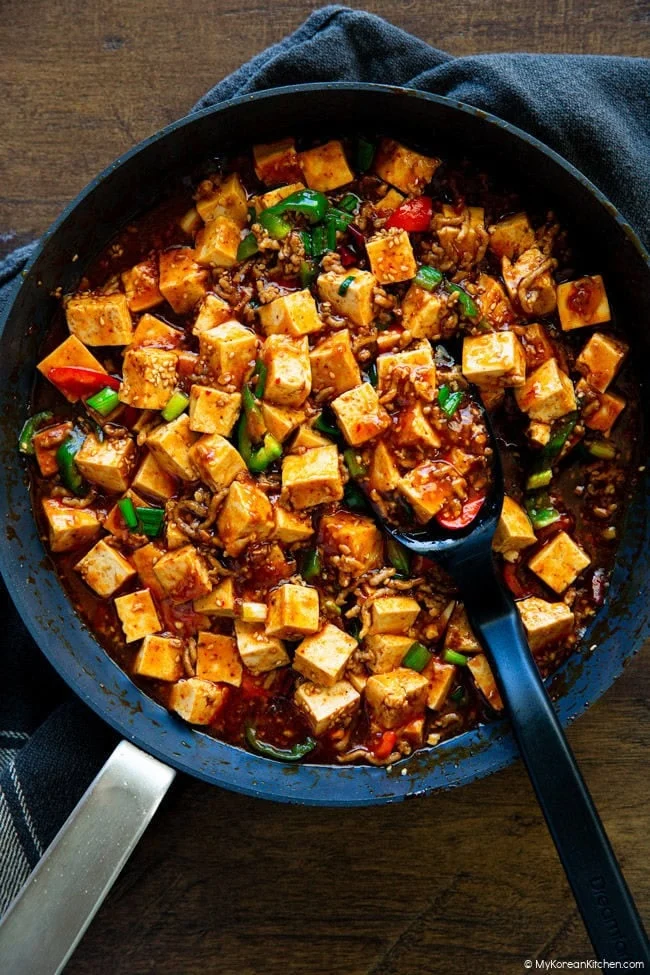
In the world of global gastronomy, few dishes possess the iconic status of the Sichuanese masterpiece, Mapo Tofu. Renowned for its bold, numbing heat—a sensation the Chinese refer to as ma la—this dish has traveled far beyond the borders of Chengdu, finding a second home in kitchens across the globe. Today, however, a new iteration is capturing the hearts of home cooks: a Korean-inspired "cozy" version that swaps the traditional numbing peppercorns for a deeply layered, umami-rich profile rooted in Korean culinary staples.
This refined approach to a classic is not merely a recipe; it is a bridge between two of the world’s most sophisticated food cultures. By integrating the depth of ssamjang (a thick, spicy soybean paste), the ocean-deep salinity of anchovy stock, and the familiar heat of gochugaru (Korean red chili flakes), this version of Mapo Tofu offers a distinct, comforting experience that feels as much like home as it does an culinary innovation.
The Evolution of a Classic: Main Facts
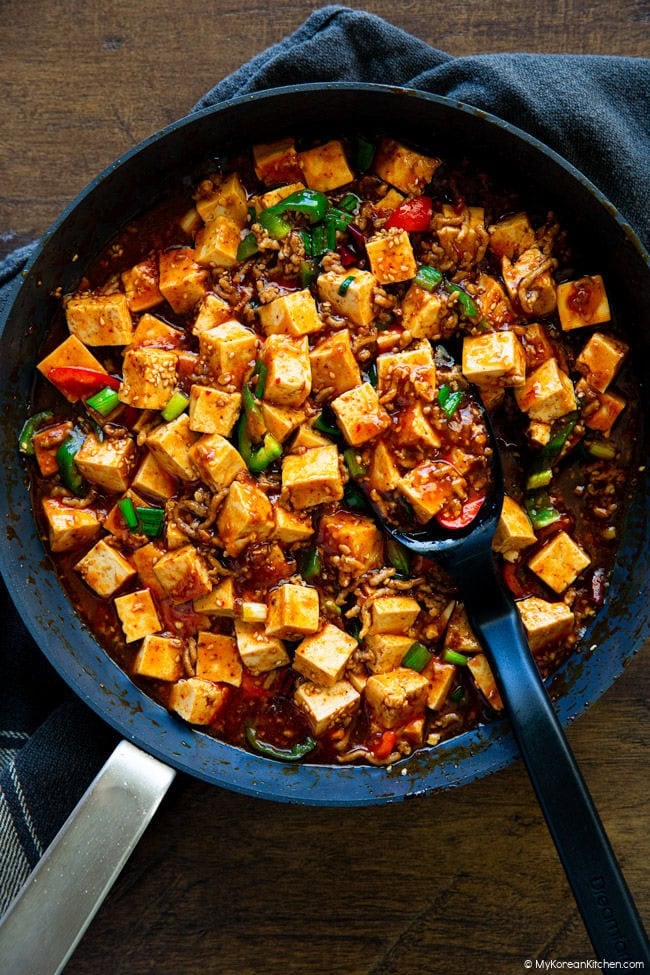
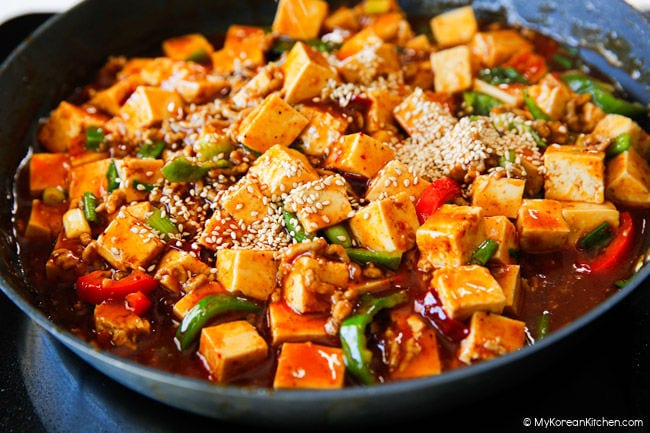
At its core, Mapo Tofu is a study in textures. Traditionally, soft, silken tofu is simmered in a shimmering, fiery sauce bolstered by minced meat—usually beef or pork—and seasoned with fermented broad bean paste (doubanjiang) and the signature Sichuan peppercorn. The result is a dish that is aggressive, electrifying, and incredibly addictive.
The Korean-style variation, however, pivots away from the numbing sensation, opting instead for a "rounded" flavor profile. The primary differences lie in the pantry:
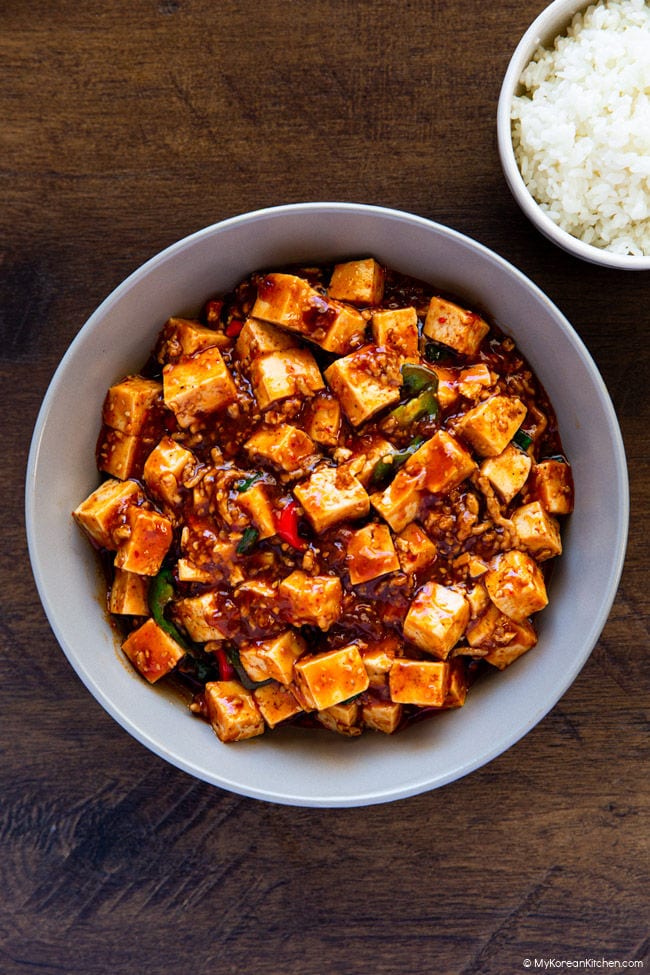
- The Umami Foundation: Instead of relying solely on the heat of chilies, this recipe utilizes anchovy-based stocks and fish sauce. These ingredients provide a savory backbone that elevates the dish, making the sauce feel more "developed."
- The Ssamjang Factor: The inclusion of ssamjang is the game-changer. This Korean condiment, a blend of doenjang (soybean paste) and gochujang (chili paste), adds a subtle nuttiness and a complex fermentation note that fills the gaps left by the absence of Sichuan peppercorns.
- A Balanced Heat: By utilizing gochugaru, the heat profile becomes cleaner and brighter, avoiding the "numbing" intensity while maintaining a satisfying, warm glow that makes the dish ideal for a weeknight dinner.
A Chronological Guide to Culinary Preparation
Creating this dish requires an appreciation for the sequence of events. Each step is designed to build layers of flavor, ensuring that the final bowl of rice is graced with a sauce that is as complex as it is vibrant.
1. The Foundation of Flavor: The Sauce
The process begins with the sauce, which serves as the canvas for the dish. By combining the anchovy stock, fish sauce, and ssamjang in advance, the ingredients have time to harmonize. This prevents the "rushed" flavor that often occurs when ingredients are thrown into a pan haphazardly.
2. Infusing the Chili Oil
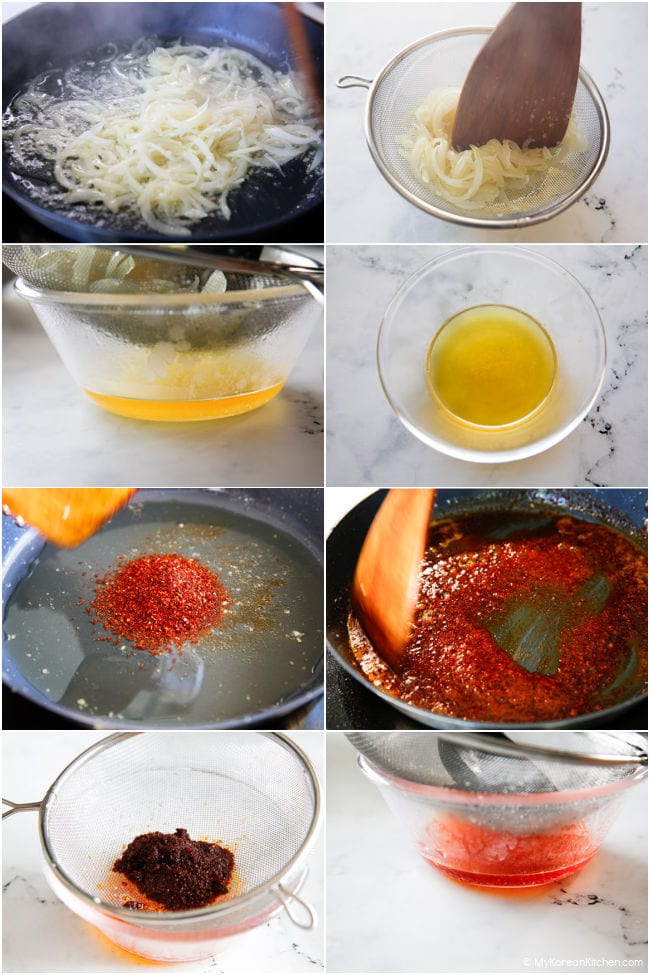
The soul of any good Mapo Tofu is its oil. Rather than using a generic store-bought chili oil, this recipe demands a home-prepared version. By stir-frying onion and garlic in oil before introducing the chili flakes, the cook creates a base that is inherently aromatic. This process—straining, cooking, and straining again—ensures a clean, deep-red oil that is both fragrant and free of burnt solids.
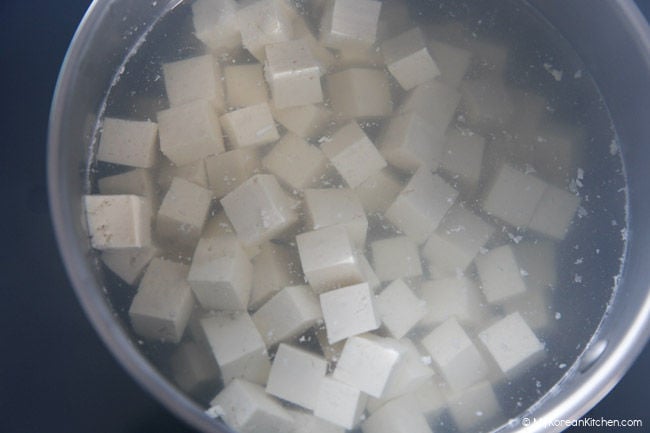
3. The Tofu Blanching Technique
Often overlooked by novice cooks, the act of blanching tofu in salted water for one minute is essential. This step accomplishes two things: it warms the tofu through and strengthens the exterior of the delicate curds, ensuring they remain intact when folded into the thickened, savory sauce.
4. The Marriage of Meat and Aromatics
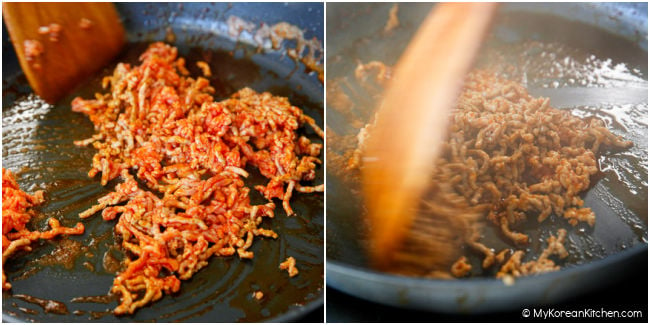
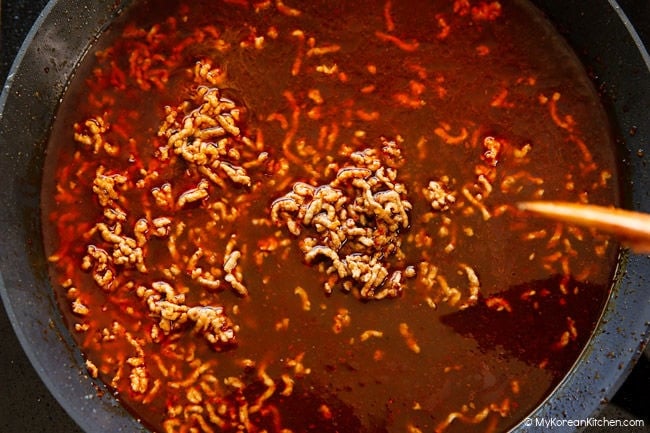
Once the chili oil is ready, the minced pork is browned until it achieves a slight crispness. This provides a necessary textural contrast to the soft tofu. Following this, the sauce mixture is introduced, creating a bubbling, savory stew that forms the body of the dish.
5. Final Thickening and Garnish
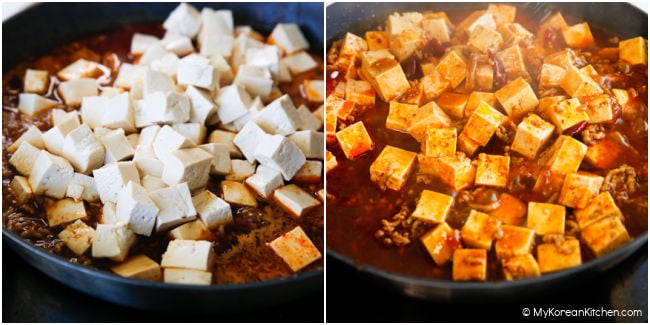
The introduction of a starch slurry is the moment of transformation. As the sauce thickens, it coats the back of a spoon and the surfaces of the tofu cubes, turning the liquid into a silky, rich coating. The final drizzle of sesame oil and a sprinkle of toasted sesame seeds add the final layer of nutty aroma that rounds out the dish.
Supporting Data: Nutritional Composition and Profile
While Mapo Tofu is often considered a "comfort food," its nutritional profile is surprisingly balanced. A single serving contains approximately 394 kcal, offering a reasonable caloric intake for a main course. The dish is notable for its protein content, derived from both the tofu and the minced pork, which provides a satiating effect.
The sodium content, often a concern in fermented-paste dishes, sits at approximately 1,761mg per serving. This is a reflection of the umami-rich ingredients like fish sauce and ssamjang. It is recommended that home cooks adjust their additional salt intake during the seasoning process, as the fermented components already provide a significant level of salinity. With 4g of fiber and a healthy profile of monounsaturated fats, this dish functions well as a balanced meal, particularly when paired with steamed white rice to absorb the nutrient-dense, flavorful sauce.
Culinary Perspectives and Expert Adjustments
Expert chefs often highlight the versatility of this recipe. The choice of tofu is perhaps the most significant "knob" a cook can turn. While the recipe suggests firm tofu for ease of handling, the shift toward silken or "soft" tofu is encouraged for those seeking a more authentic, melt-in-the-mouth texture.
Furthermore, the "Korean Anchovy Stock" is described as the secret to the dish’s complexity. The umami derived from dried anchovies provides a depth that water simply cannot replicate. However, in the absence of this specific stock, culinary experts note that a high-quality vegetable or kombu dashi can serve as a suitable substitute, maintaining the integrity of the dish while slightly altering the flavor profile toward a cleaner, oceanic sweetness.
Implications for the Home Kitchen
The rise of such fusion recipes indicates a broader trend in home cooking: the "democratization of umami." By taking the techniques of one culture (the stir-fry and sauce-thickening methods of Sichuan) and applying the ingredients of another (the fermented pastes and fish stocks of Korea), home cooks are creating a "third culture" of cuisine.
This Korean-style Mapo Tofu is not just a replacement for the traditional dish; it is an evolution of it. It implies a departure from the "purist" mindset and a move toward a more flexible, ingredient-driven approach to cooking. The dish is designed to be forgiving, highly adaptable, and, most importantly, deeply satisfying. It serves as an invitation for cooks to experiment with their own pantry staples—perhaps replacing pork with mushrooms for a vegetarian version, or adjusting the spice level with varying grades of gochugaru.
Conclusion: The Comfort of a Shared Table
Whether one is a devotee of the tongue-numbing heat of the original Sichuan dish or a newcomer looking for a comforting, savory meal to grace the dinner table, this Korean-style Mapo Tofu offers a compelling narrative. It is a testament to the idea that food is fluid, meant to be adapted, shared, and enjoyed in the comfort of one’s own home.
By focusing on the layering of umami—the saltiness of the fish sauce, the fermentation of the ssamjang, and the gentle heat of the chili oil—this recipe creates a sensory experience that feels both innovative and deeply traditional. It is a dish that demands nothing more than a bowl of steaming, fluffy rice and a quiet evening, proving that sometimes, the most sophisticated flavors are found in the simplest of home-style preparations. As the culinary world continues to shrink, recipes like this remind us that the best meals are those that tell a story of connection, culture, and the universal pursuit of a perfectly balanced bite.
 Raul Delapena Setiawan
  Asep Darmawan
  Nana Wu
