 By Asro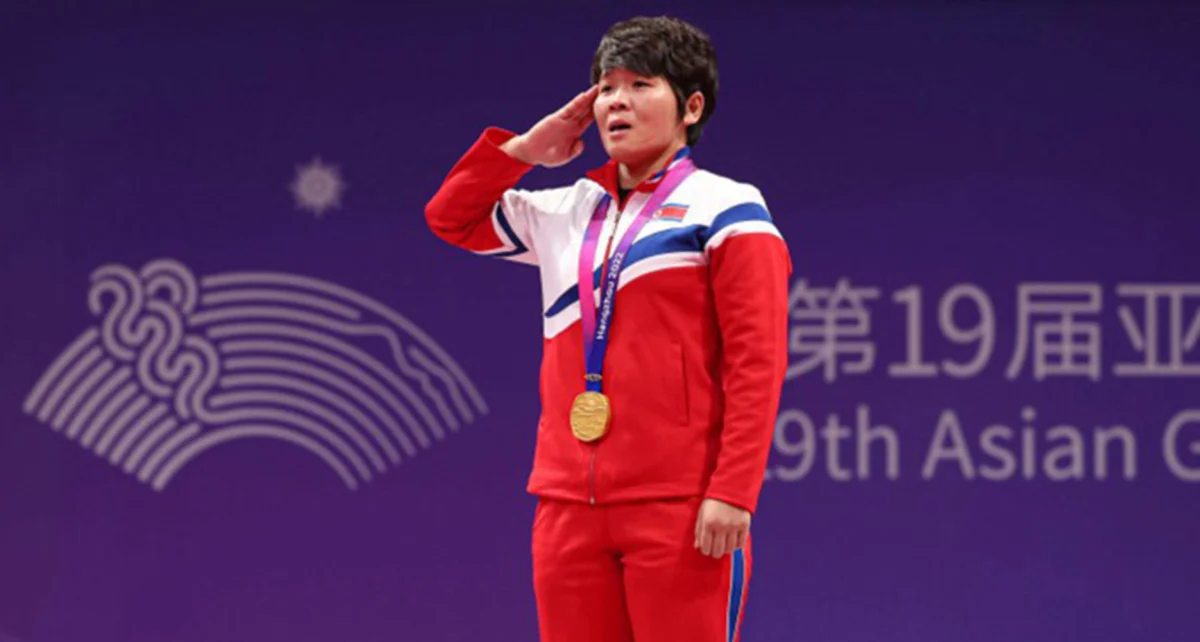
In a move that signals a potential, albeit complicated, diplomatic outreach through the medium of sports, the Democratic People’s Republic of Korea (DPRK) has announced its intention to send a record-breaking delegation of over 100 athletes to the upcoming Aichi-Nagoya 2026 Asian Games. While the announcement highlights Pyongyang’s desire to re-engage with the international sporting community, it places the Japanese government in a precarious position, as Tokyo has yet to confirm whether it will grant exceptions to the stringent entry bans currently imposed on North Korean nationals.
The Announcement: A Record-Breaking Contingent
The news was confirmed by Ko Chol Ho, the Secretary-General of the DPRK Olympic Committee, in an interview published on Tuesday by Choson Sinbo, the official newspaper of the pro-Pyongyang General Association of Korean Residents in Japan (Chongryon). According to Ko, North Korea is preparing to compete in 14 distinct disciplines, including high-profile sports such as soccer, weightlifting, boxing, and wrestling.
The scale of this mission is unprecedented. Should the delegation arrive as planned, it will represent the largest sporting contingent the DPRK has ever dispatched to Japanese soil. This development is particularly significant given that the Aichi-Nagoya Games will mark the first time North Korea has participated in a Summer Asian Games event held within Japan—a country with which it has a long, fraught history of diplomatic friction, abductee issues, and security disputes.
Chronology: A History of Sporting Diplomacy and Isolation
To understand the weight of this announcement, one must look at the erratic history of North Korea’s participation in regional sports.
- The Early Years: Following the Korean War, North Korea’s sporting participation was largely confined to the Eastern Bloc. It was not until the late 20th century that Pyongyang began using regional competitions, such as the Asian Games, to signal its presence on the world stage.
- The 2018 Pyeongchang Winter Olympics: Perhaps the most famous example of North Korean "sports diplomacy," the 2018 games saw a historic rapprochement between North and South Korea, with athletes from both nations marching under a unified flag. This event briefly thawed tensions, though the momentum proved ephemeral.
- The COVID-19 Hiatus: The global pandemic saw North Korea retreat into unprecedented isolation. The country notably skipped the 2020 Tokyo Summer Olympics, citing concerns over COVID-19, a decision that led to a suspension by the International Olympic Committee (IOC).
- The Hangzhou Return (2023): North Korea’s return to the international stage at the Hangzhou Asian Games in 2023 was a resounding success for the regime. Their athletes, particularly in weightlifting and wrestling, secured a significant medal haul, proving that despite years of isolation, the state’s sports training infrastructure remains robust and competitive.
- The Aichi-Nagoya Preparation (2026): The current planning phase represents the next step in this cycle of re-engagement, though the geopolitical landscape in 2026 is far more fractured than it was during the 2018 thaw.
Supporting Data: Infrastructure and Ambition
The DPRK’s sports strategy is not merely about physical fitness; it is a vital pillar of national prestige. Data from the 2023 Hangzhou Games demonstrated that North Korean athletes remained formidable despite their long absence from international circuits.
The 2026 delegation will likely mirror the training focus seen in 2023. Experts suggest that the focus on weightlifting and wrestling—disciplines where individual performance is easier to control and monitor—aligns with the state’s goal of maximizing medal counts. By sending over 100 athletes, the DPRK is investing significant capital into logistics, travel, and training, signaling that the regime views these games as a high-priority soft-power exercise.
The choice of Aichi-Nagoya as a host city adds a layer of complexity. The region has a high density of ethnic Korean residents (Zainichi), many of whom maintain ties to the North. This demographic factor likely informed the regime’s decision to attempt such a large-scale deployment, as it provides a readymade support base and a platform for political messaging within the host country.
Official Responses and the Entry Ban Dilemma
The central tension of this story lies in the legal status of the DPRK nationals attempting to enter Japan. Tokyo has maintained a policy of strict sanctions against North Korea for years, which includes a comprehensive travel ban on DPRK citizens as part of unilateral sanctions over the nuclear program and the unresolved issue of Japanese citizens abducted by North Korean agents decades ago.
Tokyo’s Stance
The Japanese government has remained notably non-committal. A spokesperson for the Japanese Ministry of Foreign Affairs indicated that while Japan acknowledges the international requirements of hosting a sporting event under the auspices of the Olympic Council of Asia (OCA), the entry of North Korean officials and athletes remains subject to domestic law.

"We are currently reviewing the situation," a government official stated, emphasizing that "national security concerns and international obligations remain paramount." There is no indication that Japan is willing to waive these sanctions unilaterally, setting the stage for a potential diplomatic standoff if Tokyo refuses to grant visas for the North Korean delegation.
Pyongyang’s Perspective
Through Choson Sinbo, the DPRK has expressed an expectation that sports and politics should be kept separate. By utilizing the pro-Pyongyang media in Japan to announce the delegation, the North Korean Olympic Committee is essentially putting public pressure on Tokyo. They are framing the potential rejection of their athletes not as a security matter, but as an unfair, politically motivated exclusion that would violate the spirit of the Olympic Charter.
Implications: A High-Stakes Geopolitical Gamble
The attempt to send such a large delegation to Japan carries profound implications for East Asian stability.
Soft Power vs. Hard Sanctions
For Pyongyang, success in Aichi-Nagoya would be a major propaganda victory. It would allow the regime to project an image of normalcy and athletic excellence to the world. Conversely, if Japan denies entry to the athletes, North Korea can portray itself as a victim of "hostile policy," further justifying its rejection of dialogue with Tokyo.
The Role of the Olympic Council of Asia (OCA)
The OCA finds itself in a difficult position. As the governing body, it is committed to universal participation in the Asian Games. However, it lacks the power to compel a sovereign nation like Japan to override its national security laws. The negotiations behind the scenes between the OCA, the Japanese government, and North Korean intermediaries will likely determine whether the 2026 Games proceed as a truly inclusive regional event or a fractured one.
Implications for Regional Relations
The 2026 Asian Games may serve as a barometer for Japan-DPRK relations. If a compromise is reached—perhaps by allowing athletes but restricting the entry of high-level government officials—it could open a narrow channel for future diplomatic discussions. If the situation devolves into a public dispute over visas, it will likely deepen the animosity between the two nations, further entrenching the status quo of hostility.
Conclusion
The decision to send a record-breaking delegation to the Aichi-Nagoya Asian Games is a calculated gamble by Pyongyang. It seeks to balance the regime’s need for international legitimacy and athletic prestige against the harsh reality of its isolationist policies. For Japan, the situation is a test of its commitment to international sporting norms versus its domestic security mandates.
As the countdown to the games begins, the focus will shift from the training grounds of Pyongyang to the corridors of the Japanese Ministry of Foreign Affairs. Whether the world sees the North Korean flag raised in Aichi-Nagoya or a repeat of the diplomatic isolation of the COVID era remains to be seen. What is clear, however, is that in the theater of international sports, the stakes for the DPRK remain as high as ever.


 Reynand Wu
  Siti Muinah
  Evan Lee Salim
