
 By Asro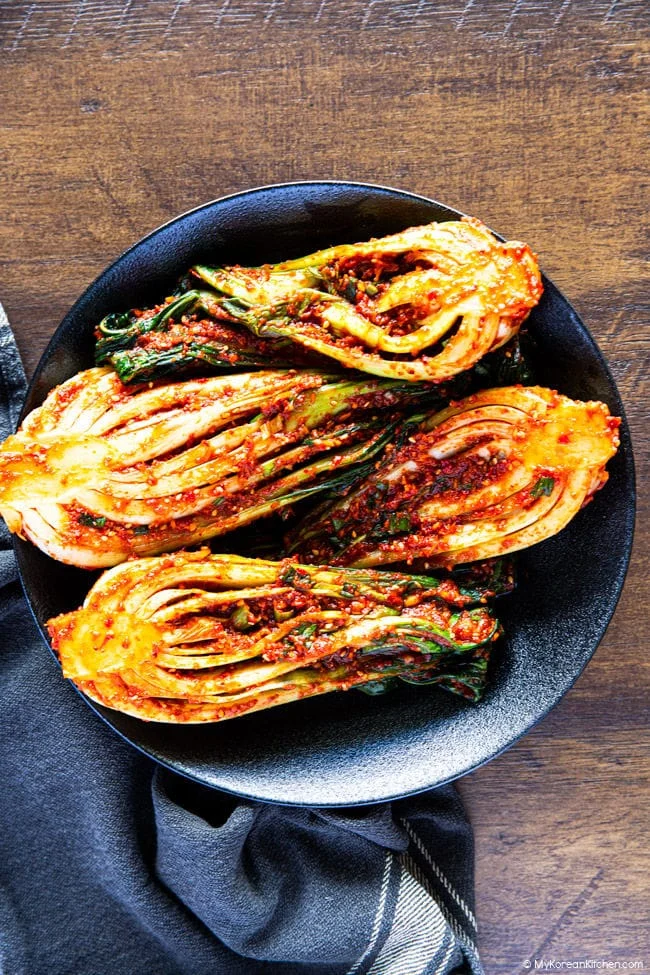
For many, the word "kimchi" evokes the familiar, pungent aroma of fermented napa cabbage—the quintessential pillar of Korean culinary tradition. However, in the kitchens of Korea and across the globe, there exists a vibrant, lesser-known sibling that deserves equal acclaim: bok choy kimchi. Far from being a mere substitute for its larger cousin, bok choy kimchi stands as a distinct culinary expression, celebrated for its unique texture, refreshing green flavor profile, and its ability to turn a simple harvest into a gourmet side dish.
The Evolution of the Kimchi Table
Kimchi is more than just a dish; it is a cultural institution and a biological marvel of fermentation. While napa cabbage is the most common base, the tradition of kimchi-making—or kimjang—is rooted in the ingenuity of using seasonal vegetables. Bok choy, with its succulent, juicy stems and delicate, dark green leaves, offers a clean, crisp bite reminiscent of celery, providing a refreshing contrast to the hearty, dense structure of traditional cabbage.
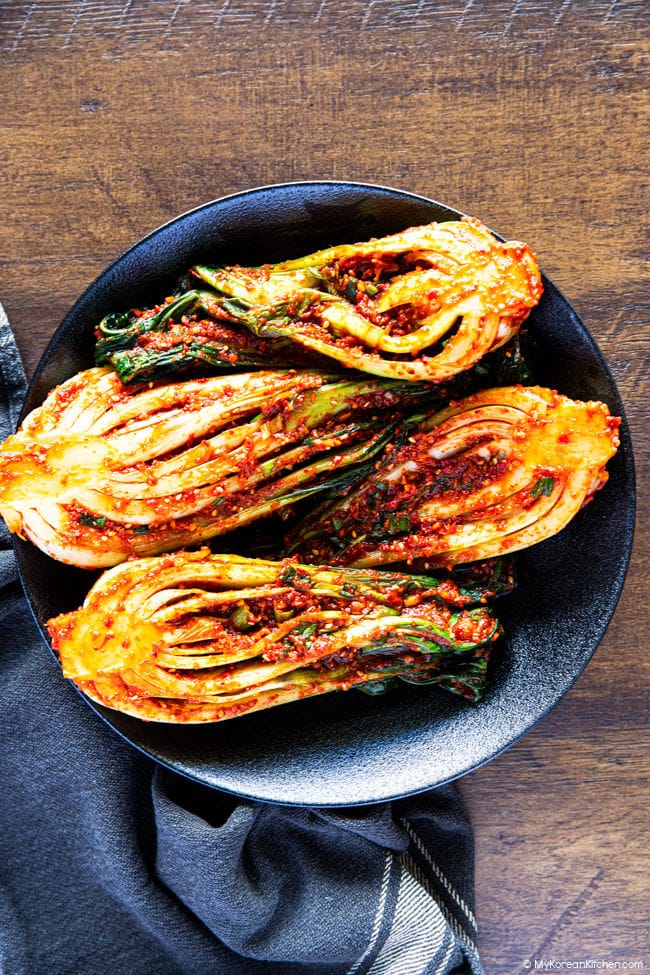
For home gardeners and culinary enthusiasts, bok choy kimchi is the perfect solution to a surplus harvest. It brings a sophisticated, bright, and slightly sweet flavor to the table, making it an ideal entry point for those intimidated by the lengthy, labor-intensive process often associated with traditional, large-batch cabbage kimchi.
A Chronological Guide to Crafting the Perfect Batch
Creating this dish requires precision, patience, and a respect for the fermentation process. Here is the step-by-step methodology to achieve a professional-grade result.
1. Preparation and Sanitation
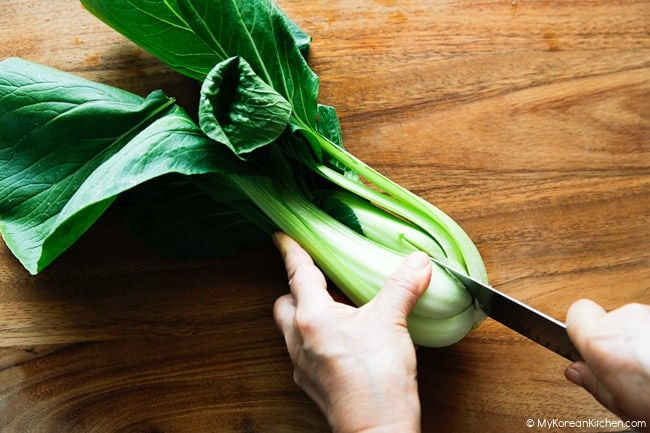
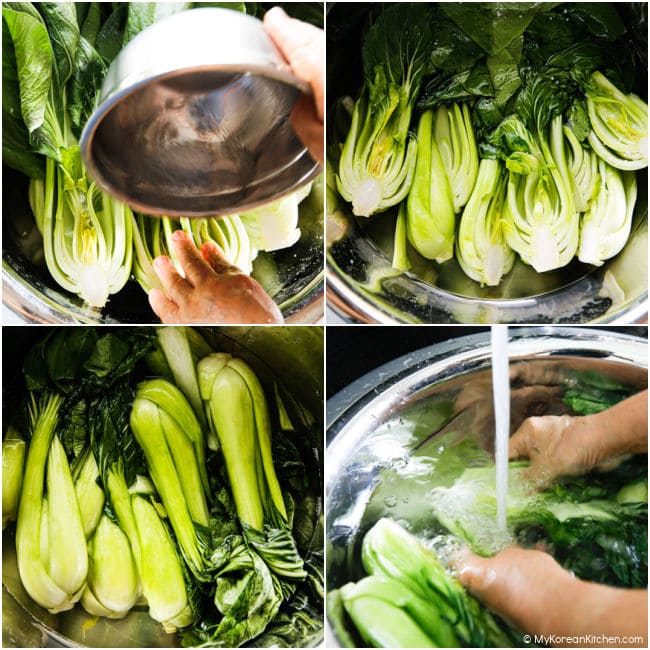
The process begins with the careful selection and cleaning of the bok choy. Unlike napa cabbage, which can be handled roughly, bok choy requires a gentle touch. Trim a thin slice off the root end, ensuring the leaves remain attached to the base. Halve the vegetables lengthwise and rinse them thoroughly under cold running water. It is imperative to pay attention to the base of the stalks, where soil and debris naturally accumulate. Once washed, allow the greens to drain in a colander; excess water can dilute the seasoning and compromise the final texture.
2. The Brining Process
Brining is the cornerstone of kimchi-making. In a large bowl, dissolve coarse sea salt into water to create a saline solution. The bok choy is then submerged. This phase is critical: the thickness of the stems dictates the timing. If the stems are thick and robust, a 90-minute soak is necessary to ensure the salt penetrates the cellular structure of the vegetable. For thinner, younger stems, 60 minutes is sufficient. During this time, the vegetable should be turned 2 to 3 times to ensure uniform salting. After brining, a light rinse under cold water is required to remove excess salt, followed by thorough draining.
3. Engineering the Seasoning Paste
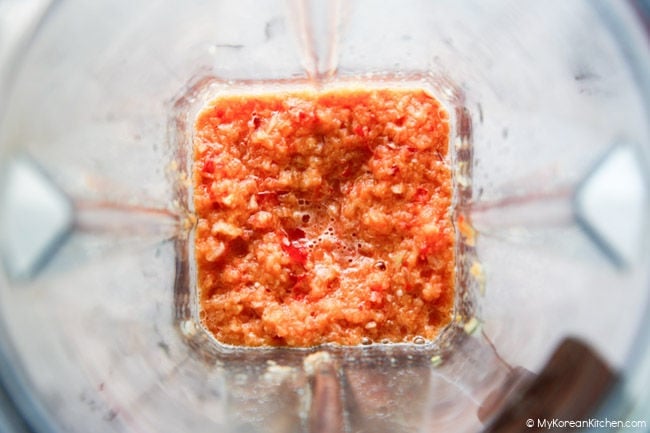
The flavor of the kimchi is defined by its seasoning paste, a complex emulsion of aromatics. A blender is used to combine apple (which provides natural sweetness and aids fermentation), garlic, ginger, salted shrimp, and fish sauce. The inclusion of red sweet pointed pepper—if desired—adds texture.
To give the paste the necessary body, a flour paste is prepared by whisking flour and water and heating it in short intervals until it achieves a thin, porridge-like consistency. This paste acts as a binding agent, helping the spices adhere to the smooth surfaces of the bok choy leaves.
4. The Final Assembly
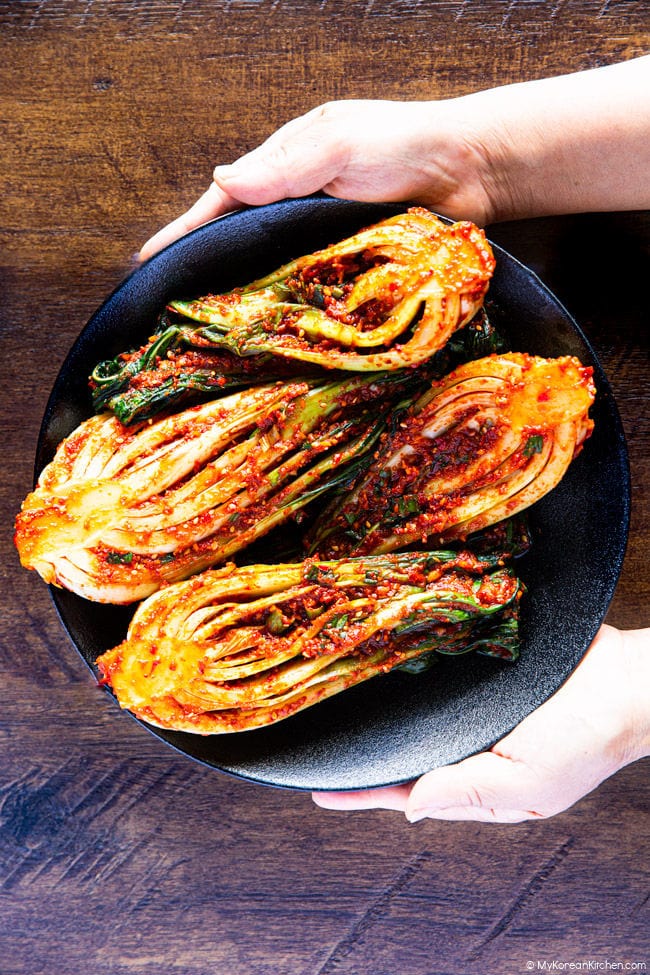
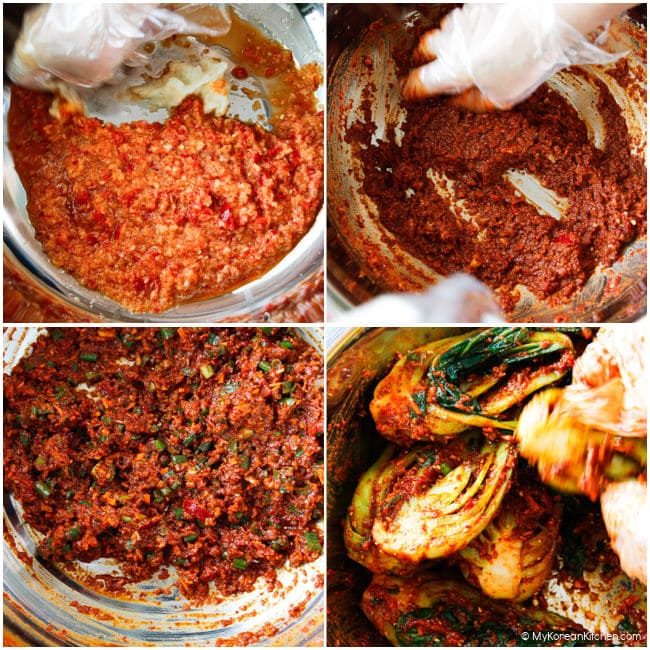
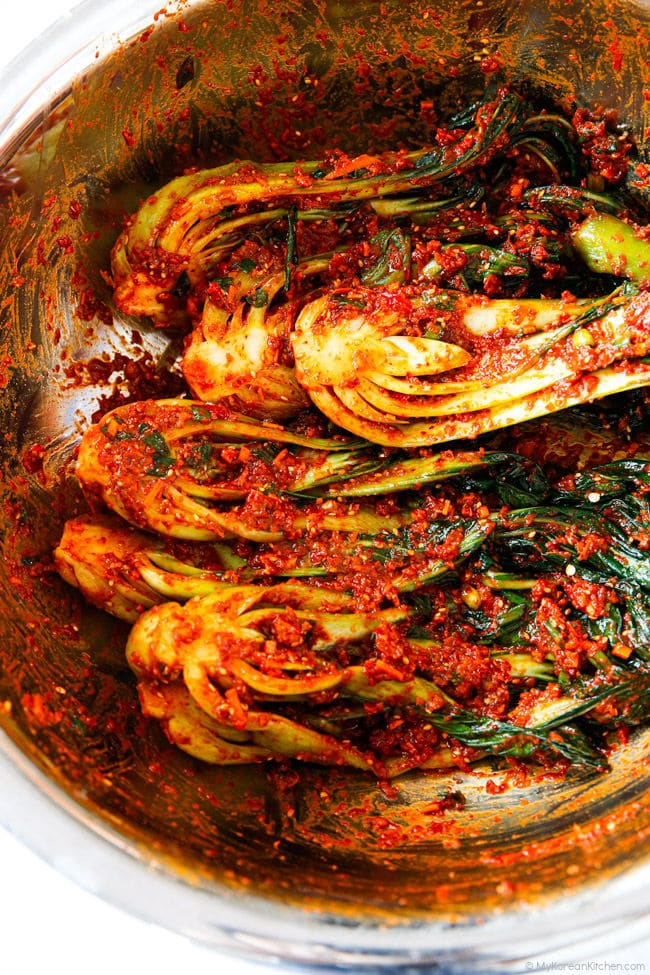
The blended aromatics are mixed with Korean chili flakes (gochugaru), sugar, and sesame seeds. The flour paste is then folded in, followed by fresh aromatics like sliced onion, carrot, and green onion. The bok choy is then gently massaged with the mixture. Because the leaves are delicate, the process must be handled with care to prevent bruising. The goal is a uniform coating that allows the flavors to permeate the stalks while keeping the greens intact.
Supporting Data: Understanding the Ingredients
The success of this recipe lies in the balance of its chemical components.
- The Gochugaru Factor: While some variations utilize paprika to achieve a milder profile, authentic Korean chili flakes (gochugaru) are essential for both the vibrant, iconic red color and the specific depth of flavor that characterizes traditional kimchi. For a milder version, a ratio of 2 tablespoons of gochugaru to 3–4 tablespoons of sweet paprika can be used, though the intensity of the "kick" will be reduced.
- Fermentation Science: Once packed into an airtight container, the kimchi should rest at room temperature for approximately 24 hours to initiate the lactic acid fermentation process. This biological shift is what transforms the raw ingredients into a tangy, umami-rich probiotic powerhouse.
- Nutritional Profile: Per serving, this dish offers a significant nutritional boost. With approximately 457 kcal, it is rich in Vitamin C, Calcium, and Iron, making it as healthful as it is flavorful.
Official Culinary Perspectives
According to leading experts in Korean home cooking, bok choy kimchi is best consumed within 3 to 5 days. Unlike napa cabbage, which can be aged for months, bok choy’s structural integrity is more delicate. As it ferments, the leaves soften more quickly, and the color will naturally transition from a vibrant, bright green to a more muted, fermented shade.
Culinary professionals recommend serving this variety alongside high-fat proteins. The crisp, acidic nature of the bok choy cuts through the richness of samgyeopsal (grilled pork belly) or the succulent textures of bossam (boiled pork wraps). The contrast between the fatty, savory meat and the clean, bright, spicy crunch of the kimchi is a fundamental pairing in Korean gastronomy.
Implications: The Future of Home-Style Kimchi
The rise of bok choy kimchi signifies a broader trend in the culinary world: the democratization of traditional techniques. As home cooks become more confident in fermentation, they are moving beyond the "standard" recipes to explore how different vegetables react to the kimjang process.
This dish represents an intersection of sustainability and tradition. By utilizing home-grown bok choy, cooks are reducing food waste and engaging in a seasonal practice that connects them to the agricultural cycle. Furthermore, the accessibility of this recipe—which can be adjusted for heat levels to accommodate diverse palates—ensures that the art of kimchi-making remains a living, evolving practice rather than a stagnant relic of the past.
A Note on Storage
For the best results, utilize a 1.8-liter (approx. 2-quart) airtight container. Leaving adequate "headspace" in the jar is crucial to accommodate the gases produced during fermentation. If the jar is filled to the brim, the pressure buildup could cause leakage or an uneven ferment. Once the fermentation has kicked off at room temperature, transferring the container to the refrigerator will stabilize the process, allowing for a long, slow development of flavor that retains the vegetable’s signature crunch.
Whether you are a seasoned fermenter or a newcomer to the world of Korean pickles, bok choy kimchi offers a sophisticated, approachable, and deeply rewarding project. It is a reminder that the best recipes are those that honor tradition while embracing the ingredients at hand, proving that sometimes, the best way to innovate is to look at the garden with a fresh perspective.

 Layla Zulfa
  Laily UPN
