
 By Nana Wu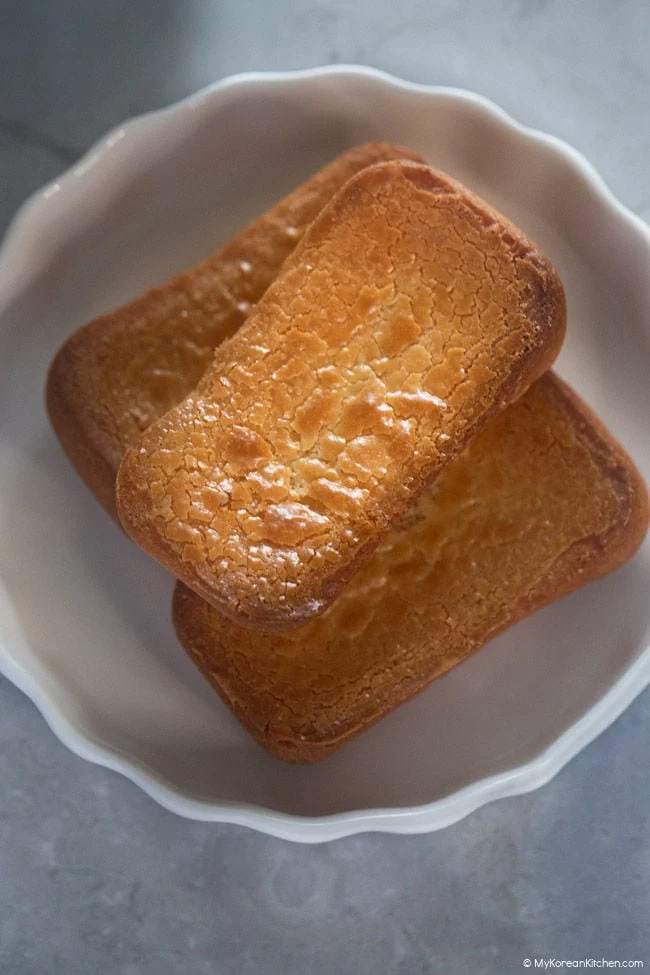
In the ever-evolving landscape of global patisserie, few innovations have captured the imagination of home bakers and professional pastry chefs quite like "Butter Tteok." A sophisticated hybrid that bridges the gap between traditional Korean rice cake culture and Western-style baking, this treat has rapidly transitioned from a niche bakery find to a viral sensation. With its signature golden, biscuit-like crust and a soft, resiliently chewy core, the butter tteok represents a bold shift in how we perceive the utility of glutinous rice flour.
Main Facts: Defining the Butter Tteok Phenomenon
At its core, butter tteok is a baked confection formulated from a foundation of glutinous rice flour, high-quality butter, milk, and eggs. Unlike the vast majority of traditional Korean tteok (rice cakes), which are typically prepared via steaming to maintain a dense, elastic consistency, the butter tteok is treated like a delicate pastry.
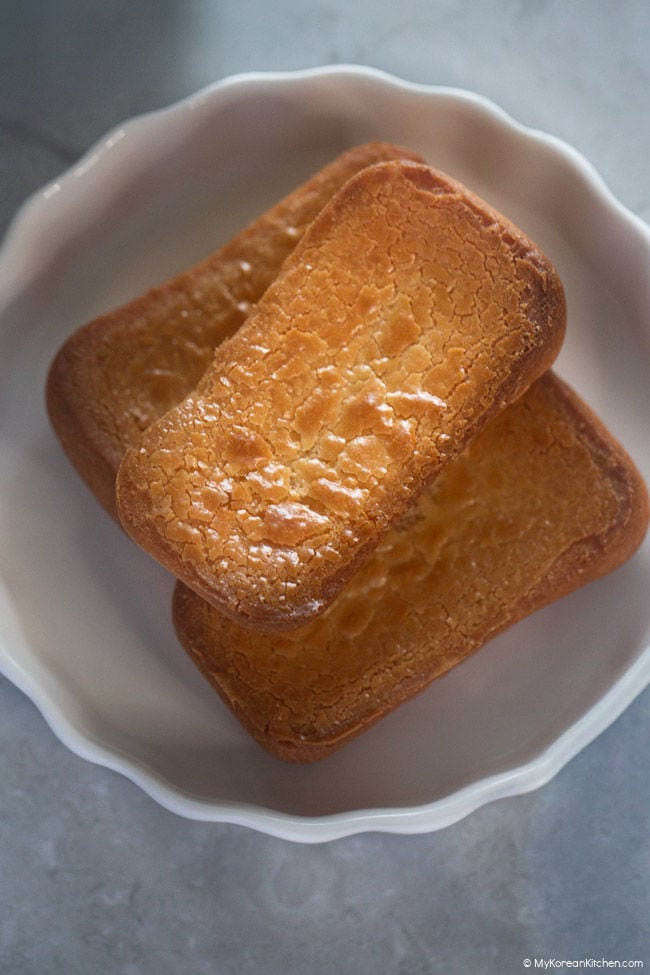
The texture is the defining characteristic of this snack. The baking process transforms the surface of the batter into a crisp, caramelized exterior, while the interior retains the quintessential "chew" that makes Korean rice cakes so addictive. This structural duality—crisp meets soft—has garnered it comparisons to everything from French madeleines to dense, chewy mochi cakes. While it is often labeled as a "modern" Korean invention, historical accounts suggest that the concept of a baked, buttery rice cake may have roots in Shanghai-style fusion pastries before being refined by Korean culinary artisans to suit local tastes.
A Chronology of Development
The journey of the butter tteok from a regional novelty to a mainstream staple is a testament to the power of fusion culinary trends.
- Pre-2020: The Era of Fusion: While various versions of baked rice cakes existed in East Asian bakeries, they were largely experimental. The focus was primarily on traditional flavors like mugwort or red bean.
- 2020–2023: The Rise of the "Home-Cafe" Trend: As social media platforms began highlighting "home-cafe" aesthetics, bakers sought recipes that were visually appealing and easy to execute. The butter tteok emerged as a photogenic, simple, and crowd-pleasing option.
- 2024–2026: Refinement and Standardization: Professional recipe developers began to isolate the specific variables—such as the difference between metal and silicone pans—that dictate the quality of the crust. This period saw the stabilization of the recipe into the version widely enjoyed today.
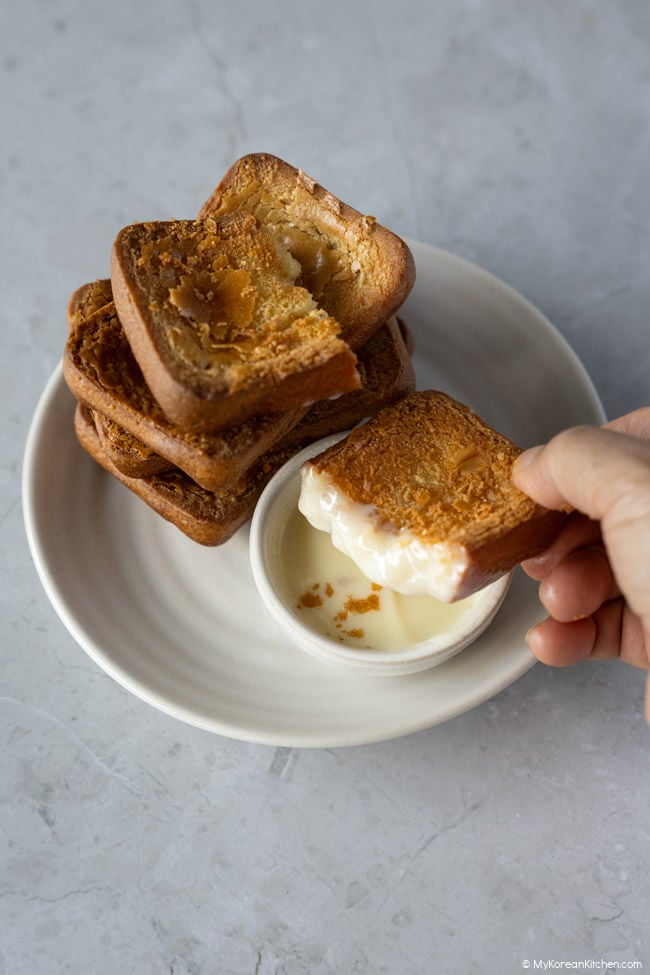
- The Present Day: The dish is now a permanent fixture in modern Korean bakeries, often served with a side of sweetened condensed milk to emphasize its dessert-like qualities.
Supporting Data: The Science of the Perfect Bite
The success of a butter tteok is entirely dependent on the mastery of heat and hydration. Culinary testing has revealed several critical factors that determine the success of the final product.
The Role of Vessel Material
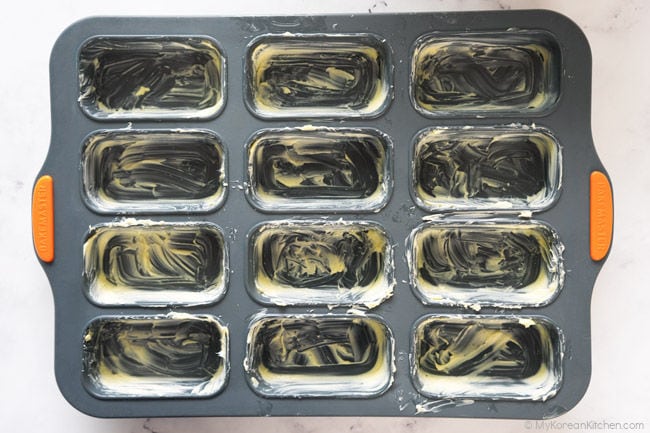
The choice of baking equipment is not merely a matter of convenience; it is a structural decision. Experiments comparing metal versus silicone pans indicate a significant disparity in texture. Metal pans, which offer superior thermal conductivity, facilitate the Maillard reaction more effectively. This creates a pronounced, biscuit-like crust that acts as a structural barrier for the soft, chewy interior. Conversely, silicone pans, while convenient for release, often lead to a softer, more uniform surface that lacks the necessary contrast.
The Cooling Curve
One of the most counterintuitive aspects of this recipe is the necessity of a "rest period." Fresh from the oven, the structure of a butter tteok is fragile. The starch molecules, specifically the amylopectin in the glutinous rice flour, require time to reorganize as the temperature drops. A minimum rest of 15 minutes is essential, though aficionados suggest that the flavor profile—specifically the richness of the butter—is most harmonious after two hours, when the cake has reached room temperature and the moisture has redistributed.
Nutritional Profile
While a decadent treat, the butter tteok offers a unique nutritional balance compared to standard flour-based cakes. A single serving generally contains approximately 219 calories, with 11g of fat and 28g of carbohydrates. Because it utilizes rice flour, it offers a different texture profile that, while still containing sugar, provides a distinct satiety compared to wheat-based alternatives.
Official Perspectives: The Philosophy of Modern Tteok
Culinary experts note that the butter tteok is a vital development for the preservation of Korean rice cake culture. By adapting the traditional medium to the modern oven, bakers are ensuring that the appreciation for rice-based textures remains relevant to younger generations who might otherwise prioritize Western-style cakes.
"It is a bridge," says one leading culinary observer. "By incorporating butter and eggs—elements that would be considered sacrilegious in a traditional injeolmi or songpyeon—we are acknowledging that food is a living, changing entity. The butter tteok doesn’t replace the tradition; it expands the vocabulary of the rice cake."
Implications for the Future of Home Baking
The implications of the butter tteok’s popularity are twofold: it encourages the diversification of pantry staples and fosters a more sophisticated understanding of ingredient chemistry among home cooks.
Accessibility and Simplicity
One of the primary drivers of this recipe’s success is its low barrier to entry. It does not require a stand mixer, complex tempering, or specialized steaming equipment. It is a one-bowl wonder that yields professional-looking results. As more home bakers master the technique, we are likely to see an increase in variations, including savory versions infused with herbs or cheese, and further experimentation with gluten-free flour blends.
Storage and Commercial Viability
The storage characteristics of the butter tteok also make it an ideal candidate for modern busy lifestyles. Its ability to freeze exceptionally well—provided it is wrapped tightly to prevent dehydration—means that it can be prepared in large batches. This convenience factor is likely to secure its position as a staple in home kitchens for years to come.
The Reheating Renaissance
Perhaps the most significant takeaway for the home baker is the importance of the "refresh." While many baked goods degrade in quality after the first day, the butter tteok is designed for longevity. The recommendation to reheat the cake in an air fryer at 180°C (350°F) for three minutes essentially mimics the baking environment, allowing the home cook to restore the crisp, golden exterior and soft, chewy center at will.
Conclusion: A Lasting Legacy
The butter tteok is more than a passing trend; it is a masterclass in culinary fusion. It respects the fundamental texture that has defined Korean snacks for centuries while embracing the rich, indulgent flavors of global baking traditions. Whether enjoyed with a morning coffee, served as a sophisticated afternoon tea accompaniment, or eaten as a late-night treat, the butter tteok has firmly established itself as a modern classic.
As we look toward the future of baking, the success of this simple yet brilliant recipe serves as a reminder that the most compelling culinary developments often occur at the intersection of tradition and innovation. For those who have yet to try their hand at this golden, chewy delight, the process is as rewarding as the final product is delicious. By mastering the delicate balance of heat, timing, and patience, anyone can bring the taste of a high-end Korean bakery into their own home.
 Asro
Asro  Layla Zulfa
