
 By Evan Lee Salim
The Genesis of the Controversy
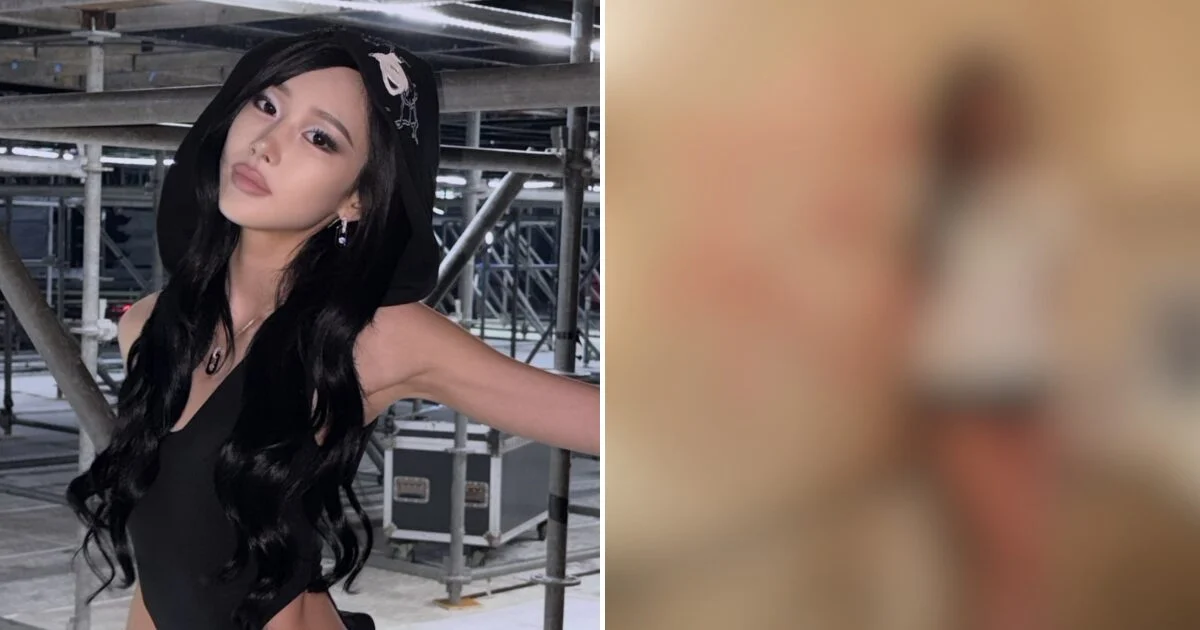
On November 4, 2026, Giselle (born Uenaga Aeri) shared a series of aesthetic photographs on her Instagram handle, @aerichandesu. The images featured the idol in a dimly lit, atmospheric setting, characterized by eclectic decor. However, two specific photographs drew immediate and sharp criticism from segments of the international K-pop community. In the background of these shots, a prominent star symbol was visible on the wall.
Initial reactions on platforms such as X (formerly Twitter) and TikTok saw users identifying the symbol as the Star of David, a hexagram traditionally associated with Judaism and the modern state of Israel. Given the ongoing global tensions and the heightened sensitivity surrounding the Israel-Palestine conflict, a wave of netizens accused Giselle of harboring Zionist sympathies or, at the very least, exhibiting a profound lack of situational awareness regarding global political sensitivities. The backlash was swift, with "call-out" posts garnering thousands of likes and shares within hours of the original upload.
Dueling Interpretations: Political Symbolism vs. Spiritual Practice
As the criticism intensified, a counter-narrative emerged from the aespa fandom, known as MYs, as well as observers familiar with Giselle’s previously stated personal interests. Supporters of the idol argued that the backlash was predicated on a visual misunderstanding. They pointed out that the star in the background was not a hexagram (the six-pointed Star of David) but rather a pentagram (a five-pointed star), which is frequently utilized in various spiritual, pagan, and occult traditions as a symbol of protection or the five elements (earth, air, fire, water, and spirit).
This defense is rooted in Giselle’s own history of public statements. On multiple occasions during livestreams and behind-the-scenes content, the idol has expressed an interest in "spirituality," astrology, and themes often associated with modern witchcraft or "cottagecore" aesthetics. Fans argued that the room in the photograph was likely a themed cafe, a studio, or a personal space curated to reflect these interests rather than a political statement. The divide between those seeing a political emblem and those seeing a spiritual talisman created a significant rift in the online discourse, illustrating the subjective nature of visual semiotics in the digital age.
The "HYBE Comparison" and Fandom Rivalries
A notable aspect of the backlash was the invocation of "agency double standards." Several viral posts suggested that the reaction to Giselle’s photos was relatively mild compared to the hypothetical treatment of an idol from HYBE—the conglomerate home to groups like BTS, SEVENTEEN, and NewJeans. One widely shared post lamented, "I can only imagine the backlash if this was a HYBE idol," reflecting a deep-seated tension within the K-pop community.
This sentiment stems from recent industry-wide volatility. In late 2024 and throughout 2025, HYBE was embroiled in internal audits and public relations crises, including the leak of internal "Weekly Music Industry Reports" that contained disparaging remarks about various idols, including members of aespa. Consequently, many fans feel that a "fandom war" is in effect, where supporters of different agencies weaponize controversies to "even the score." This tribalism often obscures the actual facts of a situation, as the primary goal of some participants shifts from social justice to defensive or offensive maneuvers in favor of their preferred groups.
Chronology of the Social Media Storm
The timeline of the event illustrates the speed at which K-pop controversies escalate:
- Original Post (Approx. 12:00 PM KST): Giselle uploads a carousel of ten photos to Instagram, featuring her in a stylized room with vintage-gothic aesthetics.
- Initial Scrutiny (Approx. 1:30 PM KST): Close-up crops of the star symbol begin circulating on X. Users begin tagging the idol and SM Entertainment, demanding an explanation.
- Viral Accusations (Approx. 3:00 PM KST): Major "news" accounts on social media pick up the story, framing the imagery as a "Zionist symbol." The hashtag #Giselle begins to trend in several regions.
- The Counter-Movement (Approx. 4:30 PM KST): Fans provide high-definition zoom-ins of the star, arguing it is a five-pointed pentagram. They compile clips of Giselle discussing her interest in "witchcraft" and protection symbols to provide context.
- Agency Silence (Ongoing): As is common with SM Entertainment’s approach to social media-driven "visual" controversies, the company has not issued an official statement, nor has the post been deleted as of the time of reporting.
Historical Context: aespa and the Burden of Public Image
Giselle, in particular, has faced a history of heightened scrutiny. In 2021, she faced significant criticism after a behind-the-scenes video appeared to show her lip-syncing a racial slur while listening to a song. At that time, Giselle issued a prompt and formal apology, stating she had no intention of causing harm and would learn from the experience.
Because of this history, many netizens maintain a "zero-tolerance" policy regarding her actions, viewing her through a lens of skepticism. Conversely, her supporters argue that she has become an "easy target" for malicious editing and bad-faith interpretations. This historical context is vital to understanding why a single background element in an Instagram post could trigger such a massive international response; it is not occurring in a vacuum but is part of a larger narrative of accountability and reputation management.
Broader Implications for the K-Pop Industry
The Giselle controversy is symptomatic of a larger shift in how K-pop idols are perceived and consumed globally. As K-pop has expanded its reach into Western markets, idols are no longer viewed merely as entertainers but as global ambassadors who are expected to be socially and politically conscious.
1. The Rise of "Political Consumerism":
Fans now frequently engage in boycotts of brands associated with idols—such as Starbucks or McDonald’s—due to perceived political alignments. This "political consumerism" means that any symbol that can be remotely linked to a global conflict is high-risk. For agencies like SM Entertainment, this necessitates a more rigorous vetting process for social media content, though the "organic" nature of Instagram often allows for these slips.

2. The Ambiguity of Aesthetic Choices:
The "Gen Z" aesthetic often blends various subcultures—goth, spiritual, vintage, and "weirdcore." These aesthetics frequently utilize symbols that have multiple meanings. A star can be a fashion statement, a religious icon, or a political badge depending on the viewer’s bias. The Giselle incident highlights the danger of "aestheticizing" symbols without a full understanding of their potential interpretations in a globalized digital landscape.
3. The Impact of Agency Rivalries:
The frequent mentions of HYBE in the Giselle discourse point to an unhealthy level of inter-fandom hostility. When controversies are used as "ammunition" in agency wars, the genuine issues—such as cultural sensitivity or political awareness—are often sidelined in favor of "winning" an argument against a rival fandom.
Expert Analysis: Visual Semiotics in the Digital Age
From a sociological perspective, the reaction to Giselle’s photos can be classified as a "moral panic" within a digital subculture. Visual semiotics—the study of signs and symbols—suggests that the meaning of a symbol is not inherent but is constructed by the culture that consumes it. In the context of 2026, where the Star of David is inextricably linked to daily news cycles of conflict, its "visual echo" is enough to trigger a defensive response, even if the symbol in question is technically different (a pentagram).
Furthermore, the "idol" status requires a level of perfection that is increasingly impossible to maintain. Idols are expected to be "authentic" and "relatable" on Instagram, yet they must also be as polished and vetted as a corporate press release. This paradox often leads to "unforced errors" like the one seen in Giselle’s post, where a simple choice of background for a "vibe" leads to a multi-day international controversy.
Conclusion and Current Status
As of the latest updates, the photographs remain on Giselle’s Instagram profile. The comment section is a microcosm of the broader internet: a mix of supportive messages from fans, demands for an apology from critics, and educational posts explaining the difference between religious and spiritual iconography.
While some call for a "cancellation" of the idol, the majority of the discourse has settled into a debate over education versus intent. The incident serves as a stark reminder to the K-pop industry that in the current global climate, there is no such thing as "just a photo." Every pixel is a potential platform for debate, and for idols like Giselle, the line between personal expression and public controversy remains razor-thin. Whether SM Entertainment will eventually address the matter or allow it to fade into the background of the ever-moving K-pop news cycle remains to be seen. However, the "Star of David vs. Pentagram" debate will likely be cited in the future as a landmark example of the complexities of idol iconography in the mid-2020s.

