
 By Sagoh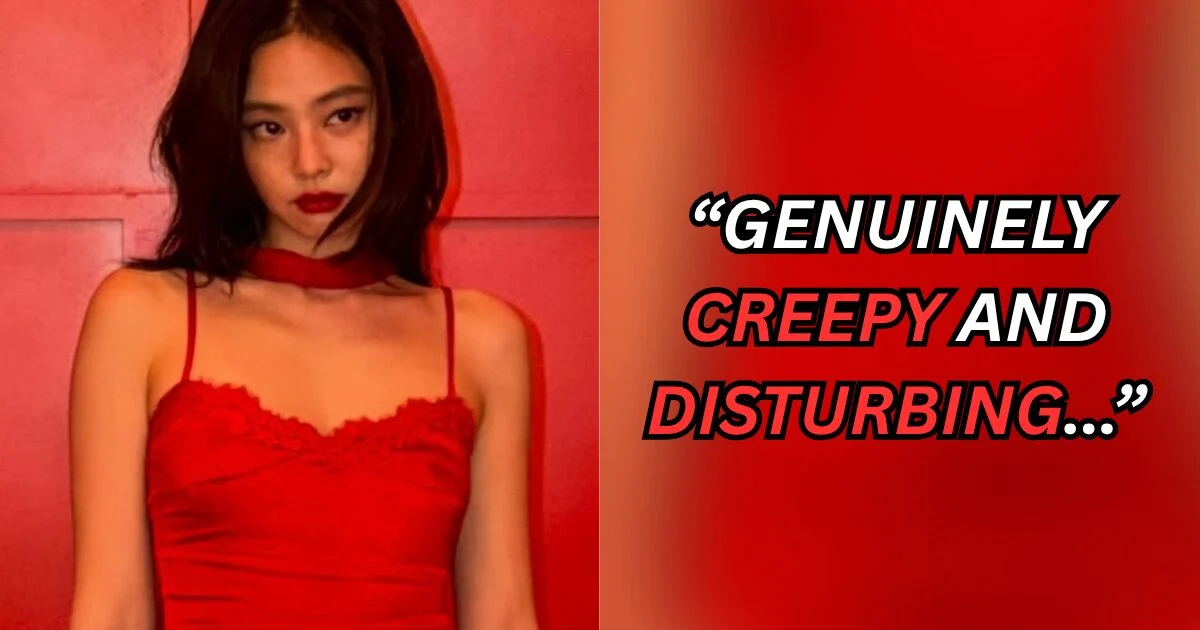
The global music landscape was significantly impacted on August 28, 2026, when BLACKPINK member Jennie Kim released her highly anticipated three-track EP titled Fallen Angel. While the release was initially met with massive streaming numbers and global chart dominance, it has since become the center of a polarizing debate regarding the use of child actors and religious symbolism in popular media. The controversy specifically targets the music video for the title track, "Fallen Angel," which critics argue crosses ethical boundaries by placing children in "disturbing" and "satanic" ritualistic contexts.
The Release of Fallen Angel and Artistic Direction
Jennie’s latest project, Fallen Angel, represents a significant milestone in her solo career, marking her continued evolution as a creative force following the establishment of her independent label, Odd Atelier (OA). The EP consists of three distinct tracks: the titular "Fallen Angel," "Heaven," and the pre-release single "Less Than A Lover." Each track was designed to showcase a different facet of Jennie’s vocal range and artistic identity, moving away from the high-energy dance-pop associated with her earlier work toward a more atmospheric, avant-garde aesthetic.
The music videos for "Fallen Angel" and "Heaven" were released simultaneously with the EP. While "Heaven" was praised for its ethereal and bright visuals, "Fallen Angel" took a starkly different turn. Directed by a team known for surrealist and gothic cinematography, the video explores themes of innocence lost, divine judgment, and internal conflict. However, it is the final sequence of the "Fallen Angel" music video that has ignited a firestorm of criticism across social media platforms and international forums.
Detailed Chronology of the Controversy
The timeline of the backlash began within minutes of the video’s premiere on August 28. Early viewers initially praised the high production value and the dark, cinematic quality of the visuals. However, as the video reached a wider global audience over the following 48 hours, the tone of the conversation shifted from appreciation to concern.
On August 29, several clips from the ending of the music video began circulating on X (formerly Twitter) and TikTok. The scenes in question depict a group of children dressed in pristine white garments, their faces obscured by translucent red veils. These children are seen leading the viewer toward a burning structure. In a pivotal shot, a young girl, styled to look identical to Jennie, sits amidst a dense thicket of thorns. The camera then reveals Jennie herself, surrounded by the children, each holding a flickering candle in a manner that many viewers interpreted as a ritualistic circle.
By August 30, the hashtags associated with the release were flooded with divided opinions. While "Blinks" (BLACKPINK fans) defended the video as a piece of performance art utilizing classical metaphors of the "Fallen Angel" (often associated with the biblical figure of Lucifer), a growing segment of the general public expressed discomfort. The accusations intensified as netizens began labeling the imagery as "satanic" and "exploitative" toward the child performers involved.
Analyzing the Accusations: Religious Symbolism and Child Safety
The criticism directed at Jennie and her creative team falls into two primary categories: the use of occult imagery and the ethical implications of involving minors in such themes.
The Debate Over "Satanic" Imagery
A significant portion of the backlash stems from the interpretation of the song’s title and its visual accompaniment. In theological contexts, a "Fallen Angel" is a direct reference to the rebellion of Lucifer against the divine. Critics argue that by combining this title with imagery of red veils, burning houses, and candlelit circles, the production team intentionally invoked satanic ritualism to generate shock value.
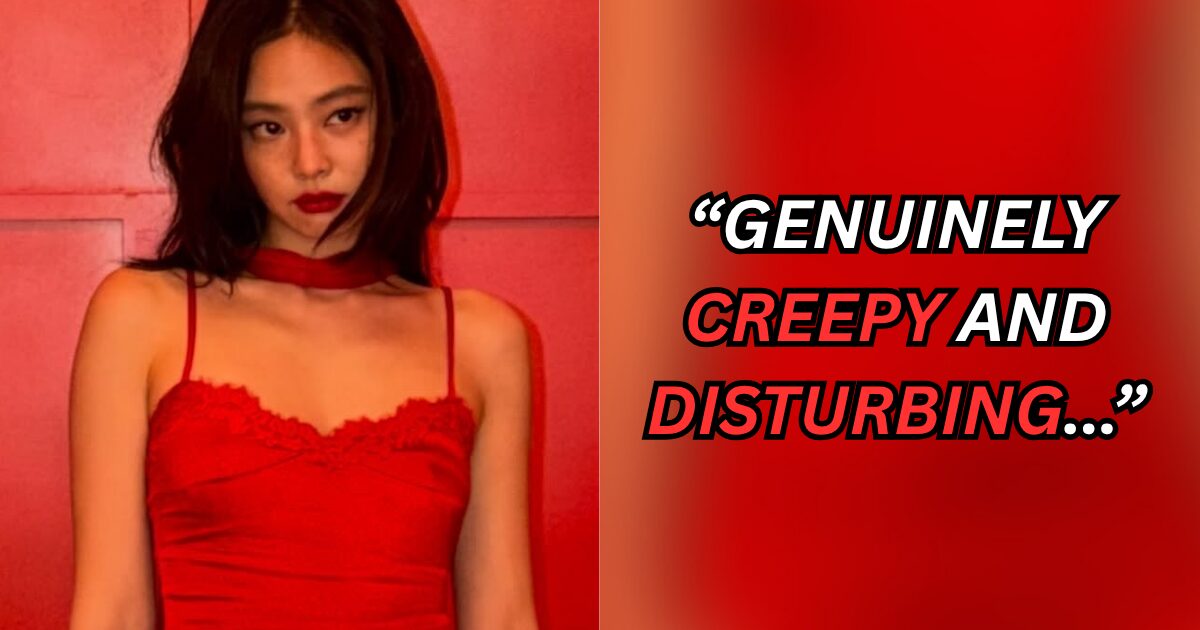
One viral post on X remarked, "Dressing children in red and having them hold candles around a flame like this is genuinely creepy and disturbing… She’s weird as hell for this." Others pointed out that the juxtaposition of childhood innocence with dark, occult-adjacent aesthetics felt "unnecessarily provocative" and "darkly suggestive."
Ethical Concerns Regarding Minor Involvement
The more serious accusation involves the "use" of children as "pawns" in a mature narrative. Following increased global sensitivity toward the protection of minors in the entertainment industry, some netizens questioned the psychological impact on the child actors participating in a set designed to look like a burning house or a ritual site.
Commentators on various platforms argued that using children to portray "creepy" or "chilling" roles in a music video that explores themes of the devil or fallen grace is a step too far. One netizen noted, "After the Epstein files, the idea of using children as pawns in this sort of thing feels horrible rather than creative." This sentiment reflects a broader cultural shift where audiences are increasingly critical of how children are utilized in adult-oriented artistic expressions.

Supporting Data and Industry Context
The controversy comes at a time when Jennie’s solo ventures are under more scrutiny than ever. Since launching her own label, OA, she has taken full creative control over her brand. Data from the first 24 hours of the Fallen Angel release shows that the music video garnered over 35 million views, making it one of the most-watched solo releases of the year. However, the "dislike" ratio and the volume of negative sentiment in the comments section were notably higher than her previous release, "Mantra."
In the broader context of K-pop, the industry has a long history of utilizing religious and dark concepts. Groups like VIXX, Dreamcatcher, and soloists like SHINee’s Taemin have frequently used gothic or "dark" themes to critical acclaim. However, the specific combination of children and ritualistic aesthetics in Jennie’s video appears to have hit a nerve that previous "dark" concepts did not.
Industry analysts suggest that the backlash is partly due to Jennie’s status as a global fashion and cultural icon. Because she is a role model for millions of young fans worldwide, her choice to engage with imagery that can be interpreted as "satanic" or "anti-religious" is viewed through a much harsher lens than it might be for a less prominent artist.
Responses and Counter-Arguments
As of August 31, neither Jennie nor her label, Odd Atelier, has issued a formal statement regarding the specific accusations of "satanic" imagery or child exploitation. However, sources close to the production team, speaking anonymously to industry insiders, suggest that the children were accompanied by their legal guardians at all times on set and that the "burning house" was a combination of controlled practical effects and CGI, ensuring a safe environment.
Supporters of the artist have launched a counter-campaign, arguing that the video is being misinterpreted. They contend that the red veils represent "passion and the blood of the fallen," while the children represent "lost innocence" or "the inner child" trying to navigate a world of pain (symbolized by the thorns). Fans have pointed out that "Fallen Angel" is a common trope in Western literature and art, from John Milton’s Paradise Lost to the paintings of Alexandre Cabanel, and that Jennie is simply participating in a long tradition of exploring these themes.
Broader Impact and Implications for the K-pop Industry
This controversy highlights the growing tension between K-pop’s desire for global artistic legitimacy and the diverse cultural and religious sensitivities of its worldwide audience. As K-pop idols transition from "manufactured" stars to independent artists with their own labels, they are pushing the boundaries of what is acceptable in a genre that was once known for being strictly "clean" and "family-friendly."

The "Fallen Angel" incident may lead to stricter internal guidelines regarding the use of child actors in music videos, particularly those with dark or mature themes. Furthermore, it serves as a case study in how social media can rapidly transform an artistic choice into a global ethical debate.
For Jennie, the controversy is a double-edged sword. On one hand, the "Fallen Angel" EP is a commercial success, proving her staying power as a soloist. On the other hand, the accusations of "using kids" for "satanic" imagery could potentially alienate certain demographics and brand partners who prefer to avoid religious or ethical controversies.
As the music video continues to accumulate millions of views, the conversation remains divided. Whether "Fallen Angel" will be remembered as a bold step into high-concept artistry or a lapse in creative judgment remains to be seen. For now, the debate continues to rage, reflecting deeper societal anxieties about the intersection of childhood, religion, and the ever-evolving world of pop superstardom.

