 By Neng Nana
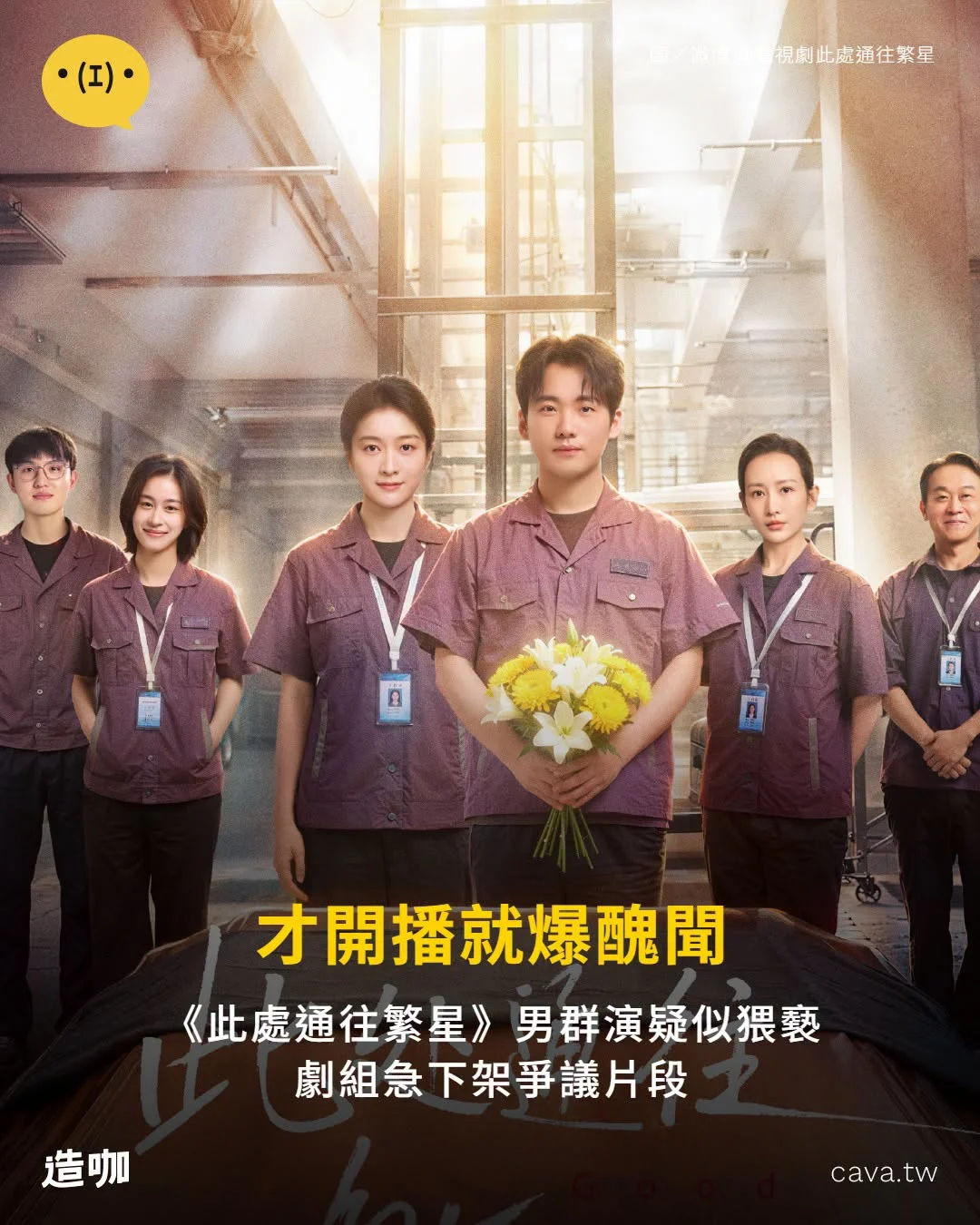
The Chinese drama This Way to the Stars is currently embroiled in a serious controversy, prompting its production team to remove specific footage and launch a comprehensive investigation into an alleged sexual assault that reportedly occurred on set. This incident, which rapidly gained traction across social media platforms, has sparked widespread public outcry and brought renewed scrutiny to workplace safety standards within the entertainment industry. The drama, starring prominent actors Guo Qilin and Zhang Xueying, was conceived as a poignant narrative exploring themes of professionalism and human connection within the unique setting of a funeral home, where a young man navigates his new career path and reconnects with old friends.
Background on This Way to the Stars
This Way to the Stars (translated from its Chinese title) is a contemporary Chinese drama that has been in production, aiming to capture audiences with its distinctive premise. The series centers on a protagonist who embarks on a career in the funeral industry, a setting rarely explored in mainstream dramas, offering a unique blend of emotional depth, personal growth, and societal commentary. The casting of well-known talents like Guo Qilin and Zhang Xueying, both recognizable figures in the Chinese entertainment landscape, had initially generated considerable anticipation for the series. Guo Qilin is known for his work in both television and traditional Chinese comedic performing arts (crosstalk), while Zhang Xueying has a strong acting portfolio from her child acting days to more mature roles. The drama’s storyline, focusing on learning empathy, diligence, and respect in handling delicate matters, ironically contrasts sharply with the alleged incident that has now overshadowed its artistic intentions. The Chinese drama industry, often referred to as C-drama, is a colossal enterprise, producing hundreds of series annually for both domestic consumption and international distribution. With vast budgets, elaborate sets, and a massive workforce, these productions are complex ecosystems where the well-being of every cast and crew member is paramount.

Chronology of the Alleged Incident and Public Reaction
The controversy erupted following the circulation of a now-deleted video online. The footage depicted an actress in evident distress, crying, as two other individuals attempted to comfort her. One of these individuals, identified as a male extra, was observed with his hand allegedly placed over the actress’s chest. Eyewitness accounts and subsequent analyses of the video highlighted what many viewers described as a "smirk" on the male extra’s face, a detail that exacerbated public anger and fuelled suspicions of impropriety. The video quickly went viral across Chinese social media platforms, particularly Weibo, where users expressed profound shock, disgust, and solidarity with the alleged victim. The swift and intense public reaction underscored a growing intolerance for misconduct within the entertainment sector, echoing global movements advocating for safer workplaces and accountability for predatory behavior. Hashtags related to the drama and the alleged incident trended, with netizens demanding immediate action from the production company and relevant authorities. The explicit nature of the alleged action, combined with the apparent emotional vulnerability of the actress, triggered a visceral response from an audience increasingly sensitive to issues of consent and professional conduct.
Production Company’s Immediate Response and Investigation

In the face of mounting public pressure and widespread condemnation, the production team behind This Way to the Stars issued a prompt official statement. Acknowledging the gravity of the allegations, the company confirmed that the footage in question had been immediately removed from all platforms. More critically, they announced the initiation of a thorough internal investigation into the incident. The statement emphasized the production company’s commitment to reaching out directly to both the actress involved and the male extra to gather their respective accounts and perspectives. This direct engagement is a crucial step in understanding the full context of the events and ensuring that all parties have an opportunity to be heard. Furthermore, the production team unequivocally stated that the safety and well-being of everyone on set were their utmost priority. They explicitly condemned any form of inappropriate behavior, asserting a zero-tolerance policy for such actions. This rapid and decisive response was likely an attempt to mitigate further reputational damage and demonstrate a commitment to ethical production practices, although the long-term impact on the drama’s reception remains to be seen. The ongoing investigation is expected to determine the exact nature of the interaction and whether any criminal or disciplinary actions are warranted.
Broader Implications for Workplace Safety in the Entertainment Industry
This incident resonates deeply with the ongoing global conversation surrounding workplace safety and accountability, particularly within the entertainment sector. The #MeToo movement, which gained significant traction worldwide, has highlighted systemic issues of harassment, abuse, and power imbalances that often exist on film and television sets. While the specifics of each cultural context vary, the core demand for respect, consent, and safe working environments remains universal. In Asia, and particularly within the vibrant but often high-pressure environments of C-drama, K-drama, and J-drama productions, discussions around these issues have been gaining momentum. Stories of long working hours, intense competition, and hierarchical structures can sometimes create vulnerabilities for actors and crew, especially those in less prominent roles, such as extras, who may feel less empowered to speak out against misconduct.

The alleged incident on the set of This Way to the Stars serves as a stark reminder that despite increased awareness, challenges persist. It underscores the critical need for production companies to not only have policies in place but also to actively enforce them, fostering a culture where individuals feel safe to report incidents without fear of reprisal. This includes establishing clear channels for reporting, providing support mechanisms for victims, and implementing comprehensive anti-harassment training for all cast and crew members. The entertainment industry, by its very nature, often involves intimate scenes, intense emotional performances, and close physical proximity, making explicit consent and professional boundaries absolutely essential.
Legal and Ethical Considerations
The legal ramifications of the alleged sexual assault, if substantiated by the ongoing investigation, could be severe for the male extra involved. Depending on the specific details and the legal framework in China, charges could range from harassment to sexual assault, potentially leading to criminal prosecution and significant penalties. Beyond the immediate legal consequences for the alleged perpetrator, the incident carries substantial ethical and reputational implications for the production company and the drama itself. Even with a swift response, the association with such a serious allegation can tarnish the brand image of the drama, potentially impacting viewership and future collaborations.

Ethically, production companies bear a significant responsibility to create and maintain a safe and respectful work environment. This responsibility extends beyond merely addressing incidents after they occur; it necessitates proactive measures to prevent them. This includes rigorous vetting of personnel, clear communication of conduct expectations, and the presence of independent oversight or HR representatives on set. The emotional and psychological toll on the actress involved, regardless of the outcome of the investigation, is also a critical ethical consideration. Providing adequate support and ensuring her well-being should be a paramount concern for the production team. The incident also prompts questions about the supervision of extras and supporting cast members, who may not always receive the same level of attention or protection as lead actors.
Industry Standards and Future Outlook
This controversy is likely to prompt a broader reevaluation of industry standards within Chinese entertainment. While many production houses have adopted modern protocols, incidents like this highlight gaps that still need to be addressed. There is an opportunity for the industry to collectively strengthen its guidelines for on-set conduct, develop more robust reporting mechanisms, and implement mandatory training programs on consent, harassment prevention, and respectful interaction. This could involve formalizing codes of conduct, establishing independent ombudsmen or ethics committees, and increasing transparency in handling such sensitive matters.

The power of social media in amplifying these issues and holding institutions accountable cannot be overstated. In this instance, public outcry played a significant role in compelling the production company to take immediate action. This dynamic underscores the evolving relationship between the public, media, and entertainment industries, where audiences increasingly demand ethical production practices and social responsibility from the content they consume.
As the investigation into the alleged incident on the set of This Way to the Stars continues, the outcome will undoubtedly set a precedent for how similar cases are handled in the future. It serves as a crucial moment for the Chinese entertainment industry to reaffirm its commitment to creating safe, respectful, and professional environments for all its participants, ensuring that the pursuit of captivating storytelling never comes at the cost of human dignity and safety. The industry’s capacity to learn from and effectively address such serious allegations will be a testament to its maturity and its dedication to upholding fundamental ethical standards.

