 By Nana Muazin
In a candid revelation that peels back the layers of the meticulously curated K-Pop idol image, former ARIAZ member Hyogyeong, now known as Hyokey, has openly discussed the profound challenges female idols face while managing menstruation during their demanding careers. Her unfiltered account, shared recently, has sparked a vital conversation about an often-overlooked aspect of idol welfare, highlighting the physical discomfort, emotional stress, and logistical nightmares that periods present within the relentless K-Pop industry. This unprecedented transparency from an ex-idol underscores the urgent need for greater understanding, accommodation, and destigmatization surrounding menstrual health in a profession that prioritizes perfection and continuous output.
Hyokey’s Unfiltered Account: Navigating Monthly Challenges
Hyokey, who debuted with the girl group ARIAZ in 2019 under Star Empire Entertainment, offered a stark glimpse into the realities behind the scenes for female performers. Her group, like many others, faced intense promotional cycles, rigorous training, and a packed schedule that left little room for personal respite. It was within this demanding environment that the natural biological process of menstruation became a significant hurdle. Hyokey’s primary revelation centered on the severe logistical and emotional difficulties encountered by idols during their monthly cycles, particularly when these cycles align within a group.
According to Hyokey, the common phenomenon of menstrual synchrony among women who live and work closely together—a concept often referred to as menstrual cycle synchronicity or McClintock effect, though debated scientifically, is a widely reported experience—turns a girl group into what she vividly described as "ticking time bombs." This collective hormonal fluctuation and shared experience of premenstrual syndrome (PMS) symptoms, ranging from heightened emotional sensitivity, irritability, and fatigue to physical pain like cramps, bloating, and headaches, creates an environment where multiple members may be experiencing severe discomfort simultaneously. The collective impact can significantly affect group dynamics, mood, and overall well-being, yet the expectation to maintain a cheerful, energetic facade for the public remains absolute.
One of the most critical issues highlighted by Hyokey involved the elaborate and often impractical stage outfits. K-Pop styling, renowned globally for its aesthetic appeal and trend-setting designs, frequently prioritizes visual impact over functionality. Idols are often dressed in intricate ensembles that can involve multiple layers, tight-fitting garments, delicate fabrics, and complex fastenings. As Hyokey explained, using the restroom while on one’s period in such an outfit can transform a routine necessity into a "hellish" ordeal. The time-consuming process of completely removing and then redressing in these costumes during quick breaks at music shows or other events adds immense pressure and anxiety, especially when dealing with the urgency and hygiene concerns associated with menstruation. This practical challenge is compounded by the fear of visible accidents, a deeply stigmatizing prospect for public figures in a visually-driven industry.
Hyokey confessed to having had several "close calls" that bordered on "disasters," incidents where menstrual bleeding nearly became visible during performances or public appearances. She credited the ubiquitous "safety shorts"—undergarments worn by female idols beneath skirts and dresses for modesty and to prevent accidental exposure during energetic choreography—with literally "saving her from being socially destroyed." These shorts, while primarily intended for modesty, unintentionally serve as a crucial last line of defense against wardrobe malfunctions related to menstrual leaks, underscoring the constant underlying anxiety idols face.
The Unseen Burden: Menstruation and the Relentless K-Pop Machine
The K-Pop industry is globally recognized for its intense training regimens, rigorous schedules, and the immense pressure placed on idols to maintain a pristine image. From their trainee days, aspiring idols undergo years of demanding vocal, dance, and etiquette lessons, often sacrificing personal lives and education. Upon debut, the schedule becomes even more grueling, encompassing early morning broadcasts, late-night rehearsals, fan meetings, overseas tours, and constant content creation. This relentless pace, combined with strict dietary restrictions and minimal rest, can significantly impact an idol’s physical and mental health.
Menstruation, a natural physiological process, brings with it a spectrum of symptoms that can range from mild inconvenience to debilitating pain. Approximately 80% of women experience some form of discomfort during their menstrual cycle, with conditions like dysmenorrhea (painful periods) affecting a substantial portion. Symptoms such as severe abdominal cramps, lower back pain, headaches, nausea, fatigue, and mood swings are common. For an idol, whose job demands peak physical performance, unwavering emotional stability, and an ever-present smile, managing these symptoms without visible struggle is an almost impossible feat. Unlike individuals in many other professions who might have the option to take a sick day, adjust their schedule, or wear more comfortable attire, idols are expected to perform flawlessly regardless of their internal struggles. The show must, literally, go on.
The industry’s emphasis on visual perfection and constant public scrutiny leaves no room for vulnerability. An idol experiencing cramps might be perceived as lacking energy, or worse, unprofessional. The fear of being photographed or filmed during a moment of discomfort adds another layer of stress. This pressure to constantly appear cheerful and energetic, even when battling significant physical pain, can lead to chronic stress, anxiety, and burnout.
Fashion and Function: The Styling Dilemma
K-Pop fashion is an integral part of an idol’s persona and group concept. Stylists meticulously craft outfits that align with comeback themes, showcase individual member strengths, and create memorable visual identities. However, this pursuit of aesthetic perfection often overlooks practical considerations, particularly concerning female idols’ biological needs.

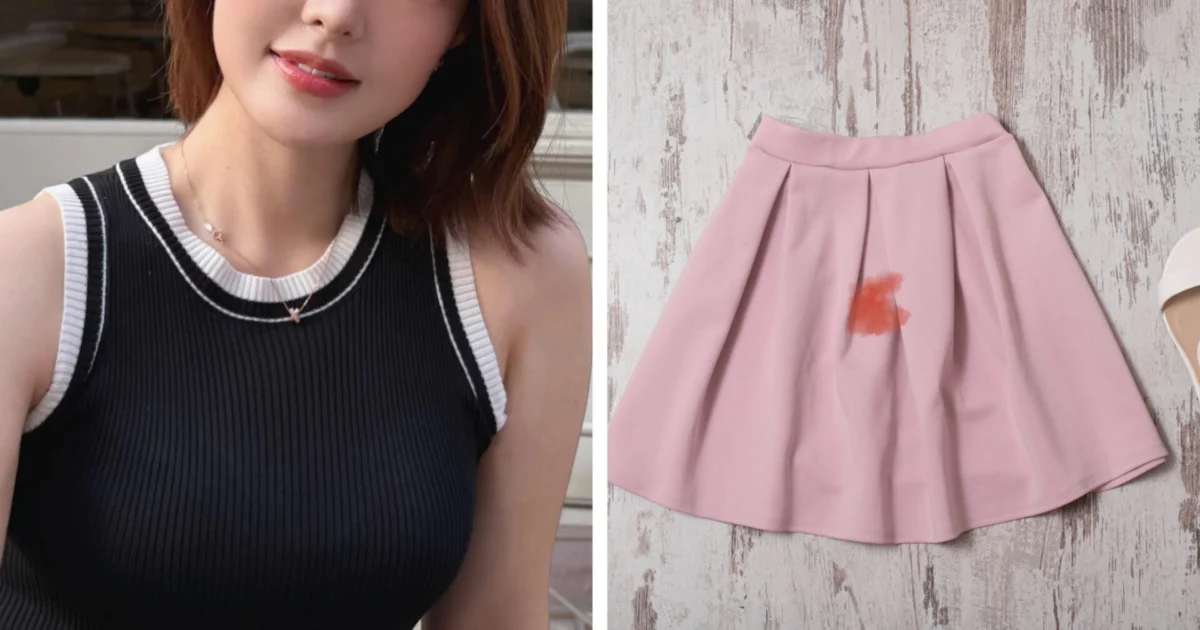
Outfits frequently feature light colors (whites, pastels), short skirts, shorts, or dresses, and intricate designs that are visually appealing but logistically challenging. For an idol on her period, a light-colored bottom garment presents a constant risk of visible stains, leading to immense anxiety. The multi-layered or tightly fitted nature of many stage costumes makes quick changes or discreet bathroom breaks nearly impossible. Imagine needing to untie, unbutton, or unzip several components of an outfit, navigate a public restroom quickly, manage menstrual products, and then meticulously re-dress—all within a span of mere minutes backstage between performances or recordings. This is the "hell" Hyokey alluded to, a scenario that is not just uncomfortable but can be deeply humiliating if an accident occurs.
The reliance on safety shorts, while a practical solution for modesty, also highlights the inherent design flaws in stage wear when considering menstrual health. While they prevent accidental exposure, their secondary function as a safeguard against menstrual leaks speaks volumes about the lack of proactive measures taken in styling decisions. A truly accommodating approach would involve designing outfits with more accessible fasteners, using darker or patterned fabrics for bottoms, or providing alternative comfortable options during periods, especially for pre-recordings or less visible engagements.
The Stigma and Silence: A Cultural Barrier
The discussion around menstruation remains a taboo subject in many cultures worldwide, including South Korea. Historically, menstruation has been associated with impurity, shame, and secrecy, leading to a pervasive culture of silence. This stigma is particularly pronounced in conservative societies where open discussions about bodily functions are often avoided. For K-Pop idols, whose images are meticulously managed and often presented as aspirational and flawless, openly discussing something as "unclean" or "unpleasant" as menstruation could be perceived as damaging to their carefully constructed public persona.
This cultural backdrop explains why Hyokey’s revelations are so significant. Her decision to speak out breaks a long-standing silence, challenging the industry’s unwritten rule that idols must never appear less than perfect, even in their most private struggles. The fear of being seen as "weak" or "unprofessional" for experiencing natural bodily processes has forced countless idols to suffer in silence, contributing to psychological distress and potentially exacerbating physical symptoms. The lack of open dialogue also prevents agencies and staff from fully understanding the challenges and implementing supportive policies.
Broader Implications for Idol Welfare and Industry Change
Hyokey’s testimony serves as a crucial catalyst for a broader conversation about idol welfare. It highlights that while K-Pop has made strides in addressing mental health concerns in recent years, physical health, particularly gender-specific issues like menstruation, still lags behind.
The implications of these challenges are multifaceted:
- Physical Health: Continuous stress, irregular sleep, restrictive diets, and intense physical activity can disrupt menstrual cycles, leading to irregular periods, amenorrhea (absence of menstruation), or exacerbating conditions like PCOS (Polycystic Ovary Syndrome) or endometriosis. Ignoring these issues can have long-term health consequences for idols.
- Mental Health: The constant anxiety about leaks, the pressure to hide pain, and the inability to rest can significantly contribute to mental health issues like chronic stress, anxiety, depression, and burnout.
- Performance Quality: While idols are expected to perform flawlessly, severe menstrual symptoms can undoubtedly affect focus, energy levels, and overall performance quality. The mental effort required to suppress pain and anxiety detracts from their ability to fully immerse themselves in their art.
- Industry Responsibility: Entertainment agencies have a responsibility to ensure the holistic well-being of their artists. This includes providing adequate medical support, ensuring stylists are aware of and accommodate menstrual needs, offering flexible schedules where possible, and fostering an environment where idols feel comfortable discussing their health concerns without fear of reprisal or judgment.
Medical Perspectives on Menstrual Health Under Stress
Medical professionals consistently emphasize the link between stress, intense physical activity, and menstrual health. High-stress environments can disrupt the delicate hormonal balance that regulates the menstrual cycle, leading to irregularities, heavier bleeding, or increased pain. For K-Pop idols, who operate under extreme pressure, these effects are likely amplified. Maintaining a healthy weight, which is often difficult for idols due to strict diets and high energy expenditure, also plays a role in menstrual regularity. Doctors would advocate for comprehensive health monitoring for idols, including regular gynecological check-ups, access to specialists, and education on managing menstrual symptoms effectively, perhaps through medication, dietary adjustments, or stress reduction techniques.
The Path Forward: Towards a More Empathetic K-Pop Industry
Hyokey’s brave disclosure is a call to action for the entire K-Pop industry. It underscores that true idol welfare extends beyond mental health awareness to encompass fundamental biological needs. Moving forward, several changes are imperative:
- Open Dialogue: Agencies, stylists, and idols themselves need to foster an environment of open communication where menstrual health can be discussed without shame or discomfort.
- Styling Innovations: Stylists should consider practicalities and comfort alongside aesthetics, perhaps offering menstrual-friendly outfit options or designing garments that allow for easier bathroom breaks.
- Medical Support: Enhanced access to gynecological care, pain management strategies, and educational resources for idols regarding menstrual health.
- Schedule Flexibility: While challenging, agencies could explore ways to build in more rest days or adjust schedules slightly during peak menstrual periods, particularly for pre-recorded content where live performance pressures are lower.
- Fan Education: Educating fans about the realities of idol life, including natural bodily functions, can help reduce unrealistic expectations and cultivate a more empathetic fandom culture.
Hyokey’s decision to speak out is a testament to the growing courage of former idols to demystify the K-Pop industry. Her frankness provides invaluable insight into the unseen struggles faced by many female performers. By shedding light on this long-taboo subject, she has opened the door for a necessary evolution in how the industry approaches and supports the holistic well-being of its female artists, paving the way for a more humane and understanding environment for current and future generations of K-Pop stars.

