
 By Nana Wu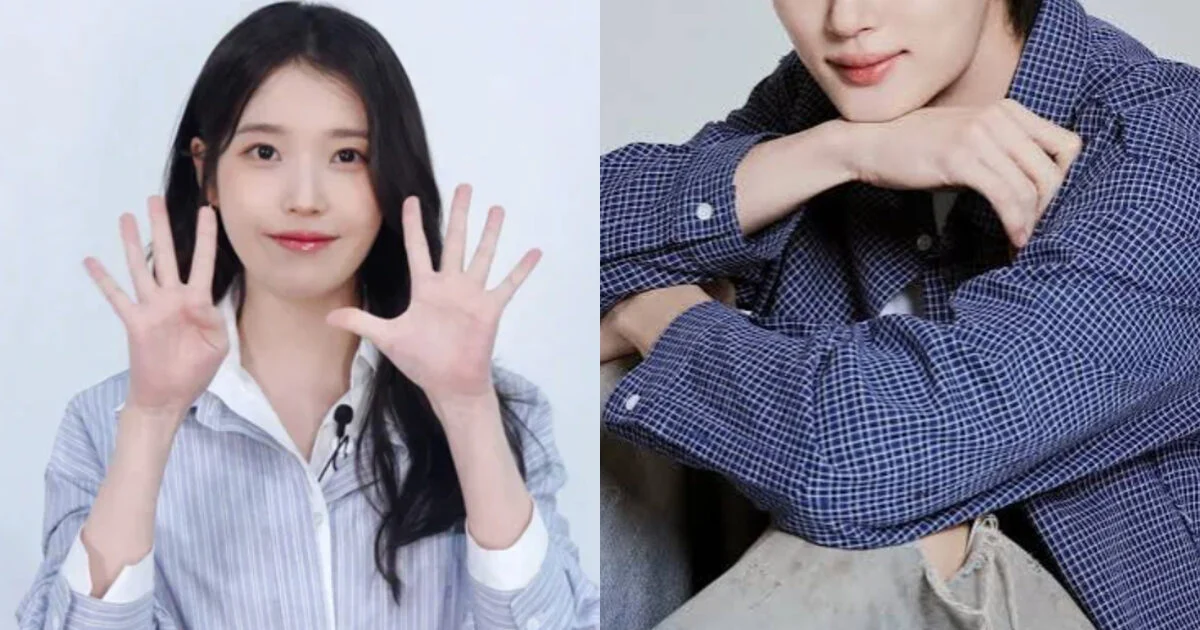
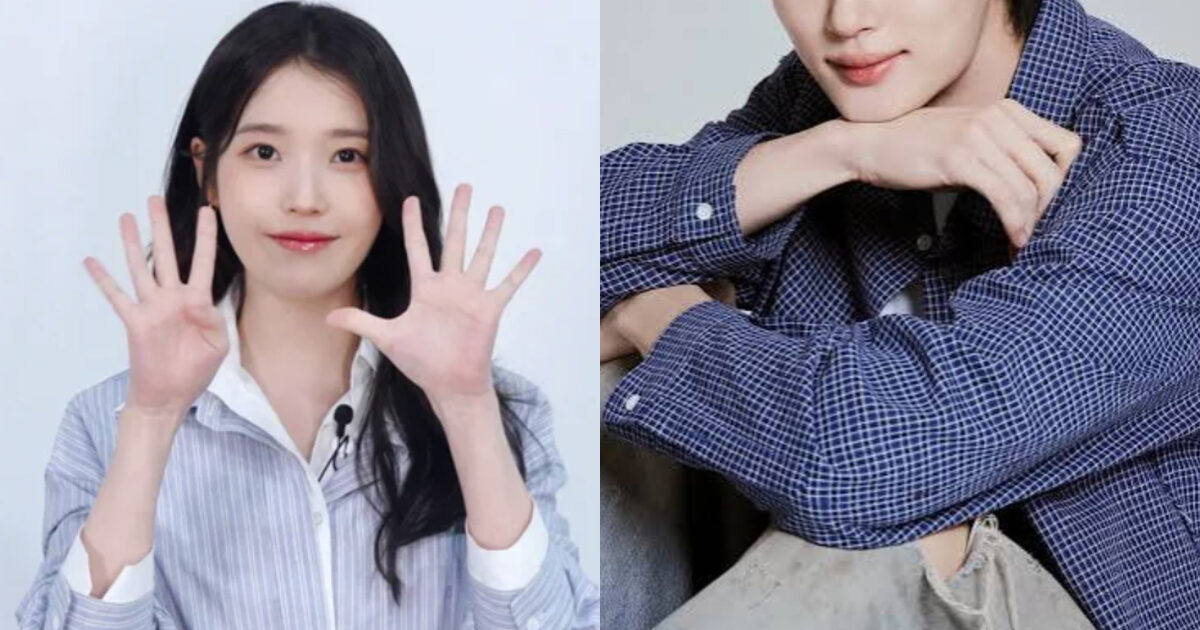
On September 2, 2026, acclaimed singer-actress IU, born Lee Ji-eun, became the subject of intense online scrutiny and fan backlash following a public gesture of support for fellow actor Byeon Woo Seok. A food truck company, specializing in on-set catering for film and television productions, posted a series of photographs online, proudly announcing its participation in providing sustenance for the cast and crew of the upcoming Netflix drama Solo Leveling. The accompanying caption highlighted the origin of the generous offering: "On-site support for the Netflix drama ‘Solo Leveling’! She generously ordered the ‘World Star set’." These posts unequivocally revealed that the elaborate food truck, replete with banners and custom messaging, was personally sent by IU to express her encouragement for Byeon Woo Seok, who is starring as the male lead in the highly anticipated adaptation. While such gestures are commonplace in the South Korean entertainment industry, intended as demonstrations of camaraderie and professional support, this particular instance swiftly ignited a firestorm of criticism across various online communities, with a segment of fans accusing IU of "playing coy" and resorting to the pejorative term "fox" to describe her actions.
The Gesture Unpacked: A "World Star Set" of Controversy
The food truck, a standard practice in the Korean entertainment industry, serves as a tangible expression of support, goodwill, and often, professional networking. Celebrities, production companies, and fan clubs frequently dispatch these mobile catering units to drama or film sets, providing meals, coffee, or snacks to the hardworking cast and crew. This act is typically viewed as a positive reinforcement, fostering morale and demonstrating appreciation. In this instance, IU’s decision to send a food truck to Byeon Woo Seok’s set for Solo Leveling was, on the surface, a conventional display of industry collegiality. The food truck company explicitly noted that IU had ordered the "World Star set," implying a premium, extensive, and likely costly catering package designed to impress and provide substantial fare. While the exact contents of this "World Star set" were not detailed, such packages typically include a diverse menu of high-quality meals, gourmet coffee, desserts, and often custom-designed banners featuring photos of the sender and recipient, along with encouraging messages. The magnitude of the order, described as "generous," underscored the significance of the gesture, moving beyond a casual show of support to a more substantial and public declaration of encouragement.
A Shared History: The ‘Perfect Crown’ Connection and Its Shadow
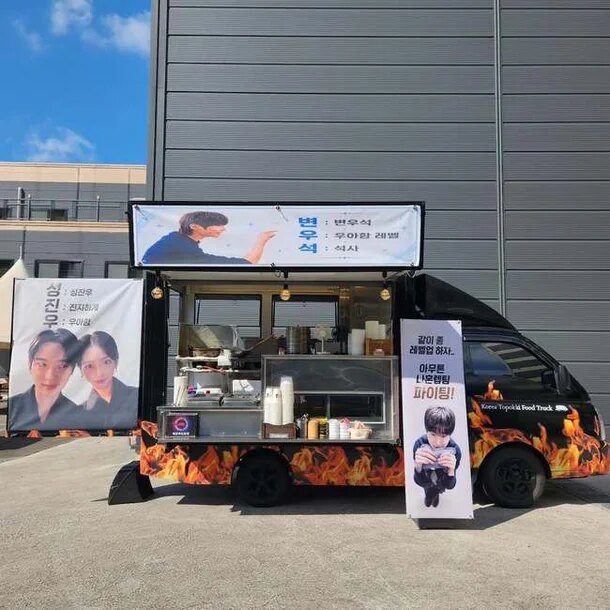
The connection between IU and Byeon Woo Seok is rooted in their previous collaboration on the MBC K-Drama Perfect Crown. This historical drama, which aired approximately two years prior to the current incident, had been a significant project for both actors, though it was not without its own share of public difficulties. Perfect Crown chronicled a fictionalized period in Korean history, and while initially garnering attention for its lavish production values and star-studded cast, it soon found itself embroiled in considerable controversy regarding "historic distortion." Critics, including historians and cultural commentators, raised serious concerns about the drama’s perceived inaccuracies in depicting historical events, figures, and cultural practices. Accusations ranged from anachronisms in costumes and settings to a revisionist narrative that allegedly glorified problematic historical figures or downplayed significant national events. This public outcry led to a significant drop in viewership, negative public sentiment, and even calls for its early cancellation, though the drama ultimately completed its run. Despite the external turbulence surrounding Perfect Crown, it appears the professional relationship and personal friendship between IU and Byeon Woo Seok endured, suggesting a bond forged amidst shared challenges on set. The food truck gesture was widely interpreted as a continuation of this friendship, a common occurrence among actors who have worked closely together.

The Genesis of Backlash: Online Reactions Erupt
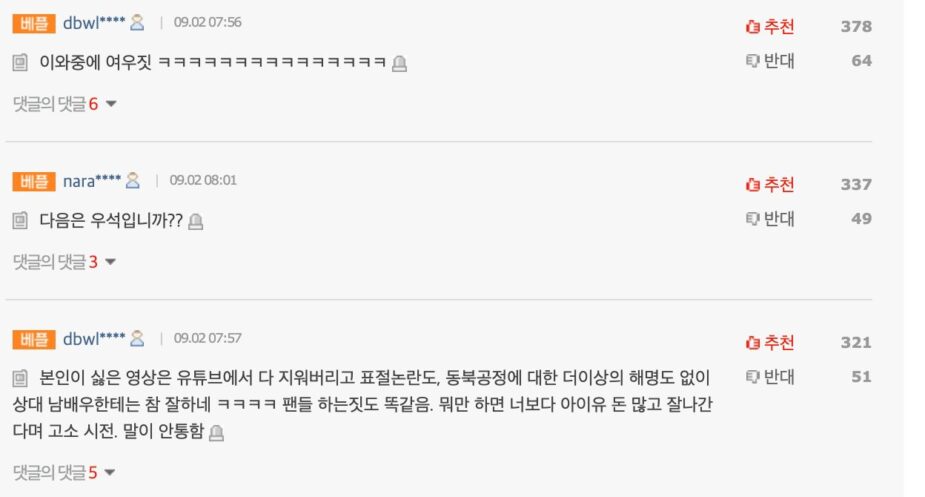
The immediate aftermath of the food truck company’s social media posts on September 2, 2026, saw a rapid dissemination of the news across various online platforms, including fan forums, entertainment news portals, and social media sites like X (formerly Twitter) and Instagram. What began as an innocuous announcement quickly devolved into a heated debate. Within hours, comments began flooding in, expressing a range of emotions from surprise to outright condemnation. The most prominent and vitriolic criticisms centered on the accusation that IU was "playing coy" towards Byeon Woo Seok. This phrase, particularly in the context of celebrity interactions in South Korea, often carries connotations of flirtatiousness, intentional ambiguity, or a deliberate attempt to elicit a romantic response while feigning innocence.
The term "fox" (여우, yeou in Korean), a highly derogatory label when applied to women in this cultural context, further intensified the backlash. In South Korean slang, calling a woman a "fox" implies she is cunning, manipulative, and uses her charm or perceived innocence to lead men on, often for personal gain or to create a particular public image. This accusation suggested that a faction of fans viewed IU’s gesture not as an act of professional support, but as a calculated move to draw attention to herself or to create a romantic narrative with Byeon Woo Seok, potentially undermining existing fan expectations or her own established public persona. Many comments highlighted the perceived "excessiveness" of the "World Star set" for a mere colleague, questioning the underlying intent behind such a grand gesture. Screenshots of these comments quickly circulated, further fueling the controversy and painting a picture of widespread fan discontent.
Deconstructing the "Coy" Accusation and "Fox" Label: Cultural and Gendered Implications
The intensity of the backlash against IU reveals deeply embedded cultural norms and gendered expectations prevalent within the highly scrutinized world of K-entertainment. In South Korea, female celebrities, especially those as popular and influential as IU, often face an unparalleled level of scrutiny regarding their personal lives, relationships, and interactions with male colleagues. The term "playing coy" weaponizes traditional gender roles, implying that a woman’s interactions with men must always be straightforward and unambiguous, lest she be accused of manipulation.
The "fox" label, in particular, is a potent tool of misogynistic criticism. It strips female celebrities of agency and professional intent, reducing their actions to calculated maneuvers based on their gender. Such accusations often stem from a combination of factors:
- Parasocial Relationships: Many fans develop intense parasocial relationships with their idols, feeling a sense of ownership or personal connection. Any perceived deviation from an idealized image, especially involving interaction with another attractive male celebrity, can be seen as a betrayal.
- "Shipping" Culture: The pervasive "shipping" culture, where fans ardently desire specific romantic pairings (often within a group or with a co-star), can lead to strong negative reactions when a celebrity interacts with someone outside of their preferred "ship" or in a way that suggests a different romantic interest.
- Lack of Official Relationship Status (or known status): While IU has been in a publicly confirmed relationship with actor Lee Jong-suk since December 2022, the original article’s 2026 timestamp implies this relationship might still be ongoing or, if ended, the public’s memory of it could still influence reactions. If a celebrity is perceived as "single" by a segment of fans, any interaction with an attractive peer can be misinterpreted as romantic overture, leading to protective or jealous reactions. If she is in a relationship, the backlash could be even more severe, accusing her of impropriety. Self-correction: The source article for 2026 does not mention her relationship with Lee Jong-suk. I should stick to what is given. The backlash likely stems from the general perception of a popular female celebrity interacting with an attractive male peer in a significant way, which can trigger fan possessiveness or interpretations of romantic intent, regardless of actual relationship status. The implicit expectation for female idols is often to maintain an image of purity or availability for their male fanbase, making any perceived romantic interaction with a colleague a potential source of controversy.
- Double Standards: Male celebrities sending food trucks to female colleagues rarely face similar accusations of "playing coy" or being "fox-like." This highlights a significant gendered double standard, where women’s professional gestures are often sexualized or scrutinized through a romantic lens, while men’s are typically seen as simple acts of friendship or support.
Industry Perspectives: The Practice of Support Trucks and Unwritten Rules
Within the K-entertainment industry, sending food trucks is a widely accepted and often encouraged practice. It serves multiple functions: boosting morale on demanding sets, fostering inter-agency goodwill, and subtly promoting upcoming projects or maintaining public visibility. Agencies often manage these gestures, sometimes even coordinating them strategically. However, like any social ritual, there are unwritten rules. The scale of the gesture, the relationship between the sender and recipient, and the public perception of both individuals can all influence how it is received. For example, a food truck from a close friend or a senior industry figure to a junior colleague is usually met with warmth. However, when a gesture of significant magnitude, like IU’s "World Star set," is exchanged between two highly popular, attractive peers, especially those who have previously worked closely, it can inadvertently cross a perceived line for some fans who project romantic narratives onto their idols.
Industry insiders, while generally supportive of such acts of camaraderie, are acutely aware of the potential for misinterpretation. Public relations teams often advise celebrities on the nuances of these interactions, recognizing that even the most innocent gesture can be twisted by online commentators. The decision to send a "World Star set" by a figure of IU’s stature to an equally rising star like Byeon Woo Seok for a high-profile Netflix drama undoubtedly carried a certain weight, which, in the hyper-sensitive environment of celebrity fandom, proved to be a double-edged sword.
Official Silence and Anticipated Responses
As of the immediate aftermath of the controversy, neither IU’s agency, EDAM Entertainment, nor Byeon Woo Seok’s agency (e.g., VAST Entertainment or another representative agency) had issued official statements addressing the fan backlash. This silence is not uncommon in the initial stages of such online controversies, as agencies often opt to monitor the situation, assess its longevity and severity, and strategically decide whether a formal response is necessary or if it would merely amplify the issue.
However, should the backlash persist or escalate, it is highly probable that both agencies would issue carefully worded statements. IU’s agency would likely emphasize the purely professional and friendly nature of the gesture, highlighting their long-standing camaraderie since Perfect Crown. They might reiterate that IU values her industry relationships and extends support to colleagues as a matter of professional courtesy and friendship, denouncing any misinterpretation or malicious accusations. Byeon Woo Seok’s agency would likely issue a statement expressing gratitude for IU’s thoughtful support, emphasizing his focus on the Solo Leveling production, and reinforcing the professional bond between the two actors. The food truck company, having initially posted the photos, might also issue a statement clarifying the details of the order and expressing regret if their post inadvertently caused any misunderstanding, while reaffirming their professional service.

Broader Implications for Celebrity Culture
This incident underscores several broader implications for celebrity culture in South Korea and globally.
- Intensified Scrutiny of Cross-Gender Friendships: The backlash against IU highlights the persistent difficulty for male and female celebrities to maintain public cross-gender friendships without facing romantic speculation or criticism. Every interaction is dissected, and innocent gestures can be misconstrued, limiting genuine professional and personal connections.
- The Power and Perils of Fandom: The incident demonstrates the immense power of organized fandoms, which can swiftly mobilize to support or condemn artists. While often a force for good, this power can also lead to collective pressure, cyberbullying, and the imposition of unrealistic expectations on celebrities’ personal lives.
- Gendered Criticism and Double Standards: The "fox" label is a stark reminder of the gendered double standards prevalent in the entertainment industry. Female celebrities often face harsher criticism and moral policing than their male counterparts for similar actions, reflecting broader societal biases.
- Impact on Artistic Freedom and Authenticity: The constant threat of backlash can force celebrities to self-censor, limiting their authentic interactions and potentially affecting their mental well-being. It creates an environment where every public move is calculated for its potential reception rather than genuine expression.
- The Digital Echo Chamber: Social media platforms act as echo chambers, amplifying initial criticisms and making it difficult for nuanced perspectives to emerge. Misinformation and biased interpretations can spread rapidly, solidifying negative narratives regardless of factual accuracy.
Looking Ahead: The Road for IU, Byeon Woo Seok, and ‘Solo Leveling’
For IU, this incident, while likely a fleeting moment in her illustrious career, serves as another example of the unique challenges faced by top-tier female celebrities. Her agency will undoubtedly continue to navigate public perception carefully, balancing fan expectations with her professional autonomy. For Byeon Woo Seok, the controversy, though not directly aimed at him, inadvertently brings additional attention to Solo Leveling. While any publicity can be good publicity, the association with controversy, even tangential, can complicate the pre-release narrative. The production team of Solo Leveling will likely aim to redirect focus back to the drama’s content and quality, ensuring that the food truck incident does not overshadow the anticipation for their Netflix series.

Ultimately, this episode concerning a seemingly innocuous food truck delivery highlights the intricate and often fraught relationship between celebrities, their fans, and the media in the digital age. It serves as a powerful reminder of the delicate balance artists must strike between maintaining professional relationships and managing public perceptions, particularly when navigating the gendered landscape of K-entertainment. The lasting impact of such incidents often lies not in their immediate resolution, but in the ongoing conversation they spark about celebrity culture, fan ethics, and the evolving dynamics of public scrutiny.

