
 By Nila Kartika Wati
Korean beauty brand AMUSE is currently facing widespread condemnation and intense backlash from fans and consumers after its official Chinese sales channel was discovered to be utilizing a derogatory nickname associated with hate comments targeting IVE member Jang Wonyoung in its product listings. The controversy escalated rapidly, drawing particular scrutiny given Wonyoung’s prominent role as a former brand ambassador for AMUSE, with many fans pointing out that her contract with the company had only recently concluded, making the alleged disrespect even more egregious. This incident highlights the complex challenges of brand management in a globalized market and the critical importance of due diligence, especially when engaging with high-profile K-pop idols.
The Genesis of the Controversy: "Yingzi" and Its Derogatory Connotations
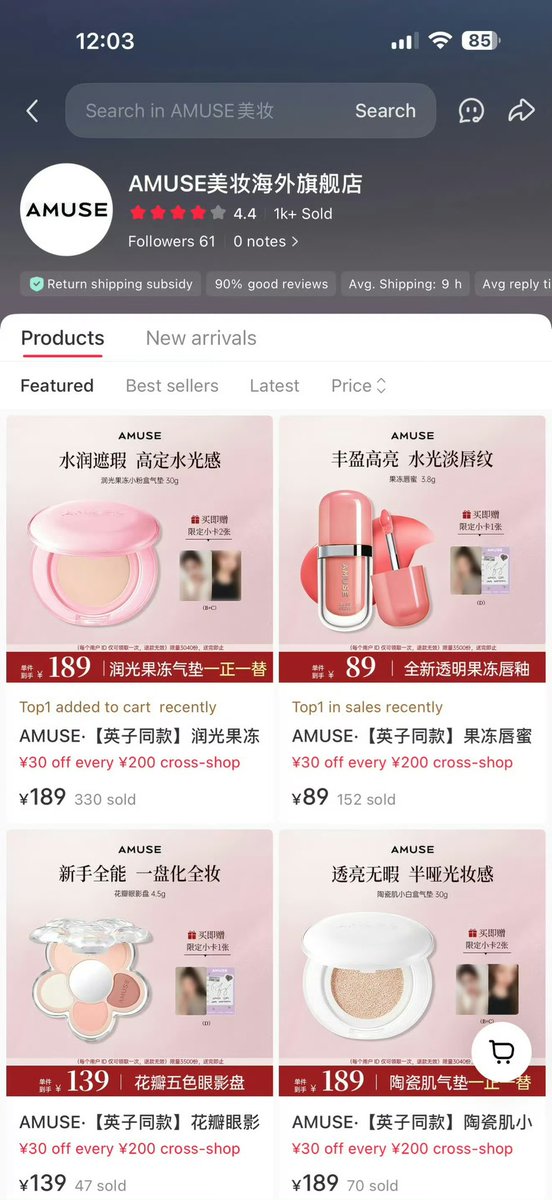
The core of the uproar stems from the appearance of the phrase "used by yingzi" in product titles and descriptions on AMUSE’s Chinese online storefront. Screenshots of these listings quickly circulated across social media platforms, igniting a firestorm among Wonyoung’s dedicated fanbase, known as DIVE. Fans familiar with the intricate dynamics of Chinese K-pop anti-fandoms immediately recognized "yingzi" not as an innocent transliteration or affectionate nickname, but as a widely circulated pejorative term specifically employed by detractors to demean and mock Jang Wonyoung.
In the highly vocal and often volatile landscape of online K-pop communities, anti-fandoms frequently invent and propagate specific nicknames or terms designed to be insulting. These terms are often created to undermine an idol’s image, ridicule their appearance, or belittle their achievements. For Jang Wonyoung, "yingzi" has reportedly been weaponized in this manner, becoming synonymous with negative discourse and online harassment directed at her. Its usage in product listings, therefore, was perceived as a direct endorsement or at least an alarming oversight by a brand that had previously benefited immensely from its association with the idol. The term carries a weight of negativity, transforming what might appear innocuous to an outsider into a deeply offensive slight for those aware of its origins and context within the fan community. This deliberate appropriation of a derogatory term by a commercial entity, especially one that had a professional relationship with the target, struck many as a profound betrayal.
Jang Wonyoung’s Influence and Her Role as AMUSE’s Brand Ambassador

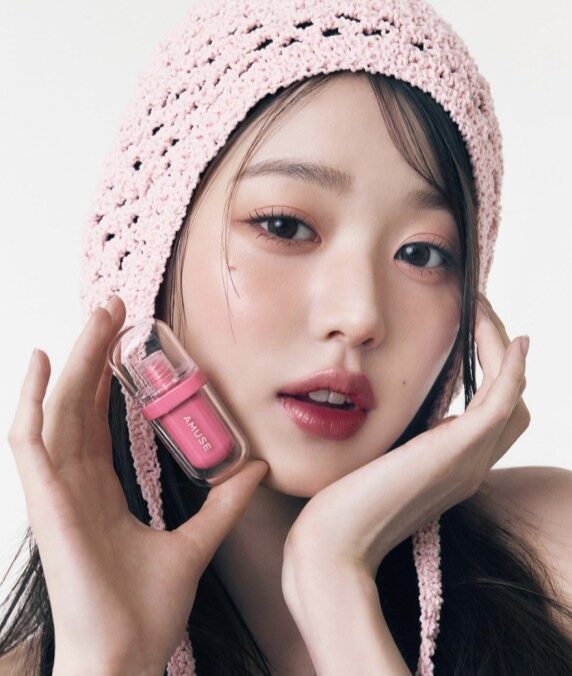
Jang Wonyoung’s impact as a brand ambassador for AMUSE cannot be overstated. Since her debut with IZ*ONE and subsequent re-debut with IVE, Wonyoung has cemented her status as one of K-pop’s most influential "It girls." Renowned for her striking visuals, elegant demeanor, and trendsetting style, she commands a massive and highly engaged following across various demographics. Her image embodies youth, sophistication, and aspirational beauty, making her an ideal choice for a cosmetics brand like AMUSE, which specializes in vibrant and modern makeup products.
During her tenure as AMUSE’s model, Wonyoung was instrumental in elevating the brand’s profile, both domestically in South Korea and internationally. Her endorsement led to significant increases in product visibility, media coverage, and, crucially, sales. Products she was seen using or promoting frequently sold out, a phenomenon colloquially known as the "Wonyoung effect." Her social media posts featuring AMUSE items garnered millions of likes and shares, translating directly into heightened brand awareness and consumer interest. Fans often purchase products specifically because their beloved idol endorses them, viewing it as a way to connect with and support their favorite artist. For AMUSE, Wonyoung’s ambassadorship was a strategic triumph, helping to transition the brand from a potentially niche or local player into a more globally recognized entity within the fiercely competitive K-beauty market. Her unique blend of innocence and chic glamour resonated with a broad audience, making her a powerful marketing asset. The widely held belief among fans is that Wonyoung played a pivotal role in AMUSE’s growth and international recognition, adding an additional layer of indignation to the current controversy.
Chronology of Events Leading to the Backlash
The timeline of the controversy unfolded swiftly, beginning with the recent conclusion of Jang Wonyoung’s modeling contract with AMUSE. While the exact date of the contract’s termination was not publicly disclosed, fans indicated it was a recent development, making the subsequent incident even more jarring.
- Pre-September 2026: Jang Wonyoung serves as a highly successful and influential brand ambassador for AMUSE, significantly boosting its market presence and sales.
- Late August/Early September 2026: Jang Wonyoung’s contract with AMUSE reportedly concludes, marking the end of her official partnership with the brand.
- September 9, 2026 (approx. 3 hours before 19:07 UTC): Eagle-eyed fans, likely browsing AMUSE’s Chinese online retail platforms, discover multiple product listings featuring the phrase "used by yingzi." Screenshots are quickly captured and shared across various social media channels, including X (formerly Twitter) and Chinese platforms.
- September 9, 2026, onwards: The screenshots go viral within the K-pop community, particularly among Wonyoung’s fans. Outrage begins to mount, with fans expressing disbelief, anger, and disappointment at AMUSE. Hashtags demanding an explanation and apology trend on social media. Influential fan accounts and K-pop news aggregators amplify the issue, bringing it to a wider international audience.
- Later on September 9, 2026: In response to the escalating backlash, AMUSE issues an official statement and apology via its channels, notably on Red Note (likely Xiaohongshu), a prominent Chinese social media platform. The statement attempts to clarify the situation and mitigate the damage.
- Ongoing: Despite AMUSE’s apology, a significant portion of the fanbase remains unsatisfied, questioning the brand’s accountability and the adequacy of its explanation, leading to continued discussions and scrutiny online.
AMUSE’s Official Response and Explanation
Following the intense public outcry, AMUSE promptly issued an official statement attempting to address the controversy. The brand’s apology, reportedly released on platforms like Red Note, acknowledged the use of the problematic phrase and expressed regret for the incident and the distress it caused.

In its explanation, AMUSE stated that its Chinese sales channel was not directly managed by the Korean headquarters but was instead operated by an external, third-party company. According to the brand, this third-party operator was responsible for managing the product listings and had, without proper authorization or oversight, incorporated the controversial "yingzi" nickname into the product descriptions. AMUSE further claimed that it had failed to adequately review and catch the inappropriate wording before it went live on the public storefront. The company emphasized that the use of the derogatory term did not reflect AMUSE’s intentions or its respect for Jang Wonyoung. It pledged to take immediate corrective action, remove all offending phrases, and implement stricter oversight protocols with its external partners to prevent similar incidents in the future. The apology aimed to distance the main brand from the actions of its outsourced operations, attributing the mistake to a lack of proper communication and review processes.
Fan Reactions and Calls for Accountability
Despite AMUSE’s swift apology and explanation, a considerable segment of the fanbase expressed continued dissatisfaction, arguing that the brand’s response fell short of fully addressing the gravity of the situation. Many fans found the explanation of outsourcing responsibility to a third-party operator insufficient, asserting that a brand ultimately bears full accountability for its image and marketing, regardless of who executes the tasks.
The sentiment among fans was largely one of betrayal and deep disrespect. They highlighted that Wonyoung had dedicated her time and influence to promote AMUSE, helping it achieve a broader reach and increased sales. To see her name, even indirectly, associated with a derogatory term on the brand’s own platform, especially so soon after her contract ended, was perceived as an ungrateful and unprofessional act. Social media was flooded with comments questioning how a company that had worked so closely with an idol could be so oblivious or careless about the terms used to refer to her, particularly knowing the prevalence of anti-fandom activities. Calls for a more robust apology, a clearer outline of corrective measures, and an assurance of stricter internal controls were prevalent. Some fans even suggested boycotts, arguing that supporting a brand that allowed such disrespect was unacceptable. The incident underscored the power of fan communities in the K-pop industry, demonstrating their collective ability to mobilize and demand accountability from brands that interact with their idols.
Broader Implications for Brand-Idol Partnerships and Global Marketing
The AMUSE-Jang Wonyoung controversy carries significant implications for the broader K-beauty industry, brand-idol partnerships, and the complexities of global marketing.
Brand Reputation and Trust: For AMUSE, this incident poses a serious threat to its brand reputation. In an industry heavily reliant on image, trust, and aspirational marketing, being associated with disrespect towards a popular idol can lead to a significant loss of consumer trust and loyalty. The long-term damage could extend beyond Wonyoung’s fanbase to general consumers who value ethical brand practices. Rebuilding this trust will require more than just an apology; it will demand tangible actions and consistent adherence to high standards.
Idol Protection and Professionalism: This event also raises questions about the responsibility of brands to protect the image of their ambassadors, even after contractual obligations have ended. Idols invest their personal brand equity into these partnerships, and any perceived slight can be seen as an attack on their professional integrity. For agencies representing K-pop idols, this incident might lead to even stricter clauses in future endorsement contracts, emphasizing brand conduct and the protection of the idol’s image post-contract.
Challenges of Globalization and Outsourcing: The core of AMUSE’s defense lies in its outsourcing model for overseas operations. This incident serves as a stark warning to all brands operating internationally: outsourcing does not absolve a company of its ultimate responsibility. The complexities of different cultural contexts, language nuances, and the specific dynamics of online communities (like K-pop fandoms) necessitate rigorous oversight, cultural sensitivity training for third-party operators, and robust internal review mechanisms. Relying solely on external partners without adequate internal checks can lead to costly reputational damage.
Due Diligence and Crisis Management: The controversy highlights the critical importance of due diligence in all aspects of brand operations, from product development to marketing copy. Brands must invest in thorough vetting processes for all partners and implement continuous monitoring systems. Furthermore, effective crisis management involves not only a prompt apology but also a comprehensive strategy to regain trust, which includes transparent actions and a clear commitment to preventing future occurrences.
The K-Beauty Market Landscape and Idol Endorsements
The K-beauty market is a global powerhouse, characterized by fierce competition, rapid innovation, and a strong reliance on celebrity endorsements. K-pop idols, with their immense popularity and trendsetting influence, are often the face of these brands, driving sales and expanding market reach into new territories, especially in Asia. The success of a K-beauty brand can often be directly tied to the star power of its ambassadors. This symbiotic relationship, however, necessitates mutual respect and careful handling. Brands leverage the idol’s image and fanbase, and in return, are expected to uphold a high standard of professionalism and protect the idol’s reputation. Any misstep, as seen with AMUSE, can quickly unravel this delicate balance, alienating the very audience that contributed to its success.
Conclusion
The AMUSE controversy involving Jang Wonyoung and the derogatory "yingzi" nickname stands as a significant case study in the evolving landscape of brand-idol partnerships and global marketing ethics. While AMUSE has issued an apology and attributed the error to an external operator and a lack of oversight, the incident has left a palpable sense of disappointment and anger among fans. It underscores the critical need for brands to exercise unwavering vigilance and responsibility across all their operations, regardless of geographical location or outsourcing arrangements. In an era where fan communities are increasingly powerful and social media amplifies every misstep, the integrity of a brand’s conduct towards its ambassadors, past and present, is paramount. The long-term repercussions for AMUSE will depend heavily on its subsequent actions to genuinely address the concerns raised and reaffirm its commitment to respectful and ethical business practices. The incident serves as a stark reminder that in the interconnected world of K-pop and global commerce, reputation can be built over years but lost in a moment of oversight.

