
 By Evan Lee Salim
A recent revelation by South Korean actress Go Eun Ah, showcasing her weight gain and unfiltered belly fat, has ignited a fierce public debate, highlighting the enduring tension between rigid celebrity beauty standards and a burgeoning demand for authenticity. Once celebrated as the "second Kim Hye Soo" for her distinctive and voluptuous figure, Go Eun Ah’s candid disclosure on her YouTube channel has prompted a polarized response from netizens, underscoring deeper societal conversations about body image, celebrity expectations, and the evolving role of digital platforms in shaping public perception.
Go Eun Ah’s Journey: From Silver Screen Siren to YouTube Personality
Go Eun Ah, born Bang Hyo Jin, first stepped into the limelight in 2004, making her debut through an advertisement that quickly caught the industry’s eye. Her early career saw her take on notable roles in television dramas such as KBS2’s Golden Apple and films like Sunday Seoul. However, it was her appearance in the 2009 thriller A Million that cemented her status as a rising star, earning her the coveted nickname "the second Kim Hye Soo." This comparison was not merely a superficial compliment; it was a significant recognition of her unique appeal. Kim Hye Soo is an iconic figure in Korean entertainment, renowned not only for her acting prowess but also for her confident, strong, and curvaceous physique, which defied the often slender ideals prevalent in the industry. For Go Eun Ah to be likened to such a revered figure indicated her potential to embody a similar powerful and distinctive femininity, a rare commodity in a landscape often dominated by more delicate aesthetics.
Despite her promising start, Go Eun Ah’s career faced an unexpected hiatus. She abruptly halted her activities due to a battle with panic disorder, a condition that many public figures silently endure but few openly discuss in South Korea’s high-pressure entertainment world. This period marked a significant personal challenge, keeping her away from the public eye and traditional media platforms for an extended time.

Her eventual return to the public sphere took an unconventional but ultimately successful path. Alongside her younger brother, Mir, a former member of the popular K-pop group MBLAQ, Go Eun Ah launched the YouTube channel Bangga Family. This move proved to be a turning point, offering her a new platform to connect with audiences on her own terms. The channel quickly garnered a massive following, accumulating over 700,000 subscribers thanks to its refreshing "down-to-earth atmosphere" and "everyday life-friendly content." Through Bangga Family, Go Eun Ah shed the carefully curated image often required of traditional celebrities, presenting a more relatable, unfiltered version of herself that resonated deeply with a public increasingly fatigued by artificiality.
The Unfiltered Reveal: A "Brutally Honest" Moment
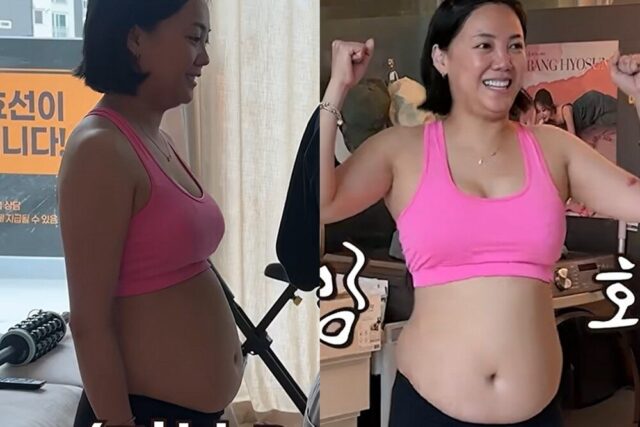
The latest chapter in Go Eun Ah’s public narrative unfolded on September 2nd, when the Bangga Family YouTube channel uploaded a video titled "A brutally honest real diet video." The footage immediately drew widespread attention, primarily because it featured Go Eun Ah candidly showcasing her current physique, including visible belly fat, as she embarked on a new diet journey. This was a stark contrast to the toned and voluptuous body for which she had been celebrated during her "second Kim Hye Soo" era.
In the video, Go Eun Ah reportedly presented herself without the typical filters, flattering angles, or strategic clothing choices often employed by celebrities. This unfiltered approach was a deliberate choice, aligning with the Bangga Family‘s ethos of authenticity and transparency. The visual content, which included close-ups of her midsection, aimed to capture the raw reality of weight gain and the challenges of a diet, inviting viewers to join her on a relatable journey rather than presenting an idealized, unattainable image. The decision to reveal such a personal and often scrutinized aspect of her body was a bold move, especially within the context of the South Korean entertainment industry, where the pressure to maintain an immaculate physical appearance is extraordinarily high.
Polarized Reactions: A Microcosm of Societal Divide

The release of "A brutally honest real diet video" swiftly triggered a wave of reactions across online communities, leading to a deeply polarized debate that transcended simple commentary on Go Eun Ah’s weight. The responses highlighted a significant chasm in public expectations for celebrities and the broader discussion surrounding body image in South Korean society.
On one side, a segment of netizens reacted with harsh criticism, reflecting traditional, often unforgiving, standards applied to public figures. Comments such as, "Did she give up on being a celebrity?" directly questioned her professional commitment, implying that a deviation from conventional beauty norms was incompatible with a career in entertainment. Other criticisms, like "I didn’t want to see something this raw" and "I feel embarrassed for her," underscored a preference for the idealized, polished image that celebrities are typically expected to uphold. Perhaps the most severe comments, including "She looks like a pregnant woman," veered into explicit body-shaming, revealing the deep-seated societal judgment faced by individuals whose bodies do not conform to narrow aesthetic ideals. These reactions reflect a cultural landscape where physical perfection is often equated with self-discipline, success, and professional viability, especially for women in the public eye. The entertainment industry, particularly K-pop and K-drama, is notorious for its strict diet regimes and intense scrutiny of idols’ and actors’ physiques, fostering an environment where even slight imperfections can invite harsh public backlash.
Conversely, a significant and vocal contingent of netizens rallied in support of Go Eun Ah, applauding her courage and relatability. These supportive comments resonated with a growing desire for authenticity and body positivity within the digital sphere. Remarks like, "I should diet together too" and "My belly looks like that as well, totally relatable," highlighted the shared human experience of weight fluctuations and the appeal of a celebrity who is willing to show vulnerability. For many, Go Eun Ah’s unvarnished appearance was a refreshing departure from the pervasive culture of carefully constructed perfection. Supporters also pointed out positive aspects of her physique, noting, "Even if the belly sticks out, her shoulder line is still intact" and "Still looks like she has some abs," demonstrating an appreciation for a more holistic view of her body rather than focusing solely on perceived flaws. This segment of the audience celebrated her for challenging norms and creating a space for empathy and self-acceptance.
Broader Implications: Celebrity Culture, Authenticity, and Body Image in South Korea
Go Eun Ah’s viral video and the ensuing debate serve as a powerful microcosm of the complex and evolving relationship between celebrity culture, digital media, and societal expectations in South Korea. The incident sheds light on several significant implications:
The Unyielding Grip of Korean Beauty Standards: The critical reactions underscore the persistent and often stringent beauty standards prevalent in South Korea. For female celebrities, the pressure to maintain a slim, flawless, and youthful appearance is immense, influencing everything from diet and exercise to plastic surgery choices. Any visible deviation from these ideals, such as weight gain, is frequently met with public condemnation, reflecting a deep-seated cultural emphasis on external appearance and conformity. This incident highlights how challenging it remains for public figures to navigate these expectations, even in the era of new media.
The Rise of Authenticity in the Digital Age: Go Eun Ah’s success with Bangga Family and her decision to reveal her "unfiltered" self exemplify a growing global trend towards authenticity on digital platforms. YouTube and other social media channels allow celebrities to bypass traditional media gatekeepers, presenting a more direct, often raw, version of their lives. This fosters a deeper, more personal connection with fans who crave relatable content over idealized fantasies. However, as Go Eun Ah’s case demonstrates, this authenticity is a double-edged sword, opening celebrities to both unprecedented levels of support and direct, often brutal, criticism.
Challenging the Stigma Around Mental Health and Imperfection: Go Eun Ah’s previous battle with panic disorder adds another layer of complexity to her current narrative. Her willingness to showcase her physical vulnerability, after having openly discussed her mental health struggles, can be seen as a powerful statement against the culture of perfection. It suggests a journey of self-acceptance and a desire to connect with her audience on a more human level, acknowledging that life, and bodies, are not always perfectly curated. This move could contribute to breaking down stigmas associated with both mental health and physical imperfections in a society that often demands unwavering strength and flawlessness from its public figures.
The Nascent Body Positivity Movement in Korea: While the global body positivity movement has gained significant traction, its progress in South Korea has been relatively slower, facing strong cultural resistance. Go Eun Ah’s reveal, and the supportive comments it generated, indicate a burgeoning desire among some segments of the public for a more inclusive definition of beauty. While the critical backlash shows how entrenched traditional ideals remain, the strong wave of support signals a potential shift, indicating that more people are seeking relatable figures who challenge the often-unrealistic images projected by the entertainment industry.
The Evolving Role of Celebrity: Go Eun Ah’s trajectory from a traditional actress to a successful YouTube personality who shares her everyday life, including her diet struggles, reflects a broader evolution in what it means to be a celebrity. The public is increasingly drawn to figures who are not just talented performers but also relatable individuals with whom they can empathize. This shift empowers celebrities to reclaim agency over their narratives and engage with their audience on a more personal, unfiltered level, potentially redefining the parameters of fame and public image.

In conclusion, Go Eun Ah’s unfiltered revelation of her belly fat has done more than just spark a debate about her physique; it has opened a wider conversation about the pressures faced by celebrities, the evolving nature of public engagement in the digital age, and the ongoing struggle between deeply ingrained beauty standards and the emerging demand for authenticity and body acceptance in South Korean society. Her courage to be vulnerable, while drawing criticism from some, has undoubtedly resonated with many others, marking a significant moment in the ongoing discourse surrounding celebrity image and self-perception in the highly scrutinized world of K-entertainment.

