
 By rifanmuazin
SEOUL, South Korea — For over a decade, the landscape of language acquisition has been defined by rapid digitalization and the rise of mobile-first pedagogy. Among the pioneers of this shift is Talk To Me In Korean (TTMIK), an institution that has become synonymous with accessible, structured, and culturally nuanced Korean language education. As the company marks its latest operational milestone, it has announced a high-stakes, time-sensitive enrollment initiative, inviting global learners to secure their annual access by September 9.
This strategic move comes at a time when interest in the Korean language, fueled by the global phenomenon of Hallyu (the Korean Wave), has reached an all-time high. By focusing on its proven, multi-tiered curriculum, TTMIK is positioning itself not merely as a supplementary tool, but as a comprehensive solution for those seeking fluency.
The Evolution of TTMIK: A Legacy of Linguistic Innovation
Since its inception in 2009, Talk To Me In Korean has traveled a unique path. While many language applications emerged in the 2010s focusing on gamification and short-term vocabulary retention, TTMIK maintained a commitment to deep linguistic immersion.
A Chronology of Growth
- 2009: The platform is founded in Seoul, initially focusing on podcast-based lessons that demystified Korean grammar for English speakers.
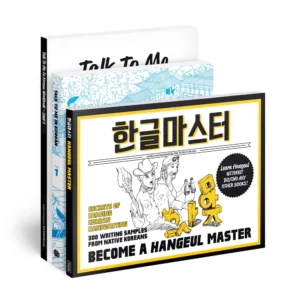
- 2012–2015: Expansion of the digital footprint. The company introduces comprehensive e-books and structured workbooks that bridge the gap between casual listening and academic rigor.
- 2018–2021: The launch of the subscription-based model. This pivot allowed the platform to scale its content, introducing systematic "Level Journeys" that guide students from absolute beginner (Hangul) to advanced proficiency.
- 2024: The current campaign, emphasizing the "Yearly Plan," represents a shift toward long-term student retention and community-building, encouraging learners to commit to a sustained educational roadmap.
Breaking Down the Methodology: The "Level Journey"
At the heart of the TTMIK value proposition is the "Level Journey." Unlike fragmented learning apps that often leave students with a collection of disjointed phrases, the TTMIK system is built on a logical progression of syntax, morphology, and cultural context.
The curriculum is structured to provide what educators call "scaffolded learning." Each lesson is designed to be self-contained yet connected to the broader linguistic framework. By providing access to every lesson under a single subscription, the platform eliminates the "pay-to-unlock" friction common in other digital learning environments. This transparency in pricing and content structure is a cornerstone of their current promotional push.
Supporting Data: Why Consistency Trumps Gamification
The efficacy of the TTMIK model is increasingly backed by user metrics and testimonials that emphasize the "long game." In an era of ephemeral content, TTMIK’s data suggests that its most successful learners are those who treat their subscription as a long-term academic commitment rather than a short-term hobby.
Learner stories from across the globe—ranging from Canada to Spain and Malaysia—consistently highlight a common thread: the transition from "listening for fun" to "speaking with intent."
- Sarah (Canada): After eight months of consistent study, she reports a significant leap in her ability to navigate daily interactions in Seoul.
- Miguel (Spain): Reflecting on his year with the platform, he notes that the structured roadmap prevented the "plateau effect" often encountered by self-taught language learners.
- Aisha (Malaysia): With two years of immersion, she demonstrates that sustained access to the platform’s advanced audio archives has been instrumental in refining her pronunciation and tonal accuracy.
These stories serve as the empirical evidence for the platform’s philosophy: language is not a sprint, but a sustained, multi-year journey of cognitive and cultural integration.
Official Stance: The Philosophy Behind the September 9 Deadline
The current promotional window, closing on September 9, is designed to encourage students to formalize their study plans for the remainder of the year and into the next.
"We believe that the most significant barrier to fluency is not the difficulty of the language itself, but the lack of a structured, reliable environment," an official spokesperson for TTMIK noted. "By offering our full library of lessons—including our most advanced levels—to annual subscribers, we are stripping away the excuses. You are not just buying a subscription; you are committing to a path."
The company’s focus remains on "real progress." By allowing potential students to sample a full lesson before committing, the organization demonstrates a high degree of confidence in its pedagogical design. This "try-before-you-buy" approach is intended to build trust with a demographic that has become wary of subscription models that promise quick results but deliver little substance.
The Implications for Global Language Learners
The implications of TTMIK’s strategy are significant for the broader EdTech industry. As the market becomes saturated with "gamified" apps, the demand for high-quality, long-form content is experiencing a resurgence.
Pedagogical Impact
- Depth over Breadth: By emphasizing a roadmap, the platform encourages learners to understand the "why" behind Korean grammar, rather than merely memorizing vocabulary lists.
- Cultural Literacy: The integration of cultural context into every lesson ensures that students learn the nuance of politeness levels (honorifics), which are essential for social integration in Korea.
- Community-Driven Learning: The platform’s history since 2009 has fostered a global community, creating an informal support network that bolsters individual motivation.
The Financial and Strategic Shift
The push for the Yearly Plan is also a strategic move to insulate the platform from the churn rates typical of monthly subscriptions. By securing long-term members, the company can reinvest in more sophisticated audio-visual production, advanced grammar modules, and perhaps even live-interaction components. For the learner, the annual commitment serves as a psychological anchor—a way to formalize a personal goal.
Navigating the Roadmap: How to Maximize the Offer
For those considering this path, the "Study Roadmap" is the primary tool for success. It acts as a syllabus, allowing students to track their progress across levels. The platform’s inclusion of "every lesson" under one plan simplifies the learning curve, ensuring that students do not reach a paywall exactly when they need a specific grammatical concept explained.
Furthermore, the emphasis on "cancel anytime" within the promotional framework serves as a safeguard, balancing the commitment of an annual plan with the flexibility that modern digital consumers demand.
Conclusion: A Call to Action for the Aspiring Polyglot
The window of opportunity ending September 9 is more than just a marketing event; it is an invitation to engage with one of the most established and respected methodologies in language education. For anyone who has felt the frustration of inconsistent learning or fragmented progress, the TTMIK model offers a refreshing alternative: stability, structure, and a proven track record.
As the Korean language continues to gain traction as a global lingua franca for business, entertainment, and cultural exchange, the value of deep, systematic learning cannot be overstated. Whether one is starting with their first Hangeul characters or looking to bridge the gap to advanced fluency, the resources provided by TTMIK represent a standard of excellence that has stood the test of time.
Learners are encouraged to evaluate their personal goals, review the available roadmaps, and consider the long-term benefits of a structured, comprehensive approach to their Korean language journey. In the world of language acquisition, the best time to start was yesterday; the second best time is today.
 Jia Lissa
  Asep Darmawan
  Layla Zulfa
