
 By Neng Nana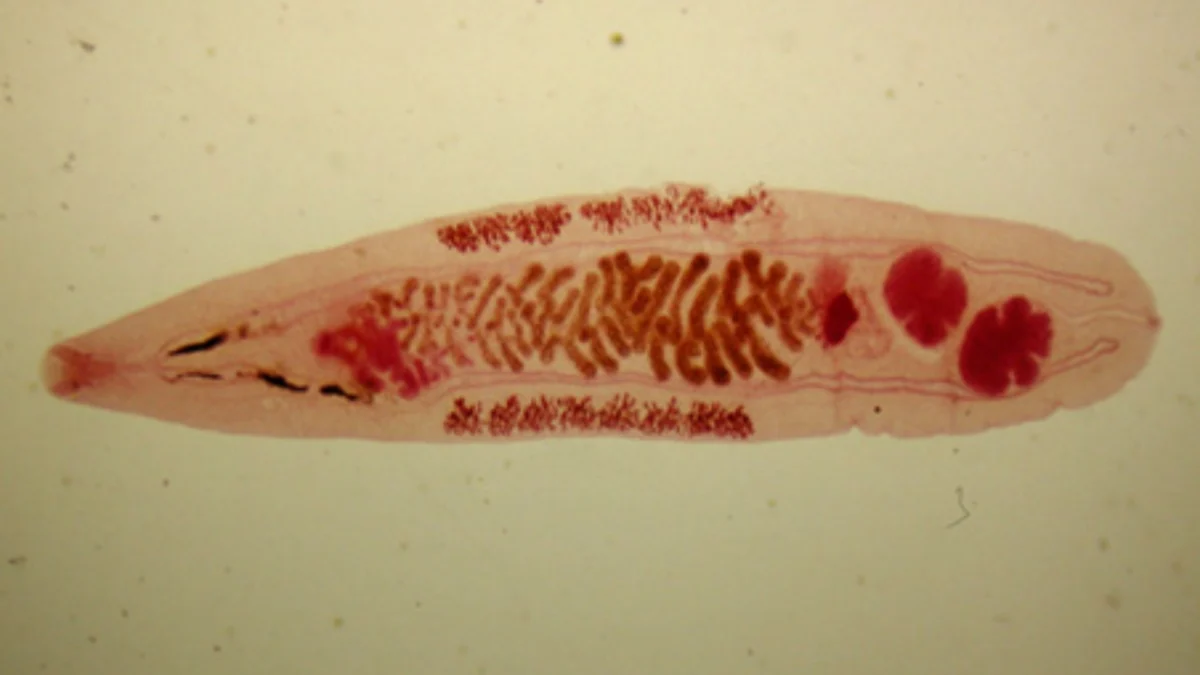
By Investigative Staff
The Rostov region of Russia, a critical logistical hub currently grappling with the broader pressures of the ongoing conflict in Ukraine, is facing an unexpected public health challenge. According to a recent epidemiological report released by the region’s healthcare watchdog, a significant surge in intestinal parasitic infections has been traced back to the presence of North Korean migrant laborers. The findings have ignited a debate over the intersection of labor migration, sanitation standards, and regional health security.
The Epidemiological Findings: A Sharp Statistical Deviation
The Rostov health surveillance report for 2025 provides a stark visualization of a burgeoning health crisis. Data indicates that the region, which had previously maintained manageable levels of parasitic infection, experienced a dramatic shift in its epidemiological profile.
The most alarming metric involves whipworm (trichuriasis), a soil-transmitted helminth. According to the health watchdog, reported cases of trichuriasis skyrocketed to 68 in 2025, a staggering leap from only three cases in 2024 and zero recorded cases the year prior. This exponential increase has prompted an immediate investigation into the environmental and social factors contributing to the transmission of these pathogens.
The report identifies a small coal-mining town within the Rostov oblast as the primary hotbed for these infections. This specific location, which has historically relied on manual labor for its industrial output, has seen an influx of workers from the Democratic People’s Republic of Korea (DPRK). The epidemiological study posits that the transmission of Opisthorchis felineus—a liver fluke linked to the consumption of raw or undercooked fish—and other soil-transmitted parasites is directly correlated with the living conditions and dietary habits brought by this migrant workforce.
Chronology of the Outbreak
The emergence of these parasites did not occur in a vacuum. A retrospective look at the regional health data reveals a clear timeline:
- 2023: Regional health records show no significant anomaly regarding parasitic infections in the Rostov region. Public health indicators remained within standard parameters.
- Early 2024: As labor shortages intensified across Russia due to the mobilization for the conflict in Ukraine, the Rostov region began to scale up its engagement with foreign labor, specifically from the DPRK. Small-scale industrial sectors, particularly in the coal-mining districts, saw the arrival of the first significant groups of North Korean laborers.
- Mid-2024: The first three cases of trichuriasis were recorded. At the time, health authorities categorized these as isolated incidents, attributing them to local environmental factors.
- Late 2024 – Early 2025: A sustained increase in the DPRK labor population was observed. Concurrently, medical facilities began reporting an uptick in gastrointestinal distress among both the migrant workers and the local population residing in immediate proximity to the workers’ dormitories.
- Mid-2025: The full scope of the infection became clear. Clinical testing confirmed a surge in both soil-transmitted helminths and fish-borne parasites.
- Late 2025 – Present: The Rostov healthcare watchdog officially published its findings, naming North Korean migrant labor as the primary vector for the transmission of these infections, leading to the current state of public health surveillance.
The Pathogens: Understanding the Health Risks
The report highlights two specific categories of parasites that have gained a foothold in the region.
Soil-Transmitted Helminths (STHs)
Trichuriasis, or whipworm, is a classic soil-transmitted helminth. These parasites are typically spread through fecal-oral transmission, often occurring when sanitation infrastructure is insufficient. When infected individuals work in environments where soil can be easily contaminated—such as mining sites or construction zones—the eggs of the parasite can persist in the ground for extended periods. The rapid jump to 68 cases suggests that the transmission cycle has become well-established within the local soil, creating a persistent risk for any individual working in these areas.
Fish-Borne Parasites
The report also identifies Opisthorchis felineus, a liver fluke commonly acquired through the consumption of raw or insufficiently processed freshwater fish. The presence of this parasite in the Rostov region is particularly concerning because it reflects a deviation from local food safety protocols. The health watchdog suggests that traditional food preparation methods practiced by the migrant laborers—which may involve the consumption of raw fish—are introducing the fluke into the local ecosystem through inadequate waste management and the contamination of local water sources.
Official Responses and Administrative Hurdles
The findings have placed the Rostov administration in a difficult position. On one hand, the reliance on North Korean labor is viewed as a strategic necessity to maintain industrial production in the face of labor shortages. On the other, the public health mandate requires the regional government to mitigate the spread of communicable diseases.

In response to the report, local health officials have initiated a series of mandatory screening programs. All laborers arriving from the DPRK are now subject to rigorous diagnostic testing for parasitic infections before they are cleared to work in industrial zones. Furthermore, the regional health watchdog has mandated an educational campaign regarding food safety, specifically targeting the preparation of freshwater fish, to prevent further contamination of the local water table.
However, critics of the current response argue that these measures are reactive rather than proactive. "The problem is not just the individuals, but the infrastructure," notes one independent medical researcher. "If the living conditions do not support basic sanitation—proper latrines, sewage treatment, and clean water access—screening programs will only catch the tip of the iceberg."
Socio-Economic and Geopolitical Implications
The situation in Rostov serves as a microcosm of the complex relationship between Russia and the DPRK. As Moscow strengthens its ties with Pyongyang, the movement of labor is expected to increase. This raises significant questions regarding the long-term impact on Russian public health systems.
Labor Shortages vs. Public Health
The Russian economy, particularly the industrial and mining sectors, is currently suffering from a "labor drought." The reliance on foreign workers is, in many ways, an existential requirement for these businesses. The Rostov case highlights the hidden costs of this reliance. When the social and health costs of an imported labor force are not fully accounted for, the burden shifts to the local healthcare system, which is already stretched thin.
Diplomatic Sensitivity
Given the high-level diplomatic cooperation between the Kremlin and the Kim Jong Un regime, regional authorities face a delicate balancing act. Criticizing the habits or health standards of North Korean workers can be interpreted as a political critique of the strategic partnership. Consequently, the Rostov healthcare watchdog has utilized highly clinical, technical language in its reports, focusing on the epidemiological data while downplaying the broader geopolitical implications.
Potential for Outbreaks
The risk of these infections spreading to the wider local population remains a significant concern. While the current infections are clustered around mining hubs, the mobility of the labor force means that there is a risk of the parasites entering the broader water supply or contaminating local produce markets. Public health experts have called for an integrated monitoring system that spans multiple regions to ensure that the "Rostov phenomenon" does not become a nationwide crisis.
Conclusion: A Need for Standardized Oversight
The situation in the Rostov region provides a sobering reminder of the externalities associated with international labor migration. As Russia continues to integrate North Korean laborers into its workforce, the priority must shift toward universal health standards.
The report from the Rostov health watchdog serves as both a warning and a template for future action. If the influx of foreign labor is to continue, the Russian state must invest in the sanitation and public health infrastructure of the communities hosting these workers. Failing to do so will not only risk the health of the laborers themselves but will continue to pose an escalating threat to the regional population.
Moving forward, the effectiveness of the current containment strategy will depend on the transparency of reporting and the willingness of industrial operators to invest in the health of their workforce. The increase in whipworm cases is a clear indicator that the current status quo is unsustainable. Whether the region can contain these parasites or if they will become endemic to the Rostov oblast remains a question that will occupy local health officials for the foreseeable future.


 Ammar Sabilarrohman
  Pevita Pearce
  Nana Wu
