
 By Lina Hope
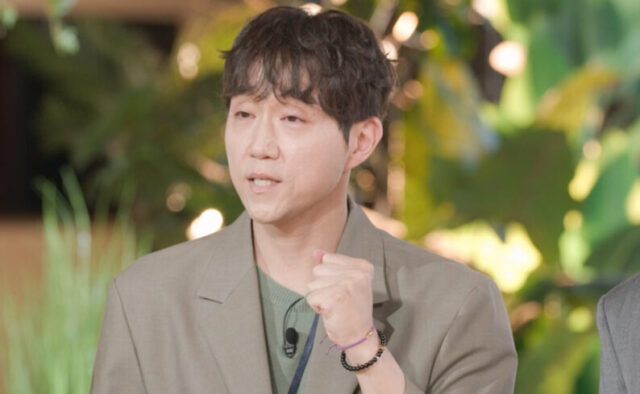
South Korean actor Choi Sung Won, widely recognized for his memorable role as Sung No Eul in the acclaimed tvN drama Reply 1988, has captivated audiences and evoked profound empathy by openly sharing the arduous details of his two battles with acute leukemia. His emotional journey, marked by periods of immense suffering and unwavering determination, was candidly revealed during a recent appearance on KBS 2TV’s Happy Together – Glad I’m Not Alone, a program designed to highlight inspiring personal narratives. The actor’s revelations shed light on the physical and psychological toll of a life-threatening illness, as well as the indomitable spirit required to overcome such formidable challenges, particularly within the demanding landscape of the entertainment industry. His story not only celebrated his personal triumph over disease but also underscored the deep-seated passion that ultimately guided him back to his chosen craft, culminating in the joyous announcement of his full recovery, which garnered widespread applause and an outpouring of support from fans and colleagues alike.
The Ascent and Impact of Reply 1988
Choi Sung Won’s career trajectory saw a significant upswing with his role in Reply 1988, which aired from 2015 to 2016. Before this breakthrough, Choi had built a steady, if less prominent, career in musical theatre and television. He debuted in the musical "Finding Kim Jong Wook" in 2007 and gradually made a name for himself with his versatile acting. However, it was his portrayal of Sung No Eul, the younger brother of the protagonist Sung Deok Sun, that catapulted him into national recognition. Reply 1988 itself was a cultural phenomenon, lauded for its nostalgic depiction of family life, friendship, and first loves in a Seoul neighborhood during the late 1980s. The drama achieved immense critical and commercial success, becoming one of the highest-rated dramas in cable television history and earning numerous awards. Its ensemble cast, including Choi Sung Won, garnered widespread affection, with No Eul’s character, despite being a supporting role, resonating with viewers for his earnestness and unique personality. This period marked a crucial turning point for Choi, as he was poised for a promising future in the Korean entertainment industry, with new opportunities and a broader fanbase eagerly anticipating his next projects.
A Chronology of Courage: Two Battles with Leukemia
The promising trajectory of Choi Sung Won’s career was abruptly interrupted by a series of unforeseen health crises. The timeline of his battles with acute leukemia paints a picture of resilience in the face of repeated adversity:
First Diagnosis and Hiatus (2016)
Shortly after the conclusion of Reply 1988, at a time when his popularity was at its peak, Choi Sung Won received the devastating diagnosis of acute leukemia in May 2016. Acute leukemia is a fast-progressing cancer of the blood and bone marrow, characterized by the rapid production of abnormal white blood cells that interfere with the bone marrow’s ability to produce healthy blood cells. The news sent shockwaves through his burgeoning career, forcing him to immediately halt all activities, including withdrawing from the then-airing JTBC drama Mirror of the Witch, where he had taken on a significant role. This abrupt cessation of work was not merely a career setback but a life-or-death situation, demanding his full attention and energy for intensive medical treatment. He underwent rigorous chemotherapy, a standard treatment protocol for acute leukemia aimed at destroying cancerous cells. The initial public reaction was one of shock and profound concern, with fans and industry colleagues expressing their unwavering support and hopes for his swift recovery.
First Recovery and Resumption of Activities (Late 2017 – Early 2019)
Following a challenging period of treatment and recovery, Choi Sung Won bravely announced in late 2017 that his health had significantly improved, marking his return to the entertainment scene. His determination to resume acting was evident as he gradually began taking on new projects, albeit at a more measured pace. He appeared in dramas such as My Strange Hero (2018-2019) and various theatrical productions, signaling his triumphant return to the craft he loved. This period was a testament to his fighting spirit and the medical team’s efforts, offering a beacon of hope to those battling similar illnesses. His return was met with enthusiasm and relief from his fanbase, who admired his tenacity.
The Devastating Relapse (Mid-2019)
Tragically, just two years after his initial recovery and successful return to work, Choi Sung Won faced another crushing blow: a relapse of his acute leukemia in mid-2019. This recurrence plunged him back into the harrowing cycle of illness and treatment. On Happy Together, he articulated the profound emotional and existential crisis that accompanied this second diagnosis. "After overcoming it once and then getting sick again, I wondered, ‘Is acting really my path? Is it trying to kill me?’" he confessed, revealing the deep despair and self-doubt that plagued him. The physical suffering was equally immense, as he recounted, "It was extremely painful to the point I couldn’t even stand properly." This second battle was arguably more challenging, not only physically but also mentally, as it tested his resolve and forced him to confront the fragility of life and career. He was once again forced into an indefinite hiatus, retreating from public life to focus entirely on his health.
Second Recovery and Unwavering Artistic Passion (2020 – 2026)
Despite the overwhelming pain and emotional torment, Choi Sung Won’s intrinsic passion for acting never waned. During his second period of intense treatment and recovery, he revealed a remarkable dedication to his craft. "Even while in excruciating pain, I was analyzing the expressions of the people fighting in the hospital," he shared on the program. It was during these darkest moments that he experienced an epiphany: "It was then I realized, ‘I have to act.’" This profound realization underscored the depth of his artistic calling, transcending physical suffering. MC Jang Hang Jun, visibly moved by Choi’s confession, expressed awe, saying, "When your body is struggling, you don’t think about work. That’s impressive." This testament to his unyielding spirit highlights a rare dedication.
Most notably, Choi Sung Won shared the heartening news on the program: "I’ve been declared fully recovered," earning rounds of heartfelt applause from the hosts and studio audience. This declaration marks the culmination of years of arduous struggle, signifying a definitive victory over a formidable disease. His journey through two relapses and subsequent recoveries stands as a powerful narrative of human endurance and the transformative power of passion.
Medical Context: Understanding Acute Leukemia and Relapse
Acute leukemia is a severe and rapidly progressing cancer that originates in the blood-forming cells of the bone marrow. It is characterized by the uncontrolled proliferation of immature white blood cells (blasts), which crowd out healthy blood cells, leading to symptoms like fatigue, infections, and bleeding. The two main types are Acute Myeloid Leukemia (AML) and Acute Lymphoblastic Leukemia (ALL), both requiring immediate and aggressive treatment.
Treatment for acute leukemia typically involves intensive chemotherapy, which aims to destroy the cancerous cells. In many cases, especially for relapsed or high-risk patients, a stem cell transplant (also known as a bone marrow transplant) may be necessary. This procedure involves replacing diseased bone marrow with healthy stem cells, often from a donor. The challenges of treatment are immense, involving severe side effects from chemotherapy, including immunosuppression, nausea, fatigue, and hair loss. Recovery is a long and arduous process, often requiring extensive rehabilitation.
A relapse, as experienced by Choi Sung Won, is a devastating complication where the cancer returns after a period of remission. Relapse can occur months or years after initial treatment and often requires more aggressive and complex therapeutic approaches. The prognosis after a relapse can be more challenging, making each subsequent recovery a more significant medical achievement. Choi Sung Won’s double recovery from acute leukemia, particularly after a relapse, speaks volumes about the advancements in modern medicine and, crucially, his own remarkable biological resilience and mental fortitude. Statistics show that while initial remission rates for acute leukemia can be high, long-term survival rates, especially after relapse, vary significantly depending on the type of leukemia, patient age, and other factors. His story therefore serves as a testament to perseverance against formidable odds.

Statements and Reactions from Related Parties
Choi Sung Won’s deeply personal account resonated strongly with various stakeholders, eliciting a wide range of emotional responses and affirmations of support.
Choi Sung Won’s Own Reflections: His candidness on Happy Together provided a rare glimpse into the mind of someone grappling with life-threatening illness. His internal struggle with whether acting was "trying to kill him" highlights the profound psychological toll of repeated diagnoses. Yet, his ultimate realization—that he "had to act," even while observing suffering in the hospital—underscores a powerful sense of purpose that transcended personal pain. This introspection offered viewers a raw, unfiltered perspective on human resilience and the enduring power of vocational calling.
Lim Chul Soo (Close Friend): The emotional testimony of fellow actor Lim Chul Soo, a close friend of Choi Sung Won, provided a poignant external perspective on the actor’s journey. "Hearing Sung Won’s full recovery was the happiest news I’ve ever received. I was so overwhelmed I danced on the street," Lim shared, tears in his eyes. This heartfelt reaction speaks volumes about the depth of their bond and the immense anxiety and hope that Choi’s inner circle experienced throughout his health battles. It highlighted not just a personal victory for Choi but a collective relief for those who loved and supported him, emphasizing the profound impact of chronic illness on an individual’s entire social network.
Industry Peers and Colleagues (Inferred): While specific statements from other industry peers were not detailed in the broadcast, it is highly probable that Choi Sung Won’s story garnered widespread admiration and support within the Korean entertainment industry. Actors and directors, who understand the immense pressures and physical demands of the profession, would undoubtedly recognize the extraordinary courage it took for him to battle such an illness twice and return to work. His resilience likely serves as an inspiration to many, reminding them of the human element beneath the glamorous facade of celebrity.
Fans and Public (Inferred): The public reaction to Choi Sung Won’s revelations would have been overwhelmingly positive and empathetic. Social media platforms and online communities would have been flooded with messages of support, congratulations on his recovery, and expressions of admiration for his bravery. His story undoubtedly resonated with individuals who have personally battled illness, supported loved ones through medical crises, or simply admire unwavering determination. His journey transforms him from merely an actor into a symbol of hope and perseverance, fostering a deeper connection with his audience that extends beyond his on-screen performances.
Broader Impact and Implications
Choi Sung Won’s public sharing of his journey extends far beyond a personal narrative, carrying significant implications for public health awareness, the entertainment industry, and the broader societal understanding of resilience.
Raising Awareness for Leukemia and Chronic Illness
By openly discussing his struggles with acute leukemia, Choi Sung Won has inadvertently become an advocate for increased awareness of the disease. His celebrity status brings critical attention to the realities of cancer diagnosis, treatment, relapse, and recovery. Such public narratives help demystify the illness, encourage early detection, and promote empathy for patients and their families. It underscores the importance of medical research, patient support systems, and the ongoing need for bone marrow donors, potentially inspiring more people to register as donors or contribute to cancer charities. His story also sheds light on the long-term impact of chronic illness, emphasizing that recovery is a continuous journey that extends beyond the cessation of active treatment.
Mental Health and Resilience in the Entertainment Industry
The entertainment industry is notoriously demanding, often placing immense pressure on individuals to maintain a flawless public image while navigating intense schedules and scrutiny. Choi Sung Won’s honest account of his emotional turmoil – questioning his path and enduring extreme pain – highlights the often-hidden mental health challenges faced by public figures, especially when compounded by severe illness. His ability to find purpose in his suffering, observing others in the hospital to fuel his acting, offers a powerful testament to psychological resilience. His openness could encourage other celebrities and individuals in high-pressure professions to address their own mental health struggles and seek support, fostering a more compassionate and understanding industry environment.
Redefining Success and Passion
Choi Sung Won’s journey redefines traditional notions of success in a career-driven society. While initial success might be measured by popularity and projects, his story emphasizes that true fulfillment can be found in perseverance, passion, and the unwavering pursuit of one’s calling, even in the face of life-threatening obstacles. His decision to return to acting, driven by an inner conviction rather than external pressures, serves as a profound inspiration. It suggests that genuine dedication to a craft can provide an anchor during the stormiest periods of life, offering a sense of purpose that transcends physical limitations.
The Power of Storytelling and Empathy
Ultimately, Choi Sung Won’s narrative is a testament to the power of human storytelling in fostering empathy. By sharing his vulnerability and triumph, he has created a deep emotional connection with his audience, allowing them to experience a vicarious journey of pain, hope, and victory. This empathetic engagement strengthens the bond between public figures and their audience, transforming the transactional nature of celebrity into a more profound human exchange. His story serves as a powerful reminder of the shared human experience of struggle and the universal yearning for health, happiness, and purpose.
In conclusion, Choi Sung Won’s appearance on Happy Together was more than just an interview; it was a deeply moving public testimony to his extraordinary courage and an inspiring declaration of victory over acute leukemia. His willingness to share the most challenging chapters of his life not only provided closure to his personal health battles but also offered a beacon of hope and resilience to countless others. As he steps back into the spotlight with renewed vigor and a declared full recovery, the industry and his devoted fanbase eagerly anticipate the next chapter of his career, enriched by a journey that has profoundly shaped him and, in turn, deeply moved the world.

